
Understanding the Meaning of Joppa in Hebrew Contexts


The ancient port city of Joppa holds a unique place in biblical narratives. Mentioned in the Hebrew Bible, Joppa is where the cedars of Lebanon were brought for the construction of Solomon’s Temple (2 Chronicles 2:16). Known today as Jaffa, it serves as a cultural and historical crossroads.
This article delves into the meaning of Joppa in Hebrew contexts, exploring its role in scripture and its symbolic significance. Joppa’s strategic location on the Mediterranean coast made it a vital link in ancient trade routes.
Joppa’s role in biblical stories, such as Jonah’s journey (Jonah 1:3) and Peter’s vision (Acts 10:9-16), underscores its importance as a spiritual and cultural hub.
The city’s historical significance is reflected in its continued presence as a vibrant part of modern Israel, where its rich past and dynamic present meet, inviting exploration and reflection on its enduring legacy.
from the Western Wall to Masada.
The Origin of the Name Joppa
Joppa, known in Hebrew as ‘Yafo,’ appears in biblical texts as a vital port city. The name ‘Joppa’ itself is believed to derive from a Hebrew root denoting ‘beautiful’ or ‘to be fair. ‘ This aligns with its historic reputation and pivotal role in trade and commerce.
Its strategic coastal location made it a linchpin in ancient trade networks. In the time of King Solomon, Joppa was used to import timber from Lebanon for the temple in Jerusalem (1 Kings 5:9), showcasing its importance.
Joppa’s significance is further highlighted through Jonah’s journey, where it serves as the departure point for his fateful voyage (Jonah 1:3). This city, with its beautiful views and bustling port, was a place where many biblical narratives unfolded.
Its role in facilitating trade and cultural exchange made it a key player in the region’s history, influencing events and interactions across the Mediterranean.
Joppa’s beauty and strategic importance are reflected in its name and history. The city was a gateway for goods and ideas, facilitating cultural exchanges across the Mediterranean. It was also the port from which Jonah attempted to flee from his divine mission (Jonah 1:3).
This highlights its accessibility and significance in biblical narratives. Additionally, Joppa was used by King Solomon to import cedar wood from Lebanon for the Temple’s construction in Jerusalem (2 Chronicles 2:16), emphasizing its role in trade.
Joppa’s role as a port city made it a focal point for biblical events and cultural interactions. Its strategic location allowed it to serve as a conduit for trade and communication, influencing the region’s history and development.
The city’s presence in biblical narratives underscores its lasting impact on the cultural and spiritual landscape, making it a place of enduring significance.

Joppa in Biblical Narratives
Joppa first appears in the biblical account of Jonah (Jonah 1:3), where the prophet embarks on a sea voyage. This narrative highlights Joppa’s accessibility as a port. Later, it serves as the site of Simon the Tanner’s house in the Acts of the Apostles (Acts 9:36-43).
These stories underscore its lasting relevance as a center of both divine messages and community life. Simon’s house is where Peter received a vision that expanded the early community’s understanding of inclusion and acceptance.
Jonah’s attempt to escape his mission by setting sail from Joppa emphasizes the city’s role in biblical narratives. Joppa’s port was a gateway for many, including Peter, who received a vision at Simon the Tanner’s house (Acts 10:9-16).
This vision marked a significant shift in the early community’s approach to inclusion, highlighting Joppa’s importance as a place of transformation and new beginnings.
Jonah and the whale’s tale begins in Joppa, emphasizing the city’s role as a starting point for journeys both physical and spiritual. In Jonah 1:3, Jonah attempts to flee from his divine mission by boarding a ship in Joppa, highlighting its accessibility as a port.
In Acts 10:9-16, Peter’s vision at Simon the Tanner’s house marked a pivotal moment in the spread of new ideas, showing Joppa as a place of transformation and revelation. This vision led to a broader understanding of inclusion.
Joppa’s significance in these stories reflects its role as a crossroads of culture and faith. The city’s port facilitated not only trade but also the exchange of ideas and beliefs.
This blend of commerce and spirituality made Joppa a unique setting for biblical events, where divine messages and human endeavors intersected, shaping the course of history and faith.
Joppa: A Gateway in Trade and Culture
Historically, Joppa connected various cultures due to its position along major trade routes. King Solomon utilized its port facilities to import cedar wood for constructing the Temple (2 Chronicles 2:16). This cooperation with neighboring Tyre reflects Joppa’s role in facilitating regional alliances.
Throughout the ages, it remained a dynamic hub of exchange and communication, serving as a meeting point for different peoples and cultures, contributing to its rich historical tapestry.
Joppa’s strategic location not only supported trade but also allowed for cultural and religious exchanges. Mentioned in Jonah’s narrative, it served as his departure point (Jonah 1:3), highlighting its accessibility and importance in biblical contexts.
Its role in these stories underscores the city’s enduring presence in the spiritual and historical consciousness of the region.

Symbolic Significance of Joppa
Joppa’s biblical role extends beyond trade, symbolizing transition and transformation. It served as a literal and metaphorical gateway for the spread of ideas and spirituality. In Christian tradition, Peter’s resurrection of Tabitha in Joppa became a symbolic act of renewal and hope (Acts 9:36-43).
This duality of commerce and faith highlights its layered significance. Joppa’s port facilitated not only the movement of goods but also the exchange of spiritual insights, making it a focal point for cultural and religious evolution.
from the Western Wall to Masada.
Tabitha, also known as Dorcas, offers a remarkable example of Joppa’s role as a place of miracles and new beginnings. According to Acts 9:36-42, Tabitha was a disciple known for her good works and acts of charity.
Her resurrection by Peter, one of the apostles, is a testament to the city’s spiritual legacy. This event, where Peter prayed and Tabitha was brought back to life, illustrates how acts of faith and charity intertwined with everyday life, creating a community of hope and renewal.
Tabitha’s story in Joppa highlights the city’s significance as a center of early community life and spiritual growth. Her charitable deeds and subsequent resurrection by Peter underscore the importance of faith and community in the biblical narrative.
Joppa’s role in these events reflects its status as a place where divine intervention and human compassion met, fostering a sense of renewal and hope among its inhabitants.
Joppa in Jewish Tradition
In Jewish history, Joppa emerged as a notable landmark associated with spiritual narratives. The Jewish philosopher Philo of Alexandria described Joppa as a boundary where the divine touched the mundane, emphasizing its spiritual dimension.
Jewish tradition continues to remember it not only for its historical role but also for its enduring cultural legacy. The city’s mention in various biblical stories, such as Jonah’s journey and Peter’s vision, highlights its continued importance in Jewish cultural memory.
Joppa’s historical and spiritual significance is reflected in its frequent appearances in biblical accounts. The city’s role as a port and cultural hub allowed it to serve as a backdrop for important events, such as Jonah’s departure and Peter’s vision.
These stories contribute to Joppa’s legacy as a place where faith and history intersect, leaving a lasting impact on Jewish tradition and cultural memory.
Modern Jaffa: A Legacy of Joppa
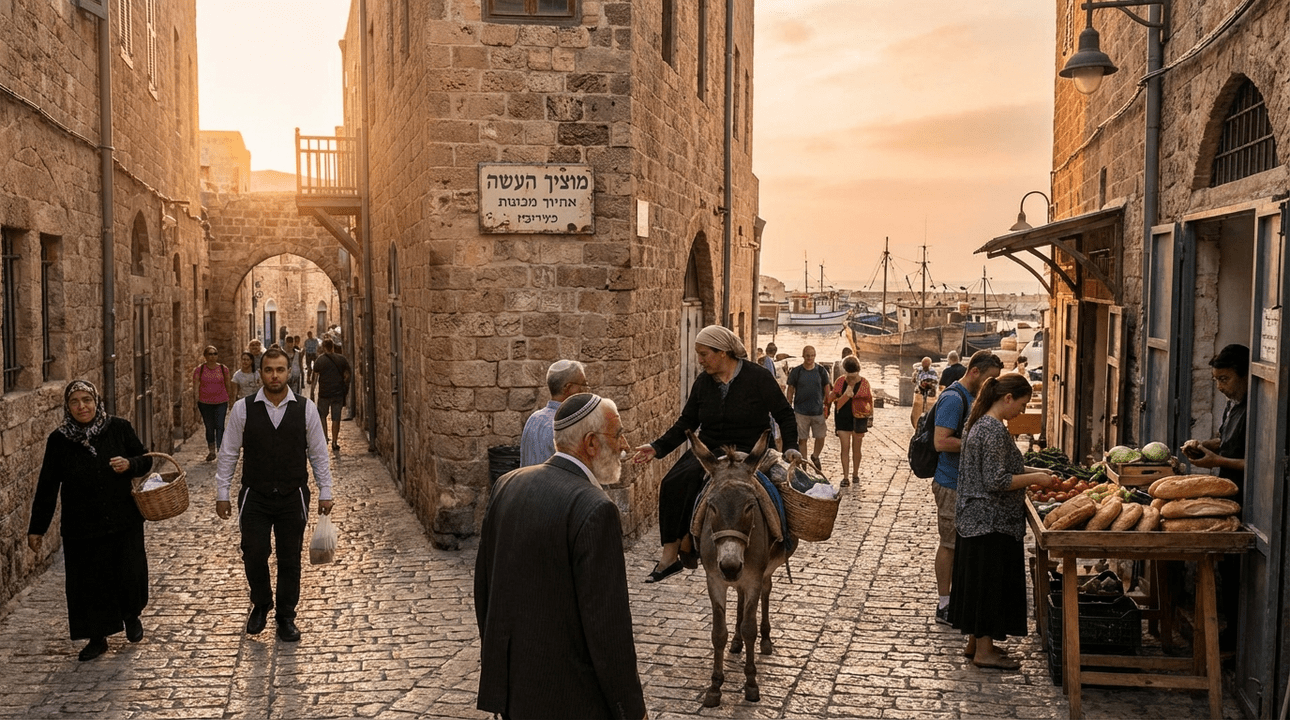
Today, Jaffa retains its historical charm within the vibrant tapestry of modern Israel. Known for its mix of ancient architecture and contemporary art, it attracts both pilgrims and tourists. The city offers a living testament to Joppa’s enduring heritage, intertwining past and present.
Visitors can walk its ancient streets and imagine the biblical stories unfolding. The Old City of Jaffa, with its narrow alleys and stone buildings, provides a glimpse into the past, while art galleries and cafes reflect its modern vibrancy.
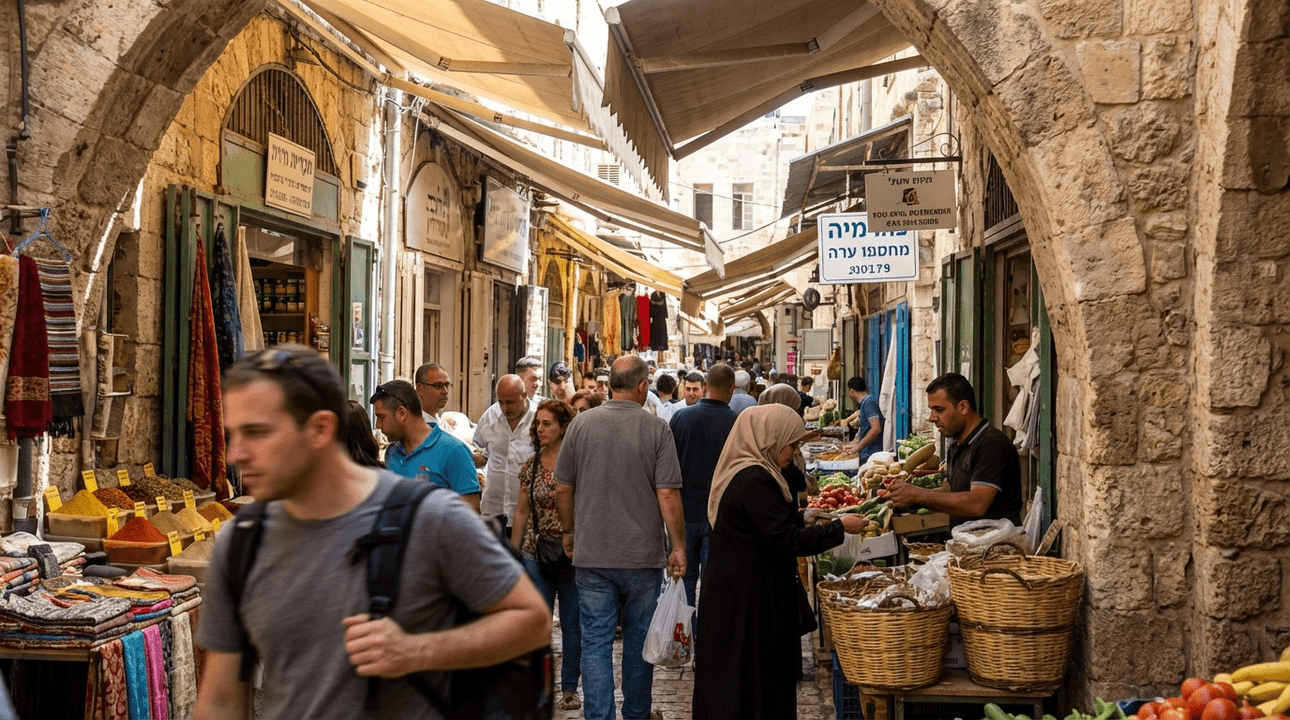
Jaffa’s port, still active today, connects visitors to its storied past as a hub of trade and culture. The Clock Tower, built in the early 20th century, stands as a landmark of the city’s historical timeline. Jaffa’s flea market, with its eclectic mix of goods, offers a sensory journey through time.
This market echoes the city’s ancient role as a bustling marketplace, where merchants and travelers from various cultures would gather, reflecting the vibrant exchange of ideas and goods that characterized Jaffa’s history.
Jaffa’s historical significance as a center of commerce and culture is mirrored in its modern attractions. The city’s rich past is reflected in its architecture and vibrant markets, which continue to draw visitors from around the world.
Jaffa’s blend of history and contemporary life offers a unique perspective on its enduring role as a cultural crossroads, where past and present converge.
Conclusion: Joppa’s Eternal Allure
Joppa’s significance in the Bible is layered with beauty, commerce, and divine narrative. Its role as a port city facilitated connections that still echo today.
Whether as a setting for biblical events or a modern tourist attraction, Joppa continues to captivate with its unique blend of history and culture. Reflecting on Joppa reveals how places shape, and are shaped by, the human journey.
Its enduring presence in scripture and history speaks to its lasting impact on cultural and spiritual landscapes.
Joppa’s historical role as a gateway for trade and ideas is mirrored in its biblical stories, such as the import of timber for Solomon’s Temple (1 Kings 5:9) and Jonah’s departure (Jonah 1:3). These narratives highlight Joppa’s importance in connecting people and cultures.
Today, Joppa’s rich history and cultural significance continue to draw visitors, offering a glimpse into its storied past and ongoing influence.
Joppa in Biblical Significance
