
Unveiling the Story of Zechariah: Insights from the Bible
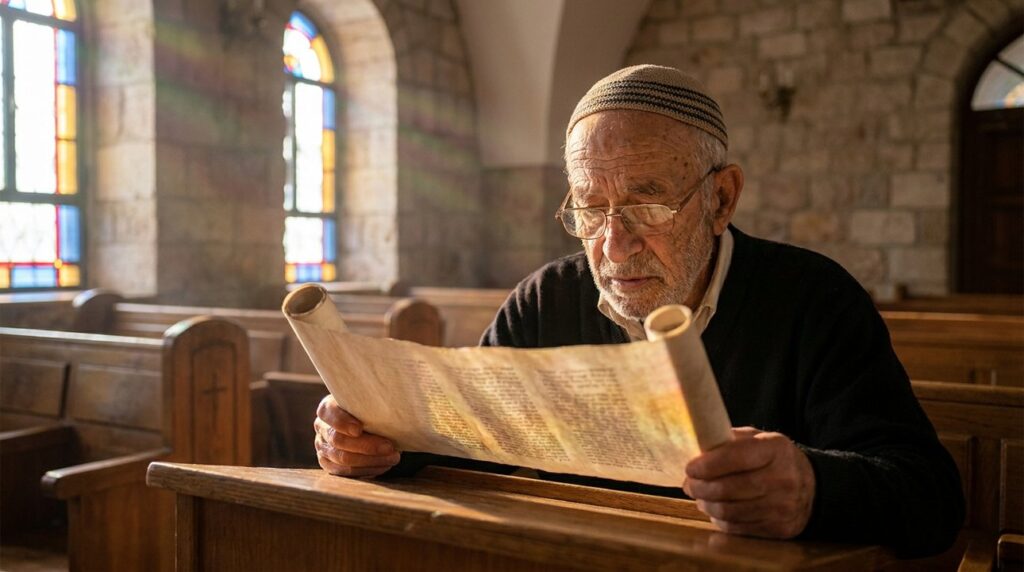

The story of Zechariah unfolds within the rich tapestry of biblical prophecy. Known for his visionary experiences and crucial messages, Zechariah’s role was pivotal in guiding the Israelites during the Second Temple period, around the 6th century BCE. His prophecies are recorded in the Book of Zechariah, which is part of the Twelve Minor Prophets in the Hebrew Bible.
In this article, we delve into the life and teachings of Zechariah, exploring his prophetic visions and examining his lasting influence in the biblical tradition.
Zechariah’s prophecies, such as those in Zechariah 1:1-6, called for repentance and a return to righteous living. His visionary experiences, including the vision of the golden lampstand in Zechariah 4:1-14, symbolized the divine presence and guidance for the Israelites. These messages were crucial during a time of rebuilding and renewal.
As we explore Zechariah’s teachings, we uncover the profound impact his visions had on shaping the spiritual and cultural identity of the Jewish people.
from the Western Wall to Masada.
Zechariah’s visions include the famous scene of the four horsemen (Zechariah 1:8-11) and the vision of the flying scroll (Zechariah 5:1-4), each symbolizing different aspects of divine intervention and justice. They were meant to encourage the Israelites to rebuild the Temple in Jerusalem, emphasizing the importance of spiritual renewal alongside physical reconstruction.
His messages were not just about rebuilding structures but also about rebuilding faith and community, making his teachings relevant even today.
In Zechariah 1:8-11, the four horsemen represent God’s watchful presence over the earth, ensuring justice and peace. The flying scroll in Zechariah 5:1-4 symbolizes the eradication of sin from the land, reflecting a divine commitment to moral integrity. Such imagery served as powerful motivators for the Israelites, urging them to focus on spiritual and communal restoration as they rebuilt their lives.
Zechariah’s teachings continue to resonate, reminding us of the enduring need for spiritual renewal.
The Historical Context of Zechariah
Zechariah was active during a turbulent time in Israel’s history. The Israelites had returned from exile in Babylon, and were tasked with rebuilding Jerusalem and restoring the Temple.
His prophetic activity took place around 520–518 BCE, alongside Haggai, focusing on spiritual renewal and future hope for Israel. Understanding this setting is crucial to appreciating his messages. The Book of Zechariah places him among the minor prophets, yet his impact was anything but minor.
His words continue to resonate through time.
During this period, the Israelites faced numerous challenges, including economic hardship and political instability. Zechariah’s messages, recorded in Zechariah 8:9-13, emphasized the importance of faith and perseverance. He encouraged the people to remain steadfast in their efforts to rebuild, promising that their dedication would lead to prosperity and peace.
His prophecies offered hope and a vision of a future where the community would thrive, highlighting the enduring power of faith in overcoming adversity.
Prophet Zechariah’s Visionary Experiences
Zechariah’s visions are among the most vivid in prophetic literature. They include symbolic imagery such as the golden lampstand and olive trees (Zechariah 4:1-14), and the flying scroll (Zechariah 5:1-4).
These prophetic images were meant to inspire hope and reassurance, pointing toward a future filled with divine justice and prosperity. His prophecies emphasized rebuilding the Temple and highlighted moral and spiritual responsibilities.
Zechariah’s vision of peace and future restoration remains significant in Jewish thought, symbolizing the enduring covenant with the divine.
In Zechariah 6:1-8, the vision of the four chariots represents the divine presence and authority over the earth, symbolizing peace and justice. The golden lampstand and olive trees in Zechariah 4:1-14 signify the divine spirit and guidance, emphasizing the importance of spiritual leadership.
These symbolic representations provided encouragement and direction for the Israelites, reinforcing their commitment to rebuilding and renewing their faith and community.

The Question of Zechariah’s Priesthood
The role of Zechariah extends beyond prophecy; some traditions suggest he was also a priest. This would align with his emphasis on the Temple’s restoration and the priesthood. Zechariah’s father, Berechiah, and grandfather, Iddo, were from a priestly lineage, which may support this view.
However, clear evidence of his priesthood status in the biblical texts remains debated among scholars. What is undisputed, however, is his influence in encouraging the community to recommit to their religious duties and rebuild with renewed faith.
Zechariah’s possible priestly role is further suggested by his focus on purity and worship, as seen in his visions. In Zechariah 3:1-5, the cleansing of Joshua the high priest symbolizes the purification of the priesthood and the nation’s spiritual renewal. This focus on the Temple and priesthood underscores his deep commitment to restoring religious life in Jerusalem.
While his exact priestly status is debated, his contributions to spiritual and communal renewal are widely recognized.
from the Western Wall to Masada.
The Death of Zechariah: Tradition and Text
The death of Zechariah is shrouded in tradition and speculation. According to some interpretations, Zechariah son of Jehoiada was stoned to death by the order of King Joash (2 Chronicles 24:20-22). However, this Zechariah differs from the prophet discussed here, who lived during the post-exilic period.
Theologians caution against conflating these figures, urging a careful reading of biblical texts and traditions. Despite the uncertainties surrounding his death, Zechariah’s legacy as a spiritual leader remains significant, offering enduring guidance and hope.
The prophet Zechariah, active during the post-exilic period, is not mentioned in biblical accounts regarding his death. His contributions are primarily recorded in his prophetic writings, which focus on visions and messages of hope. This lack of detail about his death has led to various traditions and interpretations.
What remains clear is the lasting impact of his teachings, which continue to inspire and guide communities in their spiritual journeys.

Zechariah’s Prophecies: Themes and Messages
Central to Zechariah’s prophecies are themes of redemption and divine favor. He speaks of a future where Jerusalem would thrive, protected against its enemies, as seen in Zechariah 2:4-5, where a man with a measuring line envisions a city without walls, safeguarded by divine presence.
His messages are filled with encouragement for rebuilding efforts and maintaining faith. The well-known verse, ‘Not by might nor by power, but by my Spirit’ (Zechariah 4:6), underscores this message of reliance on divine strength. Through his hopeful visions, Zechariah plays a key role in setting the spiritual tone for the era of restoration.
The Lasting Influence of Zechariah’s Teachings
Zechariah’s influence extends well into Jewish and Christian traditions as well as modern religious thought. His visions of peace and divine justice remain relevant, offering insight and inspiration. The expectation of a messianic future and calls for righteousness echo across ages, as seen in Zechariah 9:9, which speaks of a humble king bringing peace.
These themes continue to inspire diverse interpretations, connecting believers with their faith and heritage. Thus, Zechariah’s story is an enduring testament to hope, renewal, and the unyielding spirit of the people he guided.
Zechariah’s prophecies, such as the vision of the future king in Zechariah 9:9-10, highlight themes of humility and peace. This vision has been interpreted as a call for justice and righteousness, resonating with believers across generations.
His messages of hope and renewal continue to inspire those seeking spiritual and communal growth, illustrating the timeless relevance of his teachings in guiding faith communities.

Discovering Zechariah in Modern Scholarship
Modern scholarship continues to explore Zechariah’s writings and their contemporary implications. His work offers valuable perspectives on leadership and resilience during challenging times. Scholars engage with his symbolic use of imagery and its meaning within broader biblical narratives.
Such analyses reveal the depth and complexity of his messages. Zechariah’s teachings serve as a bridge connecting ancient wisdom with modern spiritual inquiries, highlighting timeless truths in the collective journey of faith.
Zechariah’s writings, particularly his visions, are often dissected for their symbolic content. For instance, in Zechariah 3:1-10, the vision of the high priest Joshua being cleansed signifies the purification of Israel. This vision, among others, is studied for its implications on spiritual leadership and community renewal.
By examining these images, scholars find parallels between Zechariah’s time and modern challenges, offering insights into how spiritual resilience can guide societies through adversity.
Zechariah's Life and Legacy
