
Exploring the Meaning of Tabor in Hebrew
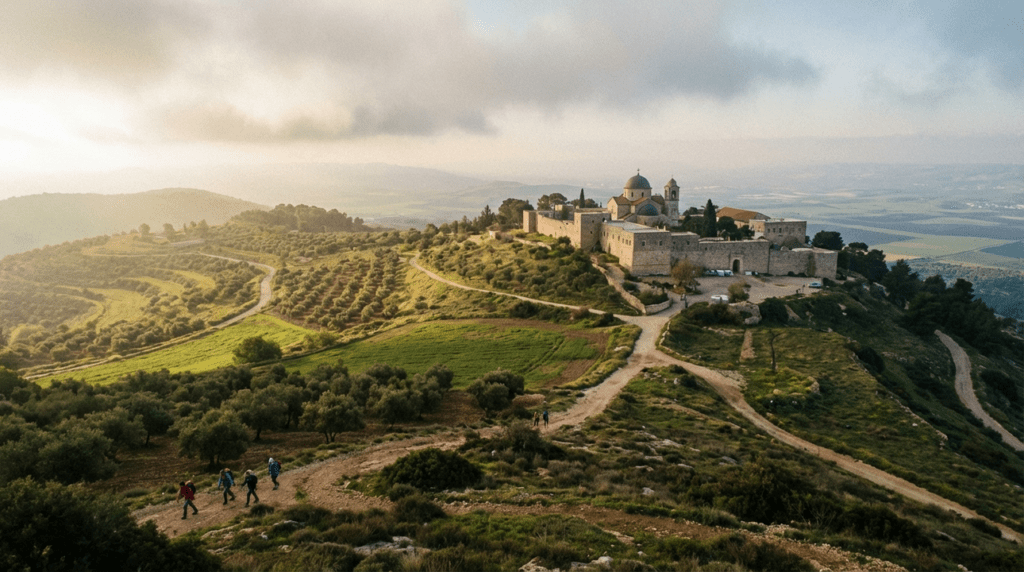

Mount Tabor stands out as a landmark of both geographical and spiritual significance in the Hebrew Bible. Its prominence is highlighted in several biblical narratives, such as the story of Deborah and Barak in Judges 4, where it becomes a site of military triumph.
In addition to its battlefield legacy, Tabor is mentioned in the Psalms as a symbol of strength and beauty (Psalm 89:12). In this article, we delve into the name ‘Tabor,’ exploring its historical context and its role in Israel’s story.
Understanding Tabor’s Name in Hebrew
The name ‘Tabor’ itself holds a special place in Israel’s history. While its exact etymology is not definitively known, some scholars suggest it could be related to a root meaning ‘break’ or ‘purity.’
Tabor emerges as a natural landmark in Northern Israel, historically mentioned as a boundary mark and a site of significant events, such as the battle led by Deborah and Barak (Judges 4). This mountain’s name evokes both its physical majesty and the pivotal events it hosted.
from the Western Wall to Masada.

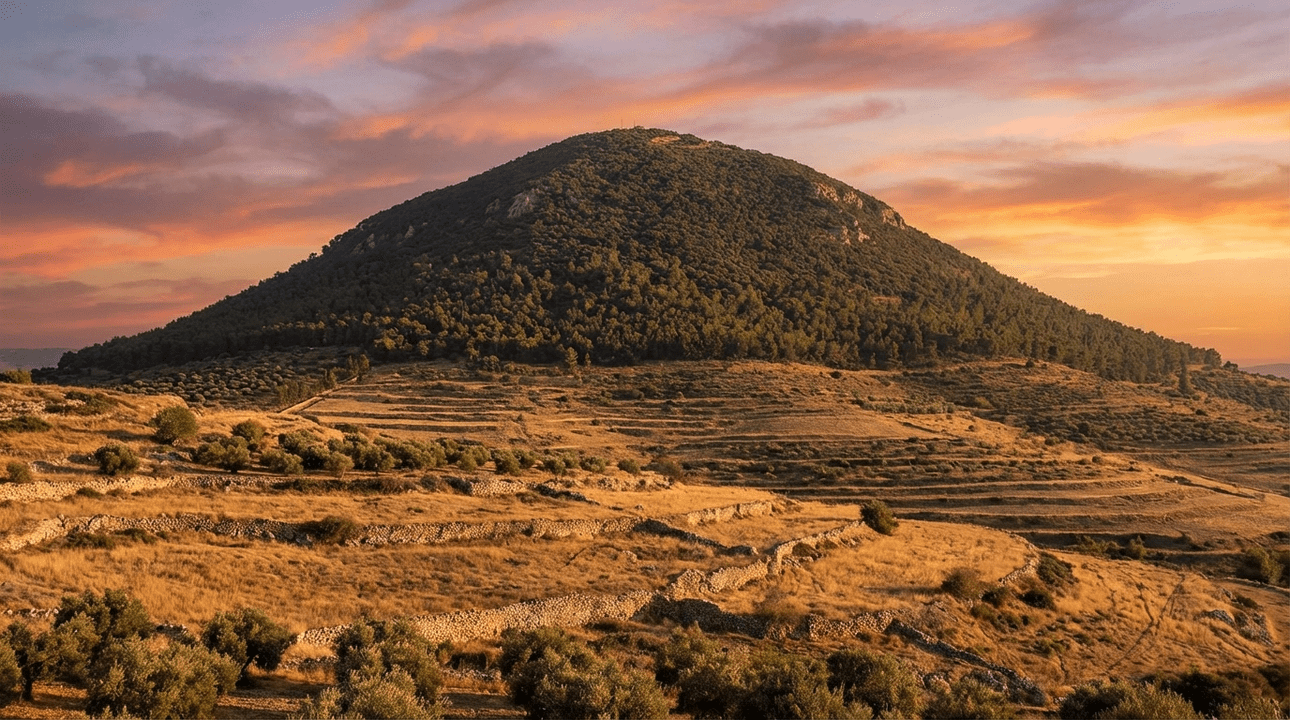
The etymology of ‘Tabor’ may also connect to its rounded shape, resembling a navel or a mound. This physical characteristic adds to its symbolic significance in the landscape. Tabor’s name and form contribute to its role as a landmark in Israel’s history.
Its presence in biblical narratives highlights its importance as both a geographical and symbolic entity, anchoring stories of faith and courage in the collective memory of the people.
Mount Tabor first appears in the context of defining the border of tribal lands. In Joshua 19:22, it marks the boundary line for the tribes of Zebulun, Issachar, and Naphtali. This association roots Tabor firmly in the landscape of Israel’s early tribal society.
Its role as a boundary marker emphasizes its importance in defining territorial inheritance. It served as a geographic touchstone, helping shape the map of ancient Israel and anchoring the tribes in their promised land.
Tabor’s position as a boundary marker highlights its significance in the distribution of land among the tribes. This delineation was crucial for establishing tribal identities and territories.
The mountain’s presence in this context underscores its role in the historical and cultural landscape of Israel. It served as a landmark that helped define the boundaries of tribal lands, anchoring the tribes in their ancestral heritage and identity.
Tabor in Biblical Narratives
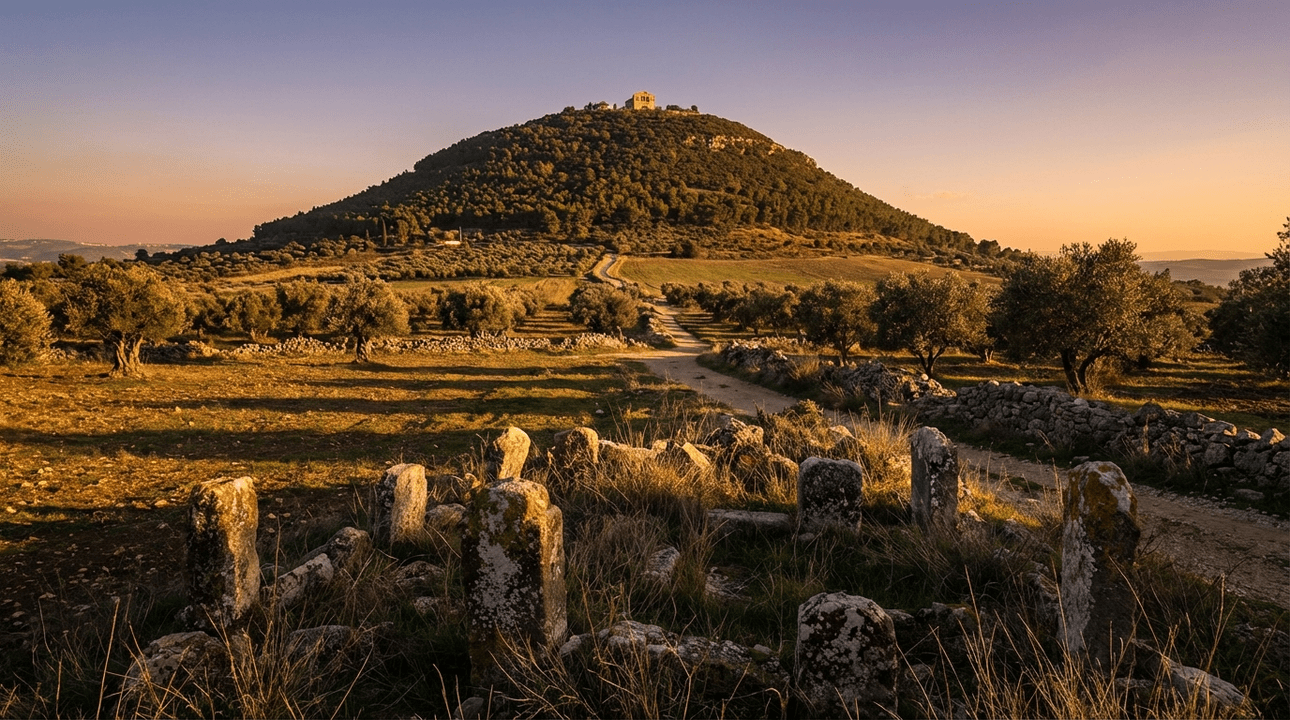
The judges period in Israel’s history brings Mount Tabor into the spotlight. Judges 4 recounts the story of Deborah and Barak leading the Israelites to victory against Sisera at this location. This battle underscores its prominence as a site of deliverance.
Deborah, a prophetess and judge, summoned Barak to lead an army from Tabor, emphasizing its strategic importance. Here, the mountain became not only a physical battlefield but also a symbol of divine intervention and victory.
The victory at Tabor is celebrated as a testament to courage and faith, as seen in the Song of Deborah (Judges 5). This poetic account immortalizes the triumph and highlights Tabor’s role in Israel’s collective memory.
The mountain’s association with such pivotal events reinforces its place in the narrative of Israel’s history. It stands as a testament to the courage and faith of those who fought there, embodying the spirit of resilience and divine support.
Beyond the Book of Judges, Tabor’s role in prophecy accentuates its significance. Prophets like Hosea (Hosea 5:1) mention Tabor to illustrate themes of judgment and redemption. By using a well-known landmark, they communicated deeper theological truths.
In Hosea’s context, Tabor is juxtaposed with other sites to highlight Israel’s moral failings, serving as a cautionary symbol. This usage demonstrates how physical places like Tabor carried metaphorical weight, reinforcing messages of moral and spiritual importance.
The prophet Jeremiah also alludes to Tabor in Jeremiah 46:18, comparing its prominence to that of Mount Carmel. This comparison underscores Tabor’s geographical and symbolic significance in the prophetic literature.
Such references illustrate how Tabor was not only a physical landmark but also a metaphorical one, representing divine judgment and the potential for redemption. These prophetic mentions add layers to Tabor’s role in the spiritual narrative of Israel.
Tabor’s Role in Israel’s Geography
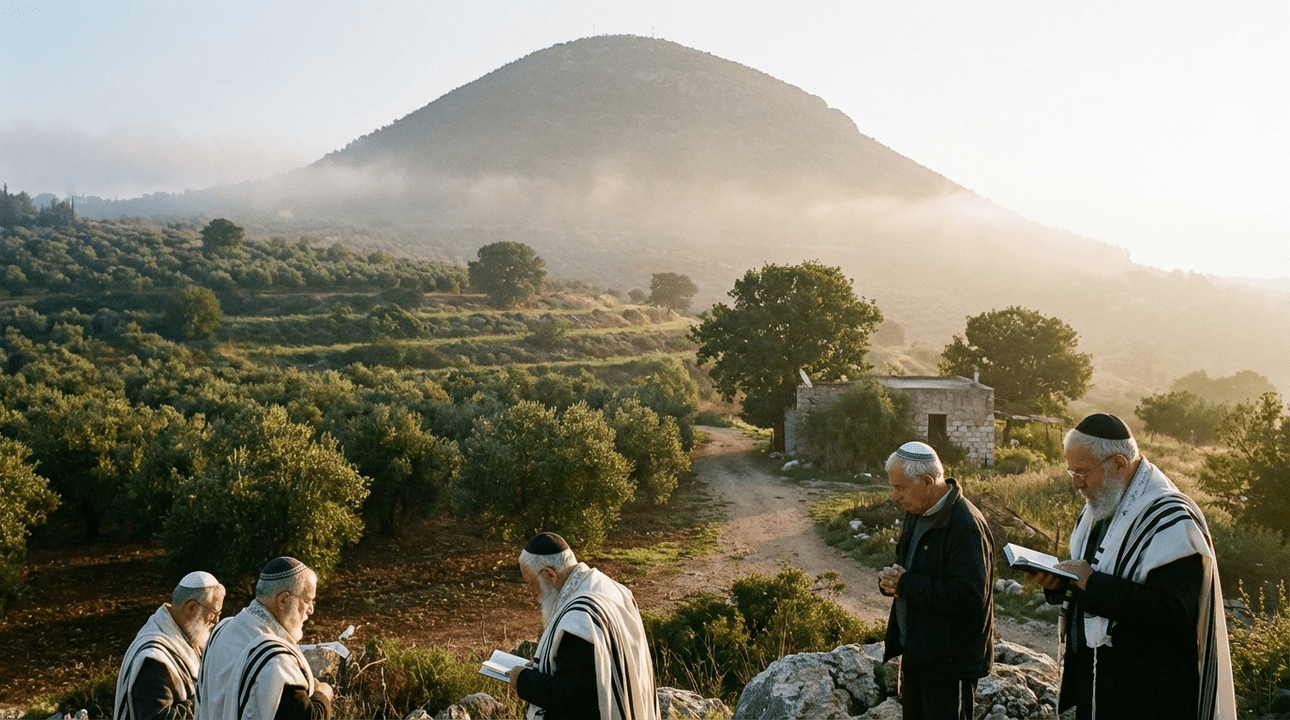
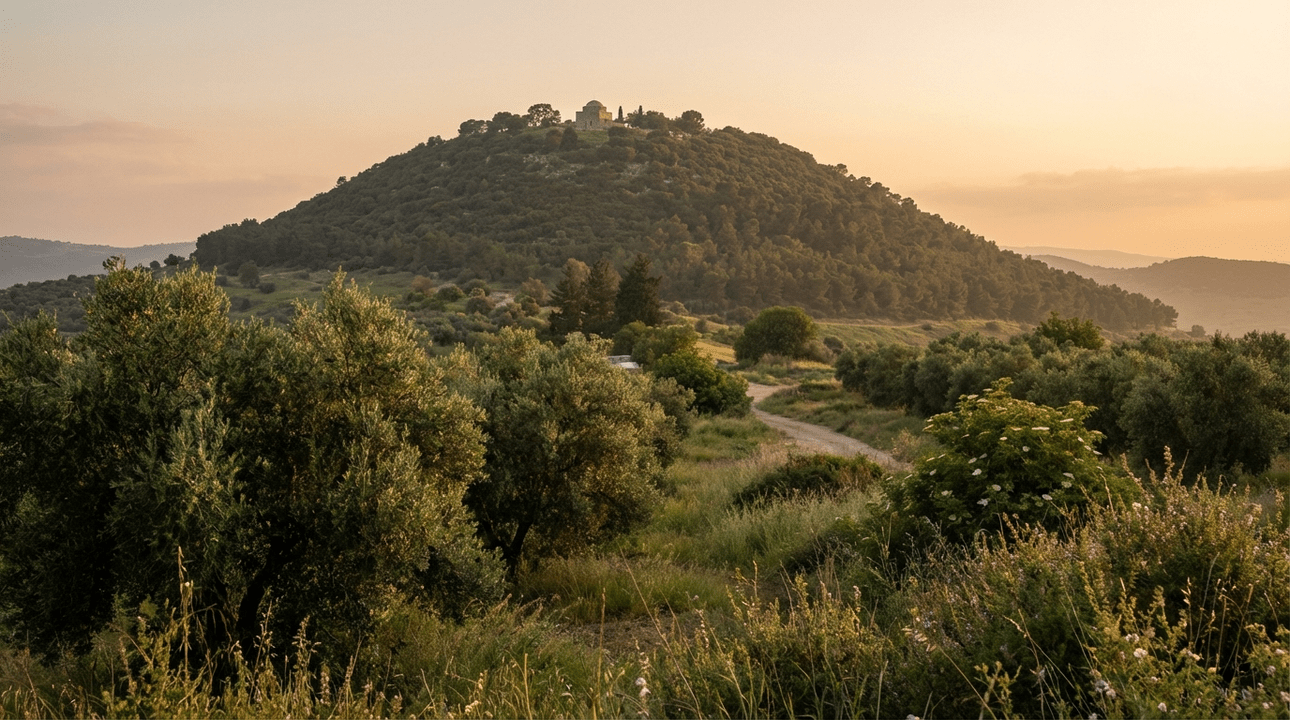
Standing distinctively against the surrounding plains, Tabor’s visibility made it a familiar landmark. Its rounded shape rises about 1,843 feet above sea level, offering panoramic views crucial for both defense and monitoring the region.
This geographical prominence further links Tabor to stories of battles and gatherings, such as the battle led by Deborah and Barak (Judges 4:14). Its elevated position physically manifested the high stakes of the events that unfolded there.
The strategic advantage provided by Tabor’s height allowed for effective military planning and observation. Its elevation offered a vantage point for leaders like Deborah and Barak to rally their forces.
Tabor’s physical prominence thus contributed to its symbolic role in biblical narratives, where it served as a stage for pivotal events. The mountain’s visibility and strategic location reinforced its importance in the historical and spiritual landscape of Israel.
In the context of pilgrimage, Tabor served as a point of assembly, a tradition that maintained its status as a spiritual and communal hub in Israel’s cultural memory.
The mountain’s accessibility and visibility made it a natural gathering place, infusing it with both sacred significance and practical function. For instance, in the Book of Judges, Tabor is noted as a site where Deborah and Barak assembled their forces (Judges 4:6).
Thus, Tabor continued to inspire reflection and connection within the wider narrative of the land.
Tabor in Jewish Tradition and Thought
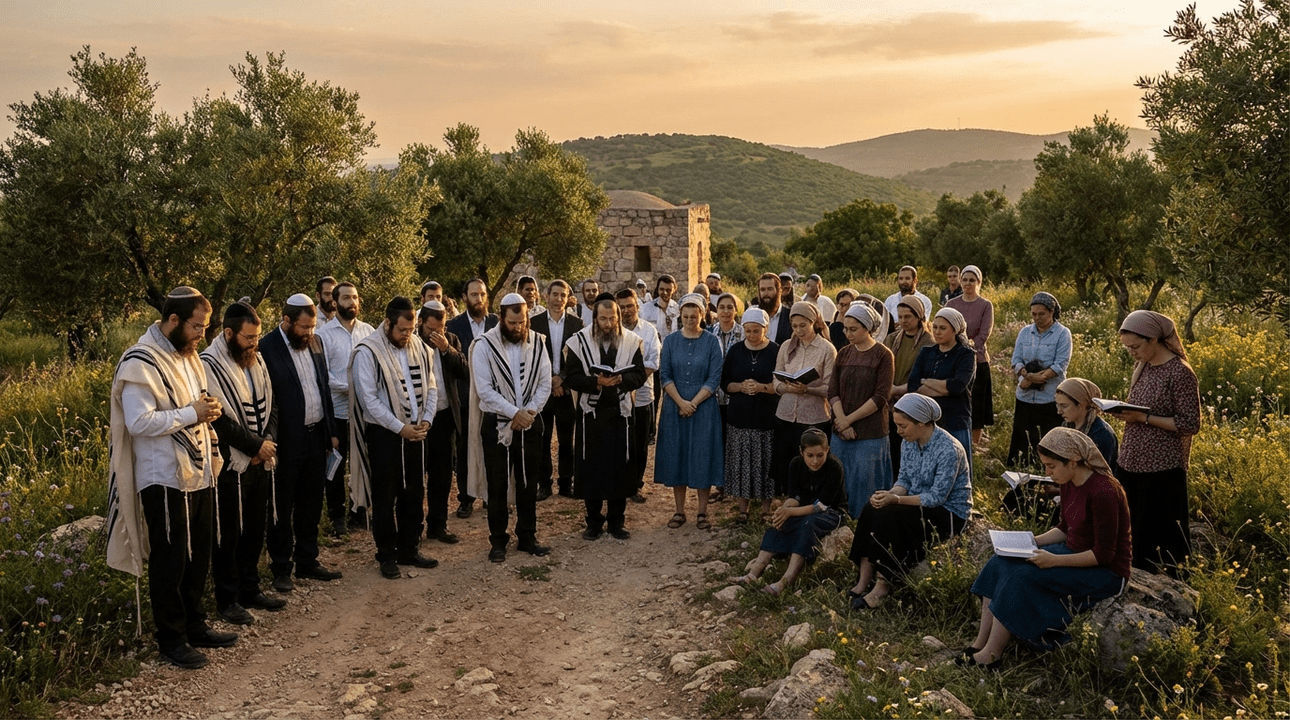
Throughout Jewish liturgical tradition, Tabor is celebrated as a place of historical and spiritual significance. The Psalms sometimes evoke Tabor alongside other geographical markers of divine intervention and covenant.
These usages remind the worshipper of divine actions in specific locations, grounding faith in the physical landscape of Israel. Tabor becomes a touchpoint of reflection and gratitude in Jewish prayer and thought, connecting worshippers to their heritage and shared history.
In Psalm 89:12, Tabor is mentioned alongside Mount Hermon, symbolizing the strength and stability of the land. This pairing in the Psalms highlights Tabor’s role in the spiritual narrative. The mountain’s presence in liturgical texts underscores its significance in Jewish worship and tradition.
It serves as a reminder of the enduring connection between the people and the land, fostering a sense of continuity and identity through shared stories and prayers.
from the Western Wall to Masada.
In post-biblical literature, Tabor retains its resonance. Jewish thinkers reference it as part of the broader tapestry of Israel’s sacred geography. This continuity from biblical to later Jewish texts underscores the lasting impact Tabor had on cultural identity.
For instance, in the Talmud, Tabor is mentioned as a place of beauty and significance. This reference connects generations through shared stories and experiences, maintaining its place in Jewish thought and cultural memory.
The Talmudic mention of Tabor often highlights its aesthetic and spiritual appeal, linking it to divine encounters and sacred narratives. This connection enriches the cultural tapestry of Jewish history.
Tabor’s enduring presence in Jewish literature serves as a testament to its historical and spiritual significance. Its role in post-biblical texts continues to inspire reflection on the sacred geography of Israel and its impact on Jewish identity.
Mount Tabor in Modern Context
Today, Mount Tabor continues to be a symbol within both religious and secular contexts. Its biblical associations draw visitors from around the world, adding to its cultural richness. As a site of pilgrimage, it fosters a deepened connection with the land and its ancient stories.
Modern perspectives blend with historical narratives, keeping Tabor alive in the present day. People seek to connect with the spiritual and historical roots of the region, enriching their understanding and appreciation.
Tabor’s role as a pilgrimage site highlights its ongoing significance in both religious and cultural contexts. Visitors are drawn to its biblical associations and the stories that have shaped its legacy.
The mountain’s presence in contemporary narratives underscores its enduring impact on cultural identity. It serves as a bridge between past and present, inviting exploration and reflection on the spiritual and historical roots of the region.
In cultural references, Tabor represents themes of permanence and stability. It evokes an image of enduring presence within the changing landscapes of history and belief. For example, in Psalm 89:12, Tabor is mentioned alongside Mount Hermon, symbolizing the enduring strength of the land.
This pairing in the Psalms highlights its role as a symbol of steadfastness. Thus, Tabor remains a powerful symbol, bridging the past with contemporary identity and serving as a reminder of enduring faith.
The association of Tabor with unwavering strength is further seen in its geographical prominence, standing tall amidst the surrounding plains. This physical presence reinforces its symbolic role in the biblical narrative.
Tabor serves as a reminder of how landscapes hold the stories of people and their journeys. Its enduring presence in scripture and culture underscores its role as a symbol of stability and continuity through the ages.
Conclusion: The Enduring Legacy of Tabor
Mount Tabor’s legacy in Israel’s narrative is multifaceted. As a biblical landmark, it is mentioned in Joshua 19:22 as a boundary marker for the tribes of Zebulun, Issachar, and Naphtali.
It also symbolizes divine encounters, such as when Deborah and Barak led the Israelites to victory against Sisera (Judges 4:14). The mountain epitomizes how physical locations can transcend their immediate context to embody profound meanings.
Tabor invites continued exploration and appreciation of its historical and spiritual significance.
Tabor’s role as a site of divine intervention and victory adds layers to its narrative. The stories associated with it highlight its importance as a symbol of faith and resilience.
The mountain’s presence in biblical accounts underscores its role in shaping the spiritual and cultural identity of Israel. Tabor’s legacy invites reflection on the enduring impact of these narratives, connecting past events with contemporary appreciation and exploration.
Mount Tabor carries a legacy that intertwines geography and spirituality. Its place in Hebrew scripture and tradition highlights its historical and cultural richness. Visiting Tabor offers an opportunity to connect with these enduring stories.
For example, its association with the prophet Deborah in Judges 4 adds to its narrative depth. Its significance continues to inspire and deepen our appreciation for the biblical landscape, inviting reflection and exploration.
Tabor’s role in biblical events, such as the battle against Sisera, marks it as a site of divine intervention. This historical context enhances its spiritual allure, drawing visitors who seek to walk in the footsteps of ancient leaders.
The mountain stands as a witness to the events and narratives that have shaped the history of Israel. It invites both reflection on past victories and exploration of its enduring influence on cultural and spiritual identity.
Biblical and Historical Context
