
Exploring the Significance of the Temple of the Lord
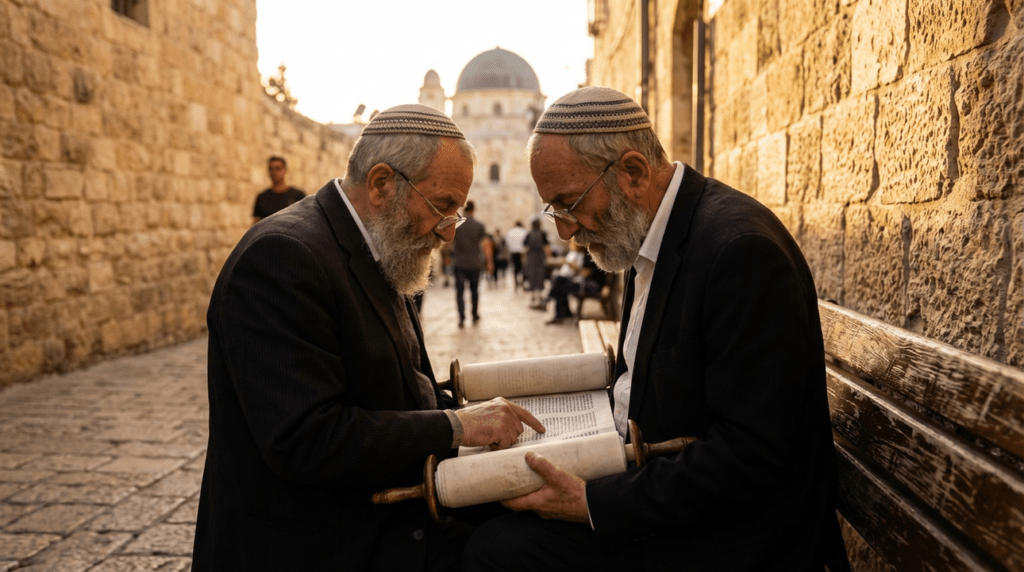

The Temple of the Lord stands as one of the most profound symbols within the biblical narrative. Throughout the Hebrew Bible, it signifies not only a place of worship but a deeper covenantal relationship between the divine and humanity. In 2 Chronicles 7:1-3, the dedication of Solomon’s Temple is described as a moment when divine presence filled the house.
In this article, we will explore the multifaceted role the Lord’s Temple played in the spiritual and cultural life of ancient Israel.
The Lord’s Temple was a cornerstone of ancient Israelite culture, serving as a spiritual and communal center that continues to resonate in Jewish memory and practice.
from the Western Wall to Masada.
The Construction of the First Temple
The First Temple, also known as Solomon’s Temple, was constructed in the 10th century BCE. King Solomon, son of King David, initiated its construction in Jerusalem on Mount Moriah, a site of profound biblical significance.
The temple became the center of Jewish worship and the dwelling place of the Ark of the Covenant. The biblical account in 1 Kings 6 details its architectural grandeur and sacred purpose.
It’s described as a house built for the name of the Lord, serving as a physical space where divine presence could be felt most intensely.
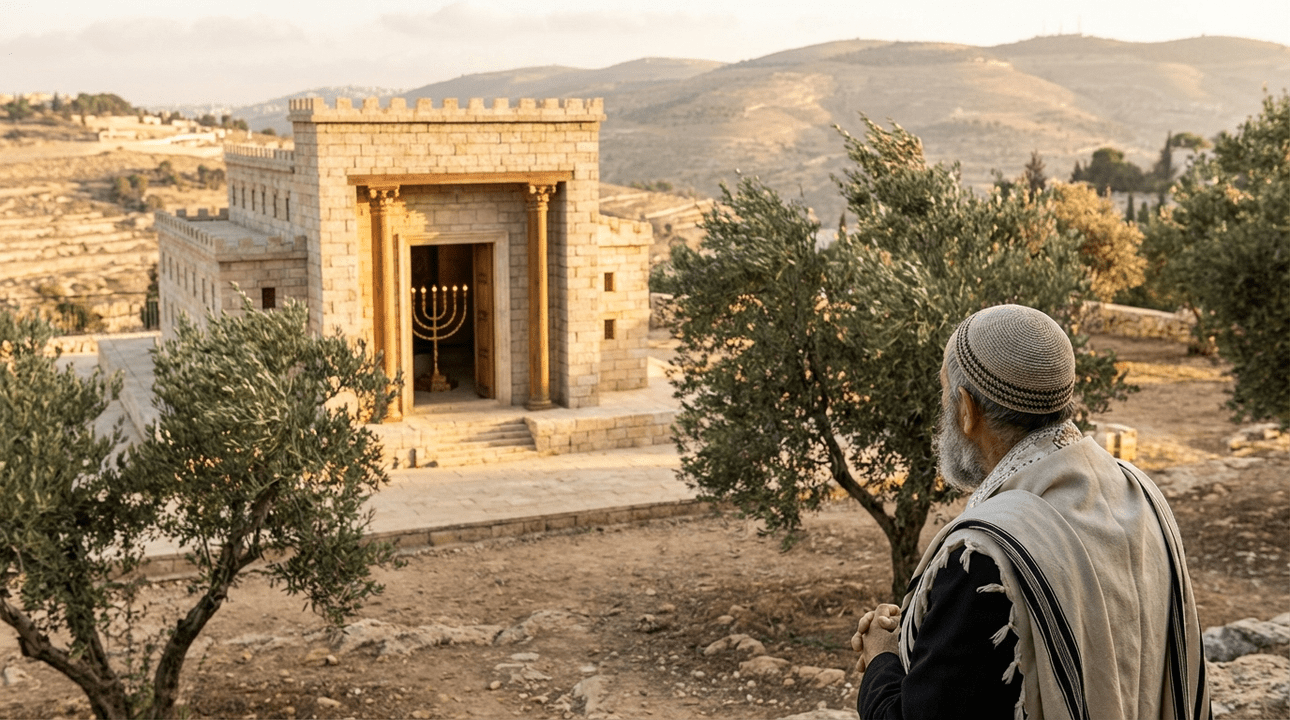
Within its walls, priests performed rituals that included sacrifices and burnt offerings, central acts in ancient Jewish religious life. The First Temple was not just a building, but a symbol of Israel’s unity and covenant with the divine, as seen in 2 Chronicles 5:13-14.
The sacred rituals performed within its confines were critical for maintaining the spiritual life of the nation, serving as a focal point for communal worship and identity.
The First Temple was a cornerstone of Jewish religious life, embodying the unity and faith of the Israelite nation.
The Temple’s Significance in Jewish Life
The Temple served as the spiritual heart of Jewish life, and its significance extends beyond its physical structure. It was considered a place where heaven and earth intersected, a site where prayers ascended directly to the divine.
The Temple’s role is prominently featured in the Psalms, where it is often portrayed as a source of joy and divine blessing, such as in Psalm 122: ‘I rejoiced with those who said to me, “Let us go to the house of the Lord.
”’ This highlights the temple’s place as a communal site of worship and spiritual nourishment.
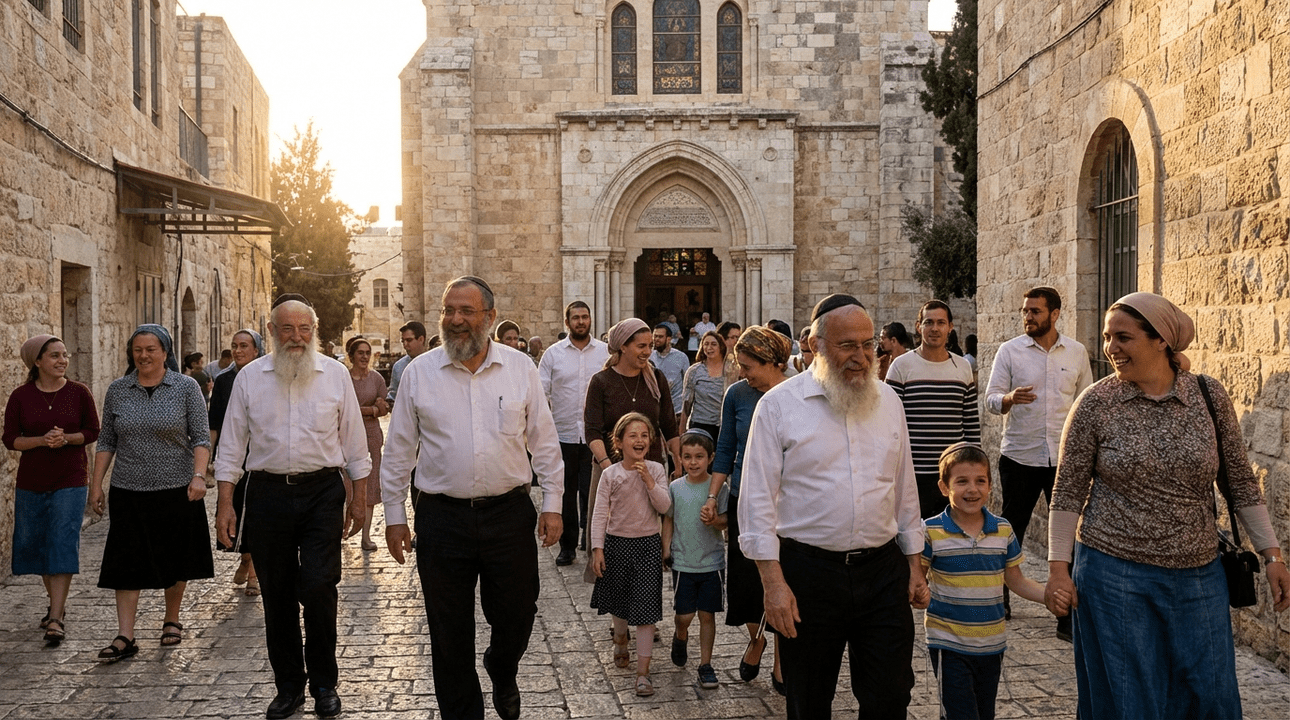
Furthermore, the Temple rituals symbolized broader themes of purification and atonement. The annual Yom Kippur rituals, described in Leviticus 16, were seen as the most sacred actions possible, mediating forgiveness and renewal. These ceremonies reinforced the covenantal bond between the divine and Israel.
The High Priest would enter the Holy of Holies only on this day, symbolizing the people’s collective atonement and renewal.
The Temple’s rituals were not only religious duties but also profound expressions of the Jewish people’s relationship with the divine, shaping their spiritual and moral compass.
The Destruction and Its Impact
The First Temple met its tragic end in 586 BCE, when the Babylonians, led by Nebuchadnezzar, destroyed it during the conquest of Jerusalem. This event marked a significant turning point in Jewish history, leading to the Babylonian Exile.
The destruction of the Temple was not just a physical loss but a profound spiritual and cultural disturbance, leaving the Jewish people without their sacred center. Lamentations and other biblical texts convey deep sorrow and yearning for its former glory.
The Second Temple: A New Era
The construction of the Second Temple commenced in 516 BCE after the return from exile, as recorded in the book of Ezra. Significantly different in scale and structure from the First Temple, it nevertheless restored a measure of the former spiritual center.
The Second Temple period saw the development of new religious traditions and practices, such as the rise of the Pharisees and Sadducees, leaving a lasting imprint on Judaism.
The Second Temple was a period of religious and cultural evolution, shaping the future of Jewish practice and community life.
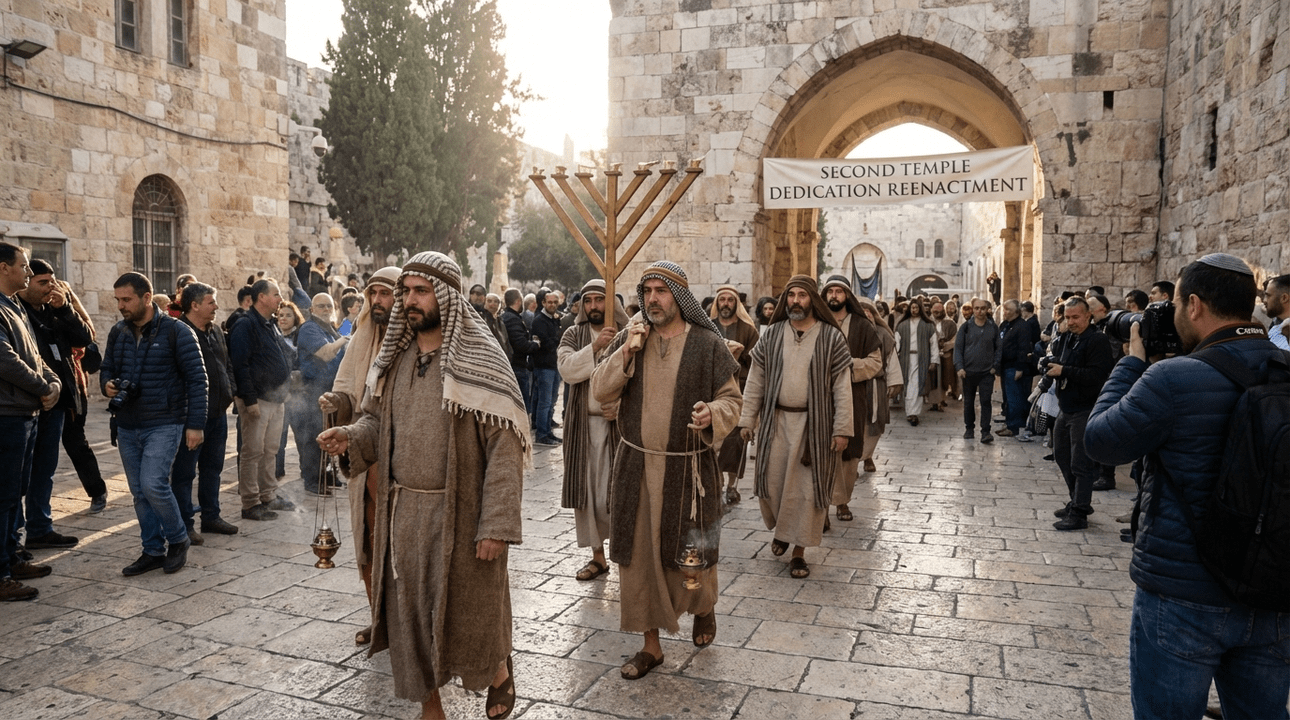
This temple stood until its destruction in 70 CE by the Romans, again leaving the Jewish people without their sacred site. This loss prompted further theological reflection, emphasizing internal and communal worship and strengthening synagogue practices.
The destruction is detailed in historical accounts, such as those by Josephus, highlighting the impact on Jewish life and identity.
from the Western Wall to Masada.
The loss of the Second Temple reshaped Jewish worship and identity, fostering a spirit of resilience and adaptation that continues to influence Jewish life today.
Ritual Practices in the Temple
A variety of rituals were performed in the Temple, reflecting different aspects of Jewish devotion and law. These included offerings, sacrifices, and numerous festivals outlined in the Torah, such as Passover and Sukkot. The daily offering, or Korban Tamid, was a significant ritual mentioned in Numbers 28:3-8, symbolizing continual devotion.
The lighting of the menorah within the Holy Place, as described in Exodus 27:20-21, served as a reminder of divine presence and guidance.
Temple rituals were central to Jewish religious life, offering a structured way to express devotion and maintain a communal identity.
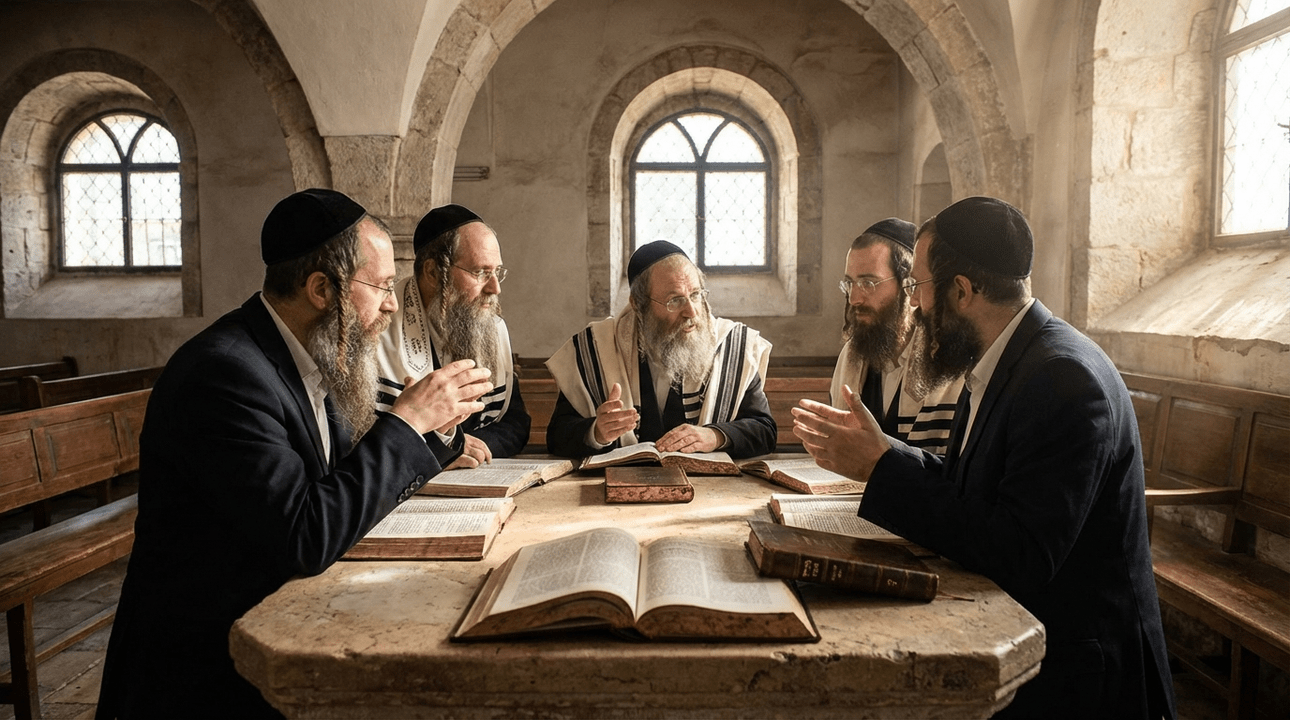
Each act performed within the temple walls was rich with spiritual meaning, seen as essential to maintaining the covenant. Ritual purity laws were particularly emphasized, underscoring the need for holiness in the service of God.
The High Priest played a critical role, especially during Yom Kippur, entering the Holy of Holies to atone for the sins of the nation. These practices not only defined the temple’s religious role but also its social and communal importance.
The Temple’s Legacy
Despite the physical destruction of the temples, their legacy continues to influence Judaism today. Synagogues often incorporate elements reminiscent of the ancient temple, such as the Ark, symbolizing continuity. The longing for a rebuilt temple remains part of Jewish eschatological hope, featured in prayers like the Amidah.
This hope is a testament to the enduring significance of the Temple in Jewish thought and tradition.
The Temple’s legacy endures in Jewish life, symbolizing resilience and the eternal hope for spiritual renewal and restoration.
The Lord’s Temple, known in Hebrew as Beit HaMikdash, was more than a mere architectural marvel. It was a central hub for Jewish worship and community life, as described in 1 Kings 6, where Solomon’s construction of the First Temple is detailed. This sacred site was a place where the Ark of the Covenant was housed, symbolizing the divine presence among the people.
The Lord’s Temple, known in Hebrew as Beit HaMikdash, was more than a mere architectural marvel. It was a central hub for Jewish worship and community life, as described in 1 Kings 6, where Solomon’s construction of the First Temple is detailed. This sacred site was a place where the Ark of the Covenant was housed, symbolizing the divine presence among the people.
It served as a powerful connection to Jewish history, ritual, and faith, embodying the covenant between the divine and the Israelites.
The Lord’s Temple was not just a building; it was the heart of Jewish spiritual and communal life, leaving a lasting legacy on Jewish tradition and identity.
Understanding the Temple of the Lord
