
Understanding the Meaning of Salem in Hebrew Context
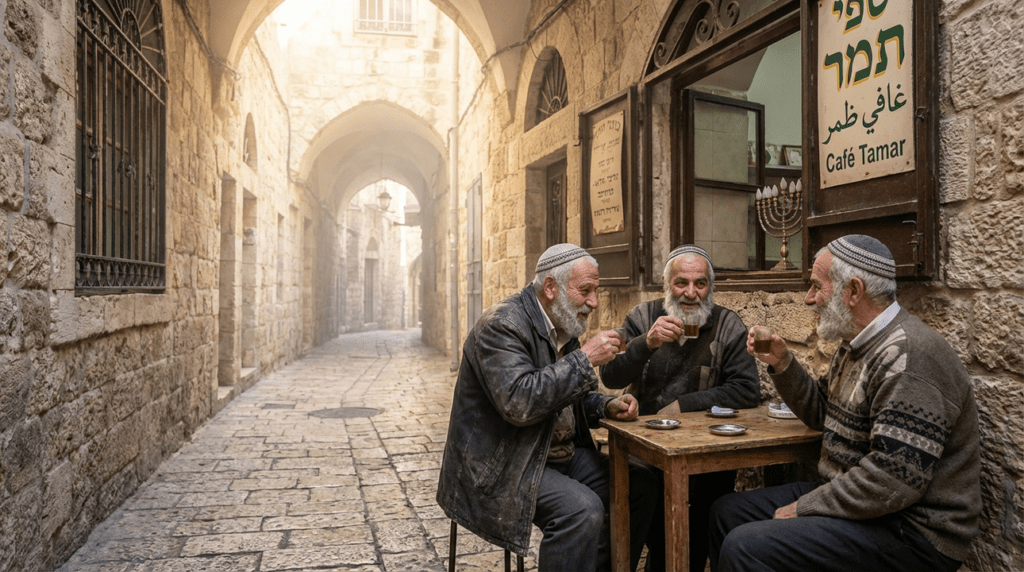

The term ‘Salem’ carries profound significance within the Hebrew Bible. It is shrouded in mystery, appearing only briefly, yet linking to powerful concepts like peace and the ancient city that would become Jerusalem.
In Genesis 14:18, Salem is mentioned as the kingdom of Melchizedek, a figure of peace and righteousness. This article journeys into the depth of the name’s meaning, exploring its biblical context and significance through stories and scriptures that highlight its role in religious and cultural history.
Salem’s biblical roots are deeply tied to stories like that of Melchizedek, who is mentioned in Genesis 14:18 as the king of Salem. This connection enriches our understanding of themes such as peace and righteousness, which are central to its historical and cultural significance.
Melchizedek’s role as both king and priest highlights the importance of spiritual leadership and justice, serving as a model for harmonious governance. This dual role continues to inspire and inform Jewish teachings and values.
In short: Salem’s biblical roots in stories like that of Melchizedek connect it to themes of peace and righteousness, enriching our understanding of its historical and cultural significance.
The Meaning of Salem in Hebrew
The name ‘Salem’ is believed to derive from the Hebrew word ‘shalom,’ meaning peace. It appears in the Book of Genesis as the home of Melchizedek, a priest and king associated with peace and righteousness.
Genesis 14:18 describes how Melchizedek, king of Salem, brings out bread and wine to bless Abram. This moment connects Salem to themes of hospitality and divine favor. The etymological link between Salem and ‘shalom’ suggests a foundation of harmony, both with the divine and amongst people.
This interpretation comes to life through Melchizedek’s story, elevating Salem beyond a simple name.
Melchizedek is a pivotal figure briefly featured in the Bible, whose actions and identity intrigue scholars and faithful alike. He is recognized as a king and priest, roles that set him apart within biblical narration.
His connection to Salem offers a serene and sacred atmosphere that’s reflected in his encounter with Abram. The fact that he is both a king and a priest symbolizes a unity of civil and spiritual authority embodied within one place: Salem.
This encounter enriches our understanding of Salem’s significance and its role as a spiritual and political center during biblical times.
Salem as an Ancestor of Jerusalem
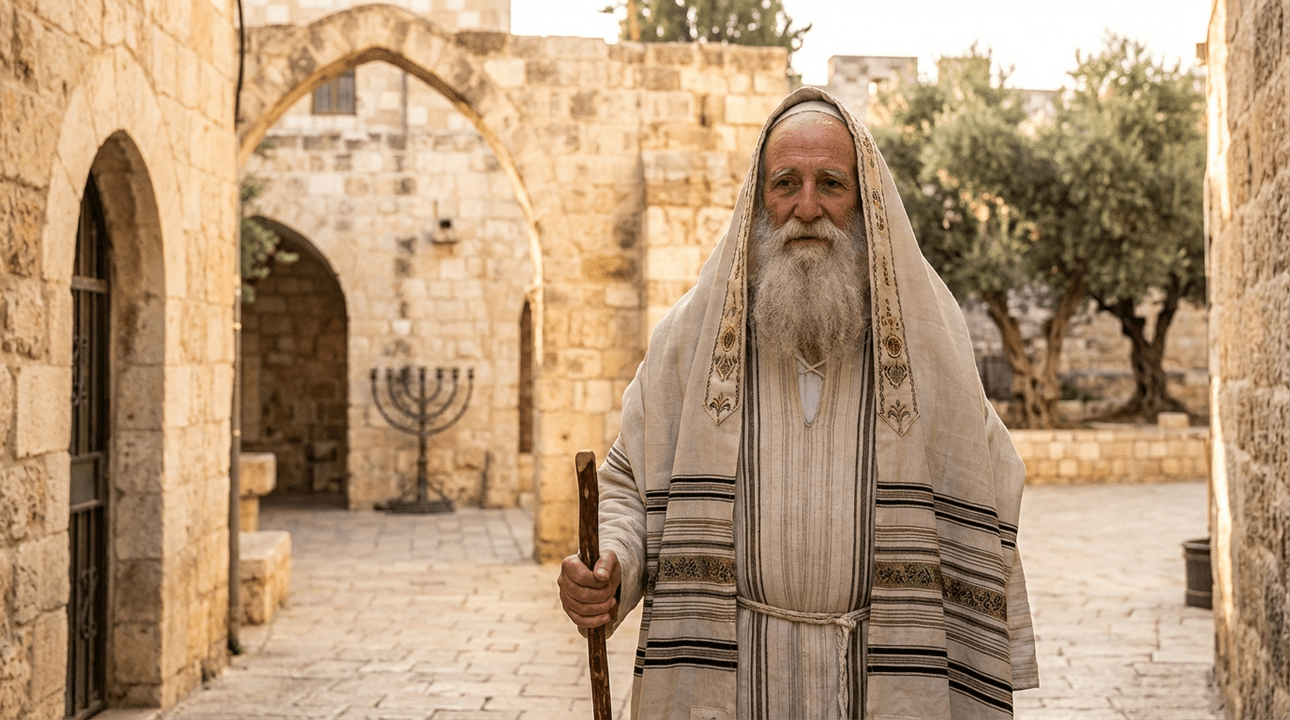
Salem is often identified with Jerusalem, especially when examining Psalm 76:2, which states, ‘His tabernacle is in Salem; His dwelling place also is in Zion.’ This association hints that Salem, as Jerusalem’s predecessor, was a significant spiritual center even before the Temple’s construction.
It signifies ongoing divine presence and the enduring peace that both Salem and Jerusalem represent. The conflation of Salem and Jerusalem provides a rich tapestry of historical and theological continuity, bridging past settlements with future spiritual grandeur.
The ancient city’s development from Salem to Jerusalem mirrors a journey from simplicity to sanctity. Over time, Jerusalem came to symbolize not only a geographical location but a spiritual identity deeply embedded in Jewish consciousness.
Salem, seen as the city’s root, maintains its role as the bedrock of peace and divine communion. The transformation from Salem to Jerusalem demonstrates a continuity of holiness and serves as a testament to persistence in faith and divine connection.
This history reinforces the concept of peace linked with Salem, seen through the unbroken relationship between God, land, and people.
Cultural and Religious Impact of Salem
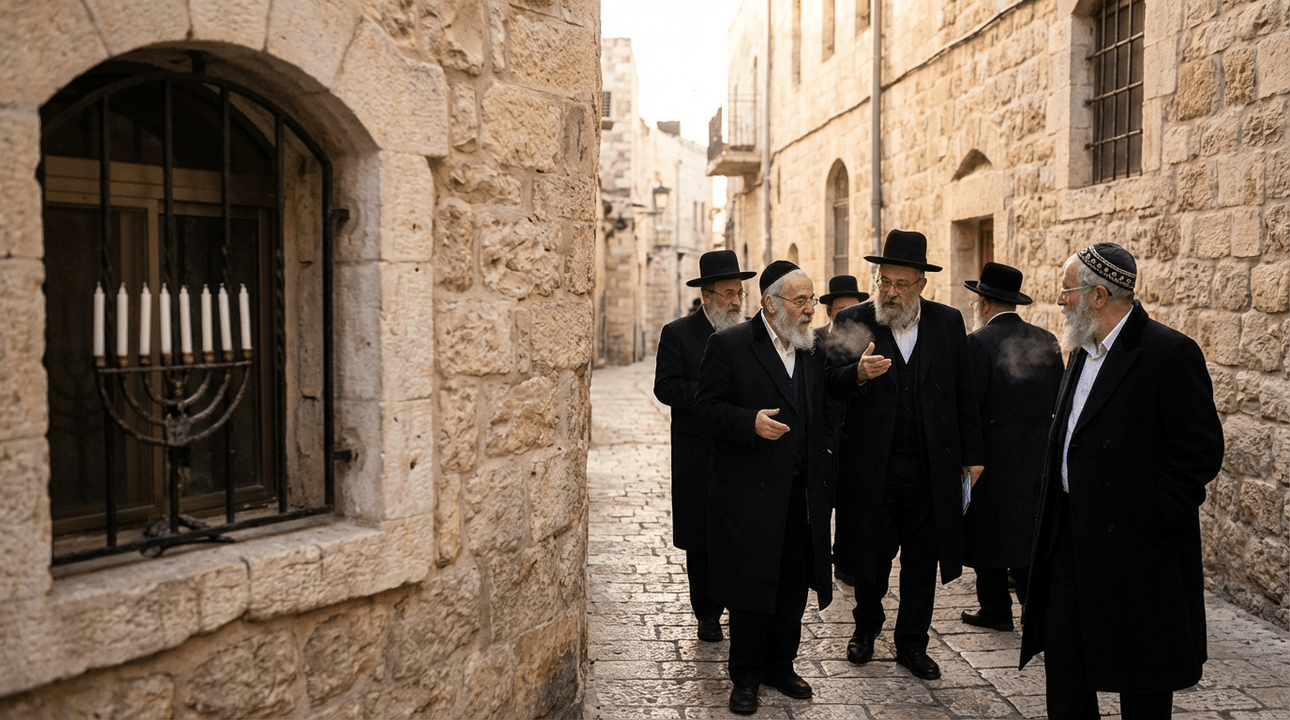
Salem’s influence extends beyond its biblical appearance. In later Jewish thought, Salem embodies ideals of justice and priesthood, inspired by Melchizedek’s example. The Book of Hebrews in the New Testament also references Melchizedek, highlighting his role as a priest-king.
Scholars have long pondered Salem’s role within the broader narrative, appreciating its contribution to Jewish understanding of kingship and priestly duties.
The legacy of Salem reflects the aspiration for a world where peace and divine service harmoniously coexist, ideals central to Jewish theology and cultural expression.
Salem’s legacy as a symbol of justice and priesthood is deeply embedded in Jewish thought. Melchizedek, the king of Salem, is a key figure, representing righteousness and spiritual leadership in Genesis 14:18. His role as both king and priest embodies the ideal of harmonious leadership.
This dual role has been a source of inspiration for generations, symbolizing aspirations for peace and justice. The influence of Salem extends into Jewish teachings, where it continues to serve as a model for ethical and spiritual guidance.
In short: Salem’s legacy as a symbol of justice and priesthood continues to influence Jewish thought, embodying aspirations for peace and harmonious leadership.
This symbolic significance has transcended generations, underpinning teachings, prayers, and meditations within Jewish tradition. Rabbinic literature often references Salem as a model of ideal governance, where spiritual and temporal leadership jointly guide the community.
The Talmud discusses Salem in relation to Melchizedek’s role as both king and priest, symbolizing a harmonious balance of power. The evolution of Salem into an emblematic image emphasizes a Biblical ideal of peace, integral to Jewish hopes and prayers.
In rabbinic literature, Salem is often highlighted as a model for balanced leadership and peace. This is evident in the Talmud, where discussions about Melchizedek’s dual role as king and priest in Genesis 14:18 emphasize the importance of harmony between spiritual and temporal powers.
The city of Salem, associated with Jerusalem, is seen as a place where peace and justice coexist, reflecting core Jewish values. These narratives continue to influence Jewish thought and teachings, emphasizing the importance of balanced leadership.
In short: Salem’s role in rabbinic literature highlights its significance as a model for balanced leadership and peace, reflecting core Jewish values.
Salem’s Modern Interpretations and Connections
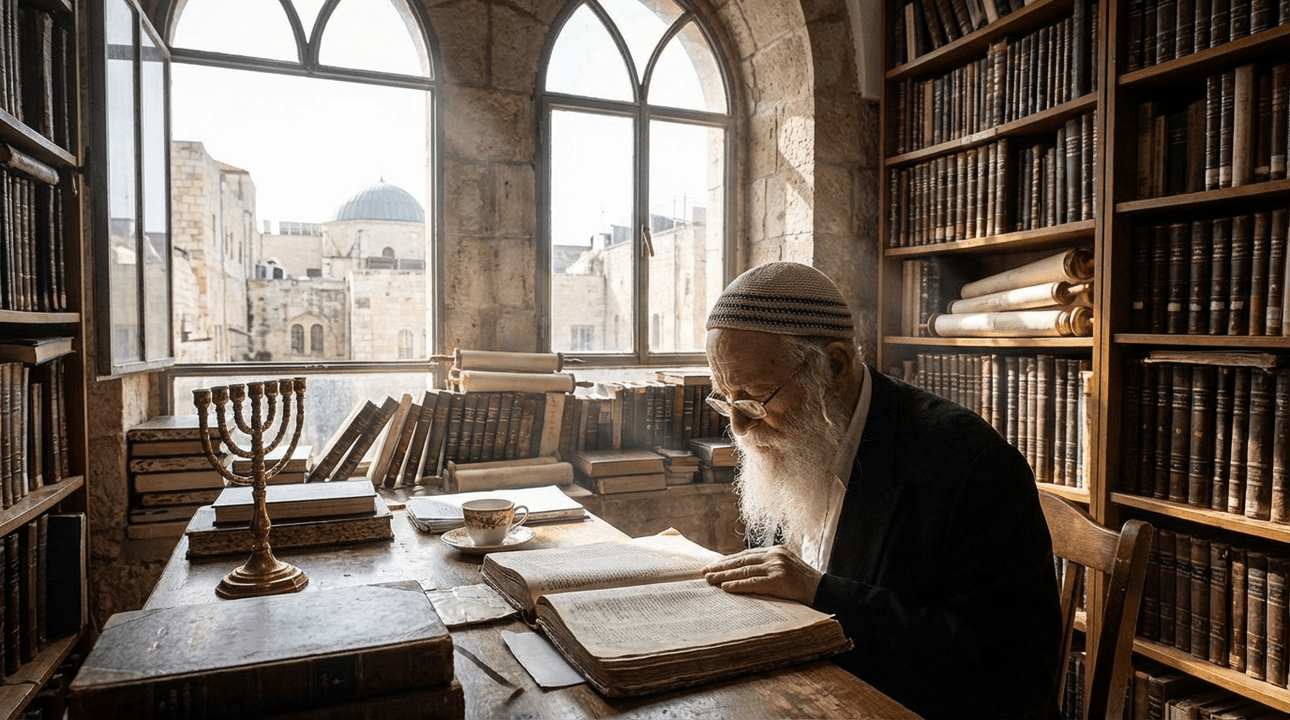
In contemporary times, the concept of Salem continues to inspire artists and thinkers, reflecting peace and spiritual connection. Films, literature, and music have adopted the imagery of Salem as a symbol of serenity and aspiration for divine closeness.
The city of Jerusalem, once known as Salem, is often depicted in art as a symbol of peace. These modern interpretations extend the narrative of Salem, reaching beyond religious confines to touch secular themes of unity and worldwide peace.
Modern interpretations of Salem in art and culture highlight its timeless message of peace and unity. Artists and creators draw upon its biblical roots to convey themes of harmony and reconciliation, resonating with both religious and secular audiences.
For example, the city of Jerusalem, once known as Salem, is often depicted in literature and film as a symbol of hope and peace. These creative expressions extend the narrative of Salem, bridging ancient ideals with contemporary visions of unity.
In short: Salem’s modern interpretations in art and culture highlight its timeless message of peace and unity, resonating with both religious and secular audiences.
The understanding of ‘Salem’ in these creative expressions builds upon its ancient roots, crafting a legacy that resonates globally. In popular culture, the timeless appeal of peaceful coexistence and divine harmony remains strong, drawing inspiration from Salem’s enduring name.
The biblical story of Melchizedek, who blessed Abraham in Genesis 14:18, continues to inspire themes of harmony. Through these representations, Salem transcends time, linking past biblical origins with present-day ideals of a peaceful existence.
Salem’s legacy in culture and art is a testament to its enduring message of peace. This message bridges ancient biblical origins with modern ideals, showcasing how the concept of Salem has been interpreted and reimagined over the centuries.
From the time of King David, who established Jerusalem as the capital of Israel, to contemporary artists who depict Salem as a symbol of tranquility, the legacy of Salem continues to inspire. The biblical mention in Genesis 14:18 of Melchizedek, the king of Salem, highlights its historical roots.
In short: Salem’s legacy in culture and art showcases its enduring message of peace, bridging ancient biblical origins with modern ideals.
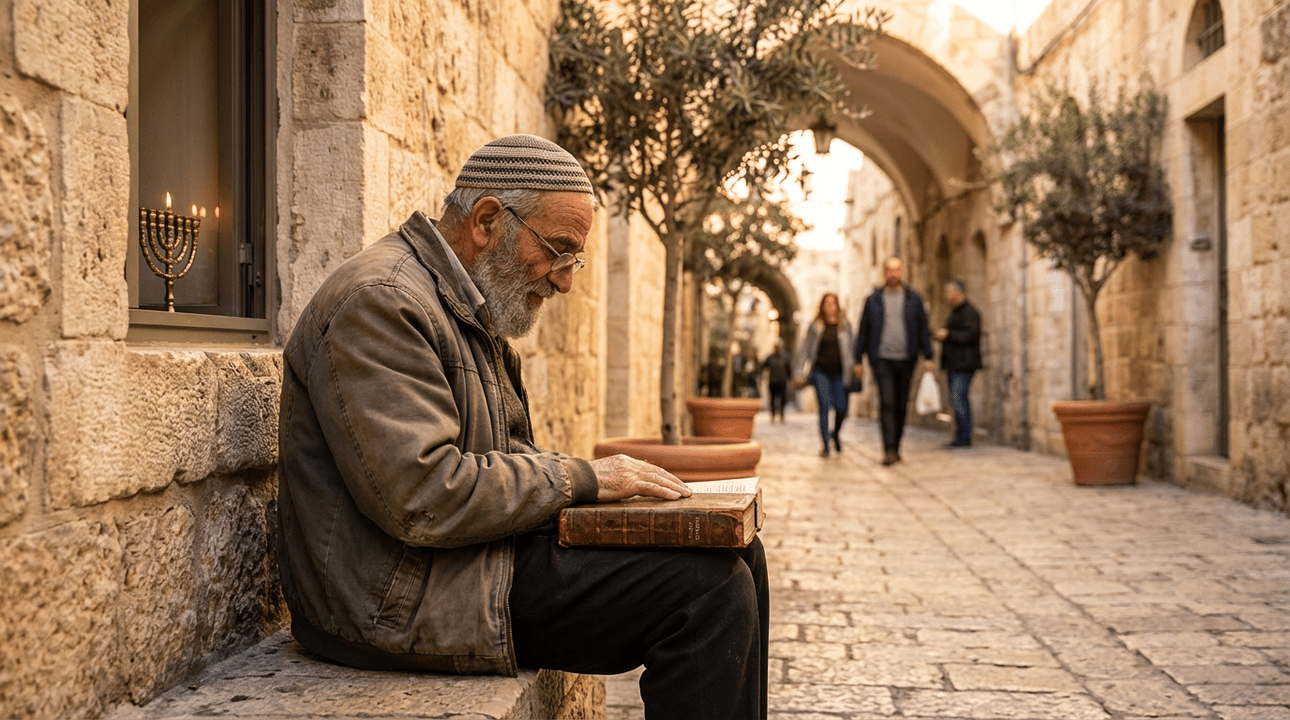
Salem: A Continuing Legacy
Understanding the meaning of Salem in Hebrew opens a window into the broader biblical landscape. The name Salem, which appears in Genesis 14:18 as the city of Melchizedek, is often associated with peace.
Melchizedek, the king of Salem, is described as a priest of the Most High. This connection to peace and spiritual sovereignty continues to inspire both ancient and modern narratives. The presence of names like Salem in the Bible reminds us of enduring legacies, bridging cultures and generations through themes that continue to inspire profound connection.
Salem represents peace and spiritual leadership, rooted in biblical stories like that of Melchizedek. In Genesis 14:18, Melchizedek is described as the king of Salem and a priest, embodying a harmonious blend of leadership roles.
This dual role serves as a bridge between ancient traditions and modern interpretations, fostering a sense of unity across time. The legacy of Salem continues to inspire those seeking peace and understanding in today’s world.
In short: Salem represents peace and spiritual leadership, rooted in biblical stories like that of Melchizedek. It serves as a bridge between ancient traditions and modern interpretations, fostering a sense of unity across time.
With its rich heritage rooted deeply in foundational texts, Salem remains a topic of fascination, inviting exploration and reflection. The stories and symbolism intertwined with Salem echo a call for thoughtful contemplation and peace within our lives today.
For instance, Psalm 76:2 mentions Salem as a place where divine presence is felt, reinforcing its spiritual significance. As we delve into these meanings, we not only learn about historical contexts but also enrich our modern understanding of biblical wisdom.
Salem’s heritage invites us to explore its deep connections to peace and spirituality. This exploration enriches our understanding of biblical wisdom and its relevance today, as seen in the story of Melchizedek in Genesis 14:18.
The name Salem, often associated with Jerusalem, evokes images of a city where divine presence and peace are intertwined. This connection invites reflection on how ancient teachings can inform our modern lives, fostering a sense of spiritual connection and understanding.
In short: Salem’s heritage invites us to explore its deep connections to peace and spirituality, enriching our understanding of biblical wisdom and its relevance today.
Salem's Biblical Context
