
Exploring the Significance of the Jordan Valley in Historical Context

The Jordan Valley runs along the eastern side of the land of Israel and holds an important place in history. Known for its fertile soil and its location on old travel routes, it was the setting for many ancient stories.
For example, the Bible describes Joshua leading the Israelites across the Jordan River here, a key moment in their journey. According to the book of Genesis, the fertile plain of the Jordan was also the setting for the cities of Sodom and Gomorrah.
The book of Genesis also tells how Lot chose to settle in the plain of the Jordan because of its fertile land. This choice points to the valley’s long reputation as a place of plenty.
That fertile land still matters today. The valley supports farming that provides a living for many of the people who live there.
This article looks at the Jordan Valley’s geography and its long history. The valley lay near important routes that carried travelers and traders between distant lands.
One famous route, the King’s Highway, ran through the highlands just east of the valley. It linked Egypt with Damascus and the lands of Mesopotamia. Trade like this brought many peoples into contact with the region.
The valley appears in many well-known accounts. In the book of 2 Kings, the prophet Elijah crossed the Jordan River and was then taken up to heaven in a whirlwind.
The land here has supported farming for thousands of years. It fed ancient communities, and it still helps feed people today.
Geographical Overview of the Jordan Valley
The Jordan Valley is a long strip of land that runs from the Sea of Galilee to the Dead Sea. It is part of the Great Rift Valley, one of the longest cracks in the Earth’s surface. Steep hills rise on either side of it.
The climate changes from north to south. The north near Galilee is green and lush. The south near the Dead Sea is dry and hot.
For thousands of years, people have farmed the valley’s fertile soil. This rich land, and its place along old routes, made it valuable in ancient times.
The Jordan River: Lifeline of the Valley
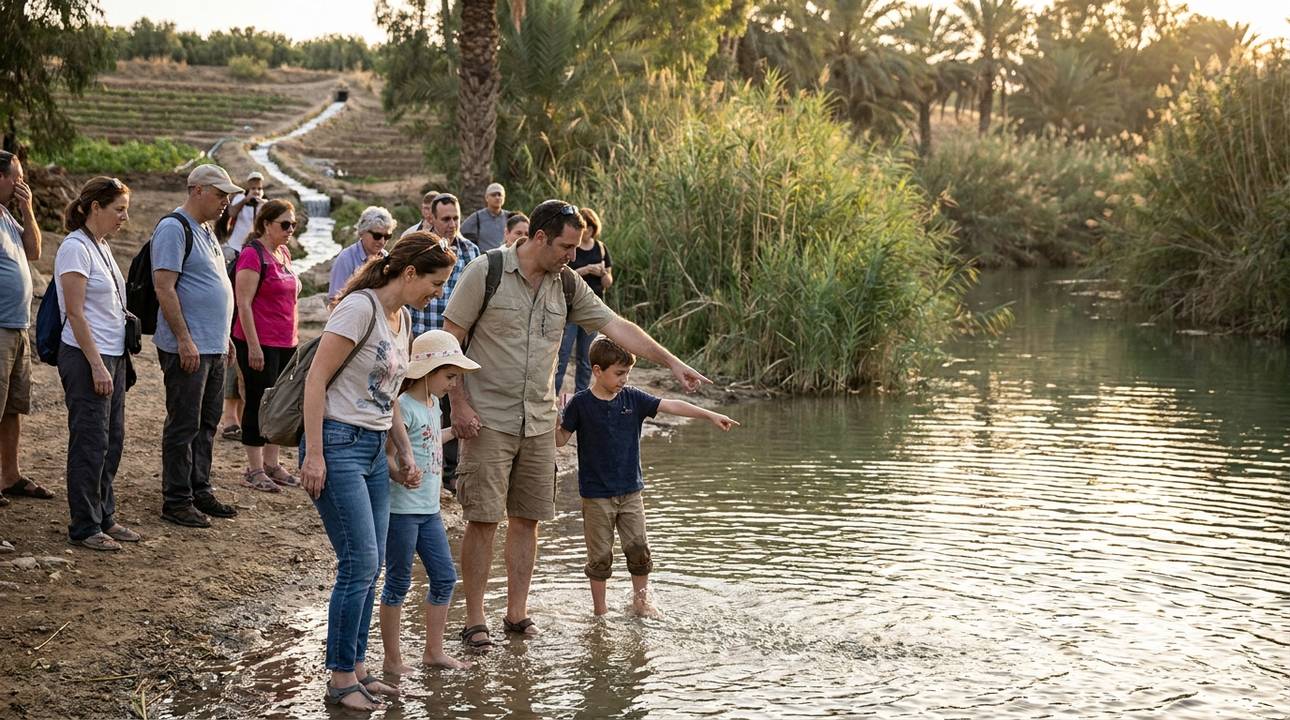
At the center of the region is the Jordan River. It has been a vital source of fresh water throughout history, watering farms and communities along its banks.
The river appears many times in the Bible. In the book of Joshua, it is the place where the Israelites crossed into the Promised Land.
The Gospels also describe the Jordan as the river where John the Baptist baptized people. For this reason it has long been linked with renewal.
Historical Civilizations and the Jordan Valley
Many peoples have lived in the Jordan Valley over the centuries. Its soil, water, and location gave them good land to farm and clear routes to travel. In the Bible, the river also marked a boundary between the ancient Israelite tribes.
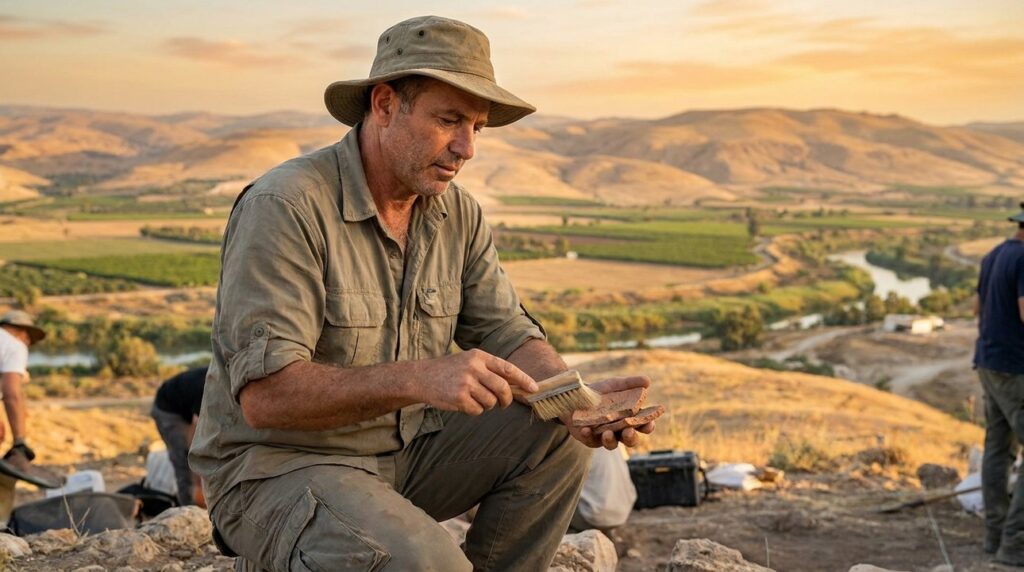
The rich soil and steady water helped towns grow here. Diggings by archaeologists have uncovered layer upon layer of the past.
These finds include everyday objects, such as pottery and tools. They show us how earlier people lived.
Historical Narratives and the Jordan Valley
Several well-known Bible stories are set along this river. In the book of Joshua, the Israelites crossed the Jordan on dry ground to enter the Promised Land. This crossing marked the end of their long journey from Egypt.
The river was also part of the account of the prophet Elijah, who crossed it shortly before he was taken up to heaven. Stories like these gave the Jordan a lasting place in memory.
According to the Gospels, John the Baptist preached and baptized along the Jordan. Because of stories like this, the river has long been linked with cleansing and new beginnings.
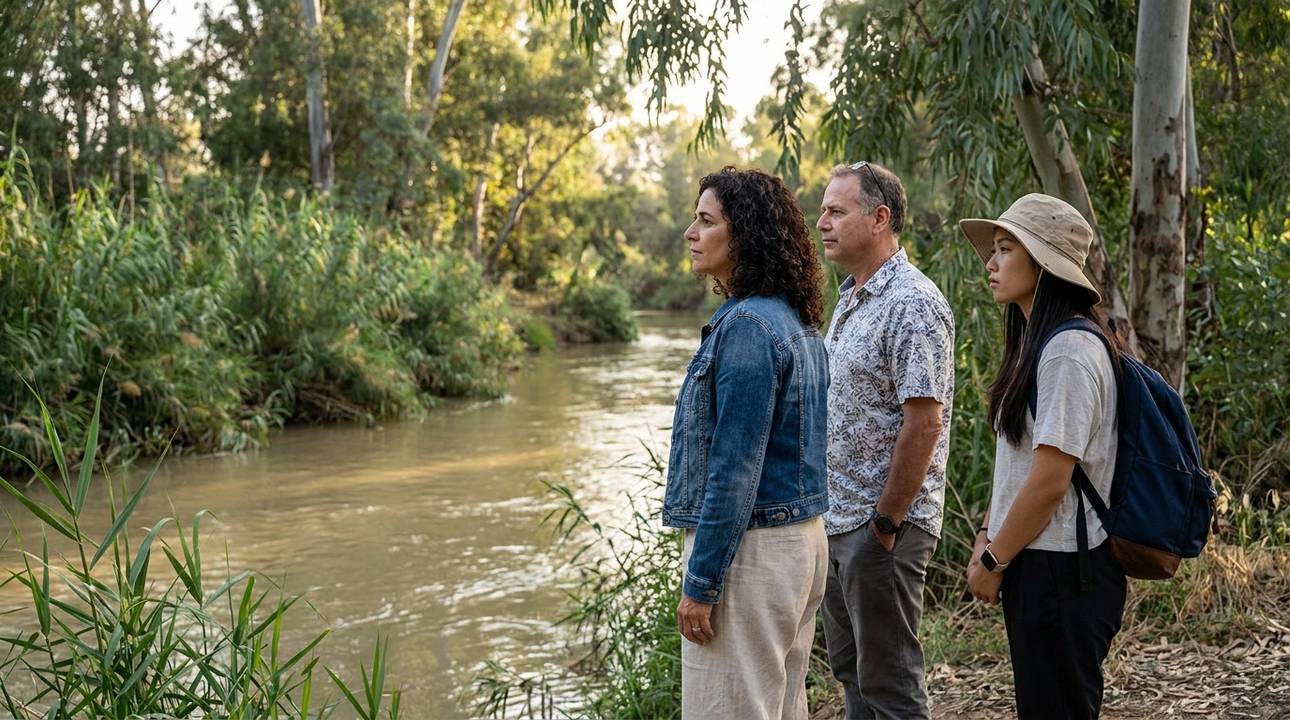
Today the river draws visitors from around the world who want to learn about its history. Its many stories make it a place people connect with a sense of reflection.
Modern Impact of the Jordan Valley
Today the Jordan Valley is still important for farming. Modern communities grow crops on its soil using up-to-date methods. Scholars study its history, and its landscapes draw wide interest.
The fertile soil supports many crops, from dates to citrus fruit. These add to Israel’s food supply. Much of this success comes from the careful methods the valley’s farmers use.
Research centers study the valley’s farming methods as a model for careful, low-waste agriculture.
One key method is drip irrigation, which delivers water straight to plant roots. This approach was developed in Israel, and it saves water while helping crops grow. It has helped turn the dry valley into productive farmland.
The valley’s warm climate and low elevation give it a long growing season. Farmers here can raise fruit and vegetables even in the cooler months.
Dates are one of the best-known crops. The valley’s palm groves produce large, sweet dates that are sold both in Israel and abroad. This mix of old land and new methods keeps the region an important part of the country’s farming.
The Jordan Valley in Cultural Memory
The Jordan Valley lives on in stories, tradition, and song. In Jewish memory, the river recalls key moments in the nation’s history.
The book of Psalms remembers the Jordan too. Psalm 114 describes how its waters turned back when the Israelites crossed. The river also appears in the story of Jacob, who crossed the Jordan on his way home to meet his brother Esau.
These accounts keep the valley part of a shared story. The crossing into the Promised Land, led by Joshua, stands for the end of a long journey and a fresh start.
In this way, the Jordan Valley remains a lasting link between the land and its people.
Preserving the Legacy of the Jordan Valley
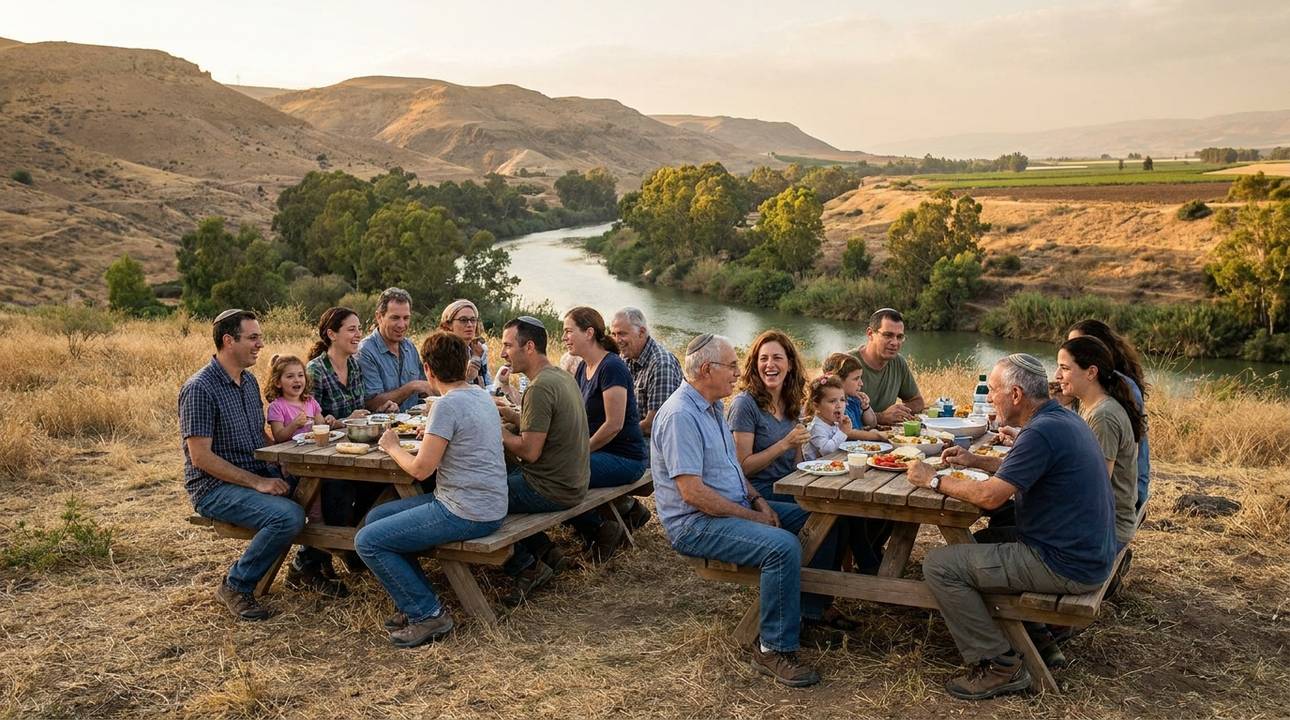
Efforts to protect the Jordan Valley try to balance farming with the care of its heritage. The goal is to respect the land’s history while still using it today.
These plans include careful farming and the protection of ancient sites. One such site is Tell es-Sultan, near Jericho, which is among the oldest known towns in the world. Sites like this show why careful protection matters.
Groups also work to protect the valley’s plant and animal life. Its varied habitats are home to many species of birds, fish, and other wildlife.
This work guards both the past and the future of the region. Keeping a balance between farming and protection helps the valley stay healthy for years to come.
Protecting old sites also means recording what is found there and sharing it with the public. Careful digs and clear records help keep the valley’s long story from being lost.
At the same time, farmers work to use water wisely, since the valley is dry in the south. This care for both land and history helps the whole region and the people who live in it.
Call to Action
The Jordan Valley, steeped in history and vital in the present, offers a glimpse into the mix of life in the region. With Lev Haolam, you can explore connections to this storied land while supporting small family businesses that keep these traditions alive. Every purchase contributes to sustaining these communities, linking you to the enduring legacy of the region. Its history is mirrored in the products crafted by these families, each telling its own story. These products reflect the area’s agricultural richness and cultural heritage.
Consider exploring Lev Haolam’s gift boxes to bring a piece of Israel’s heart into your home and help sustain its community. These gift boxes often include items such as olive oil, honey, and handmade crafts, each reflecting the area’s agricultural richness and cultural heritage. By supporting these businesses, you become part of a larger narrative that connects the past with the present, ensuring that the traditions of the Jordan Valley continue to thrive. Each product tells a story of the land and the people who cultivate it.
Geography and History
