
Understanding the Symbolism of Palm Leaves in the Bible
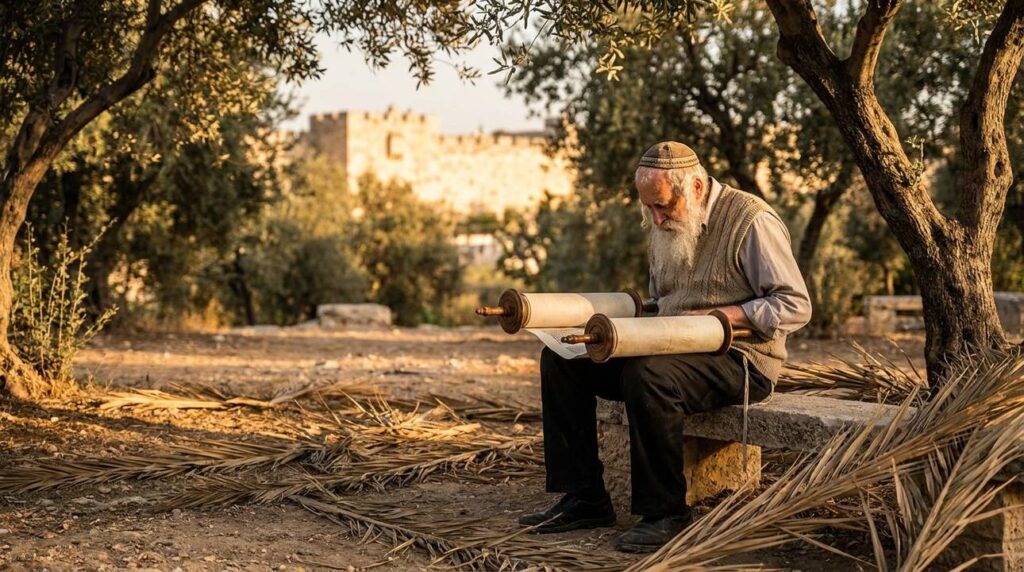

The palm tree holds significant value within biblical texts, symbolizing various concepts in Jewish tradition. In Leviticus 23:40, palm branches are mentioned as part of the festival of Sukkot, highlighting their importance in religious rituals.
This article delves into the role of palm leaves across different scriptural contexts, illuminating their enduring symbolism and meaning. From the construction of the Temple in 1 Kings 6:29 to their use in celebrations, palms remain a powerful symbol.
The palm’s presence in the Temple signifies divine presence and protection.
In various narratives, the palm plays a significant role, as seen in the story of Deborah, the prophetess, who held court under a palm tree (Judges 4:5). This setting symbolizes wisdom and judgment, qualities associated with this tree.
Palms in various contexts highlight their multifaceted symbolism, representing not only physical beauty and strength but also spiritual and moral virtues cherished throughout Jewish history.
Deborah’s story exemplifies the palm’s association with leadership and justice, as she guided the Israelites with wisdom and courage.
The symbolism of strength and resilience is further reflected in historical architecture, where palm motifs adorned structures, signifying sacredness and presence.
from the Western Wall to Masada.

Palm Trees in the Hebrew Bible
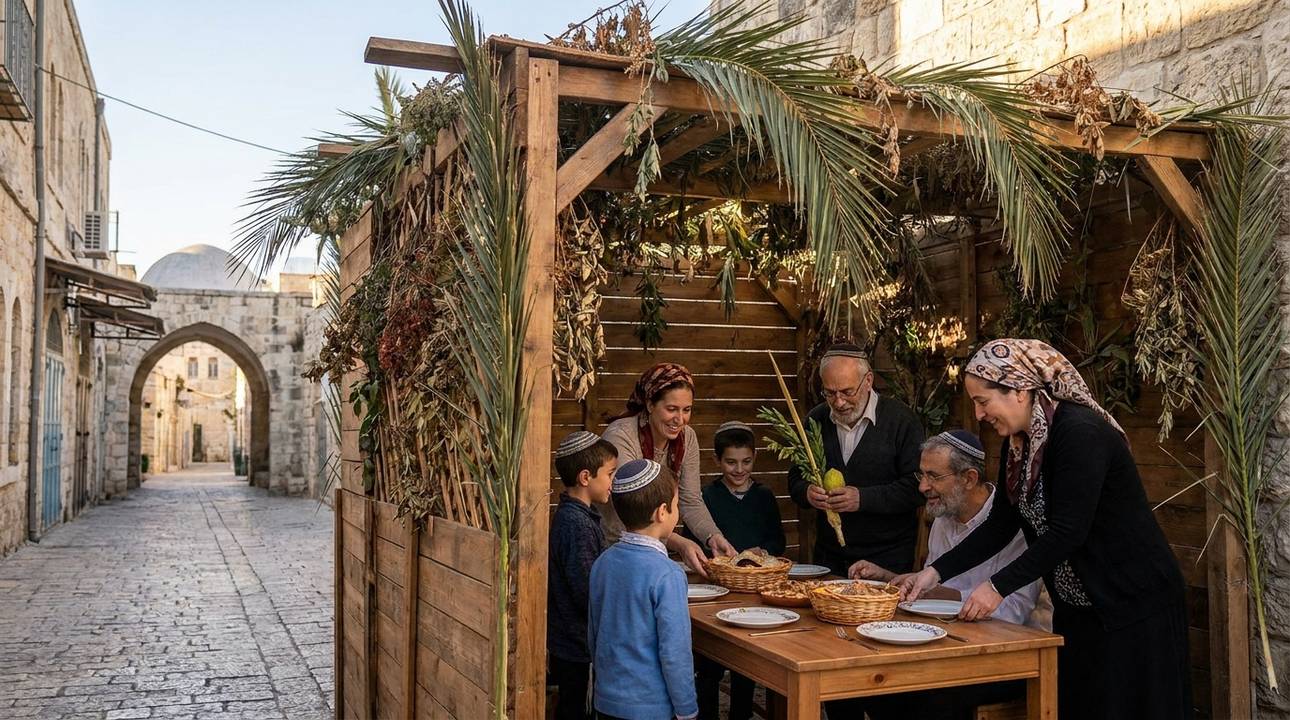
Palm trees are frequently mentioned in the Hebrew Bible, revered for their strength and beauty. In Leviticus 23:40, they play a vital role in the Feast of Tabernacles (Sukkot) as one of the Four Species used in rituals.
Their significance stems from both practical and symbolic perspectives, representing victory and peace. The imagery of palms can also be found in Psalm 92:12, where the righteous are compared to flourishing palm trees.
Historical structures were adorned with palm motifs, emphasizing their sacredness and their role in connecting the divine with the earthly realm.
Palm branches used in Sukkot rituals signify joy and gratitude for the harvest. This fall festival reminds participants of the Israelites’ journey through the desert and their reliance on nature’s bounty.
Palms symbolize peace and victory, evident in ancient synagogues where they represented protection and prosperity.
During Sukkot, the palm is part of the Four Species, waved in six directions to acknowledge the omnipresence of guidance. This practice emphasizes unity among people and connection to the land.
In these rituals, palms underscore their role in fostering communal and spiritual harmony, as seen in Leviticus 23:40. The festival serves as a time to reflect on prosperity received and hope for continued abundance.
Symbolism of Palm Leaves in Jewish Festivals
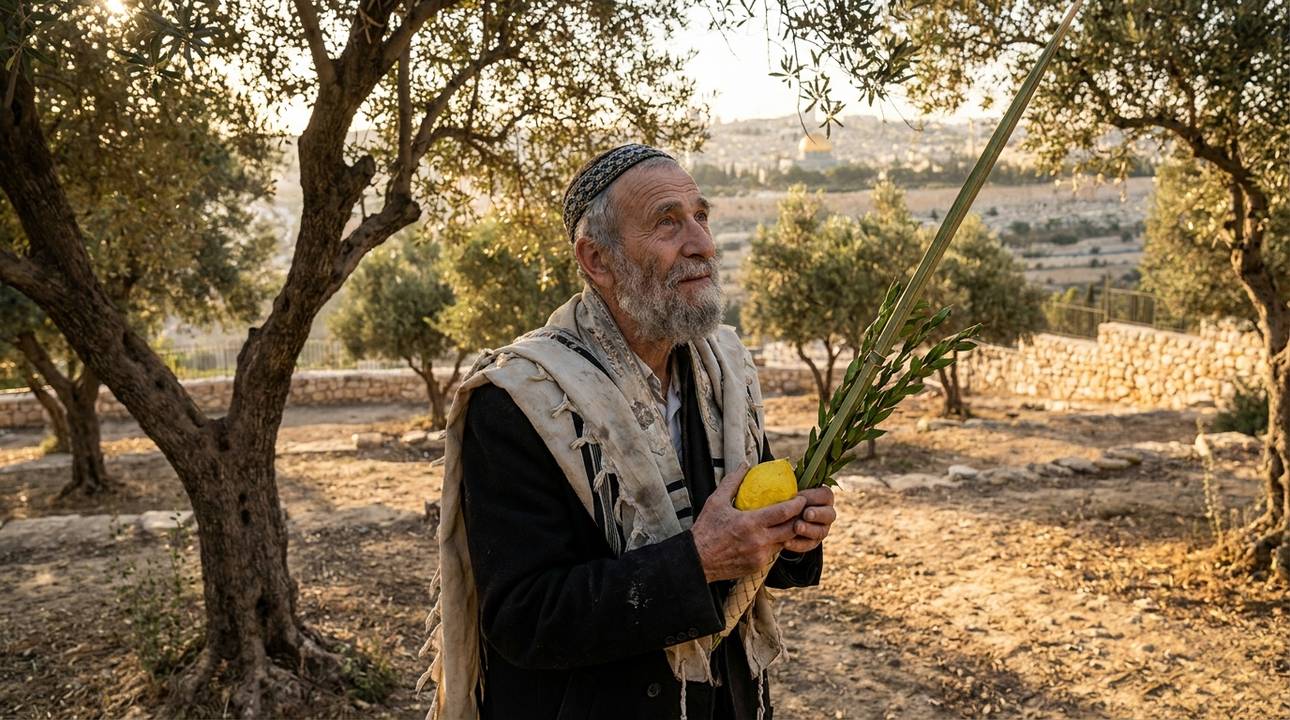
During Sukkot, palm leaves form part of the lulav, a bundle used in religious ceremonies. This practice emphasizes unity among people and connection to the land. Each species in the lulav represents different aspects of human character and divine relationship.
The palm, along with willow, myrtle, and etrog, is waved in six directions, symbolizing the omnipresence of divine guidance. The prominence of palms highlights their role in fostering communal and spiritual harmony, as seen in Leviticus 23:40.
This ritual serves as a reminder of the interconnectedness of individuals and their reliance on divine care.
Palm Leaves in Biblical Narratives
The Book of Exodus recounts palm trees as significant in the Israelites’ journey through the desert. They found rest at Elim, a place with seventy palm trees, symbolizing divine providence (Exodus 15:27). This setting illustrates the relief and sustenance provided by nature in harsh environments.
Palms thus become emblems of hope and renewal for people traversing difficult paths. The presence of water and palms at Elim offered a stark contrast to the surrounding desert, signifying a divine oasis. This narrative underscores the importance of faith and perseverance.
The oasis at Elim provided not only physical nourishment but also spiritual reassurance to the Israelites, reminding them of the divine care guiding their journey. The palm trees’ symbolism of resilience and renewal is echoed in their use in Jewish festivals, where they represent hope and continuity.
The story of Elim serves as a powerful reminder of the sustenance and support that can be found even in the most challenging circumstances, reinforcing the theme of divine provision.
Elim’s oasis, with its twelve springs and seventy palm trees, offered a haven of rest and renewal for the weary travelers. This biblical account highlights the significance of palms as symbols of refuge and divine care, providing comfort and hope during times of uncertainty.
Interpretations in Prophetic Literature
In the prophetic books, palms often symbolize prosperity and peace. For instance, in Zechariah 14:16, the celebration of Sukkot foreshadows a time when all nations will acknowledge unity. The inclusion of palm branches signifies celebratory joy and future global harmony.
Such usage in prophecy elevates the palm as a universal symbol of positive fortune. In Psalm 92:12, the righteous are compared to a flourishing palm tree, further emphasizing its positive connotations.
Ezekiel’s vision of the restored temple also features palms, highlighting their role in symbolizing renewal and favor.
In Ezekiel’s vision (Ezekiel 41:18-19), palms highlight their role in symbolizing renewal and divine favor. Ezekiel describes the temple’s walls adorned with palm trees and cherubim, representing a future filled with peace and prosperity for the people.
This vision of harmony and abundance is echoed during Sukkot, where palms symbolize a hopeful future and the fulfillment of divine promises. Their presence in the temple signifies a connection to the divine, offering a glimpse into a world where peace prevails.
In this context, palms remind us of the covenant between the divine and the people, highlighting the promise of a harmonious future.
This symbolism is reinforced during Sukkot, a festival celebrating the harvest and the protection provided during the Israelites’ journey through the desert.
from the Western Wall to Masada.
Palm Leaves in Rabbinic Thought
Rabbinic interpretations further extend the symbolism of palm leaves, associating them with righteousness and uprightness. Midrashic texts often draw parallels between palm trees and exemplary lives dedicated to virtue.
Their straight growth and resilience are metaphors for ethical living inspired by spiritual teachings. Through these interpretations, palms become icons of moral strength. In Psalm 92:12, the righteous are likened to a palm tree, symbolizing their steadfastness and integrity.
The Talmud also references palms in discussions of righteous behavior.
In the Talmud, the palm’s straight trunk is likened to the unwavering path of the righteous, who remain true to their values despite challenges.
This metaphor reinforces the idea that living a virtuous life requires strength and resilience, much like the palm tree that stands tall in harsh conditions.
The association of palms with righteousness is a recurring theme in Jewish teachings, emphasizing the importance of integrity and perseverance in one’s spiritual journey. The palm’s symbolism in the Talmud serves as a reminder of the virtues that define a righteous life.
The palm’s ability to thrive in difficult environments mirrors the strength required to uphold one’s values in the face of adversity. This connection between the palm and righteousness highlights the enduring relevance of these teachings in guiding individuals on their spiritual paths.
Contemporary Reflections on Palm Symbolism
In modern Jewish thought, the symbolism of palm leaves continues to resonate, bridging ancestral traditions with present-day practices. They are seen as markers of Jewish identity and resilience amidst changing times. Ceremonies incorporating palms reflect continuity and connection with heritage.
This sustained relevance highlights the enduring cultural and spiritual impact of biblical symbols. For example, during Sukkot, palm leaves are used in the lulav, symbolizing unity and community.
The palm’s presence in these practices underscores its role in fostering a sense of belonging and continuity, connecting individuals to their roots and shared values.
In Jewish festivals, palms underscore their importance in maintaining a link with the past. Rituals involving palms connect individuals to their roots, fostering a sense of belonging and continuity.
This connection is both spiritual and cultural, tying modern practices to ancient traditions, ensuring that the values and teachings of the past are preserved and passed down through generations.
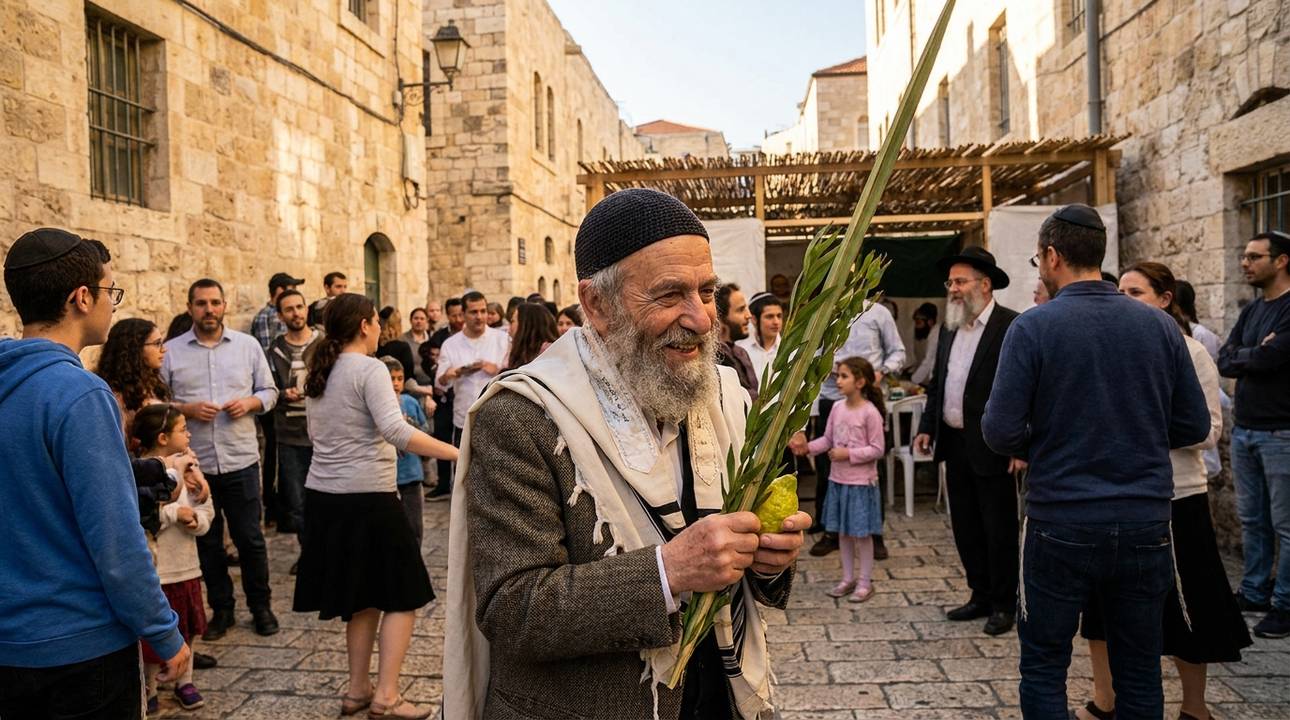
Palms are integral to the celebration of Sukkot, used in the lulav, a bundle symbolizing unity and community. This practice highlights the importance of maintaining cultural heritage and the shared values that define a community.
In these rituals, palms remind us of the enduring legacy of Jewish traditions and the resilience of the Jewish people.
Cultural Legacy of Palm Leaves
The cultural influence of palm leaves extends beyond Jewish tradition, resonating in various artistic and literary forms. Their representation often evokes themes of peace, victory, and renewal across different societies.
In art, palms are frequently depicted to convey serenity, rooted in their biblical significance. This cross-cultural appeal underscores the universal themes embodied by palm leaves in scriptural narratives. In ancient Egypt, palms were symbols of eternal life, often depicted in tombs and temples.
This highlights the palm’s enduring role as a symbol of continuity and hope.
In Roman culture, palm branches awarded to victorious gladiators symbolized triumph. This universal symbolism highlights their role as a bridge between cultures, conveying messages of peace and victory.
Palms in various art forms, from paintings to sculptures, reflect their ability to transcend cultural boundaries, making them a powerful symbol in both historical and modern contexts.
Their presence in Roman victory parades and depiction in art serve as reminders of enduring significance. The symbolism extends beyond Jewish tradition, resonating in various artistic and literary forms.
In ancient Egypt, palms were symbols of eternal life, often depicted in tombs and temples. This cross-cultural appeal underscores the universal themes embodied by palm leaves in scriptural narratives.
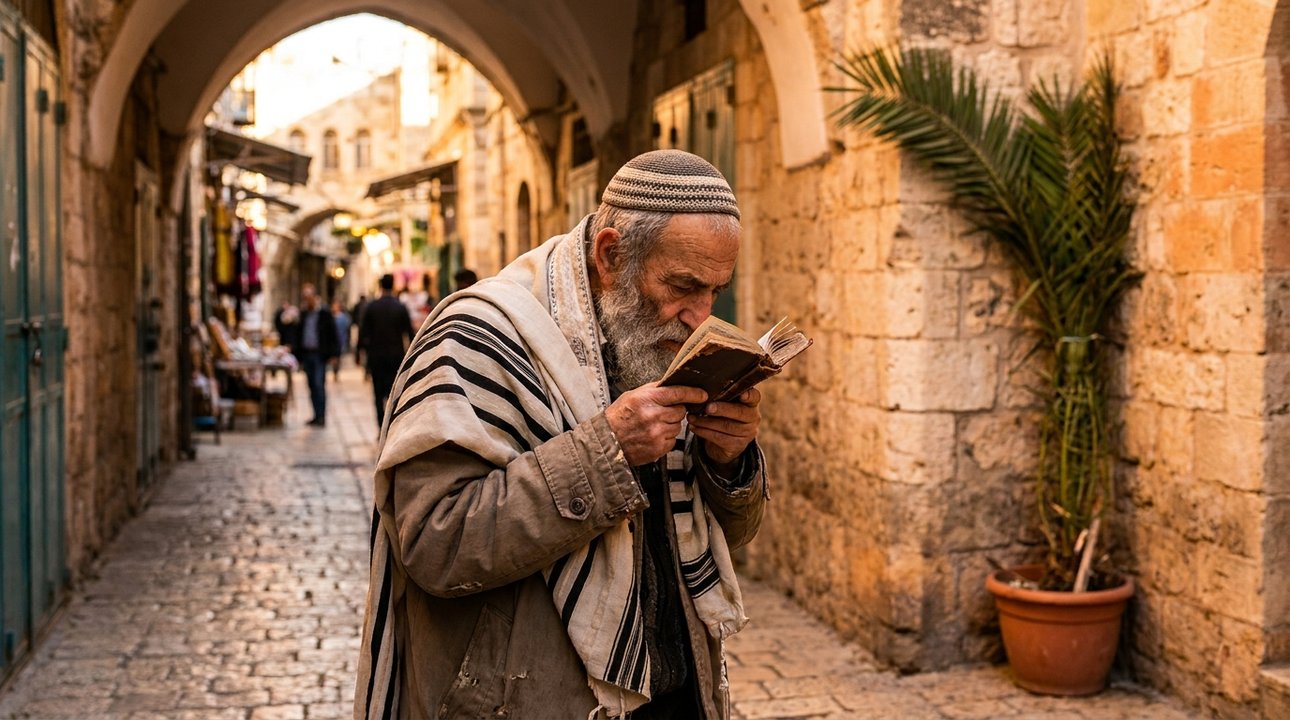
Palm Leaves and Their Symbolism
