
Discover the Origins and Flavors of Shakshuka and Menemen


Shakshuka and Menemen are two beloved dishes that capture the essence of breakfast across the Mediterranean and Middle Eastern regions. Shakshuka is often associated with North African countries, particularly Tunisia, where it is a staple breakfast dish.
Menemen, on the other hand, hails from Turkey and is a testament to the country’s rich culinary heritage. Though often compared, each has a unique flair that speaks to its cultural origins and culinary heritage. In short: Both dishes offer a flavorful glimpse into their respective cultures.
Shakshuka: A Taste of Israeli Breakfast
Shakshuka has become a staple of Israeli cuisine, often enjoyed as a hearty breakfast. Its origins can be traced back to North Africa, though its popularity surged in Israel, particularly among Jewish communities from Libya and Tunisia.
This dish is known for its rich tomato base, simmered with spices like cumin and paprika, creating a fragrant and flavorful sauce. Eggs are poached directly in this sauce, allowing the yolks to merge with the tangy blend, creating a satisfying meal.
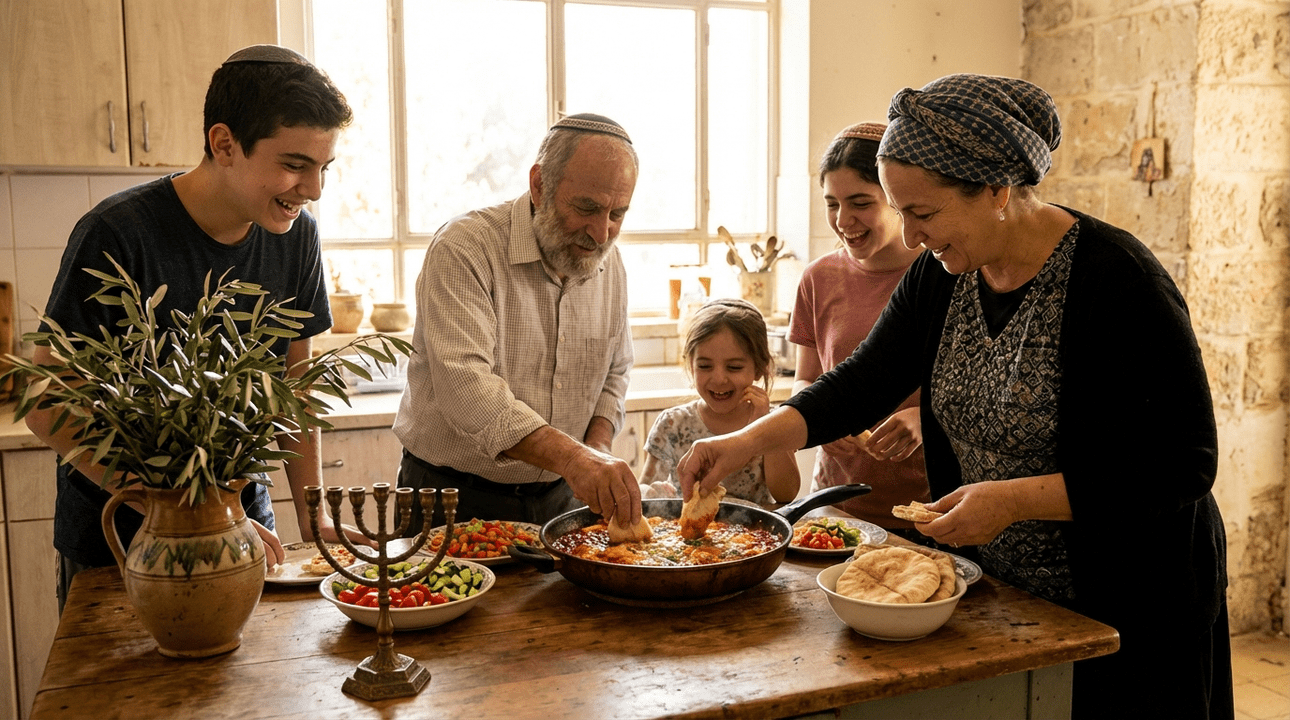
The traditional way to enjoy Shakshuka is straight from the pan, with fresh bread to soak up the savory juices.
The North African Roots of Shakshuka
Shakshuka’s roots are firmly planted in North African culinary traditions. It is said to have originated in Tunisia, where it was a popular breakfast choice and a symbol of hospitality. The dish is often cooked in a cast-iron pan, allowing the flavors to meld together beautifully.
Over time, this flavorful dish made its way into Israeli kitchens, where it evolved while maintaining its fundamental character. Now, it serves as a connection to the past for many families, a testament to cultural exchange and adaptation.
In short: Shakshuka’s journey from Tunisia to Israel highlights its enduring appeal.
As Shakshuka spread, various iterations arose, adding ingredients such as spinach or feta, further enriching its taste. These adaptations reflect the diverse influences and creativity within Israeli cuisine.
Shakshuka is often served with challah or pita bread, which is perfect for soaking up the rich sauce. In Exodus 12:39, unleavened bread is mentioned, highlighting the importance of bread in meals.
In short: The dish’s adaptability and rich flavors make it a beloved choice for breakfast or brunch, connecting people to its North African roots.
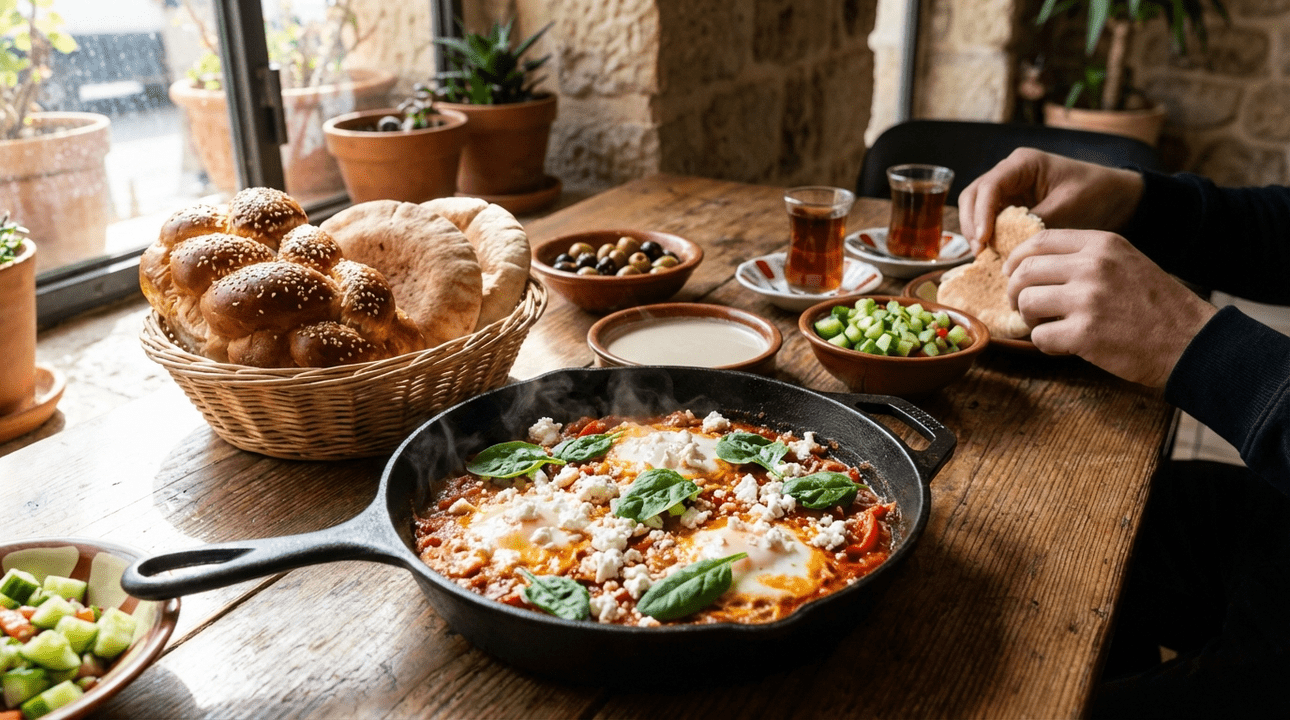
Menemen: Turkey’s Answer to Shakshuka
Menemen is Turkey’s delightful contribution to the world of egg-based dishes. Its preparation is simpler, with a focus on tomatoes, green peppers, and eggs, intertwined with spices to enhance the flavors.
The dish is named after a town in the Izmir Province of Turkey, highlighting its regional significance. Olive oil is often used to sauté the ingredients, allowing the vegetables to release their natural sweetness.
Unlike Shakshuka, the eggs in Menemen are typically lightly cooked and mixed rather than poached, creating a creamy texture. In short: Menemen’s simplicity and creamy texture set it apart.
Menemen is traditionally served for breakfast alongside fresh bread, an integral part of Turkish morning rituals. The dish is often accompanied by Turkish tea, completing the breakfast experience.
Tea has a long history in Turkey, with its cultivation dating back to the early 20th century in the Rize Province. Menemen’s straightforward ingredients and preparation make it a beloved breakfast staple in Turkey, celebrated for its comforting flavors.
In short: Menemen is a cherished part of Turkish breakfasts, offering simplicity and warmth.
The method of preparation reflects the Turkish philosophy of letting the quality of ingredients speak for themselves. By emphasizing simplicity, Menemen offers a different approach to the morning meal, one that is celebrated for its balance and freshness.
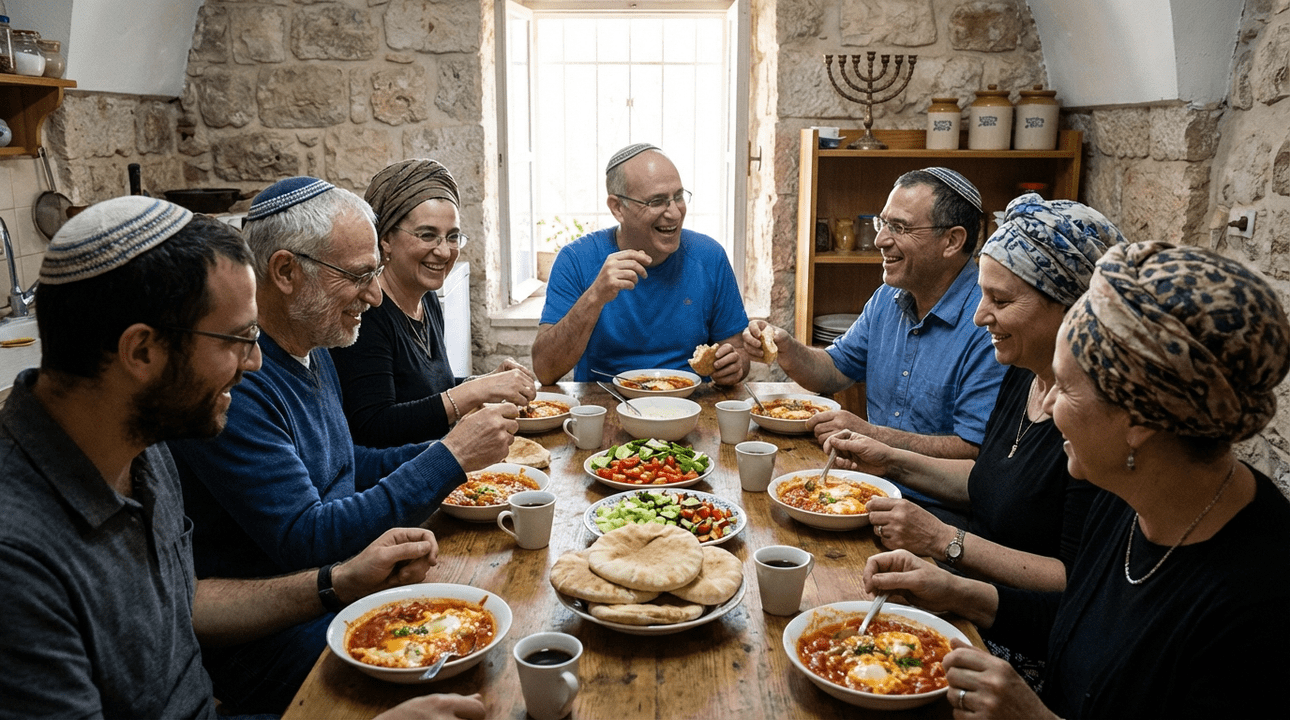
This dish is a testament to Turkey’s rich culinary landscape, symbolizing the warmth and community found around the breakfast table. Often, Menemen is enjoyed communally, directly from the pan, reinforcing its role in fostering connections among friends and family.
The versatility of Menemen invites creativity, allowing each household to infuse personal touches.
Comparing Ingredients and Cooking Styles
While both Shakshuka and Menemen feature eggs and tomatoes as primary ingredients, they differ in several key aspects. Shakshuka’s thick, spiced sauce contrasts with Menemen’s more straightforward, less processed approach.
Shakshuka often includes spices like cumin and paprika, adding depth to its flavor. The textural contrast between the two is also significant; Shakshuka’s poached eggs differ from Menemen’s scrambled-like consistency.
This not only affects the mouthfeel but also how each dish is traditionally consumed and appreciated. In short: The differences in texture and spices highlight regional culinary techniques.
These differences highlight the regional variations in cooking techniques and flavor profiles. Shakshuka’s rich sauce is ideal for dipping bread, while Menemen’s creamy texture is perfect for scooping.
In ancient times, bread was a staple in many cultures, as seen in Genesis 18:6, where Sarah prepares bread for guests. Shakshuka and Menemen continue this tradition, offering a taste of history with each bite.
In short: Both dishes celebrate the diversity of Mediterranean and Middle Eastern cuisine, each offering a unique taste experience.
Cultural Significance and Social Enjoyment
In both Israel and Turkey, Shakshuka and Menemen hold a beloved place on the breakfast table, not just for their flavors, but also for their cultural resonance. They represent the art of communal dining, where meals are more than just food; they are experiences shared with loved ones.
Both dishes are staples in everyday life, embodying hospitality and the rich history of their respective cultures. Gathering around a pan of Shakshuka or Menemen is a cherished tradition, one that strengthens social bonds and enriches daily living.
They remind us of the power of food in uniting people across backgrounds and generations.
Bringing Shakshuka and Menemen to Your Table
Exploring these dishes at home allows you to connect with their traditional roots and the warmth they bring. Creating Shakshuka can be an opportunity to experiment with spices, blending cumin, chili, and sweet paprika to match your palate.
The dish’s vibrant colors and rich aromas make it a feast for the senses. For Menemen, the quality of the tomatoes and peppers is key, ensuring the rich and savory taste that defines this Turkish classic. Both dishes invite innovation, making them versatile and adaptable to your culinary preferences.
In short: Cooking these dishes offers a taste of tradition and creativity.
Incorporating these dishes into your meal repertoire adds a touch of international flair to your home dining experience. Each dish not only brings diverse flavors but also tells stories of its cultural origins, making every meal a celebration.
Shakshuka, for instance, with its North African roots, echoes the spices mentioned in the Song of Songs 4:14, which speaks of fragrant spices like saffron and cinnamon. In short: Shakshuka and Menemen enrich your culinary journey with their flavors and cultural significance.
Trying your hand at these recipes can be a delightful journey of discovery. It opens a window into the diverse world of Middle Eastern and Mediterranean cuisine. Experiencing the aromas and flavors firsthand brings a piece of their cultural celebration to your kitchen.
This simple culinary adventure enriches not only your palate but also your appreciation for the stories behind these iconic dishes. By sharing them with friends and family, you partake in a tradition of love, heritage, and the art of simple, flavorful cooking.
In short: Cooking these dishes connects you to their rich cultural roots.
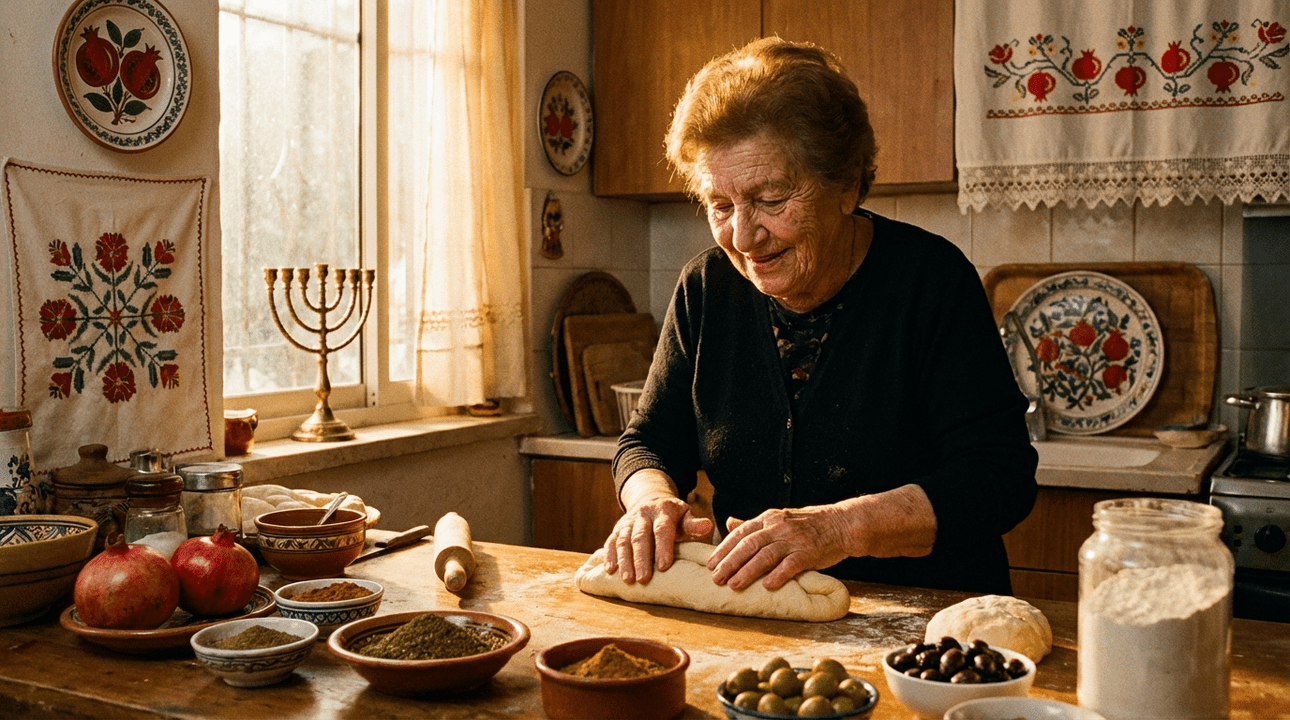
In conclusion, the exploration of Shakshuka and Menemen reveals more than just their ingredients and cooking techniques. They embody a tradition of joy and connection, a culinary bridge from local kitchens to international tables.
Embracing these dishes is a form of cultural appreciation, nourishing not just the body but the spirit of community and shared experience. Each time you prepare Shakshuka or Menemen, you participate in a heartfelt exchange that has spanned continents and centuries.
These beloved breakfasts offer not just sustenance, but a true taste of the heritage and hospitality that define the regions they come from.
About Shakshuka
About Menemen
