
Exploring Tahini: Uses, Ingredients, and Alternatives


Tahini, a staple in Middle Eastern cuisine, has found its way into kitchens around the world. Made from ground sesame seeds, this creamy paste is known for its versatility. Whether drizzling it over salads, mixing into dressings, or baking into treats, tahini adds a rich, nutty flavor.
Its historical use can be traced back to ancient cultures, where sesame seeds were valued for their oil and flavor (Genesis 1:29). But what do you do when you’re out of tahini? This article explores the uses of tahini, its ingredients, and what you can use instead.
What is Tahini Made of?
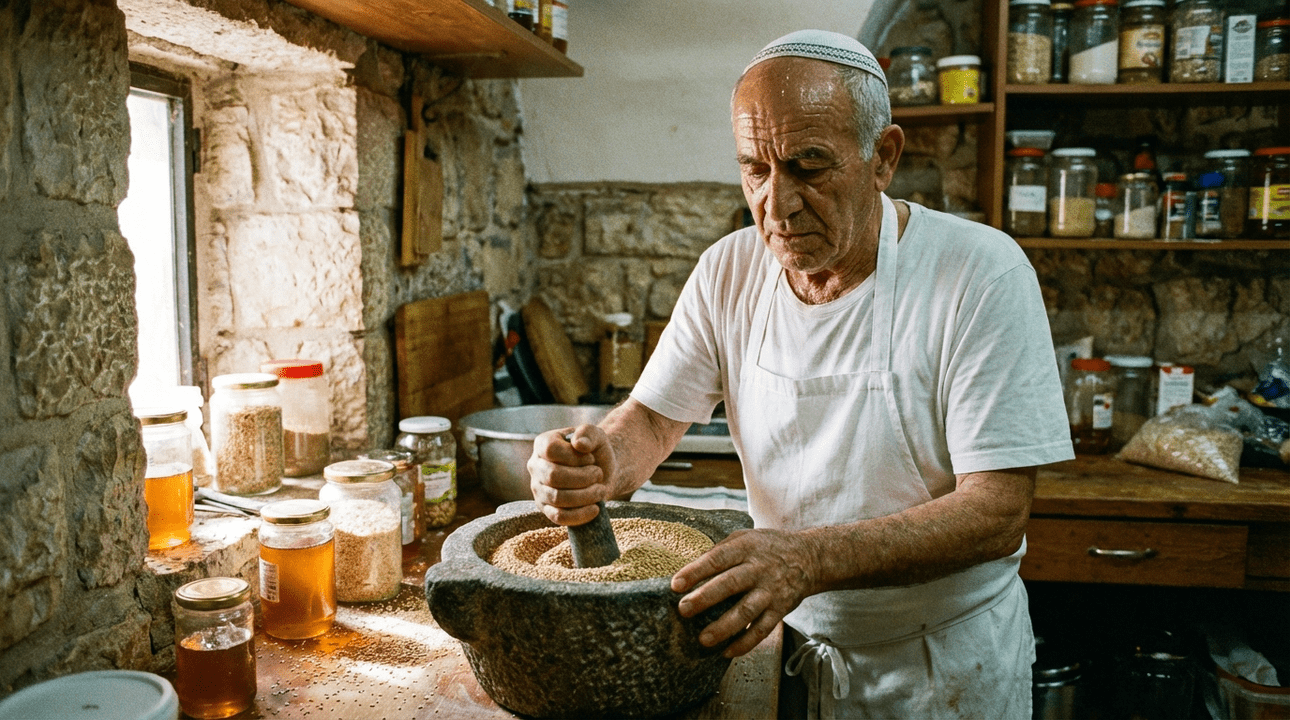
Tahini is made from toasted, ground sesame seeds. This simple ingredient has been a staple in Middle Eastern cuisine for centuries, tracing its roots back to ancient times. The paste is smooth and creamy, with a slightly bitter taste that softens when mixed with other ingredients.
In the Bible, sesame seeds are mentioned in Exodus 16:31, highlighting their historical significance. Originating in the Middle East, tahini is now popular worldwide, used in everything from hummus to sweets like halvah.
The simplicity of ingredients belies the depth of flavor it brings to any dish. In Israel, tahini is often paired with traditional foods, enhancing their taste and texture. Its versatility makes it a beloved addition to both savory and sweet creations.
This is akin to the diverse culinary practices in ancient Israel, where foods like honey and grains were staples (Genesis 43:11). In short: Tahini’s rich history and simple ingredients make it a flavorful addition to global cuisines, from hummus to halvah.
Common Uses of Tahini
Tahini’s uses are as diverse as they are delicious. A key ingredient in hummus, it adds a nutty richness and creamy texture. Tahini is also drizzled over roasted vegetables or whisked into salad dressings. In baking, it’s used in cookies and cakes, bringing a subtle flavor and moist texture.
This versatility is reminiscent of the diverse offerings of Solomon’s table, which included a wide array of foods to satisfy all tastes (1 Kings 4:22-23). The versatility makes it a kitchen must-have. Its adaptability extends to both sweet and savory dishes.
Tahini’s adaptability is evident in its ability to complement a wide range of flavors. In Israel, it’s often combined with honey or date syrup for a sweet treat, reminiscent of the land’s biblical abundance (Deuteronomy 8:8).
This combination highlights the richness of the land, similar to the bounty described in the Bible. In short: Tahini’s versatility in both sweet and savory dishes makes it an essential ingredient in any kitchen.

What to Use Instead of Tahini?
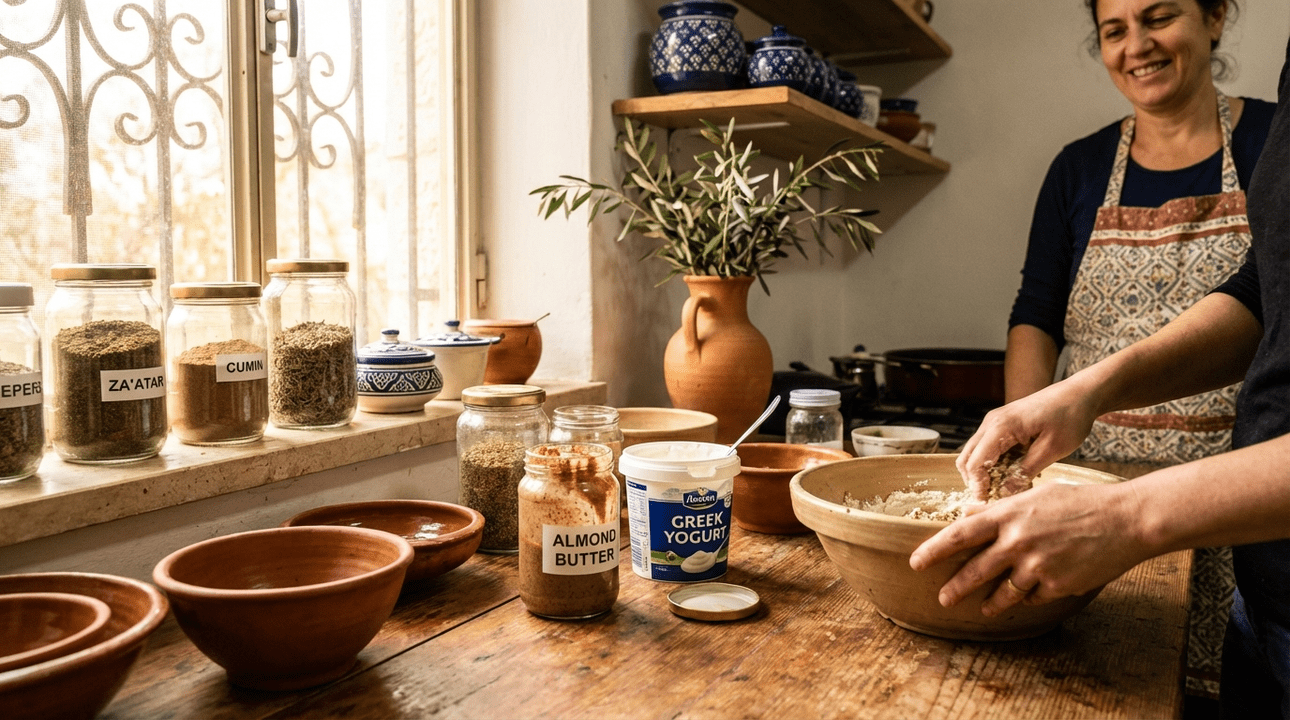
Running out of tahini can feel like a kitchen emergency, but substitutes are available. Almond butter or peanut butter can mimic its creamy texture, although with a slightly different flavor. Sunflower seed butter is an excellent nut-free alternative.
Yogurt or Greek yogurt can also serve as a base, especially in dressings. Experimenting with these alternatives can lead to delightful new culinary creations, similar to how Joseph adapted to new circumstances in Egypt (Genesis 41:39-41).
These substitutes offer a way to maintain the creamy texture and rich taste that tahini provides. Each alternative brings its own unique flavor, allowing for creativity in the kitchen.
For example, almond butter can offer a nutty richness, while yogurt provides a tangy creaminess, reminiscent of the diverse offerings at Solomon’s table (1 Kings 4:22-23). In short: When tahini runs out, explore alternatives like almond butter or yogurt for new and exciting culinary experiences.
Tahini in Israeli Cuisine
In Israel, tahini is used in a variety of dishes. It’s an essential ingredient in hummus, a beloved staple that combines chickpeas, olive oil, lemon juice, and garlic. Tahini sauce often complements falafel, providing a creamy balance to the crispy chickpea patties.
It’s also used as a dip or as a spread for sandwiches and wraps. The role of tahini in these dishes highlights its importance in Israeli cooking, much like the essential spices in the offerings of the Tabernacle (Exodus 30:34-38).
Tahini’s versatility allows it to enhance both traditional and modern dishes. In Israel, its use in street food and fine dining alike showcases its integral role in the country’s culinary landscape.
This mirrors the diverse offerings of King Solomon’s table, which included a wide array of foods to satisfy all tastes (1 Kings 4:22-23). In short: Tahini is a cornerstone of Israeli cuisine, enriching dishes from hummus to falafel with its creamy texture and nutty flavor.

Nutrition and Health Benefits
Tahini is not only flavorful but nutritious. High in healthy fats, it’s a source of vitamins B and E, as well as minerals like magnesium and phosphorus. It’s a good protein source for vegans and vegetarians, offering both flavor and nourishment.
Historical records suggest that sesame seeds were used for their health benefits in ancient times, as noted in various biblical texts. Sesame seeds are known for their antioxidant properties, contributing to tahini’s health benefits.
Including tahini in your diet can support overall wellness while enhancing meals.
Cultural Significance of Tahini
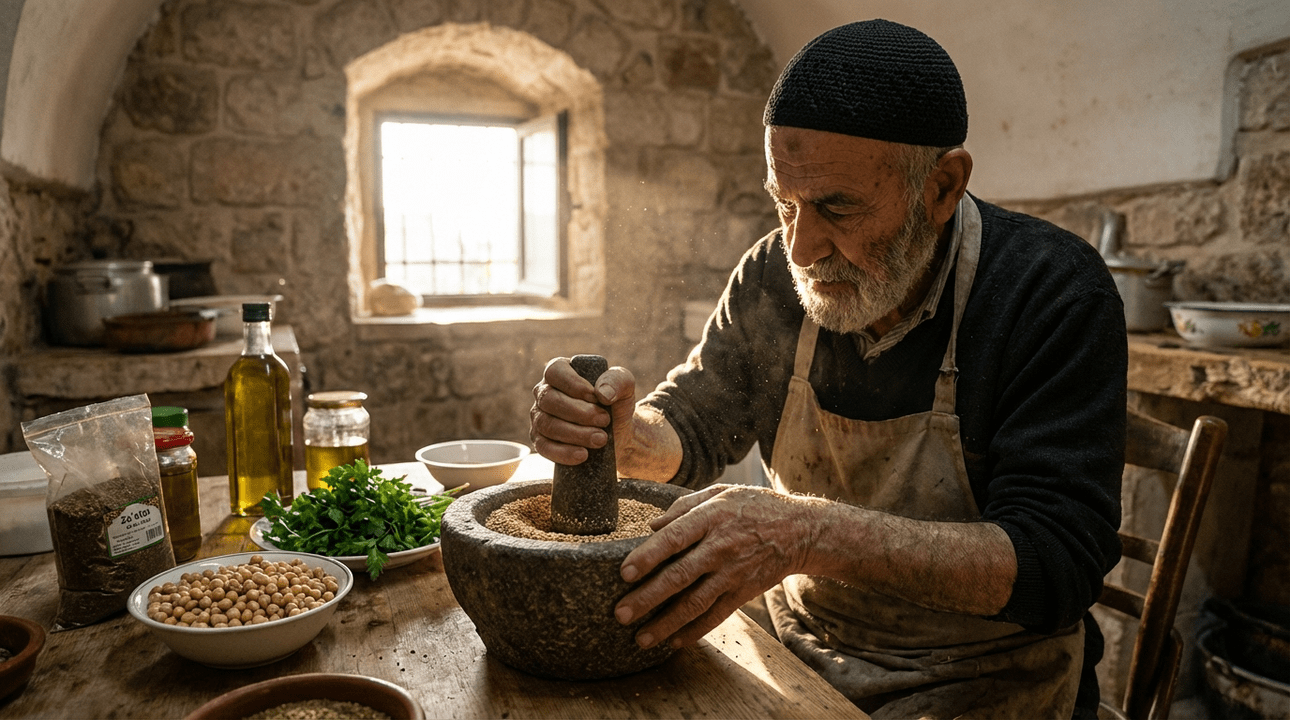
Tahini’s significance extends beyond the kitchen. It’s woven into the cultural fabric of the Middle East, celebrated in various culinary traditions. In Israel, tahini is cherished in both everyday meals and festive occasions, symbolizing culinary creativity and cultural heritage.
This cultural connection echoes the unity seen in biblical stories like Ruth 1:16-17, where shared experiences strengthen bonds. Its presence in diverse dishes reflects the way food can bridge cultures and bring people together.
Tahini’s role in Israeli cuisine showcases the country’s rich culinary tapestry. From street food to gourmet dining, tahini is a key component, enhancing flavors and textures.
Its use can be traced back to ancient times, with references to sesame seeds found in historical texts like Ezekiel 4:9, where grains and seeds were used for sustenance. In short: Tahini is more than an ingredient; it’s a cultural symbol that unites people through shared culinary experiences.
Cooking Tips and Techniques
To get the most out of tahini, consider these tips. Stir it well before use, as separation is natural. This ensures a consistent texture and flavor. Adjust the flavor by mixing it with lemon juice, garlic, or spices for a richer taste.
In baking, use tahini to replace some of the butter or oil for a unique texture and flavor. In ancient times, similar methods were used to enhance flavors, as seen in Proverbs 27:9, which speaks of the pleasantness of a friend’s counsel.
In short: Stirring and mixing tahini with other ingredients can elevate your dishes, much like the wisdom shared among friends in biblical times.
Experimenting with tahini in your cooking can open doors to new culinary adventures. In Israel, chefs often innovate with tahini, creating new dishes that blend tradition with modern tastes.
This creativity echoes the spirit of innovation seen in biblical times, such as when King Solomon’s wisdom was applied to various aspects of life (1 Kings 4:29-34). In short: Stir, mix, and experiment with tahini to unlock its full potential, transforming your dishes with its unique flavor.
Tahini in Modern Kitchens
Today, tahini is embraced by chefs and home cooks alike. Its adaptability fits well into modern culinary trends, emphasizing healthy, flavorful, and versatile ingredients. From traditional dishes to innovative new recipes, tahini offers endless possibilities.
This mirrors the creativity seen in ancient culinary practices, where ingredients were combined in new ways to create diverse flavors. Its role in vegan and vegetarian diets, as well as its place in global cuisines, makes it a beloved ingredient worldwide.
Exploring tahini can inspire even seasoned cooks to try something new.
Common Questions
