
Discovering the Five Stones Game
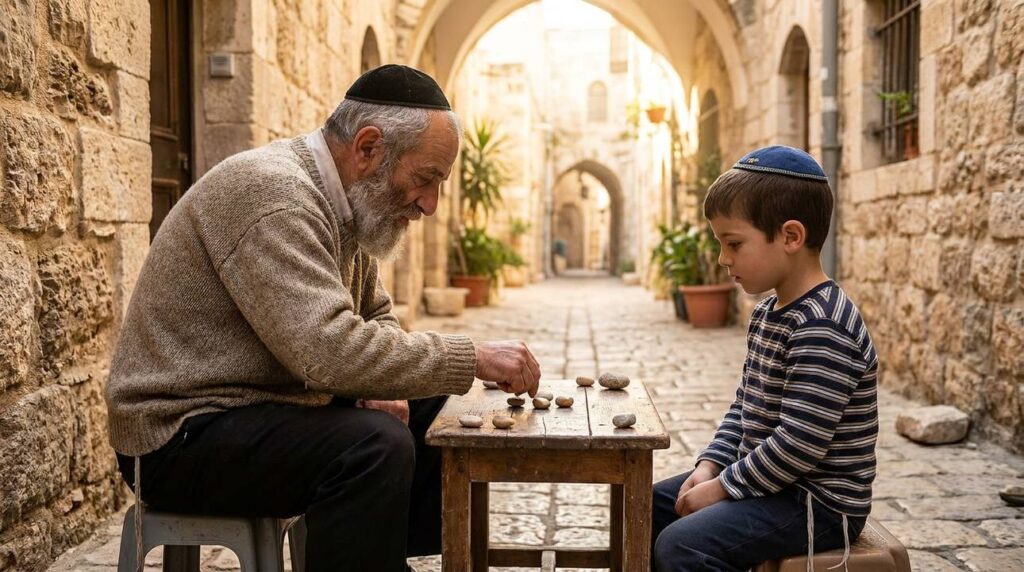

The five stones game, cherished by many names across cultures, has been a staple in playgrounds and homes. This simple yet engaging pastime requires just a handful of stones or small objects and a surface to play on.
Its origins are ancient, spanning generations and connecting people through shared joy, skill, and friendly competition. Let’s explore its enduring presence in our lives, offering both fun and a glimpse into cultural traditions. In ancient Greece, it was known as ‘astragaloi’, played with sheep knucklebones.
In the Bible, stones carry significant meaning, as seen in the story of Jacob’s dream (Genesis 28:18), where he sets up a stone as a pillar. This highlights their cultural importance in historical contexts.
The five stones game, much like these historical references, serves as a bridge between past and present, allowing players to connect with their heritage while enjoying a timeless form of entertainment. Exploring its history reveals how it has shaped social interactions and cultural practices.
Origins of the Five Stones Game
The origins of the five stones game can be traced back to ancient times. Known by various names globally, it likely began as a way for children to hone their hand-eye coordination and dexterity.
In different parts of the world, it was adapted using locally available materials, reflecting the resourcefulness of past societies. The essence involves tossing and catching stones in a specific order or pattern.
Its simplicity and flexibility allowed it to thrive across continents, with each culture adding its unique twist.
Historically, games like five stones are mentioned in classical texts and excavations. In ancient Rome, a similar game known as ‘knucklebones’ was played with small bones. The basic principle involved throwing and catching, emphasizing skill and precision.
Artifacts and paintings from different periods also depict children and adults engaged in this activity, providing a glimpse into how play has always been a universal human experience. Roman soldiers played it during their downtime, making it popular among them.
In the Bible, the story of David and Goliath (1 Samuel 17:40) mentions David choosing five smooth stones from a brook, symbolizing the importance of stones in historical narratives. This connection emphasizes their cultural significance in various contexts.
The five stones game, much like other traditional games, served as a means of socialization and skill development across different societies, from ancient Greece to the Far East, where similar games were played with variations.
Cultural Variations and Names
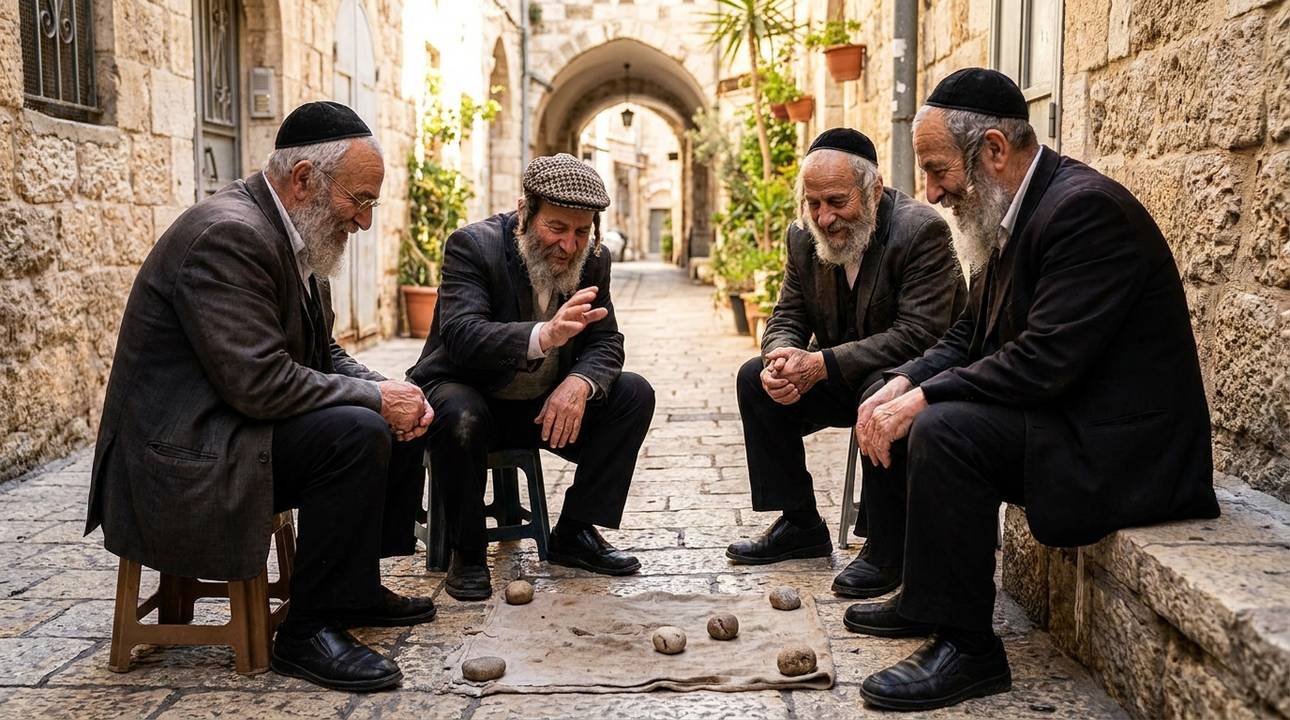
The game of five stones goes by many names, depending on where you are. In Korea, it is called ‘Gonggi,’ while in India, it’s known as ‘Pittu’ or ‘Lagori.’ Despite the different names and slight variations in rules, the core gameplay remains consistent.
The adaptability allowed it to transcend cultural boundaries, making it a beloved pastime in many regions. In each culture, it not only entertained but also became a tradition passed down through families.
Each version might introduce new rules or unique elements. For instance, Indian versions might involve knocking over a pile of stones, adding an additional layer of strategy and excitement. In Greece and other Mediterranean countries, variations involved betting and team play.
These nuances highlight the diverse cultural expressions of what is essentially a simple yet versatile game. The joy and challenge it offers remain universal, creating memories for young and old alike.
Basic Rules and Gameplay
Playing five stones is straightforward. To start, players need five small stones or objects. The game involves throwing one stone into the air and picking up the others one by one before catching the thrown stone. Players advance through stages, each increasing in difficulty.
Some stages might involve different hand movements or using both hands simultaneously, requiring greater skill and concentration. Historically, similar games were played in regions like Mesopotamia, where children used small bones or pebbles.
The game has been referenced in various historical texts, including those from the Talmud, which mention games played during the time of the Second Temple. This highlights its long-standing presence in human culture.
As players progress, they might face challenges that test their dexterity and timing, much like the ancient game of ‘knucklebones’ played by Roman children. This pastime not only entertains but also develops fine motor skills and hand-eye coordination.
Players take turns, often with the goal of completing all stages before their opponents. Mistakes or dropped stones result in a loss of turn, adding a level of suspense and anticipation. This balance of skill and chance invites players to improve their techniques and strategies over time.
Many adults fondly recall childhood afternoons spent in earnest competition, mastering the nuances and intricacies of the game. It’s this challenge that keeps five stones engaging across ages.
Cultural Significance and Lessons
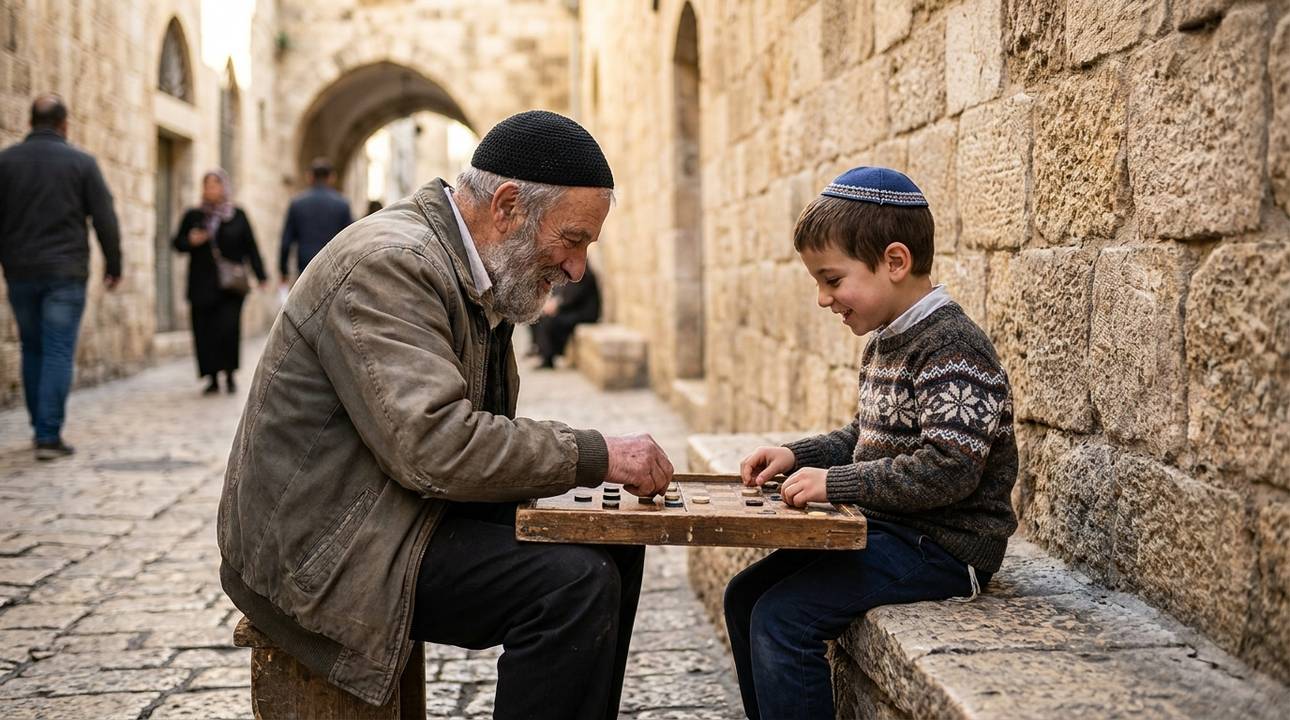
Beyond entertainment, the five stones game teaches invaluable life lessons. It promotes patience, focus, and strategy, essential skills both in play and in life. Children learn to develop hand-eye coordination, a fundamental skill applicable to various activities.
Older players appreciate it for its nostalgic value, rekindling memories of simpler times. This blend of fun and learning underscores its enduring appeal across generations. Historically, similar games were played to teach young boys coordination and agility.
In modern times, the game is used in educational settings to enhance cognitive development and social skills. Teachers often incorporate it into lessons to encourage teamwork and problem-solving.
Its simplicity and adaptability make it a valuable tool for learning, providing opportunities for players to develop critical thinking and decision-making skills. As children play, they learn the importance of practice and perseverance, qualities that are essential in both personal and professional life.
Additionally, the game serves as a cultural bridge, uniting people from different backgrounds. It inspires creativity and adaptation, as players often innovate with available materials. Its simplicity means it can be played anywhere, requiring nothing more than stones or similar objects.
This universality of play fosters a shared sense of cultural and human connection. It’s a testament to the timeless nature of play and its role in community building. In ancient Persia, similar games were played during Nowruz, the Persian New Year.
In Israel, the game is often played in schools and community centers, where it brings together children from diverse backgrounds, promoting understanding and friendship.
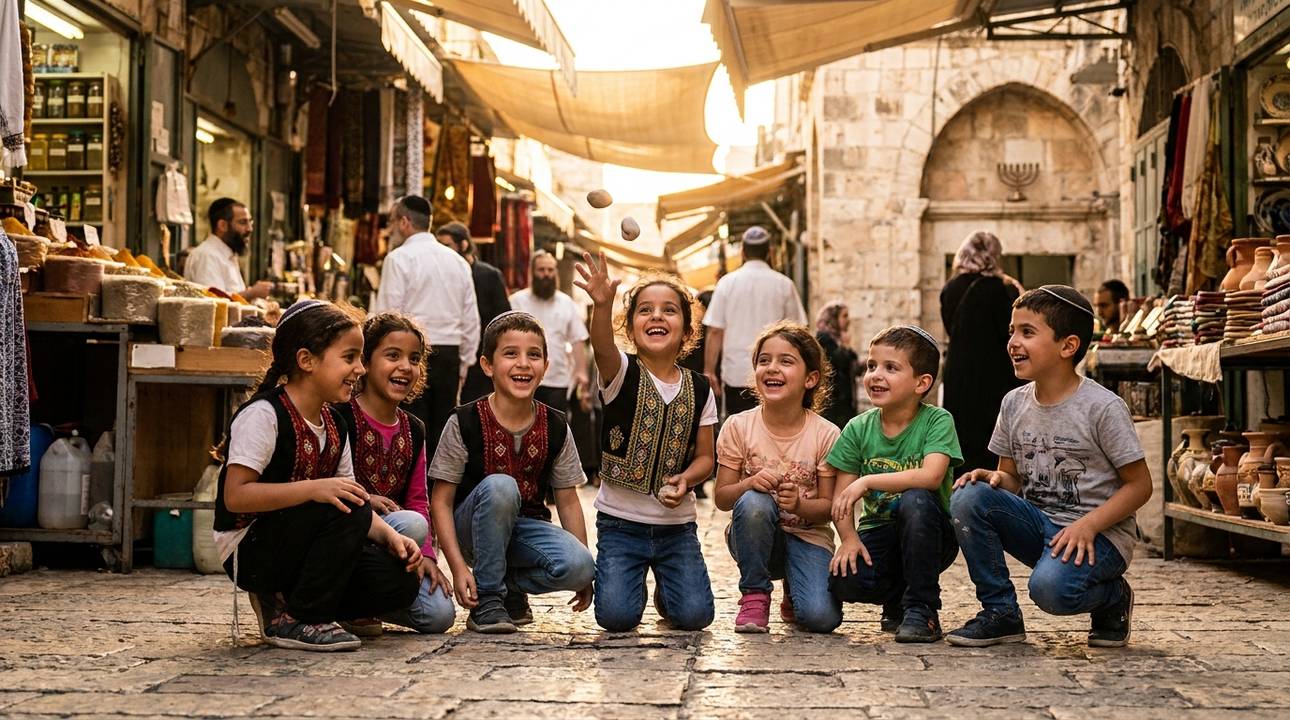
Its adaptability allows it to transcend cultural and geographical boundaries, making it a beloved pastime in many countries. Whether played in the bustling markets of Jerusalem or the quiet villages of the Negev, five stones continues to connect people through shared experiences and joy.
The Five Stones Game in the Modern World
In today’s digital age, five stones stands as a refreshing reminder of the joys of simple, unplugged play. It offers a break from screens, inviting players to engage physically and socially. Many communities and schools encourage traditional games to foster interaction and skill development.
Its low entry barrier means anyone can play, regardless of socioeconomic status. This inclusivity makes it a perfect tool for fostering unity and playfulness. In schools, it’s used to teach teamwork and cooperation.
Educational programs often incorporate the game to enhance cognitive and motor skills in children. In Jewish culture, traditional games like five stones are celebrated during festivals such as Purim, where they add to the festive spirit.
The game not only entertains but also educates, providing a platform for learning important life skills. As children play, they develop patience, strategy, and the ability to focus, all while enjoying the company of friends and family.
For families, five stones can be a delightful way to spend time together. Parents introduce the game to children, passing down the skills and rules they once learned. This creates a cycle of tradition, ensuring it continues to live on.
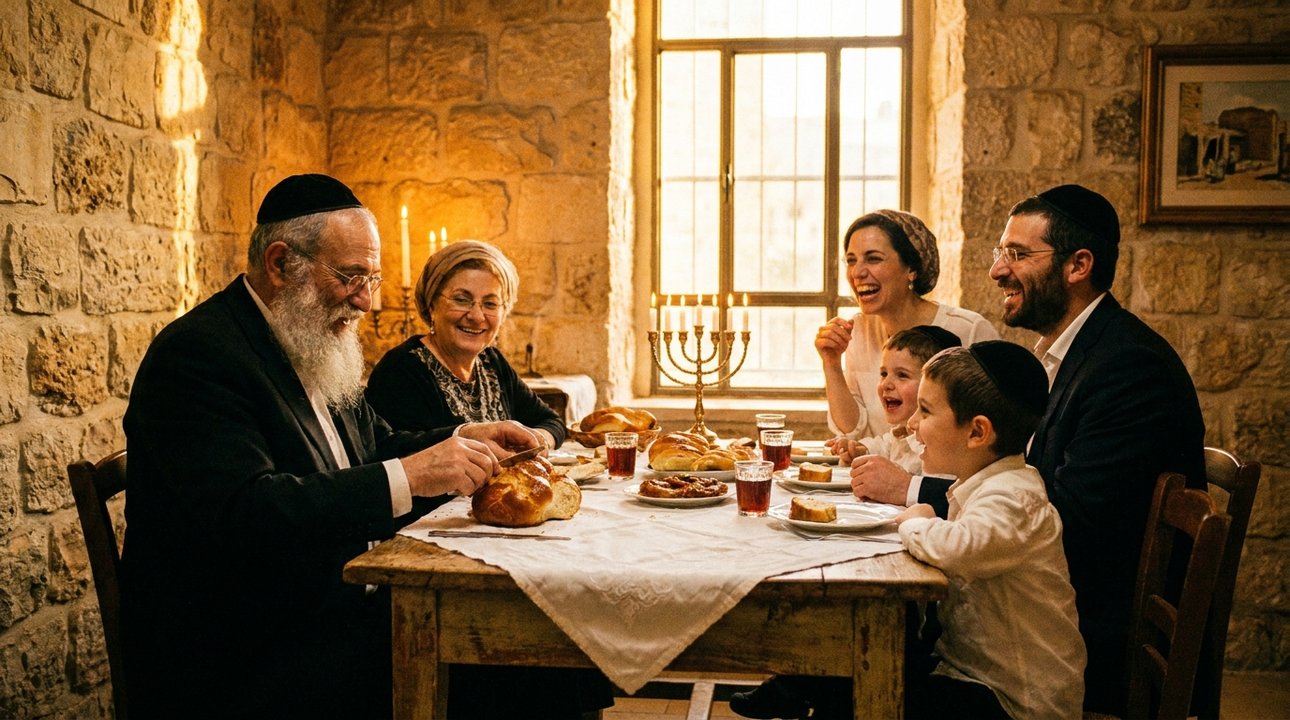
The adaptive nature also means it evolves with each generation, welcoming new variations and strategies. In a fast-paced world, five stones offers a moment of pause and playful connection. In Israel, it is often played during family gatherings and holidays.
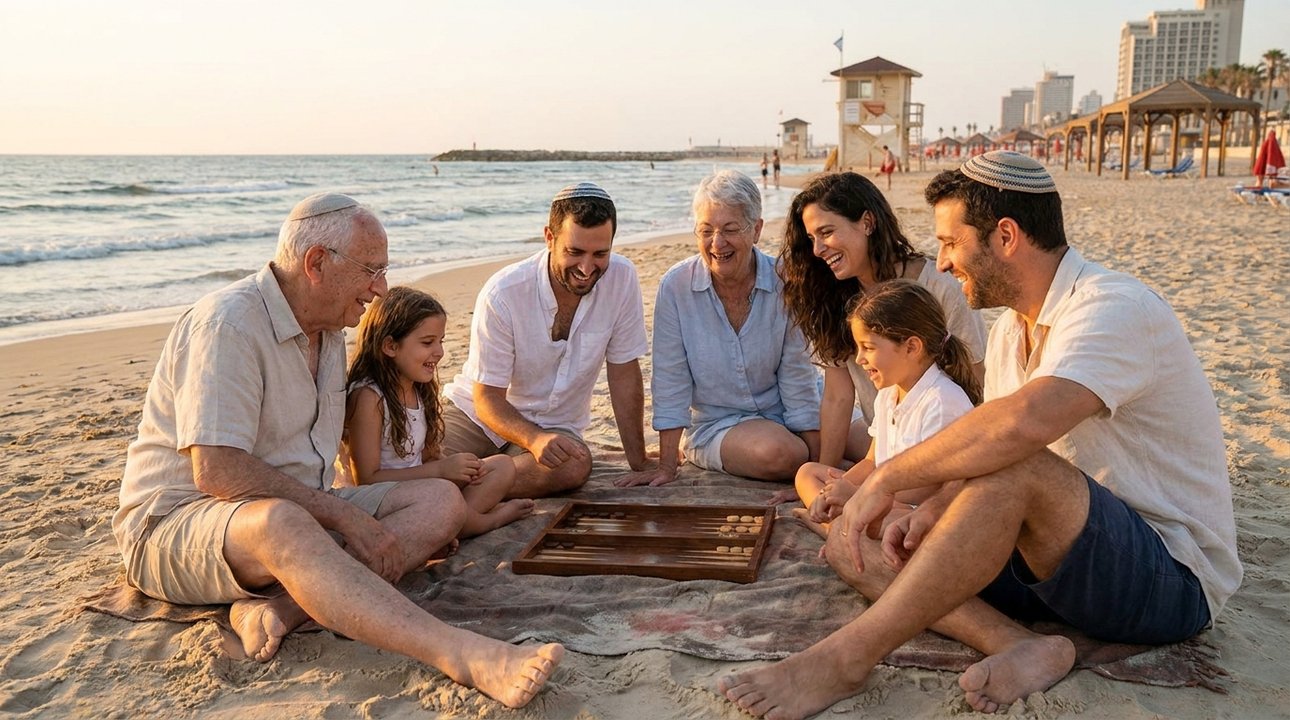
The game’s simplicity allows it to be played anywhere, from the sandy beaches of Tel Aviv to the bustling streets of Jerusalem. This accessibility makes it a cherished pastime for many.
As families gather, it becomes a tool for bonding, teaching younger generations about patience and coordination. The shared laughter and friendly competition create lasting memories, much like the ancient Israelites who found joy in simple games during their travels.
Game Basics
