
Unveiling the Secrets of Nimrod Castle


Nestled in the northern Golan Heights, Nimrod Castle overlooks the scenic landscape of Israel. Perched on the slopes of Mount Hermon, it offers breathtaking views of the surrounding valleys and hills.
Its ancient stones embody centuries of history and mystery. Built in the 13th century by the Ayyubid dynasty, the castle has witnessed countless historical events, including the Crusades and the struggles between various Middle Eastern powers. This historical significance is akin to that of Jerusalem.
The Ayyubid dynasty, founded by Saladin, played a crucial role in the history of the region. Their construction of Nimrod Castle reflects their strategic vision and understanding of the area’s importance. The castle’s location on Mount Hermon is reminiscent of the biblical significance of Mount Sinai, where Moses received the Ten Commandments as described in Exodus 19:20.
The castle’s strategic location made it a key defensive site. It was named after the biblical figure Nimrod, a mighty hunter mentioned in Genesis 10:8-9. This adds a layer of cultural significance, connecting the site to ancient stories and traditions.
Today, visitors can explore its ruins and imagine the lives of those who once walked its halls. The blend of natural beauty and historical intrigue makes Nimrod Castle a captivating destination for history enthusiasts and nature lovers alike. It is reminiscent of the historical significance of the city of Jericho.
Nimrod’s reputation as a mighty hunter and leader adds a layer of intrigue to the castle that bears his name. His story captivates the imagination of those who visit. The castle’s ruins, set against the backdrop of the Golan Heights, offer a glimpse into the past, much like the ancient ruins of the city of Petra, which continue to fascinate archaeologists and tourists alike.
The Origins of Nimrod Castle
Constructed in the early 13th century, Nimrod Castle stands as a majestic reminder of the region’s turbulent past. Originally built by the Ayyubids to defend against the Crusaders, it played a crucial role in the defense of the road to Damascus.
Modern archaeological studies reveal its strategic importance. Historians suggest that the castle may have been named after the biblical Nimrod, known as a mighty hunter and warrior. While the exact connection remains speculative, the name evokes a sense of ancient power and legend.
Nimrod, a figure mentioned in the Book of Genesis, is often associated with strength and prowess. In Genesis 10:8-9, he is described as a mighty hunter before the Lord. This legendary reputation adds a layer of mystique to the fortress bearing his name.
Nimrod’s legendary status continues to intrigue historians and visitors alike, drawing connections between biblical narratives and historical sites. Such connections enrich the experience of exploring Nimrod Castle, enhancing its atmosphere of mystery and allure, much like the stories of Samson in Judges 16:29-30.
The tales of Nimrod, like those of Gilgamesh from ancient Mesopotamian mythology, captivate the imagination and invite exploration. His story adds layers of intrigue to the castle that bears his name. Visitors are drawn into a world where the lines between history and myth blur, much like the stories of the legendary city of Troy, which continue to fascinate historians and adventurers alike.
Architecture and Design
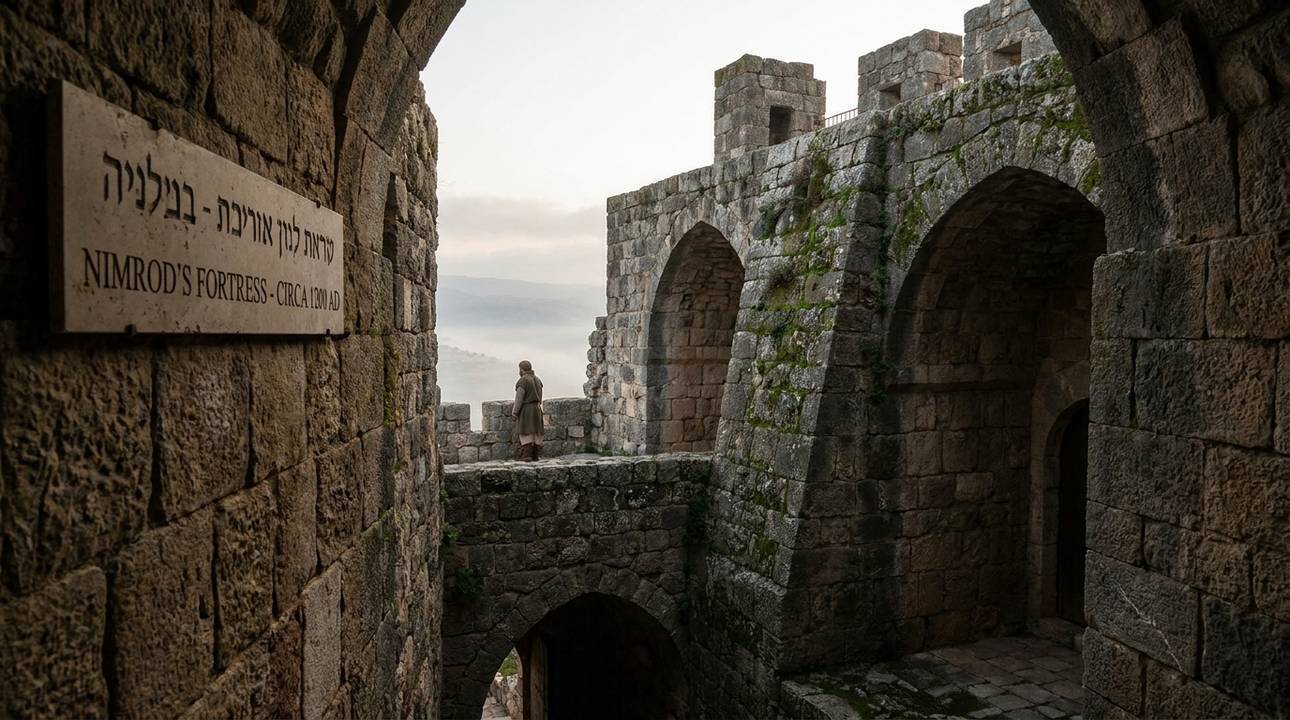
The architecture of Nimrod Castle reflects its strategic importance and the artistry of medieval builders. Sprawling over 420 meters, it features massive towers and thick walls, providing both defense and a commanding view of the surroundings.
Ingenious designs such as arrow slits and secret passages highlight the tactical ingenuity of its builders. Construction began in 1228 under the direction of Al-Aziz Uthman, a nephew of Saladin, during the Crusader period, reminiscent of the fortress of Masada.
The builders of Nimrod Castle, like those of the ancient city of Babylon, utilized their knowledge of architecture and engineering to create a structure that has stood the test of time. The castle’s design reflects a deep understanding of both form and function, ensuring its place in history as a marvel of medieval architecture. Visitors can almost hear the echoes of the past, much like the stories of the walls of Jericho in Joshua 6:20.
They ensured that the castle remained a formidable bastion against invading forces. Expanded and fortified by the Mamluks in the 13th century, it further enhanced its defensive capabilities.
The architecture is a testament to the skill and innovation of its builders, who utilized the natural landscape to their advantage. The strategic placement of towers and walls allowed defenders to monitor and control the surrounding area effectively, similar to the defensive strategies at Masada.
The Mamluks, known for their military prowess, fortified Nimrod Castle to withstand sieges and attacks. The castle’s design reflects a deep understanding of medieval warfare, utilizing the natural terrain to create a stronghold that could repel even the most determined of invaders.
Visiting the castle offers a vivid glimpse into medieval military architecture. With its massive stone walls and towers, it stands as a testament to the engineering prowess of its builders. As you wander through its ruins, a palpable sense of history envelops you.
The intertwining of natural beauty and man-made fortifications creates a unique atmosphere. Its strategic location allowed control of the main road leading from the Galilee to Damascus, a crucial route during the medieval period.
It’s a place where ancient stories seem to whisper through the stones. The craftsmanship of the builders is evident in the intricate details of the stonework, reflecting the artistry of the time.
Such timeless beauty and craftsmanship continue to captivate those who explore its depths. The castle’s architecture includes features like arrow slits, designed to provide defenders with a tactical advantage while remaining protected from enemy attacks.
The builders of Nimrod Castle, like those of the ancient pyramids, used their knowledge and skills to create a structure that has stood the test of time. The castle’s design reflects a deep understanding of both form and function, ensuring its place in history as a marvel of medieval architecture. Visitors can almost hear the echoes of the past, much like the stories of the walls of Jericho in Joshua 6:20.
Legends and Myths Surrounding Nimrod’s Castle
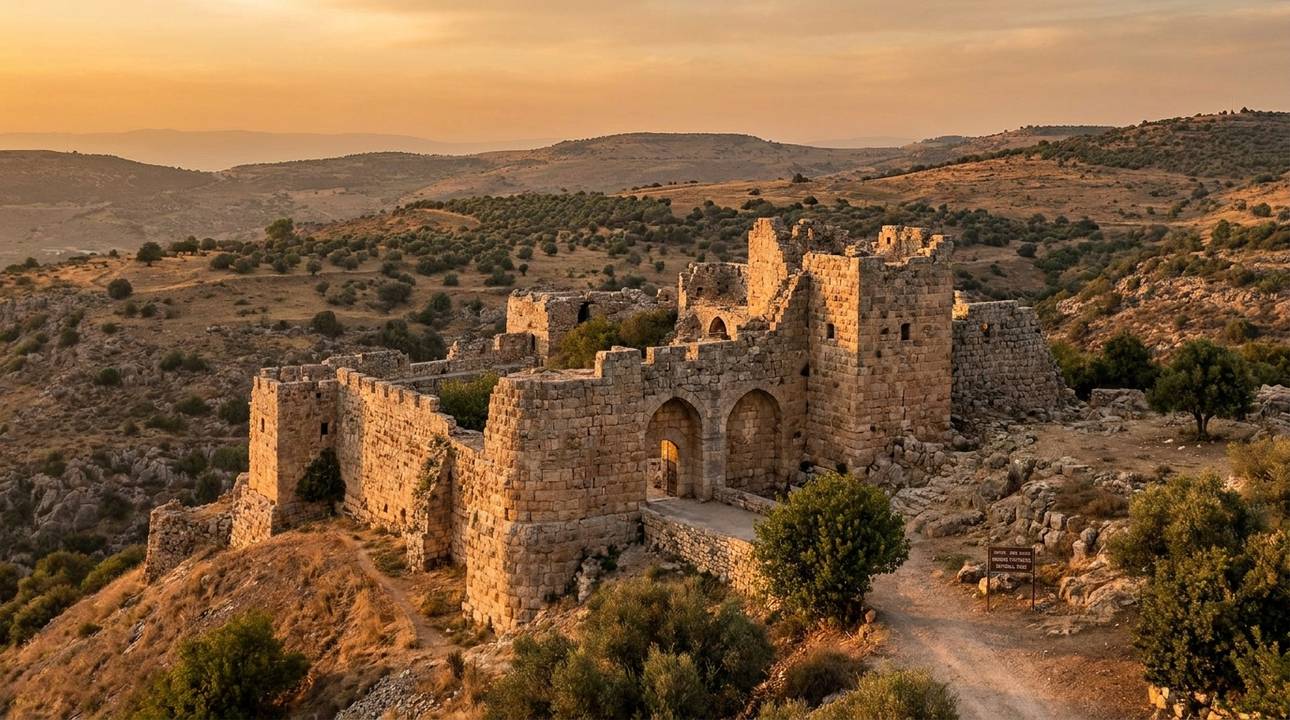
Nimrod Castle is shrouded in legends that intertwine with local folklore. One popular tale suggests that treasure is buried within its walls, tempting adventurers to seek fortune. This legend has persisted for generations, adding to the allure of the site.
Others whisper of ghostly apparitions wandering its ancient halls. These unverified stories add an intriguing layer to the already fascinating history of the castle, reflecting the human fascination with mystery and adventure, much like the tales of the lost Ark of the Covenant in 1 Samuel 4:11.
The allure of hidden treasures and ghostly apparitions captivates the imagination of visitors, much like the legends of ancient mines. These tales, passed down through generations, add a sense of mystery and adventure to the castle. They serve as a reminder of the power of folklore in shaping our understanding of history and place, akin to the legendary city of Atlantis.
Each tale serves as a captivating reminder of the human fascination with mystery and adventure. The castle’s rich history, combined with these legends, creates a tapestry of intrigue that draws visitors from around the world.
The stories of treasure and ghosts are part of the cultural heritage of the region, passed down through generations. They remind us of the enduring power of storytelling and the way it shapes our understanding of history and place.
The legends surrounding Nimrod Castle, like those of the Holy Grail, captivate the imagination and invite exploration. Whether about hidden riches or spectral figures, these stories add layers of intrigue to the site. They serve as a testament to the power of myth and legend in shaping our understanding of history, much like the tales of the lost city of Petra, which continue to fascinate historians and adventurers alike.
The allure of unexplained phenomena draws visitors and helps preserve the castle’s enigmatic reputation. The blending of historical facts with captivating myths creates a rich tapestry of intrigue.
Every explorer of Nimrod Castle carries away stories both of the tangible past and the intangible imagination. The fortress, with its blend of history and legend, continues to inspire wonder and curiosity among those who visit, reminiscent of the fascination with the Ark of the Covenant in 1 Samuel 5:1-4.
The myths surrounding Nimrod Castle are like those of the lost city of Atlantis, capturing the imagination and sparking a sense of adventure. These tales, whether of hidden treasures or ghostly apparitions, add layers of mystery to the site. Visitors are drawn into a world where the lines between history and myth blur, much like the stories of ancient mines, which have intrigued explorers for centuries.
In this way, the fortress continues to inspire wonder and curiosity. It connects us to the enduring legacy of storytelling across generations. The tales of Nimrod Castle, whether based in fact or fiction, enrich our understanding of human history and the ways in which we interpret the past.
This connection is not only about historical events but also about the narratives that have been passed down.
The castle’s lore, akin to the tales of Samson in Judges 16:29-30, captures the imagination of those who hear them. The stories are woven into the fabric of cultural memory, reminding us of the power of narrative to shape our view of history. Whether through the lens of archaeology or legend, Nimrod Castle stands as a testament to the human fascination with the stories that define us.
The Cultural Significance of Nimrod Castle
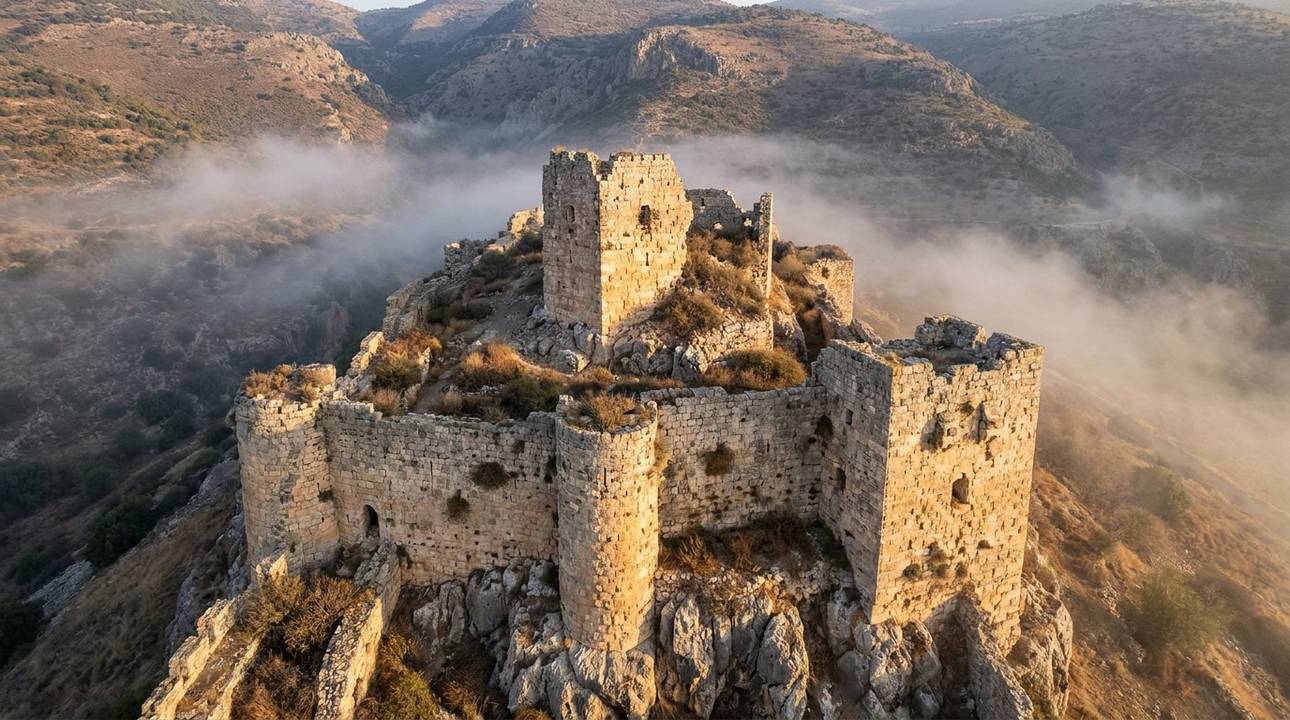
Beyond its historical and architectural significance, Nimrod Castle holds cultural value. It serves as a reminder of the region’s diverse heritage and the civilizations that once flourished here. The castle embodies a connection to the past, bridging ancient times with our modern world.
Visitors often feel a deep sense of connection to the stories embedded in the stonework. This shared heritage fosters a sense of unity and appreciation among those who visit, akin to the cultural significance of the Western Wall in Jerusalem.
The cultural significance of Nimrod Castle is akin to that of the ancient city of Megiddo, a site of numerous biblical battles. Both serve as reminders of the rich tapestry of history that has shaped the region. The castle’s presence is a testament to the enduring legacy of the peoples who have lived and thrived in this land, much like the stories of the ancient Israelites in the Bible.
The castle’s location in the Golan Heights, a region with a complex history, adds to its cultural significance. It has been a site of conflict and cooperation, reflecting the broader historical narratives of the area.
By exploring Nimrod Castle, visitors gain insight into the rich tapestry of cultures and peoples that have shaped this land. The castle stands as a symbol of resilience and continuity, linking past and present in a tangible way, similar to the significance of the Tower of Babel in Genesis 11:1-9.
The Golan Heights has seen significant historical events, from ancient times to modern conflicts. The castle serves as a reminder of the diverse peoples who have called this region home, from the Canaanites to the Israelites. Its strategic location has made it a focal point in many historical narratives.
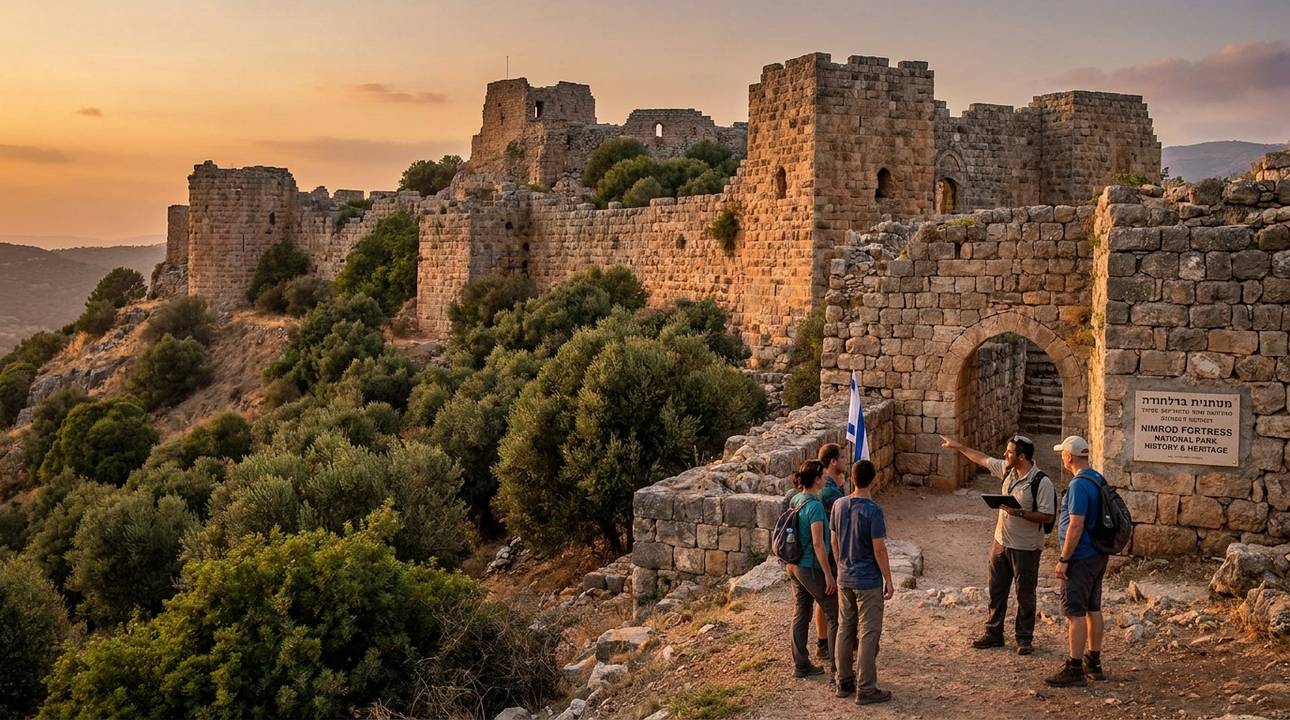
As a cultural landmark, the castle encourages discovery and appreciation of Israel’s historical landscape. Through exhibitions and guided tours, it offers educational opportunities that enrich our understanding.
Preservation initiatives ensure that future generations can continue to explore and learn from this iconic site. Such efforts reflect a commitment to celebrating and safeguarding the shared history that Nimrod Castle represents.
It’s an enduring symbol of resilience and the shared human experience across time.
Nimrod Castle Insights
