
Exploring the World of Israeli Desserts
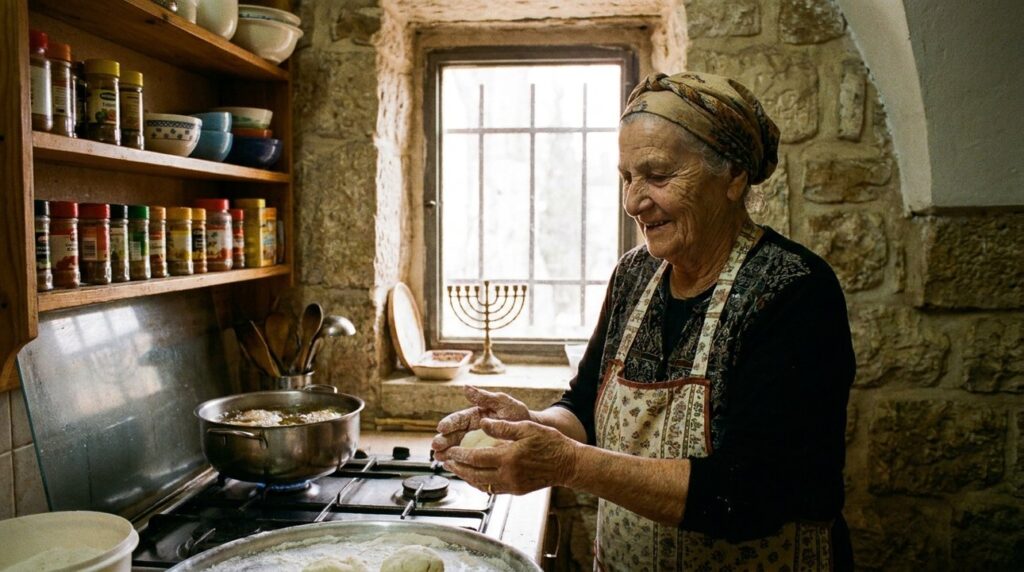

Israeli desserts offer a delightful journey through diverse flavors and rich traditions. From beloved classics like Halvah to festive treats like Sufganiyot, each dessert tells a story.
Halvah, for example, has roots in ancient Persia and is made from tahini, a sesame paste, which has been a staple in Middle Eastern cuisine for centuries. In this exploration, we will uncover the essence of Israel’s sweet offerings and the cultural roots behind them.
The diversity of Israeli desserts reflects the country’s varied cultural influences, from Ashkenazi to Sephardic traditions. Baklava, a dessert with layers of filo pastry and nuts, is another example, illustrating the Ottoman influence on Israeli cuisine.
Each dessert not only delights the palate but also serves as a testament to the rich tapestry of cultures that make up Israeli society.
The presence of such diverse desserts highlights the fusion of flavors and traditions that define Israeli culinary identity, offering a taste of the nation’s multicultural heritage.
Israeli desserts are a celebration of the country’s diverse cultural influences, with each treat offering a glimpse into the unique traditions and histories of the communities that call Israel home.
From the flaky layers of baklava to the sweet, nutty flavors of halvah, these desserts showcase the creativity and adaptability of Israeli cuisine.
The blending of traditional and modern influences in Israeli desserts reflects the dynamic nature of the country’s culinary landscape, where innovation and tradition coexist harmoniously.
Sufganiyot: A Hanukkah Delight
Sufganiyot, the jelly-filled donut, is a favorite during Hanukkah. These treats have become synonymous with the holiday, symbolizing the miracle of light with their rich, warm sweetness.
The tradition of eating fried foods during Hanukkah is linked to the miracle of the oil that lasted eight days, as described in the Talmud. Each bite offers a delicious reminder of the historical and cultural significance of Hanukkah, connecting families through shared taste and memory.
The sufganiyah’s popularity surged in Israel in the 1920s, becoming a staple of the holiday season. Today, bakeries across the country offer various fillings, from classic jelly to modern twists like chocolate or caramel.
This evolution reflects both the preservation of tradition and the embrace of culinary innovation, making sufganiyot a beloved part of Hanukkah celebrations in Israel and beyond.
The round, fried doughnut is traditionally filled with jelly and dusted with powdered sugar, symbolizing the miracle of oil during Hanukkah.
The evolution of sufganiyot fillings showcases the creativity and adaptability of Israeli bakers, who continue to innovate while honoring traditional flavors.
The treat’s association with Hanukkah is deeply rooted in Jewish culture, as it commemorates the miracle of the oil that lasted eight days in the rededication of the Second Temple in Jerusalem, as described in the Talmud.
Sufganiyot’s role in Hanukkah celebrations highlights the importance of tradition and innovation in Israeli cuisine, as families gather to enjoy this festive treat.
Halvah: A Traditional Sweet
Halvah is one of Israel’s most cherished desserts, made with tahini and sugar, and has been enjoyed since the time of the ancient Persians. This sweet treat is enjoyed across the Middle East and varies in texture and flavor, from crumbly to smooth.
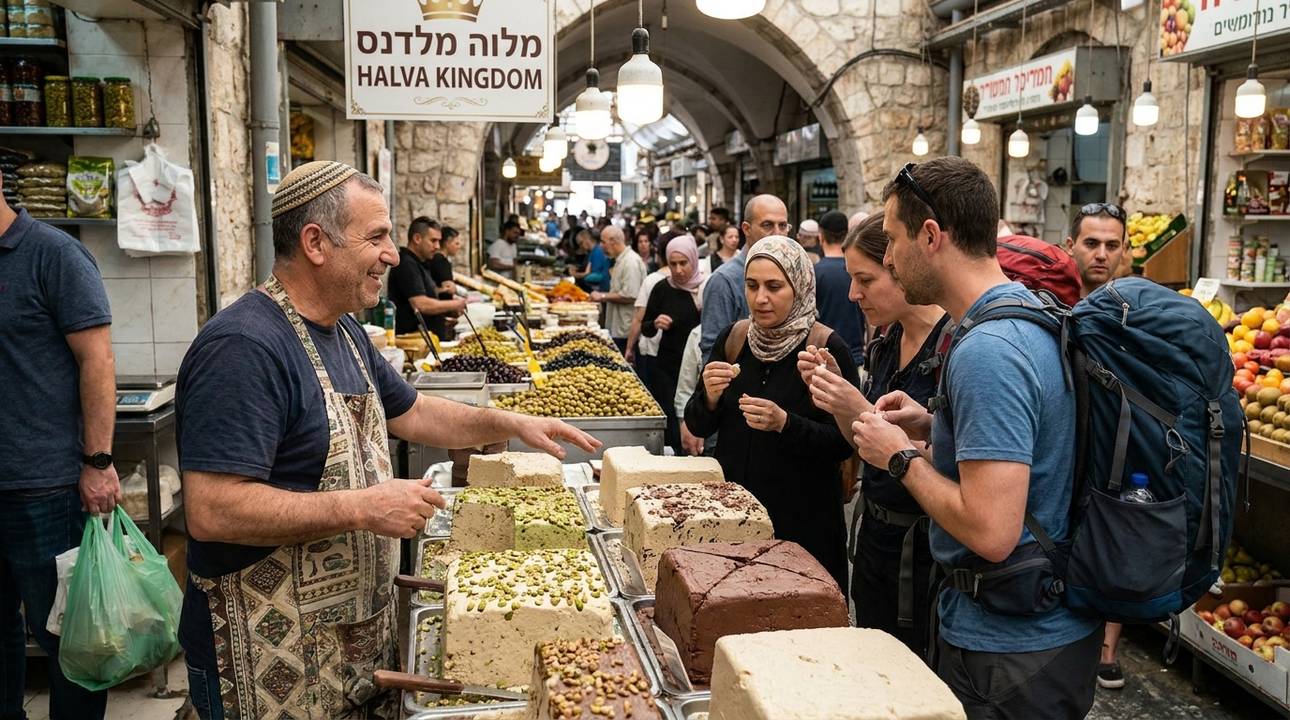
Halvah represents the connection to ancient dietary practices and culinary traditions, serving as a link to the past. In markets like Mahane Yehuda in Jerusalem, halvah is available in a wide array of flavors, showcasing the creativity and diversity of Israeli dessert culture.
The enduring popularity of halvah highlights its significance in Israeli culinary traditions, as it continues to be a beloved treat for both locals and visitors.
The variety of flavors available, from pistachio to chocolate, reflects the fusion of traditional and modern influences that define Israeli cuisine.
Halvah’s rich history and adaptability make it a symbol of cultural continuity, as it bridges the gap between ancient practices and contemporary tastes, offering a taste of Israel’s diverse culinary heritage.
In Israel, halvah is often found in markets like the famous Mahane Yehuda in Jerusalem, where vendors offer a variety of flavors, including pistachio and chocolate. This bustling market is a hub of culinary diversity, attracting both locals and tourists eager to experience authentic Israeli flavors.
This diversity in halvah reflects the fusion of old and new, as traditional recipes are reimagined to cater to modern tastes while preserving their historical roots.
Halvah, made primarily from tahini and sugar, has been a beloved treat since the time of the ancient Persians, showcasing its enduring appeal.
The presence of halvah in markets like Mahane Yehuda highlights the vibrant food culture of Israel, where traditional and contemporary influences come together to create a unique culinary experience.
The market itself is a testament to the rich tapestry of cultures that make up Israeli society, offering a glimpse into the country’s diverse heritage.
Halvah’s versatility in flavor and texture, ranging from crumbly to smooth, allows it to be enjoyed in various forms, making it a popular choice for those seeking a taste of Israel’s culinary history.
Knafeh: A Royal Dessert
Knafeh is a dessert enjoyed throughout Israel and the Middle East, with its roots tracing back to the Ottoman Empire. Made with thin, noodle-like pastry soaked in syrup, it’s often topped with cheese or nuts, creating a rich and flavorful experience.
This dessert embodies the fusion of flavors and cultures that characterize Israeli cuisine, highlighting the region’s diverse culinary heritage. Knafeh’s preparation requires skill and precision, as the delicate balance of ingredients is essential to achieving its signature taste and texture.
The popularity of knafeh in Israel and beyond is a testament to its enduring appeal, as it continues to be a favorite at festive gatherings and celebrations.
Its vibrant orange color and sweet aroma make it a centerpiece of Middle Eastern hospitality, symbolizing generosity and the sharing of joy through food.
Knafeh’s role in Israeli dessert culture highlights the importance of tradition and community, as families and friends come together to enjoy this beloved treat and celebrate their shared heritage.
In cities like Nablus, knafeh is a celebrated specialty, often enjoyed during festive gatherings and family celebrations. This dessert is deeply rooted in the culinary traditions of the Middle East, with its origins believed to date back to the Ottoman Empire’s influence in the region.
The dessert’s vibrant orange color and sweet aroma make it a centerpiece of Middle Eastern hospitality, symbolizing generosity and the sharing of joy through food.
Knafeh’s preparation involves a delicate balance of ingredients, typically using shredded filo pastry soaked in syrup and layered with cheese or nuts. This intricate process highlights the artistry involved in creating such a beloved dish.
Knafeh is not only a treat for the taste buds but also a cultural symbol that brings people together, fostering a sense of community and shared heritage. Its presence at gatherings often signifies celebration and unity, as families and friends come together to enjoy this sweet delight.
The tradition of serving knafeh during special occasions underscores its role in marking significant moments, making it a cherished part of the Middle Eastern culinary landscape. In many ways, knafeh embodies the spirit of hospitality and warmth that is central to the region’s cultural identity.
Krembo: A Winter Favorite
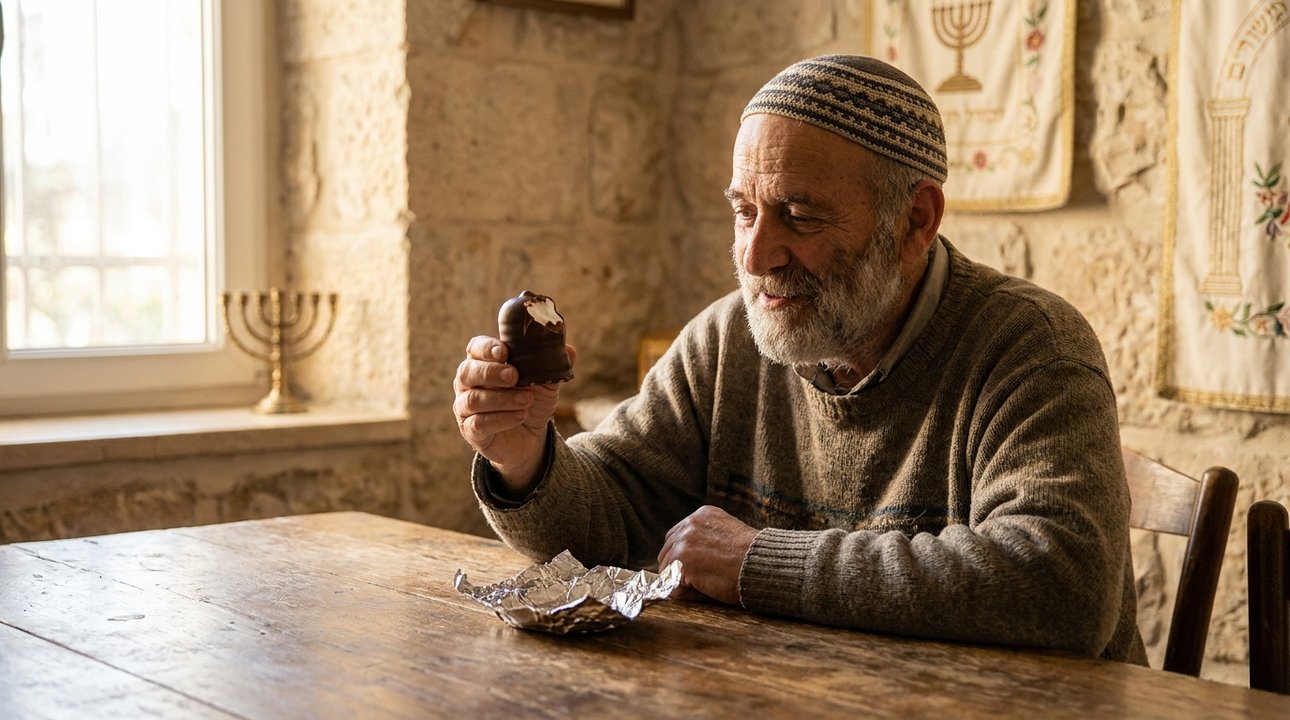
Krembo is a seasonal treat enjoyed in the colder months, particularly from November to February. Featuring a marshmallow-like center on a biscuit, covered in chocolate, it offers unique textures that delight many.
Krembo’s popularity reflects the blending of international influences in Israeli desserts, as it incorporates elements from European confectionery traditions.
The treat’s origins can be traced back to the 1960s, when it was introduced to Israel and quickly became a favorite among children and adults alike.
The seasonal availability of Krembo adds to its charm, making it a much-anticipated treat during the winter months. Its combination of creamy and crunchy textures, along with its sweet chocolate coating, creates a delightful sensory experience that has captivated generations.
Krembo’s enduring appeal is a testament to the creativity and adaptability of Israeli dessert culture, as it continues to evolve and incorporate new influences while maintaining its unique identity.
The name ‘Krembo’ is derived from the Hebrew words ‘krem’ (cream) and ‘bo’ (in it), highlighting its creamy filling. This treat has become a cultural icon in Israel, often associated with childhood memories and wintertime indulgence, showcasing the playful side of Israeli dessert culture.
Introduced to Israel in the 1960s, Krembo quickly gained popularity, especially among children, due to its unique combination of textures and flavors. It is typically enjoyed during the colder months, providing a comforting and nostalgic treat for many Israelis.
Krembo’s marshmallow-like center, resting on a biscuit base and coated with a layer of chocolate, offers a delightful contrast of textures that has captivated generations. Its seasonal availability from November to February adds to its allure, making it a much-anticipated treat each year.
The popularity of Krembo reflects the blending of international influences in Israeli desserts, as it incorporates elements from European confectionery traditions.
This fusion of flavors and cultural elements is a testament to Israel’s diverse culinary landscape, where traditional and modern influences coexist harmoniously.
Honey Cookies: Sweet Simplicity
Honey cookies are an iconic Israeli treat often made during festive occasions such as Rosh Hashanah, the Jewish New Year. Their simplicity highlights the use of natural, rich ingredients, bringing forth the sweetness of honey, which symbolizes prosperity and good fortune.
This dessert connects families, reminding them of home and tradition, as they gather to celebrate and share. The practice of baking and enjoying honey cookies during Rosh Hashanah is a cherished tradition that reinforces familial bonds and cultural heritage.
The golden hue and comforting taste of honey cookies make them a beloved part of Rosh Hashanah celebrations, as they embody the hope for a sweet and prosperous new year.
The act of sharing these cookies with loved ones fosters a sense of community and togetherness, as families come together to reflect on the past year and look forward to the future.
Honey cookies are more than just a treat; they are a symbol of continuity and connection, linking generations through shared traditions and memories.
The tradition of using honey during Rosh Hashanah is rooted in the desire for a sweet year ahead, as mentioned in various Jewish teachings. Honey is often seen as a symbol of prosperity and sweetness, and its use during the Jewish New Year reflects these aspirations.
Honey cookies, with their golden hue and comforting taste, embody this wish, making them a staple in Jewish households during this time of reflection and renewal.
The practice of eating honey during Rosh Hashanah highlights the cultural significance of Israel, known for its rich agricultural heritage.
These honey cookies are not only a treat for the palate but also a meaningful part of the Rosh Hashanah celebration, serving as a reminder of the sweetness and abundance that the new year may bring.
Families often gather to bake and enjoy these cookies together, reinforcing bonds and creating cherished memories.
The act of sharing honey cookies during this festive time highlights the importance of community and togetherness in Jewish culture, as loved ones come together to celebrate and reflect on the year ahead.
Haroset: The Taste of Tradition
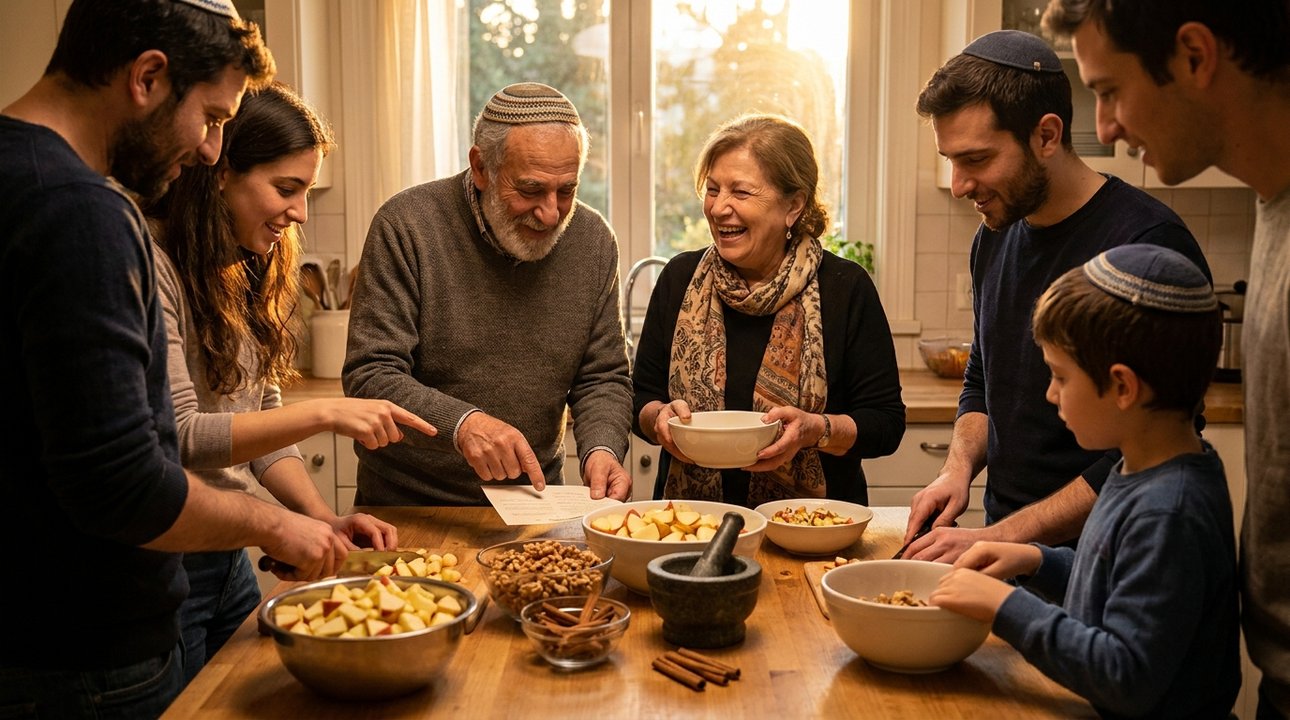
Haroset is a symbolic dessert eaten during Passover, a festival commemorating the Hebrews’ liberation from slavery in Egypt (Exodus 12:14). Made with apples, nuts, wine, and spices, it represents the mortar used by Hebrew slaves in Egypt.
This dish is a powerful reminder of perseverance and faith, as it connects families to their ancestral stories and struggles.
The preparation of haroset is often a cherished family tradition, with each household adding its unique touch to the recipe, reflecting the diversity of Jewish communities worldwide.
The symbolic nature of haroset extends beyond its ingredients, as it serves as a reminder of the resilience and strength of the Jewish people throughout history.
By incorporating local flavors and ingredients, Jewish communities around the world have adapted this traditional dish to reflect their unique cultural identities.
The act of making and sharing haroset during Passover fosters a sense of unity and continuity, as families come together to celebrate their shared heritage and the enduring spirit of their ancestors.
The ingredients of haroset vary by community, with Sephardic Jews often including dates and figs, while Ashkenazi Jews might use apples and walnuts.
This variation reflects the diverse Jewish diaspora and the adaptation of traditions to local ingredients, reinforcing the shared heritage and resilience of the Jewish people throughout history.
Haroset is traditionally eaten during Passover, symbolizing the mortar used by Hebrew slaves in Egypt, as described in Exodus 12:14. This dish serves as a powerful reminder of perseverance and faith, connecting families to their ancestral stories and struggles.
The preparation of haroset is often a family affair, with each generation passing down their unique recipes and techniques. This practice not only preserves cultural traditions but also strengthens familial bonds, as loved ones come together to create this meaningful dish.
Haroset’s role in the Passover Seder highlights its significance in Jewish culture, serving as a tangible link to the past and a symbol of hope for the future. The diversity of ingredients used in haroset underscores the adaptability and resilience of Jewish communities worldwide.
Modern Twists on Traditional Desserts
Modern Israeli bakers often add creative twists to traditional desserts, drawing inspiration from global culinary trends. From unique flavor infusions to combining ingredients from different cultures, the creativity is endless, as seen in desserts like tahini-infused chocolate cake.
These innovations ensure that Israeli desserts continue to evolve, delighting new generations while respecting traditional roots. The blending of flavors and techniques reflects the dynamic nature of Israeli cuisine, where tradition and modernity coexist harmoniously.
The innovative spirit of Israeli bakers is evident in their ability to transform classic desserts into contemporary masterpieces, incorporating new ingredients and techniques while honoring traditional recipes.
This approach to dessert-making fosters a sense of continuity and connection, as each creation serves as a bridge between past and present.
By embracing global influences and pushing culinary boundaries, Israeli desserts offer a taste of the nation’s vibrant and diverse culinary landscape, inviting people to explore the rich tapestry of flavors that define Israeli cuisine.
Celebrating Israel Through Sweets
Desserts in Israel are more than treats; they are a celebration of tradition and innovation. From the joyous festivals to everyday gatherings, these sweets bring people together. For instance, during Purim, hamantaschen are shared to commemorate the story of Esther, as told in the Book of Esther.
Exploring such desserts offers not just flavors but a sense of connection to Israel and its rich history, weaving together past and present.
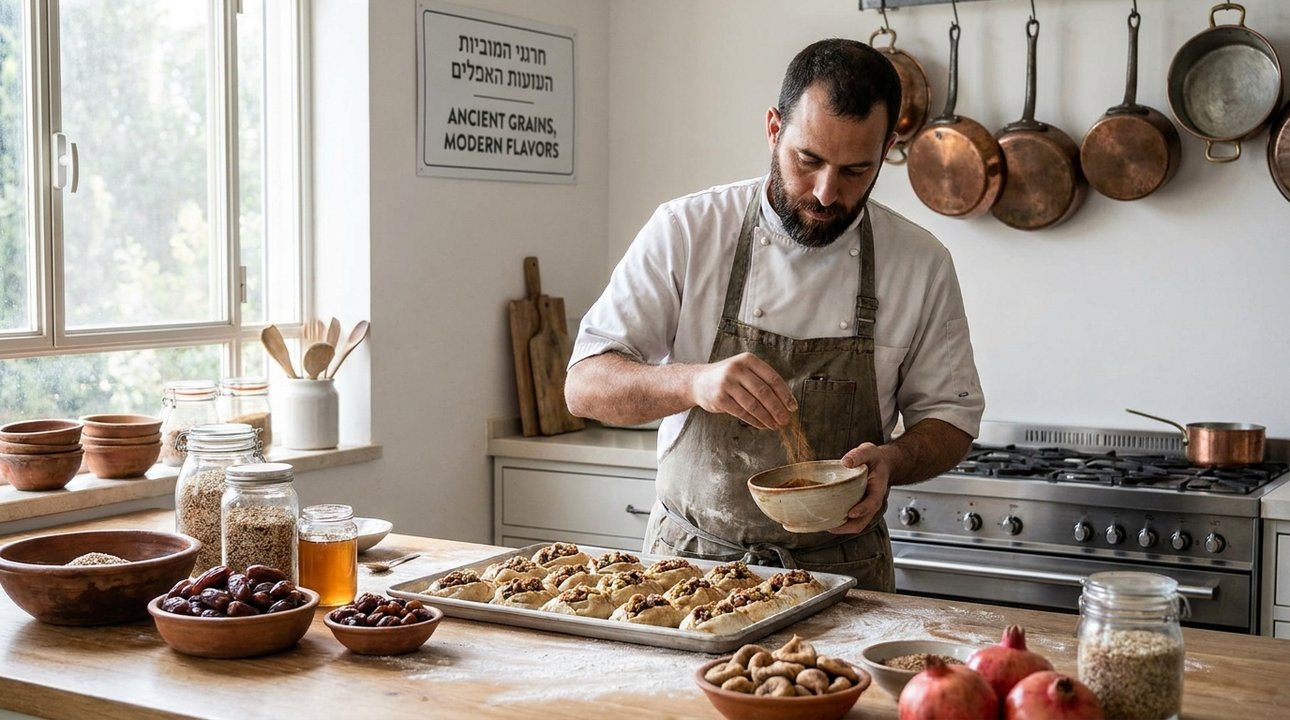
Israeli desserts often incorporate ingredients like dates, honey, and nuts, which have been staples for centuries, reflecting the rich agricultural heritage of the region.
These ingredients are not only delicious but also hold cultural and historical significance, showcasing Israel’s culinary landscape, where every sweet dish tells a story of cultural heritage and community bonding.
The use of traditional ingredients in contemporary recipes highlights the connection between past and present, creating a unique culinary experience.
The incorporation of these time-honored ingredients into modern desserts ensures that Israeli culinary traditions continue to thrive, delighting new generations while honoring the past.
This approach to dessert-making fosters a sense of continuity and connection, as each dish serves as a reminder of the region’s enduring cultural legacy.
By blending ancient flavors with modern techniques, Israeli desserts offer a taste of history and innovation, inviting people to explore the rich tapestry of flavors that define the nation’s culinary identity.
Understanding Israeli Desserts
