The Role of Hyssop in Israel: From Tradition to Today
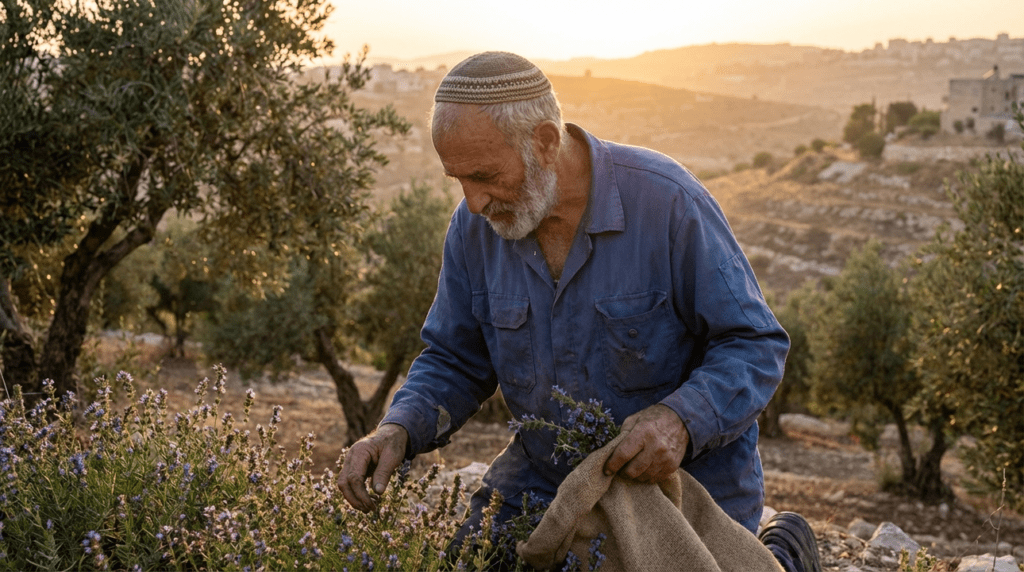

Hyssop has been cherished in Israel for centuries, known for its aromatic and symbolic significance. This beloved herb holds a place in Israeli culture and tradition.
In this article, we explore hyssop’s historical roots, culinary uses, and cultural significance, inviting you to discover its role in Israeli life.
Hyssop’s story is one of enduring cultural richness, deeply intertwined with the land of Israel. This herb is mentioned in the Bible, such as in Exodus 12:22, where it was used during the Passover.
Its historical use highlights the connection between the people of Israel and their land, reflecting a heritage that continues to thrive. In short, hyssop’s presence in Israel is a testament to a living tradition, inspiring generations with its cultural and historical significance.
Hyssop in Ancient Israel: A Historical Overview
Hyssop is mentioned frequently in the Bible, noted for its symbolic and practical roles. In Exodus 12:22, hyssop was used during the first Passover: ‘Take a bunch of hyssop, dip it in the blood in the basin, and put some of the blood on the top and on both sides of the doorframe.
‘ This illustrates its sacred use in rituals, marking its significance to the Israelites. The plant’s cleansing properties are noted in the Psalms as well, where it is used metaphorically for purification: ‘Purge me with hyssop, and I shall be clean’ (Psalm 51:7).
These references highlight hyssop’s revered position within ancient Israeli rites and traditions.
The Hebrew word for hyssop, ‘ezov’, underscores its native presence in Israel, a region where it has thrived for centuries. This hardy plant has adapted to the varied terrains of the land, from the rugged hills of Judea to the lush valleys of the Galilee.
Its resilience made it a crucial part of both daily life and religious practices, as seen in the Bible, where hyssop is mentioned in purification rituals (Exodus 12:22). Understanding the historical use of hyssop offers insight into the spiritual and everyday lives of ancient Israelites.
Hyssop’s ability to flourish in diverse environments ensured its place in the lives of the Israelites. It was used in purification rituals, as seen in Exodus 12:22, for its spiritual significance.
In short, hyssop’s historical usage highlights its dual role as a staple in both the physical and spiritual realms of ancient Israel, symbolizing cleansing and renewal.
Hyssop’s Culinary Journey: From Ancient to Modern Kitchens
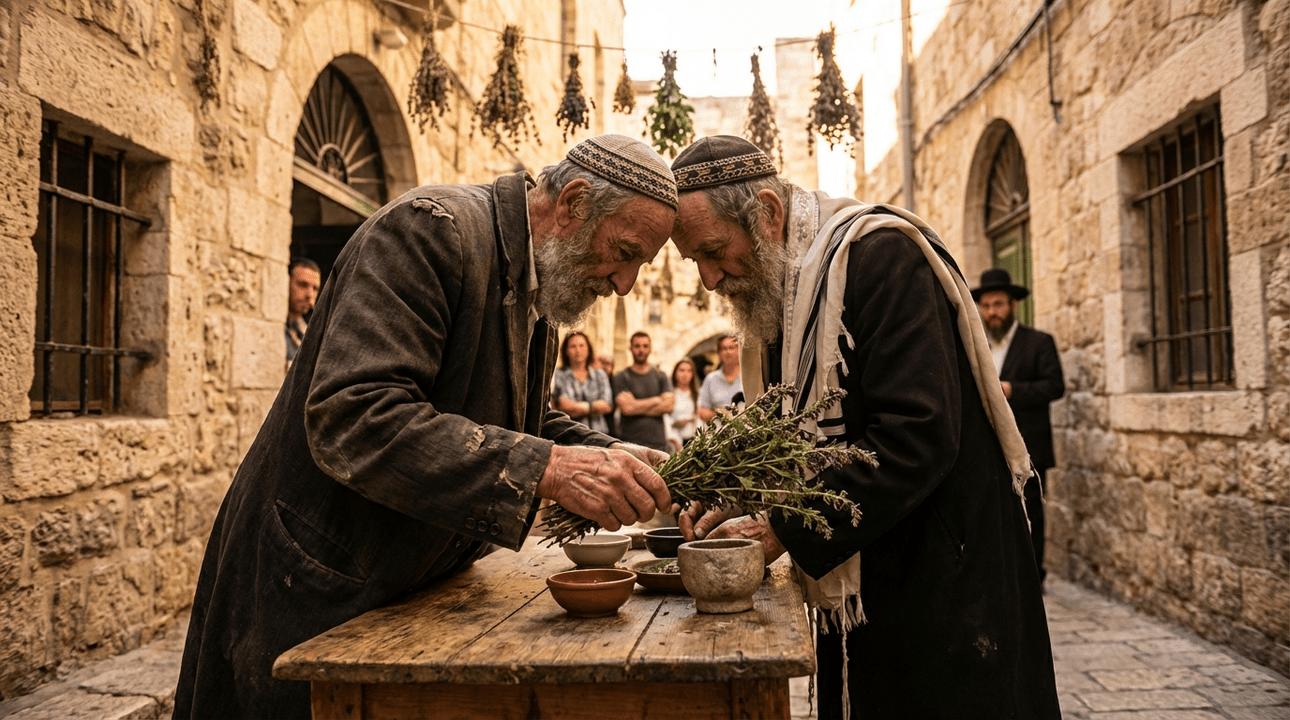
Culinary use of hyssop in Israel spans centuries, linking ancient practices with modern flavors. Hyssop is a key ingredient in za’atar, a beloved spice blend across Israel.
In short, its inclusion in dishes enhances taste and evokes memories of family gatherings and festive occasions, tying meals to cultural heritage.
Hyssop’s aromatic qualities make it a versatile ingredient, ensuring it remains a kitchen staple. Its use in cooking connects with the past, preserving culinary traditions passed down through generations.
In short, hyssop’s role in Israeli cuisine is a testament to its enduring appeal and cultural significance, enriching dishes with its unique flavor and aroma.
Hyssop’s culinary appeal extends beyond taste, significantly impacting the agricultural economy by supporting local farmers. Many of our boxes feature Israeli spices, including those seasoned with hyssop, embodying a commitment to preserving traditional flavors.
This not only celebrates Israeli cuisine but also provides customers with a sensory connection to the land. Your support helps sustain small family farms, allowing them to thrive in a competitive market, ensuring the continuation of a rich culinary heritage.
By purchasing products that include hyssop, you contribute to the preservation of Israeli agricultural traditions. Hyssop is not only a unique flavor but also a cultural and economic staple.
In short, its role in the culinary and economic landscape of Israel highlights its importance, supporting local farmers and enriching culinary traditions.
Cultural Symbolism and Spiritual Connection of Hyssop
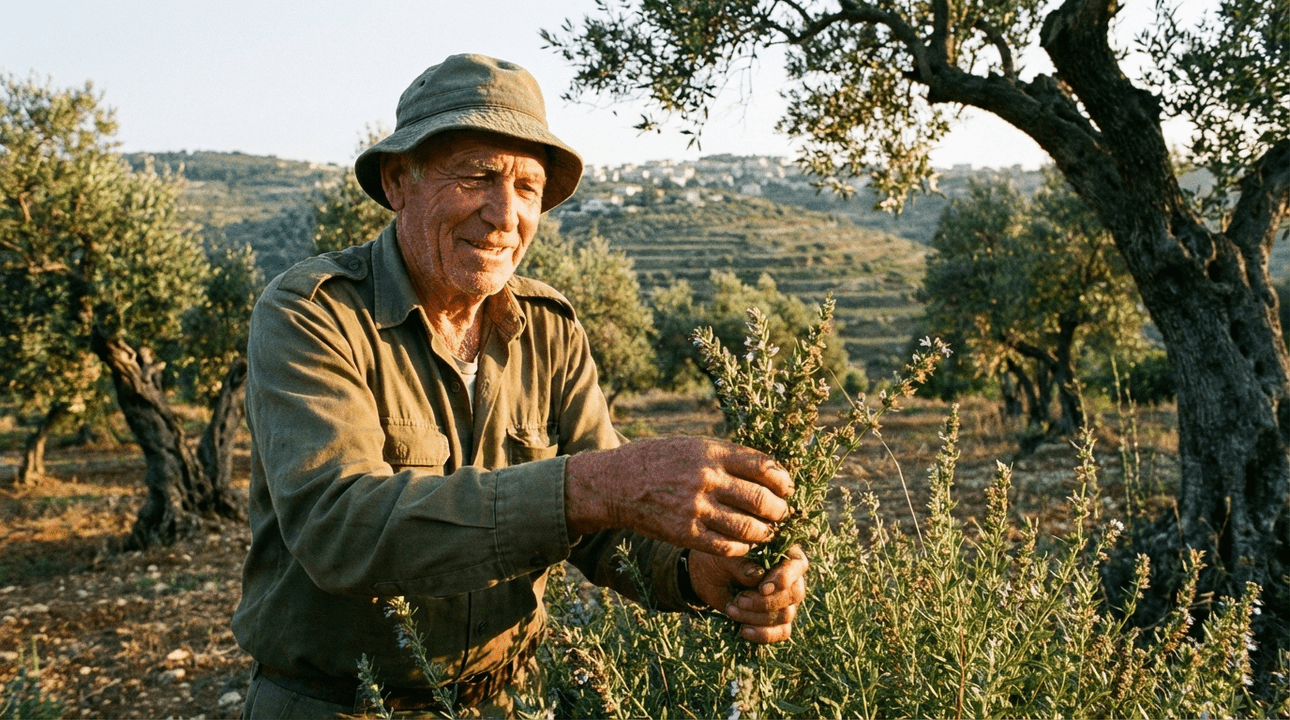
Hyssop holds a profound place in Israel’s spiritual consciousness, symbolizing purification and renewal. Psalm 51:7 mentions it in spiritual cleansing: “Purge me with hyssop, and I shall be clean.”
In short, its recurring presence in Jewish customs speaks to an ongoing relationship between faith and nature, highlighting its spiritual significance.
Hyssop’s symbolism in purification rituals is deeply rooted in spiritual practices. In the Bible, it is mentioned in Leviticus 14:4-6 during cleansing ceremonies, highlighting its spiritual significance.
This herb continues to symbolize cleansing and renewal, reminding us of the connection between nature and spirituality. In short, hyssop’s role in rituals underscores its timeless importance, linking the physical and spiritual worlds.
In Jewish mysticism, hyssop is seen as a bridge between the mundane and the holy. Its small stature contrasts with its significant impact, embodying humility and resilience.
In the Passover story, as described in Exodus 12:22, hyssop was used to mark doorposts with lamb’s blood, symbolizing divine protection and the Israelites’ journey to freedom. These elements define its cultural legacy, enriching Israeli identity and collective memory.
In short, hyssop’s role in history highlights its spiritual and cultural importance.
The Medicinal Use of Hyssop in Israeli Tradition
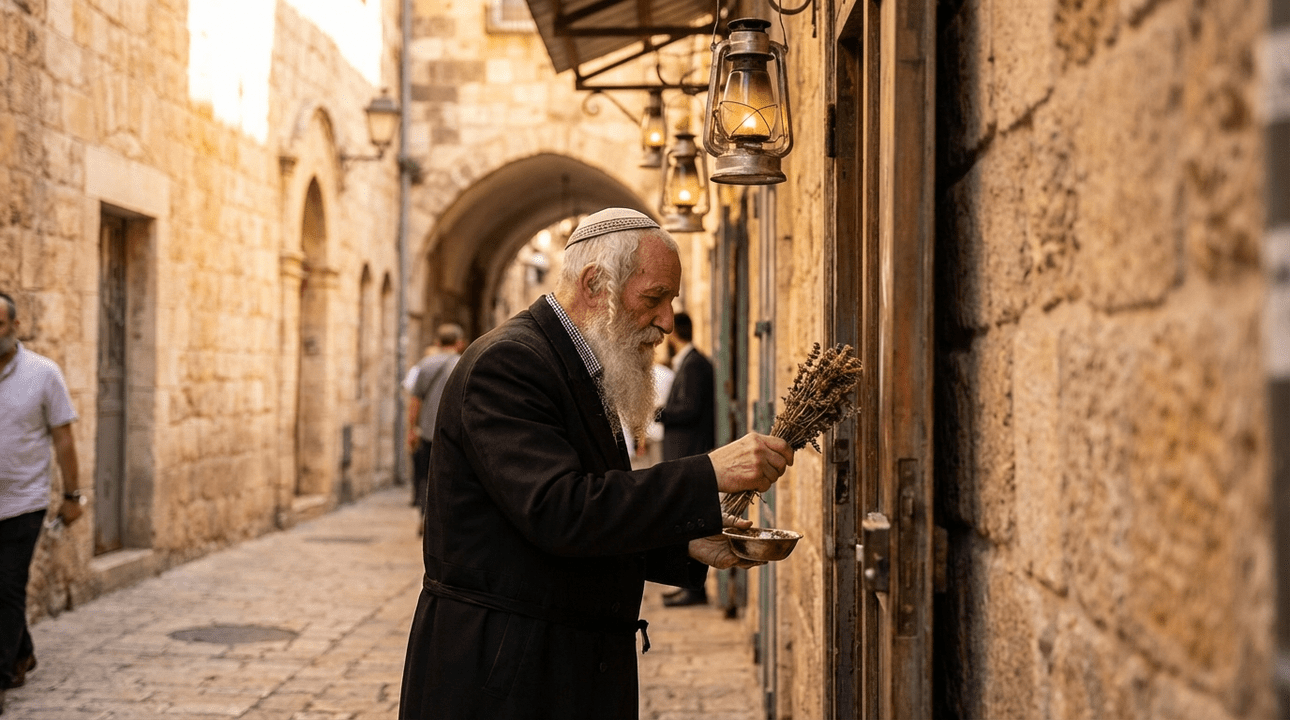
Hyssop’s medicinal properties have been valued since ancient times. Herbalists in Israel have long harnessed its benefits for respiratory health and digestion. Infusions made from its leaves offer relief, demonstrating the plant’s practical uses beyond the sacred context.
In short, nature and healing come together, echoing traditional wisdom through generations.
Hyssop’s healing properties have been recognized for centuries, used in various natural remedies. In ancient Israel, it was valued for its ability to support respiratory health and digestion, as noted in historical texts.
Modern herbalists continue to harness hyssop’s benefits, underscoring the enduring value of traditional practices. In short, hyssop remains relevant today, bridging ancient wisdom with contemporary health practices.
The enduring use of hyssop in natural remedies highlights an ancient practice that persists today. By purchasing hyssop products, you sustain this time-honored tradition. These products offer a holistic approach to well-being, rooted in authentic Israeli heritage.
In short, supporting this market fosters innovation while honoring historical practices.
Embracing hyssop products connects you to a rich tradition of natural healing. This herb has been cherished for generations, known for its healing properties and cultural significance.
In short, using hyssop allows you to experience its benefits while supporting the preservation of cultural heritage, bridging the past with the present.
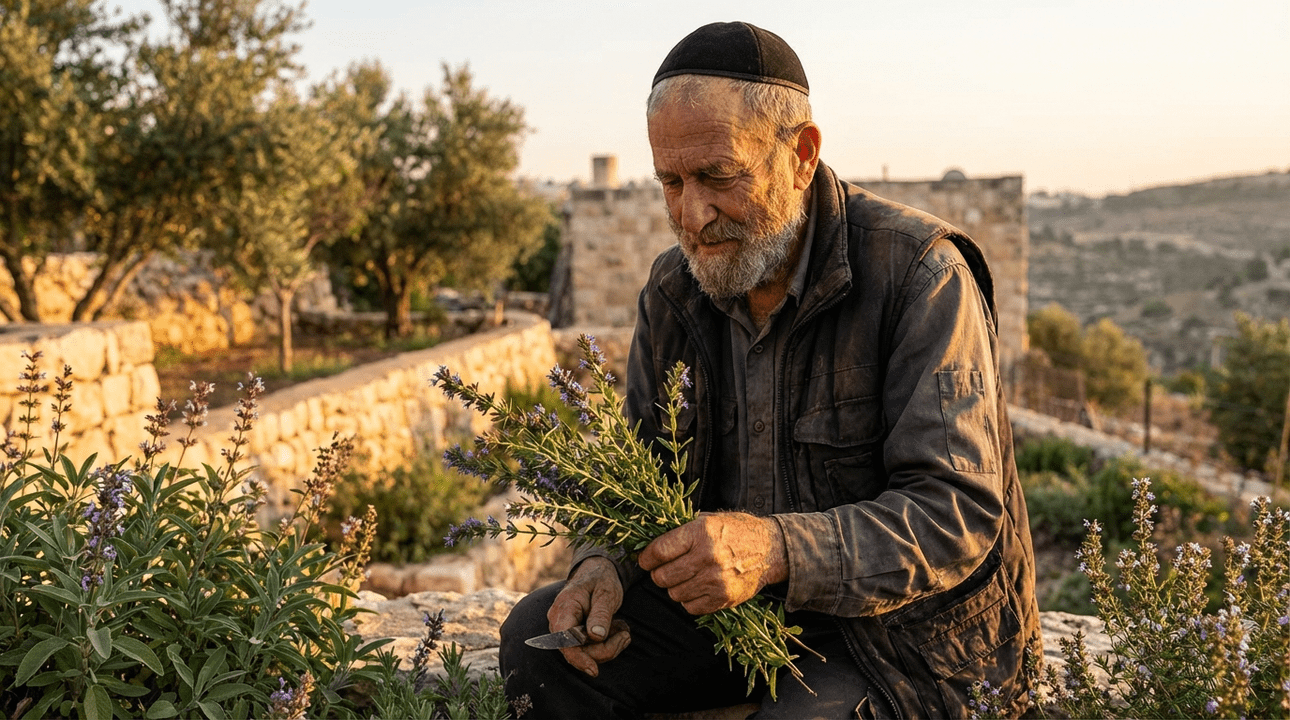
Hyssop in Modern Israeli Society
Today, hyssop continues to enrich Israeli society, bridging the past with the present. Its relevance extends beyond ritual use, finding expression in art, music, and festivals.
In short, hyssop becomes a shared motif, allowing Israelis to connect over a common cultural narrative, inspired by themes of resilience and purity.
Hyssop’s presence in modern culture reflects its enduring role as a symbol of unity and heritage. It is often featured in local art and music, capturing themes of resilience and purity.
In short, hyssop serves as a reminder of the past while inspiring and connecting people today, ensuring that its legacy is carried forward into the future.
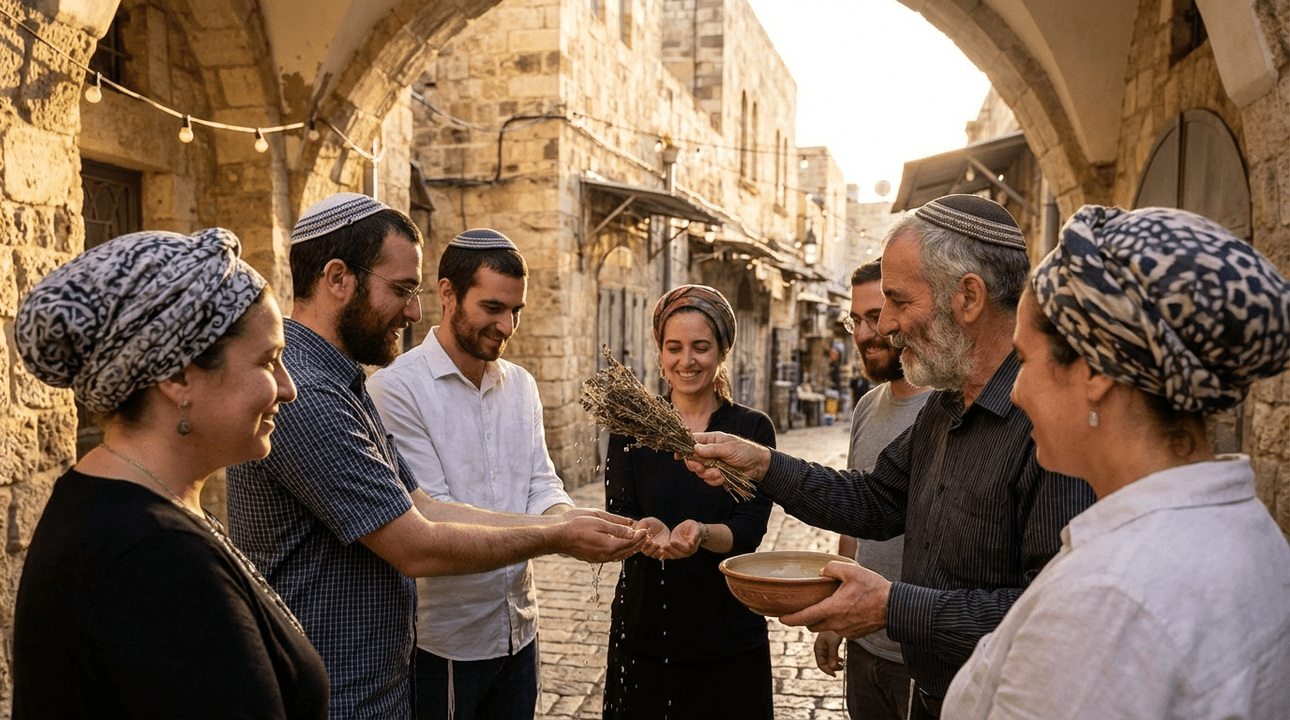
Community gatherings often feature hyssop, highlighting its role in cultural perseverance. Local festivals celebrate this cherished herb, underscoring its significance to Jewish heritage.
In short, by incorporating hyssop into daily life, Israelis maintain a tangible link to their roots, celebrating a tradition shared by many.
Hyssop serves as a living connection to the past, enriching community bonds and cultural identity. In biblical times, it was used in purification rites, as seen in Numbers 19:6, symbolizing spiritual cleansing. Today, its presence in festivals and gatherings underscores its enduring significance.
In short, hyssop is a testament to cultural heritage, playing a vital role in preserving traditions and community identity.
Cultural and Historical Questions