
Exploring the Joys of Eating Challah and Perfect Pairings
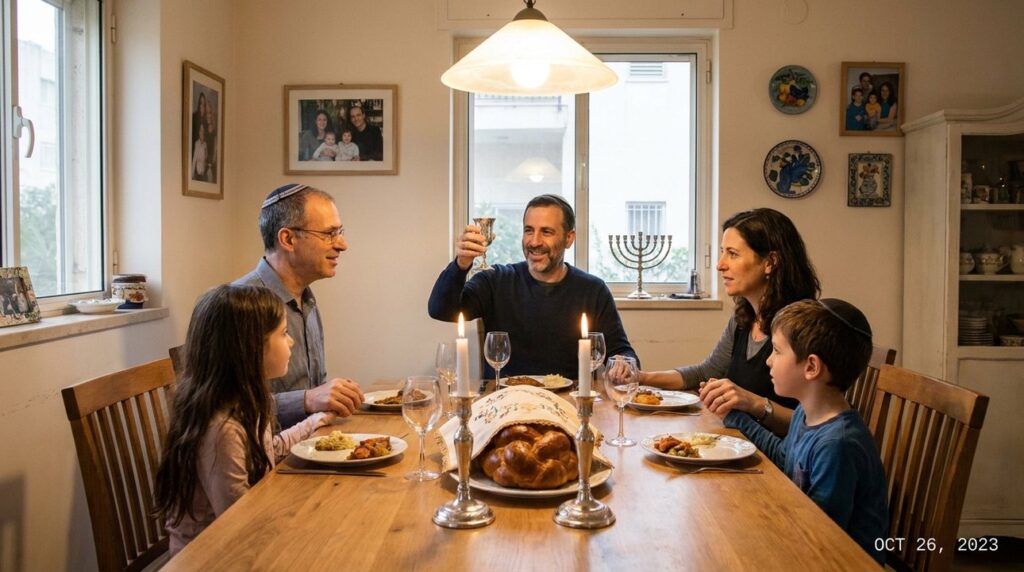

Challah is more than just a bread; it’s a symbol of Jewish culinary tradition, enjoyed by families around the world. Embracing this bread in your meals can be a delightful experience. In this article, we dive into the art of eating challah and explore delicious pairings to enhance its flavors. The tradition of this bread dates back to biblical times, where it was a part of offerings, as mentioned in Numbers 15:18-21.
Whether on Shabbat or any day, discover how this bread can transform your dining experiences. Its presence on the table is a reminder of cultural heritage and the joy of shared meals.
Understanding Challah: A Brief Introduction
Challah is a traditional Jewish bread typically braided and baked to a golden perfection. Rich in symbolic meaning, it is especially enjoyed during Shabbat and Jewish holidays. According to My Jewish Learning, this bread represents a special bond within families and communities (source: Chabad.org). The braiding is said to symbolize the intertwining of family and community ties.
The beauty of this bread lies not only in its taste but in the shared moments it creates around the table. Rooted in the biblical commandment to separate a portion of dough as a gift to the priests, as outlined in Numbers 15:20, this practice holds deep significance.
Challah is as much a ritual as it is a culinary delight. Dating back to ancient times, it was a staple in Jewish households. The act of breaking bread together serves to strengthen familial connections and invite relaxation and enjoyment into our lives. This custom is reminiscent of biblical times when sharing bread was a sign of hospitality and community, as seen in Genesis 18:6 when Abraham offered bread to his guests.
Its versatility makes it perfect for a variety of pairings, both traditional and modern. From pairing it with honey and apples during Rosh Hashanah to using it as a base for modern avocado toast, this bread adapts beautifully. Its soft, slightly sweet texture complements both savory and sweet toppings, making it a beloved choice for many.
Traditional Ways to Enjoy Challah
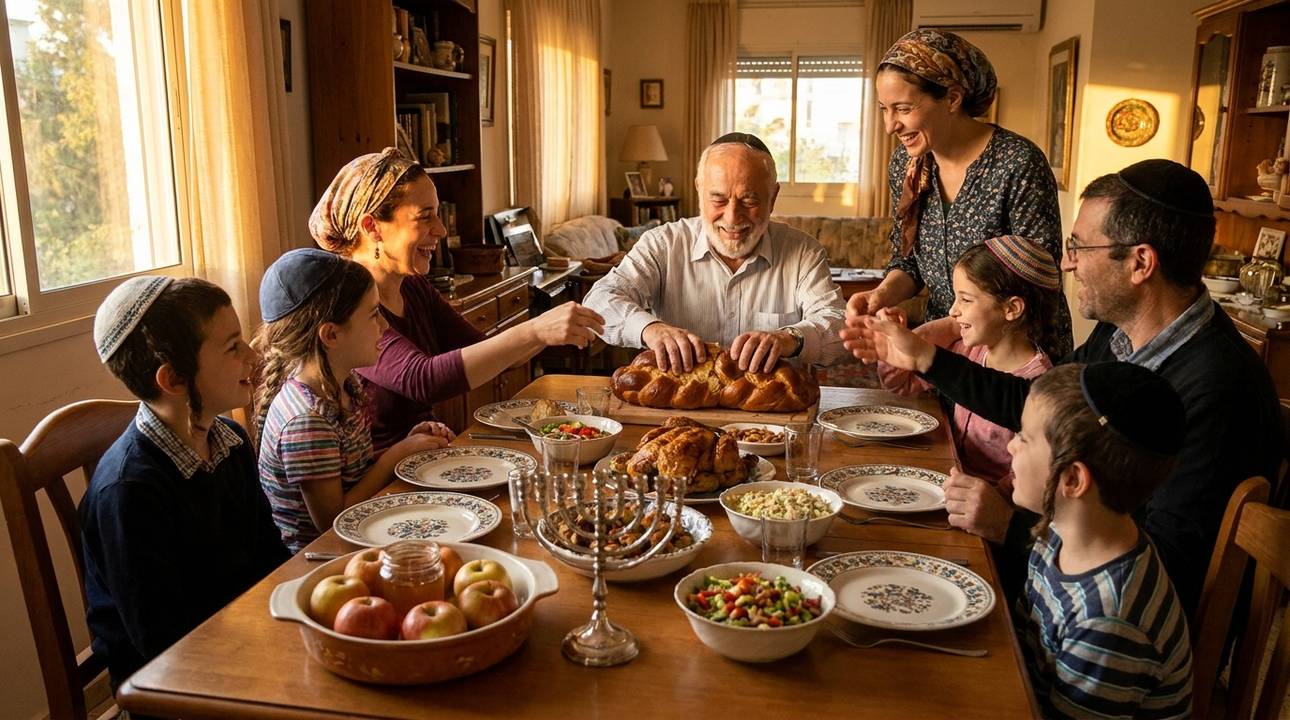
Traditionally, challah is enjoyed to welcome the Shabbat, often dipped in salt or paired with wine. This simple yet profound custom elevates the meal and connects the family to its roots. The dipping in salt is reminiscent of the Temple sacrifices, where salt was a symbol of the eternal covenant, as mentioned in Leviticus 2:13.
Many families have their own customs, such as spreading a bit of sweet apple or honey over challah during Rosh Hashanah to symbolize hopes for a sweet new year. Rooted in the desire for sweetness and prosperity, this practice echoes the biblical hopes of abundance.
Challah’s role on the Shabbat table is not just culinary but also symbolic. As noted in Chabad.org’s detailed articles about this bread, each aspect of the tradition holds deep significance, from its preparation to its consumption (source: Chabad.org). The braiding is said to represent love and unity, reflecting the interconnectedness of the Jewish community.
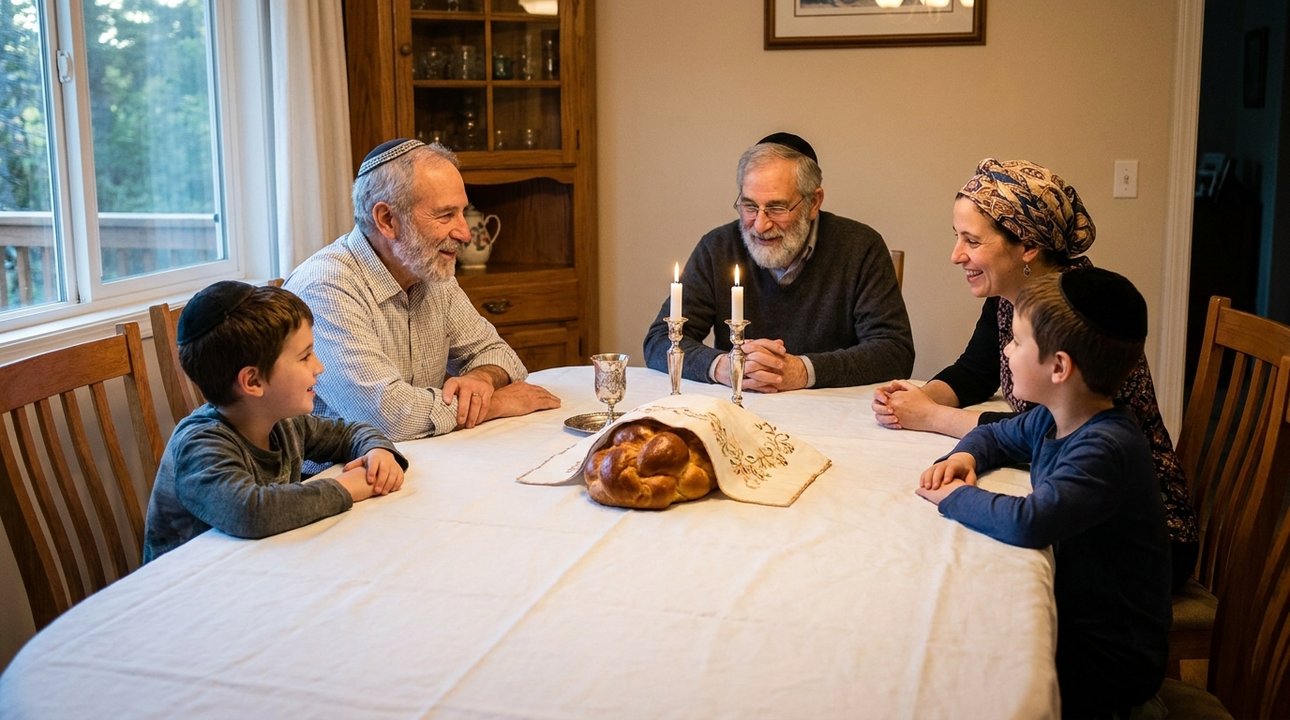
Covering the challah before breaking bread signifies respect and highlights its importance. Rooted in the tradition of honoring the Sabbath, this practice is described in Exodus 20:8-11, where the day is set apart for rest and reflection.
The cover serves as a reminder of the sanctity of the meal and the positive impact it brings. This act of covering the bread is a symbolic gesture that underscores the value placed on the Sabbath as a time for spiritual renewal and family connection. It highlights the importance of setting apart time for rest and appreciation, as outlined in the biblical teachings.
Modern Pairings: Foods to Enjoy with Challah
In the modern culinary scene, challah’s versatility shines. Common pairings include soups, salads, and spreads, enhancing both texture and taste. This bread pairs wonderfully with savory options like roasted vegetables or light cheeses. The combination with such dishes is reminiscent of the communal meals shared in biblical times, fostering a sense of togetherness.
For a unique touch, try a drizzle of olive oil and fresh herbs, bringing out the best in both the bread and the complementing flavors. Echoing the use of oil in ancient rituals, this practice is seen in Exodus 30:24, where olive oil was a key ingredient in sacred anointing.
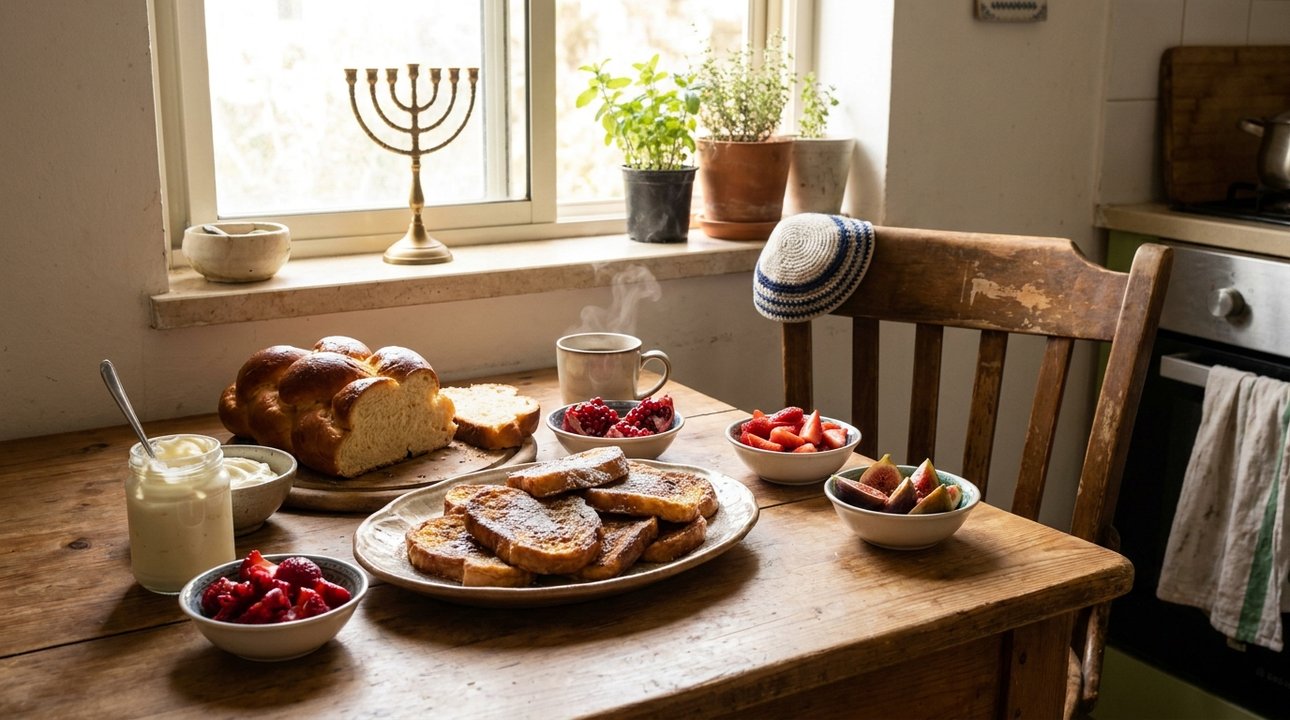
Breakfast is another great time to enjoy challah. Many have found delight in using it for French toast. Its slightly sweet and soft consistency creates a perfect base for absorbing flavors and adding delight to your morning routine. Traced back to ancient times, this tradition involved soaking and cooking bread to create nourishing meals.
Pairing with fresh fruits or a dollop of cream transforms a common breakfast into a joyous occasion. Reminiscent of the biblical tradition of offering the first fruits, as seen in Deuteronomy 26:1-2, this practice highlights the importance of gratitude and celebration in daily life.
Creative Uses: Thinking Beyond Traditional
Beyond traditional meals, challah can be an element of creative experimentation in the kitchen. From transforming into a base for gourmet sandwiches to croutons for salads, its uses are limited only by your imagination. The versatility of this bread is akin to the resourcefulness seen in ancient times, where bread was a staple in various forms.
Its texture and flavor profile offer a canvas for playful culinary ideas, allowing both flavor and creativity to take center stage. Similar to how grains were used in diverse ways, this adaptability is seen in the stories of the Israelites in the desert, who relied on manna for sustenance.
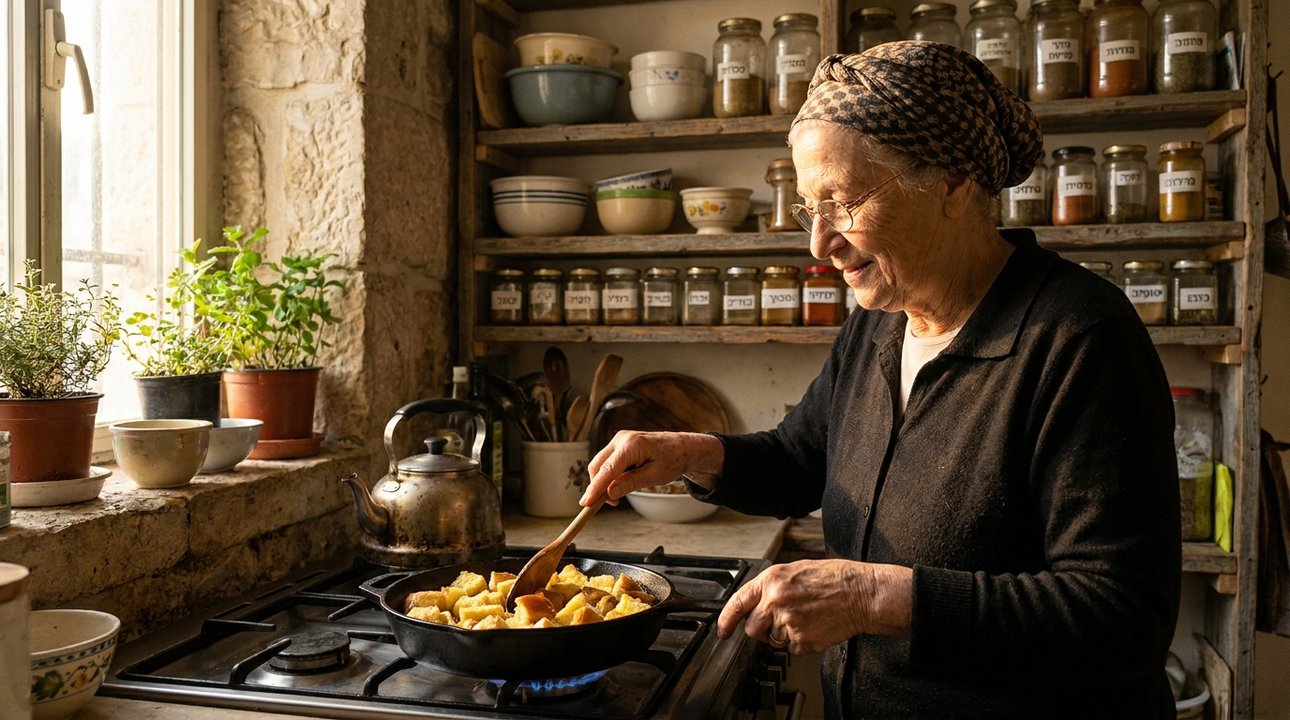
Consider making challah croutons by lightly toasting cubes in olive oil and your choice of seasoning. This simple transformation can elevate your dish, much like how biblical figures used simple ingredients to create nourishing meals. These croutons add a delightful crunch and elevate simple salads or soups, reminiscent of the way bread was used to enhance meals in ancient times.
Incorporating leftover challah into bread puddings or stuffing can also bring richness and depth to the dish. Mirroring the resourcefulness seen in stories like that of Ruth, who gleaned in the fields to make the most of what was available (Ruth 2:2), this practice is both practical and delicious.
The Joy of Sharing: Challah and Community
Challah is celebrated for its ability to bring people together, enhancing gatherings with warmth and joy. From family dinners to larger community events, it becomes a focal point for connection and sharing. Reminiscent of the communal meals described in the Torah, this tradition often involved sharing food as a sign of hospitality and friendship. The act of breaking bread together is a longstanding symbol of unity.
Many find great fulfillment in sharing recipes and techniques, further enriching the social experience around this beloved bread. This exchange of ideas and traditions strengthens the bonds within the community, much like the gatherings in Nehemiah 8:10.
In Nehemiah 8:10, sharing food and joy was encouraged as a way to celebrate and strengthen communal ties. Sharing challah recipes and techniques not only preserves cultural heritage but also fosters a sense of belonging and continuity. This communal aspect reflects the importance placed on community and hospitality in Jewish tradition.
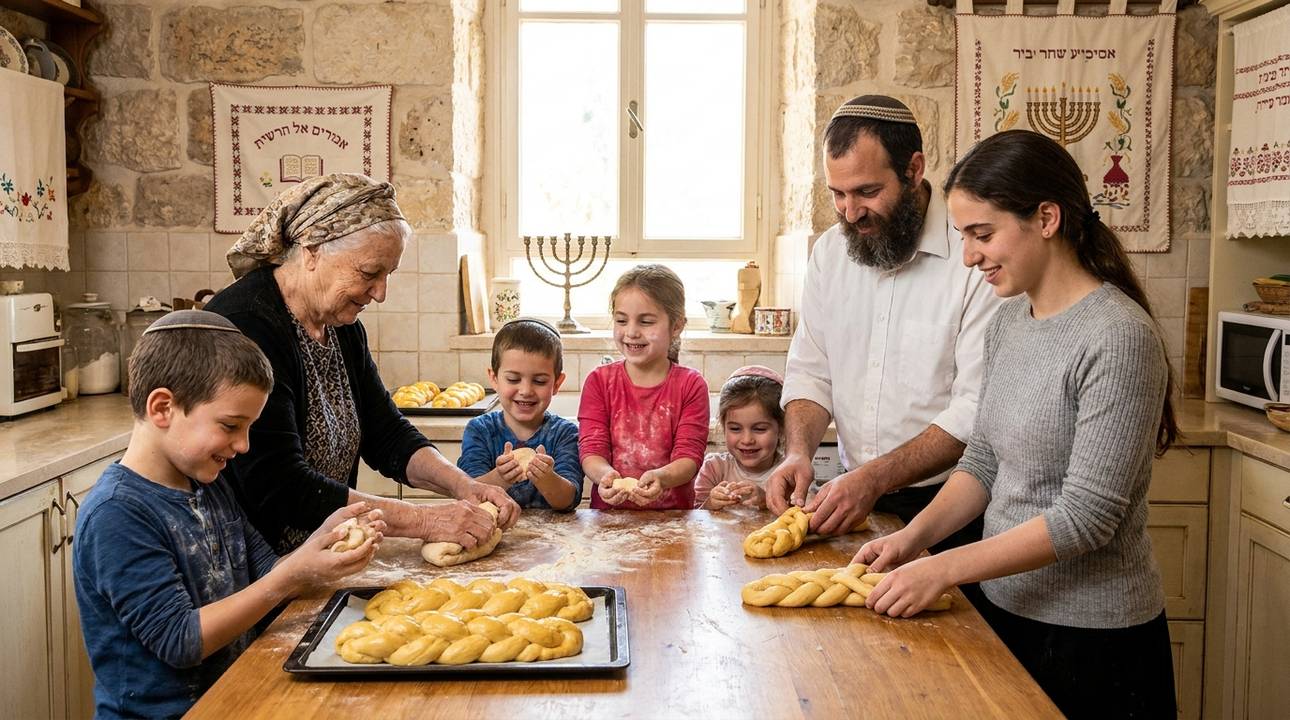
Whether in baking challah together or passing it around the table, these moments create lasting memories. Traced back to biblical times, baking this bread was a central part of daily life. Creating and enjoying food as a community strengthens bonds and brings joy to communal gatherings, much like the gatherings described in the Book of Esther (Esther 9:22).
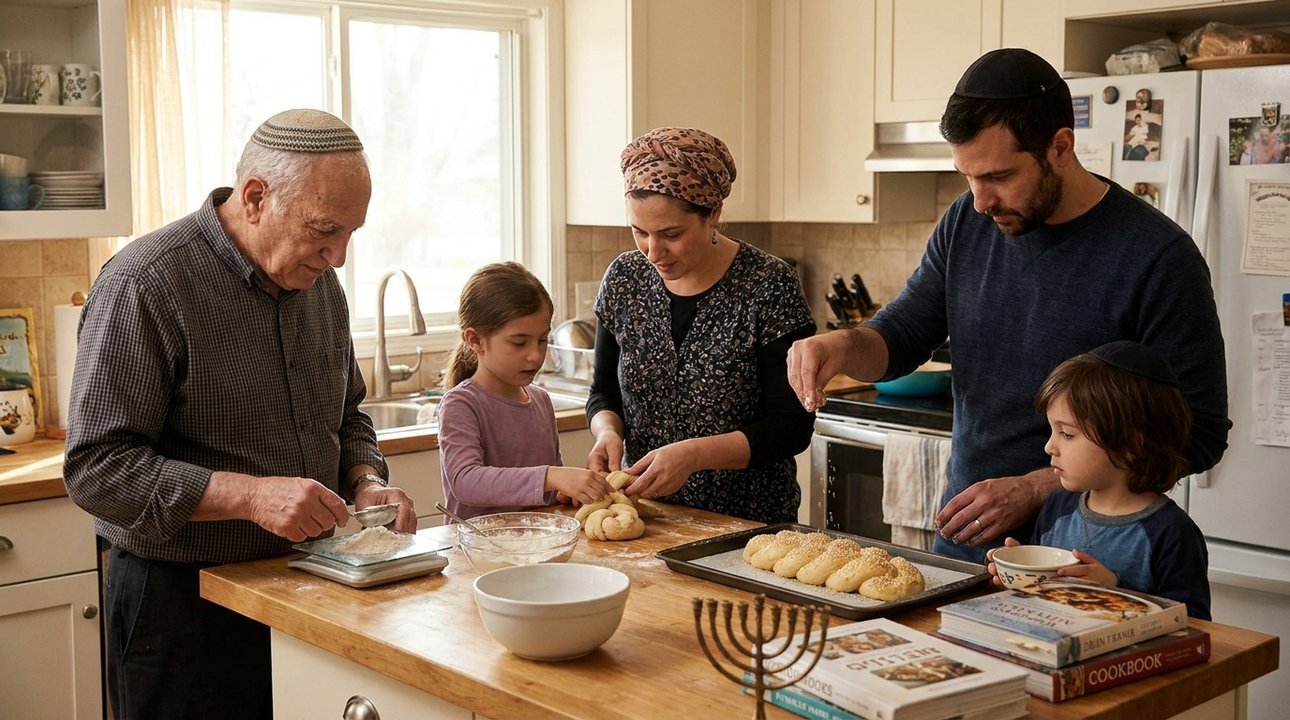
The process of baking and sharing challah is a journey of love and connection. Each step, from kneading the dough to braiding it, is an opportunity to bond with loved ones and reflect on shared traditions. The aroma of freshly baked bread fills the home with warmth, inviting everyone to come together and celebrate.
Embracing Challah: Tradition Meets Creativity
The magic of challah lies in its ability to bridge tradition and creativity. Embracing this bread is about more than eating; it’s about exploring history, appreciating present moments, and creating future traditions. The loving effort put into its preparation and the joy it brings to tables is a testament to its enduring allure. Seen in the ancient practice of offering bread as a sign of hospitality, this connection to the past remains strong.
Its significance is evident during Jewish holidays, such as Shabbat, where it symbolizes peace and rest. By incorporating new flavors or techniques, families can create their own traditions while honoring the past.
This blend of old and new ensures challah remains a cherished part of Jewish life. The addition of modern ingredients like chocolate or spices reflects the evolving nature of Jewish cuisine, much like how Jewish communities have adapted to various cultures over centuries. This adaptability is a key aspect of challah’s lasting presence in Jewish culture, allowing it to remain relevant and beloved across generations.
The crafting of challah offers an opportunity to engage with history and experiment with contemporary tastes. Traditionally braided, it symbolizes unity and togetherness. Inclusion of new ingredients like seeds or flavors can lead to exciting new interpretations, much like how Jewish cuisine has evolved over centuries. The braiding itself is a nod to the interconnectedness of the Jewish community.
This bread’s ongoing evolution makes it a dynamic element within Jewish cuisine. From the addition of poppy seeds, which are mentioned in Jewish texts, to modern twists like chocolate or spices, it continues to be a canvas for creativity.
Its ability to adapt while maintaining its core significance is a testament to its enduring place in Jewish culture. This adaptability ensures that challah remains a beloved and integral part of Jewish life, reflecting both tradition and innovation. The inclusion of diverse ingredients and techniques allows each family to personalize their challah, creating a unique expression of their cultural heritage.
Challah FAQs
