Discovering the Lineage: The Moabites and Their Descendants
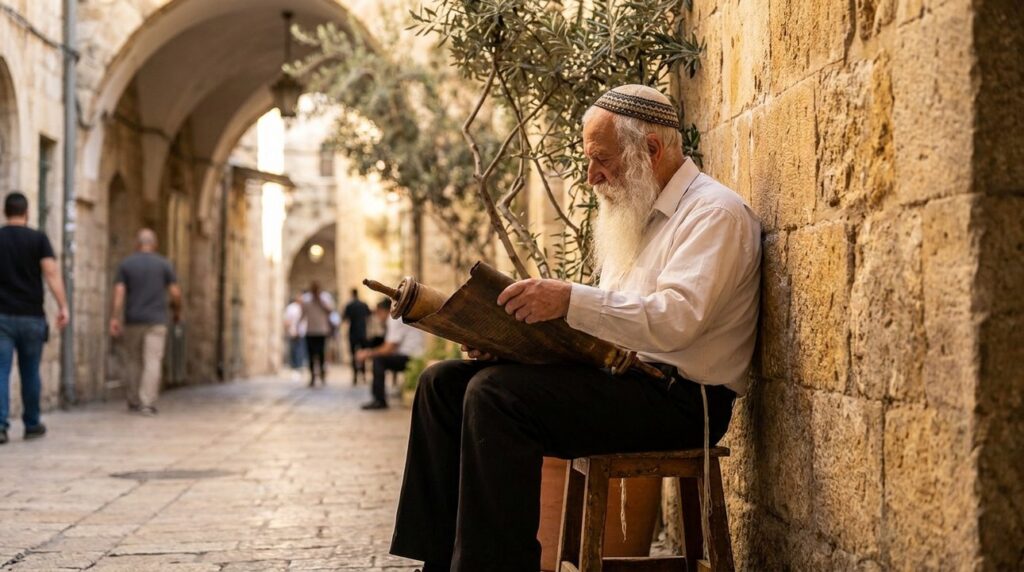

An ancient Semitic people, the Moabites have intrigued historians and enthusiasts alike for their unique cultural and historical significance. Their story is deeply connected to biblical traditions and the landscape east of the Dead Sea, particularly in the region known as Moab.
In this exploration, we delve into their lineage, examining their descent from Lot, Abraham’s nephew, through his older daughter, as noted in Genesis 19:37.
This connection places them within the broader narrative of the Semitic peoples and their interactions with Israel.
Ancient Origins of the Moabites
Rooted in ancient Semitic lineage, the origins of the Moabites are detailed in the biblical account of Genesis 19:37, where Lot, the nephew of the patriarch Abraham, is identified as their ancestor through his older daughter.
This ancestry sets the stage for Moab’s role in biblical narratives and their interactions with Israel. They are frequently mentioned in the Bible, often in contexts of conflict or cooperation, such as in Numbers 22-24, where Balak, king of Moab, attempts to curse Israel.
This complex relationship is further illustrated by the story of Ruth, a Moabite woman who becomes an integral part of Israel’s history.
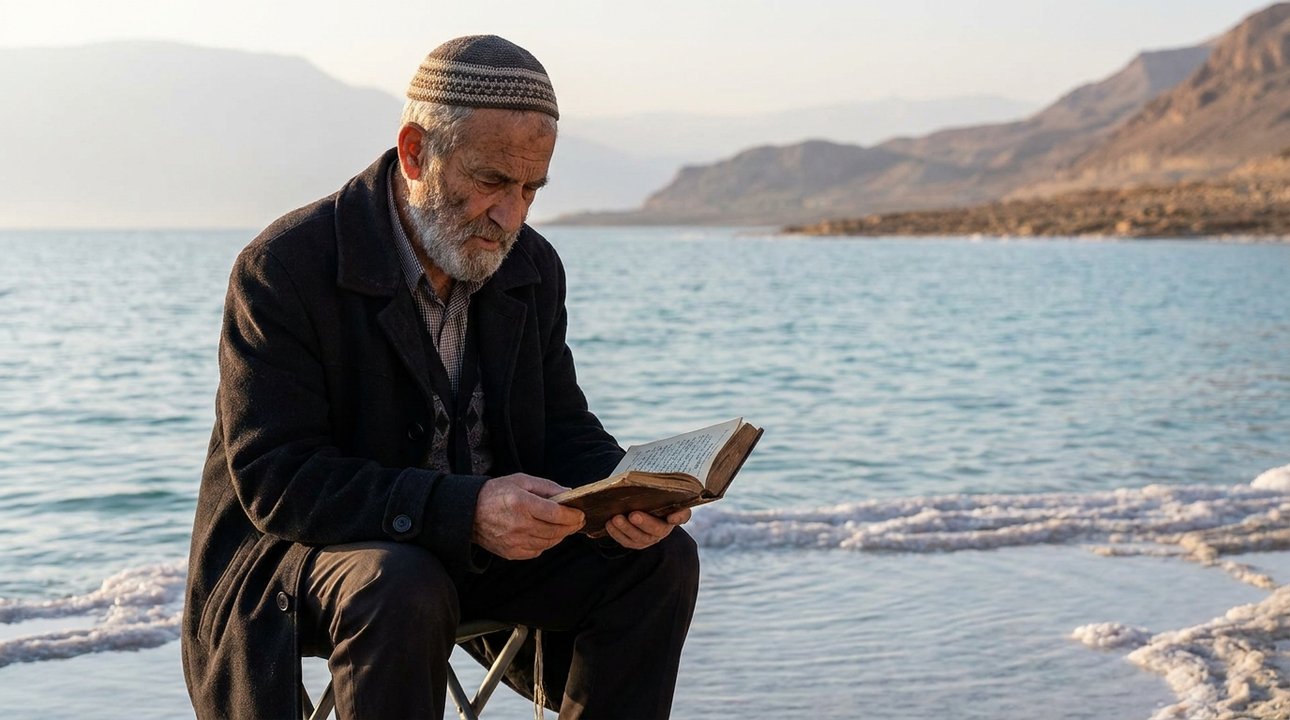
Settling in what is now modern-day Jordan, the Moabites established their territory primarily east of the Dead Sea. This location not only provided strategic advantages but also placed them near key biblical events, such as the journey of the Israelites in the wilderness.
As a Semitic people, their language and culture shared many characteristics with their neighbors, including the Israelites and Ammonites. Archaeological evidence, like the Mesha Stele, highlights their interactions and conflicts with surrounding nations.
Life and Culture of the Moabites
Moabite society was organized around their capital, Dibon, and other significant cities like Ar and Kir-Hareseth. These cities were crucial in maintaining their political and economic structure.
Their economy was largely based on agriculture and trade, facilitated by their strategic position along key trade routes connecting Mesopotamia and Egypt. This allowed them to engage in commerce with neighboring regions.
Religiously, they worshipped Chemosh, a deity often mentioned in context with their military and cultural practices, as seen in 2 Kings 3:27.
Known for their conflicts with Israel, the Moabites are prominently featured in the Hebrew Bible. Stories such as Balaam’s prophecy in Numbers 22-24 reflect the complex relationship between the two peoples.
Balaam, a prophet, was hired by Balak, the king of Moab, to curse Israel, but instead, he praised them, showing the unpredictable nature of their interactions. Yet, despite these conflicts, their interactions also included periods of coexistence.
For example, they were among those who contributed to the building of significant structures in Jerusalem, indicating periods of peaceful collaboration.
This is noted in historical texts, where alliances through marriage included Moabite women, further illustrating the intertwined histories of these two peoples.
Biblical Connections and Ruth
The Book of Ruth provides a unique view into Moabite integration with Israel. Ruth, a Moabite woman, becomes an ancestor of a significant historical figure, illustrating a personal and national connection.
Her story is found in the Book of Ruth, chapters 1-4, emphasizing themes of loyalty and faith that transcend national borders.
This narrative showcases the potential for unity and acceptance across different cultures, demonstrating how individual actions can bridge divides and create lasting legacies.
Ruth’s decision to follow Naomi to Bethlehem and her subsequent marriage to Boaz highlight the integration of Moabites into Israelite society, showing that cultural and familial bonds can overcome historical divisions.
Ruth’s story highlights how individual choices affected historical trajectories. Her loyalty to Naomi, her Israelite mother-in-law, led to her becoming part of Israel’s lineage, as seen in Ruth 1:16-17.
This inclusion enriches the understanding of Moab and Israel’s relationship beyond adversarial encounters. Ruth’s decision to stay with Naomi and adopt her faith reflects the power of personal agency in shaping history, showing how love and commitment can transcend cultural boundaries.
Her story is a testament to the possibility of reconciliation and unity, where love and loyalty can create new paths and connections between once-divided peoples.

Who Are the Descendants of the Moabites?
The fate of the Moabites as a distinct group fades with historical conquests and integrations. Assyrian and Babylonian expansions led to the absorption of their lands, as recorded in 2 Kings 24:2.
These empires were known for their vast territorial expansions, which often resulted in the assimilation of smaller nations like Moab. Speculating modern descendants involves considering cultural assimilation over centuries.
Eventually absorbed into larger empires, they lost their distinct identity but left a cultural imprint on the region, influencing local customs and traditions.
Such cultural remnants can be seen in archaeological findings and historical texts that hint at their influence in the ancient Near East.
While direct descendants are untraceable, the Moabites contribute to the broader tapestry of the region’s heritage. Their legacy lives on through archaeological findings and historical narratives, such as those found in the books of Numbers and Judges.
These texts offer insight into ancient Semitic life and regional dynamics. Artifacts like pottery and inscriptions further illustrate their role in trade and politics in the ancient Near East, highlighting their influence and interactions with neighboring cultures.
Such findings enhance our understanding of their contributions to the cultural and historical landscape of the region. Additionally, our subscription service offers 6-8 products, and the contents vary, providing a curated selection of items that reflect this rich heritage.
Moabite Legacy in Modern Culture
The story of Moab resonates in modern times through its enduring cultural and biblical impact. In literature and art, Moab often symbolizes a rich past intertwined with moral and ethical lessons.
This cultural footprint is evident in how Moabite themes are revisited in works like John Milton’s “Paradise Lost,” where Moab is referenced as part of the ancient world. Such references keep their legacy alive in contemporary discourse, reminding us of their historical significance.
They are also mentioned in the context of moral lessons, such as the consequences of conflict and the potential for reconciliation, as seen in their biblical narratives.
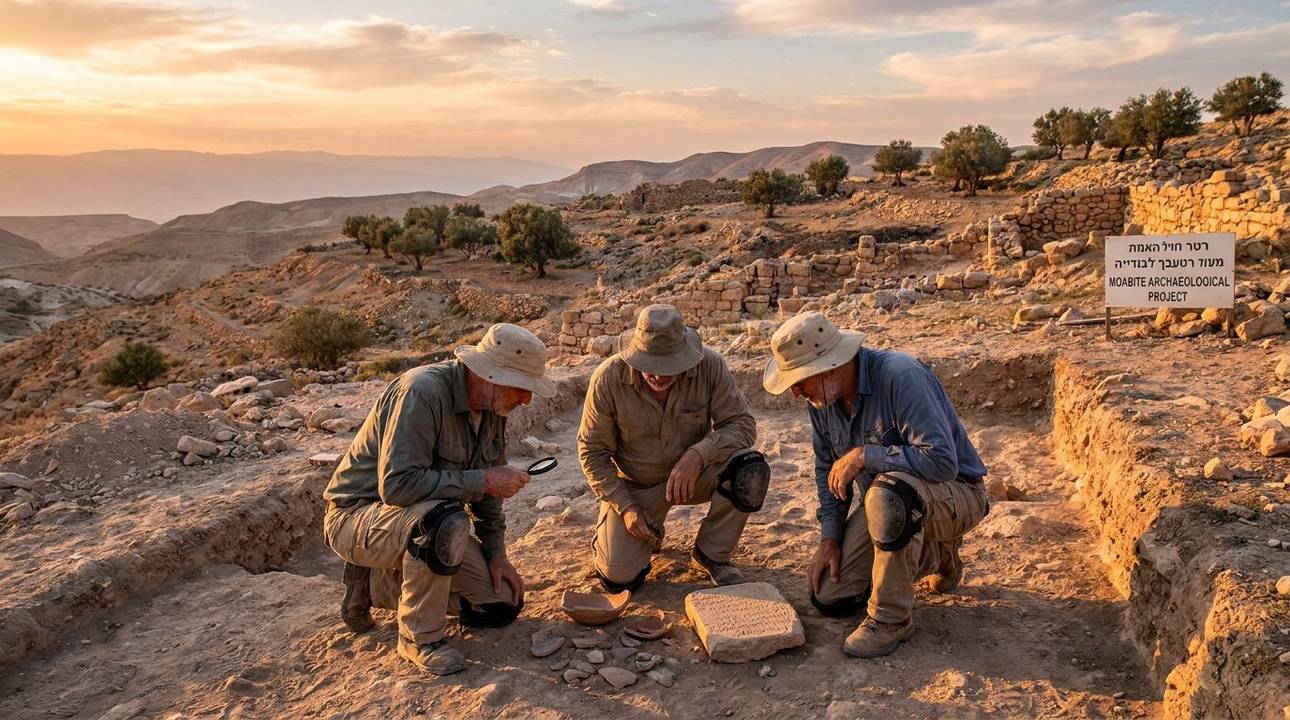
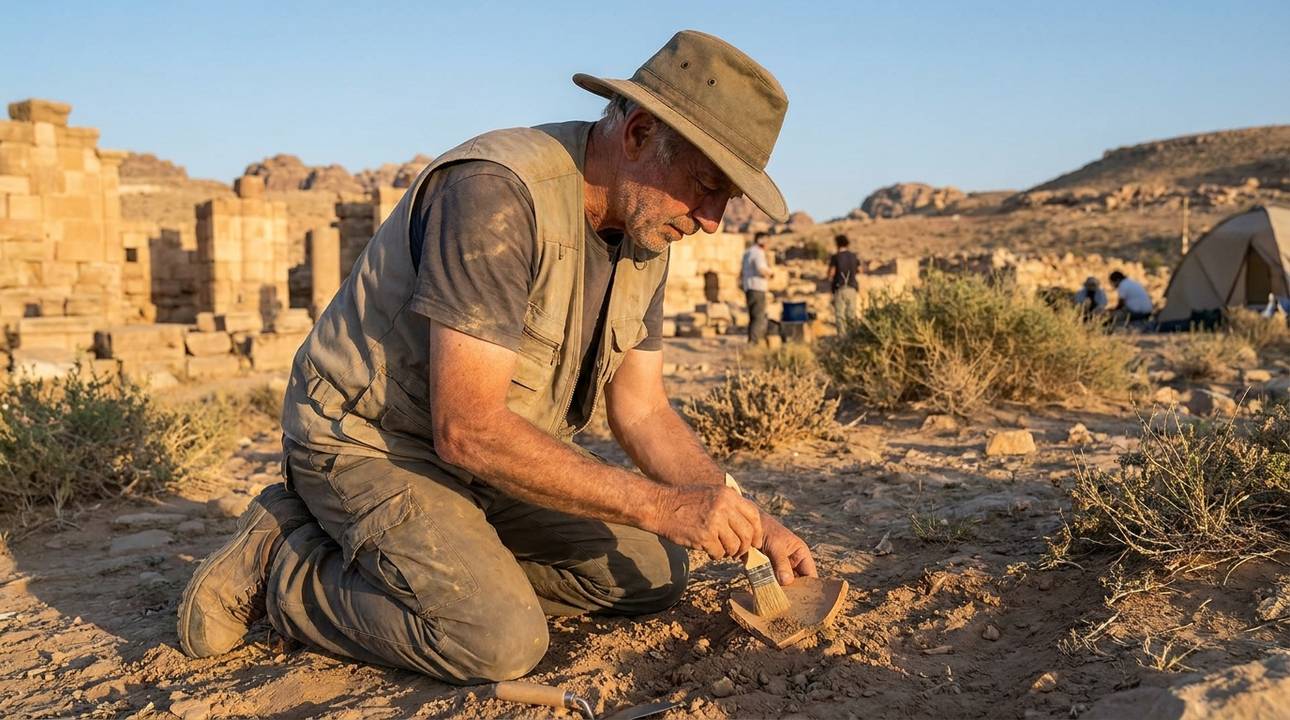
Contemporary interest in Moab often intersects with archaeological pursuits, aiming to uncover more about their daily lives and belief systems. Excavations in Jordan, particularly at sites like Dhiban and Madaba, have revealed artifacts that shed light on Moabite culture.
These efforts contribute to a holistic understanding of ancient Middle Eastern history. For instance, the Mesha Stele, discovered in 1868, provides a Moabite perspective on their conflicts with Israel, offering invaluable historical context.
This stone inscription, attributed to King Mesha of Moab, details victories and religious practices, enriching our knowledge of Moabite society.
Understanding the Moabites