
Exploring the Vine and Fig Tree: Symbols of Peace and Resilience
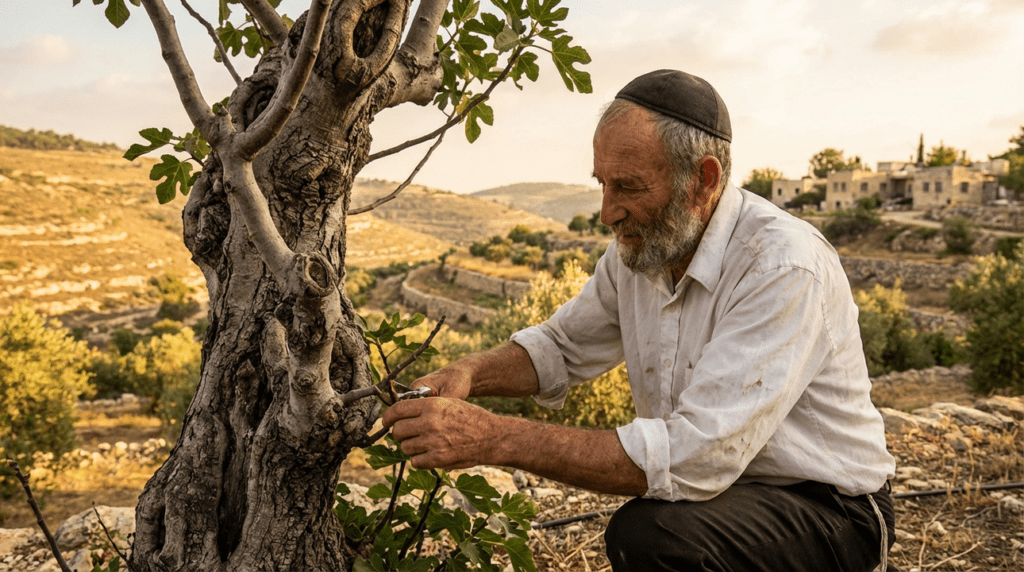

In ancient texts, the imagery of the vine and fig tree carries deep meanings of prosperity and peace. For instance, in Zechariah 3:10, the vine and fig tree are symbols of safety and divine favor. This reflects a time when people lived in harmony, each under their own vine and fig tree, without fear.
Meanwhile, modern catchphrases like ‘do it for the vine’ have captivated new audiences. This phrase, popularized on the Vine app, encouraged spontaneous creativity and sharing. Vine’s impact on social media culture was profound, setting the stage for platforms like TikTok.
This article delves into the classical and contemporary significance of these symbols, rooting them in both ancient tradition and modern culture. The vine and fig tree symbolize enduring peace and prosperity, while ‘do it for the vine’ captures the essence of modern creativity.
In short, both serve as enduring symbols of community and expression. They highlight how symbols from different eras can still resonate with our fundamental desires for connection and creativity.
Biblical Significance of the Vine
In the Bible, the vine represents abundance and divine blessing. The Book of Isaiah (5:1-7) provides an allegory where the house of Israel is portrayed as a vineyard. This powerful imagery reflects God’s nurturing care and the people’s responsibility to flourish spiritually.
The vine often symbolizes prosperity and growth in the Land of Israel. A reference from Psalms 80:8-11 depicts Israel as a vine brought out of Egypt, subtly illustrating the transformation from bondage to freedom and growth in a newfound homeland.
This symbolism is often associated with communal well-being, as the vine was central to economic and social life through wine production. The vine’s role in religious rituals and daily life underscores its importance in ancient Israelite culture, where it was a symbol of joy and celebration.
In short, the vine is a multifaceted symbol representing both divine blessing and the responsibility of the people to live in accordance with their faith.
Another significant reference is found in 1 Kings 4:25, where ‘every man under his vine and fig tree’ denotes peace and safety within one’s community. This phrase evokes the idyllic vision of a harmonious life, promising rest and satisfaction under divine guidance.
These passages reveal the vine’s central role in shaping Israel’s national identity and aspirations, rooted in agricultural success and spiritual fidelity. The vine and fig tree symbolize a life of peace and contentment, a vision deeply embedded in the cultural and spiritual fabric of Israel.
In short, these symbols represent the hope for a peaceful and prosperous existence, a dream that resonates throughout Jewish history. They remind us of the enduring human desire for security and harmony, both in ancient times and today.

Fig Tree in the Hebrew Bible
Fig trees held particular significance in biblical texts, often representing abundance and fertility. The Book of Jeremiah (8:13) mentions the fig tree in the context of judgment and prosperity, showing its dual role as a sign of blessing and a warning of desolation.
In ancient Israel, fig trees were not only a source of food but also a symbol of security and prosperity. As a staple food and economic asset, it symbolized a thriving community living in peace.
This dual nature reflects a key theme in biblical narratives, where prosperity demands guidance and responsibility.
In short, the fig tree embodies the balance between abundance and accountability, serving as a reminder of the responsibilities that come with prosperity. It highlights the importance of stewardship and the need to maintain harmony within the community.
In the Song of Songs 2:13, the blossoming fig tree heralds the arrival of spring, symbolizing renewal and love. Its blossoms are linked with hope and romantic renewal, indicating fruitful changes and new beginnings.
This imagery is often associated with the love between a bride and groom, reflecting the beauty and joy of new relationships. This connection is further emphasized in Hosea 9:10, where the early fruit on the fig tree is likened to the joy of first love.
Such symbolism underscores the tree’s connection to life’s cycles, reinforcing its metaphorical role in depicting the divine-human covenant rooted in trust and renewal.
In short, the fig tree’s blooming is a reminder of the ever-present potential for new beginnings and the enduring nature of love and hope. It serves as a powerful symbol of the cycles of life and the promise of renewal, both in nature and in human relationships.

Modern Interpretation: ‘Do It For the Vine’
The phrase ‘do it for the vine’ originally emerged as a catchy slogan on the now-defunct social media app, Vine. It encouraged users to perform amusing or daring acts on camera for viewers’ entertainment.
Vine, launched in 2013, became a cultural phenomenon, shaping how people shared short-form content. Although the app is no longer active, the expression has lingered as a call to highlight spontaneity and boldness.
It represents a cultural shift where personal moments are shared and celebrated, showing the power of viral media to influence behavior.
The app Vine was instrumental in the rise of modern influencers, offering a platform where creativity could thrive in just six seconds. This brevity pushed users to be innovative and quick, leading to many memorable and viral moments.
In short, ‘do it for the vine’ reflects a modern desire for connection and creativity through shared digital experiences. It highlights how digital platforms can foster a sense of community and shared culture, even in fleeting moments.
The phrase ‘vine and fig tree’ contrasts sharply with the tranquil images in biblical texts. In 1 Kings 4:25, the vine and fig tree symbolize peace and safety, a time when people lived without fear.
This imagery is rooted in the reign of King Solomon, known for his wisdom and the prosperity of Israel during his rule. Yet, both contexts are deeply tied to expressions of community and identity.
While the biblical vine symbolizes collective prosperity, the social media vine promotes individual creativity and connection in a digital age.
The biblical vine and fig tree are often seen as symbols of a promised peaceful future, as highlighted in prophetic texts like Micah 4:4. In contrast, the modern ‘vine’ refers to a social media platform that encouraged users to create and share short, engaging videos.
In short, both serve as platforms for expressing identity, whether through ancient symbols of peace or modern acts of creativity. They reflect the timeless human desire to connect, create, and find meaning in community.
Cultural Connecting Points
Across cultures, the vine and fig tree motifs continue to inspire artistic and literary expressions. In Jewish thought, these symbols remain enduring emblems of hope and restoration, embodying historical resilience and flourishing.
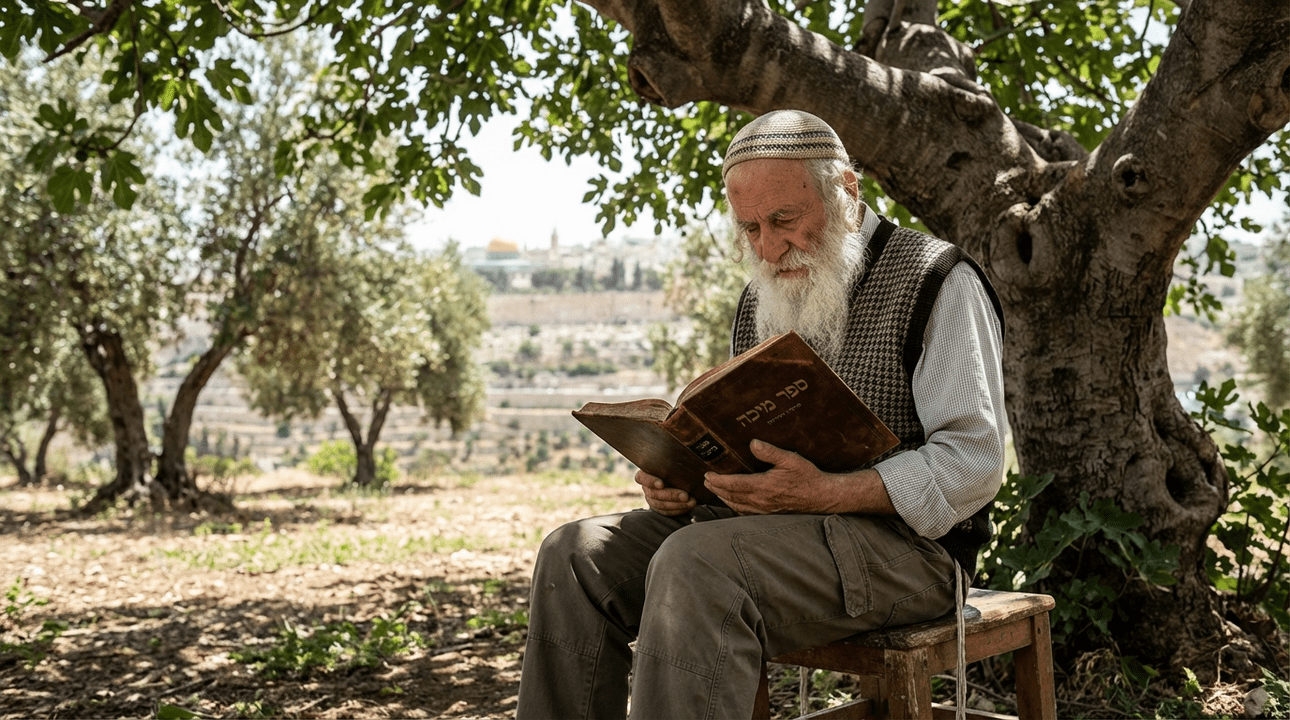
For example, the prophet Micah (4:4) speaks of a time when everyone will sit under their own vine and fig tree, free from fear. This imagery has been interpreted in various artistic forms, from paintings to poetry, symbolizing peace and security.
Modern culture, including art and film, frequently revisits these themes, developing a broader narrative of continuity and innovation. From ancient scriptures to contemporary expressions, these symbols remain vibrant in their ability to evoke peace, community, and personal expression.
In short, the vine and fig tree serve as powerful symbols of hope and resilience, continuing to inspire across generations.
In both traditional and modern contexts, these symbols highlight fundamental human desires for community and expression. In the Bible, the vine and fig tree often symbolize peace and prosperity, as seen in Micah 4:4, where every person sits under their own vine and fig tree, unafraid.
This imagery speaks to a universal longing for security and community. In contrast, modern trends like viral challenges express creativity and individuality, yet they also foster a sense of belonging and shared experience.
Whether in the serenity of a biblical promise or the vigor of a viral trend, they articulate shared values and encourage growth and creativity. In short, both ancient and modern symbols reflect our enduring need for connection and expression. They show how timeless themes can find new life in contemporary culture, bridging the past and present.

Vine and Fig Tree: Biblical Insights
Cultural and Modern Context
