
A Journey Through Modern Day Sheba in Israel
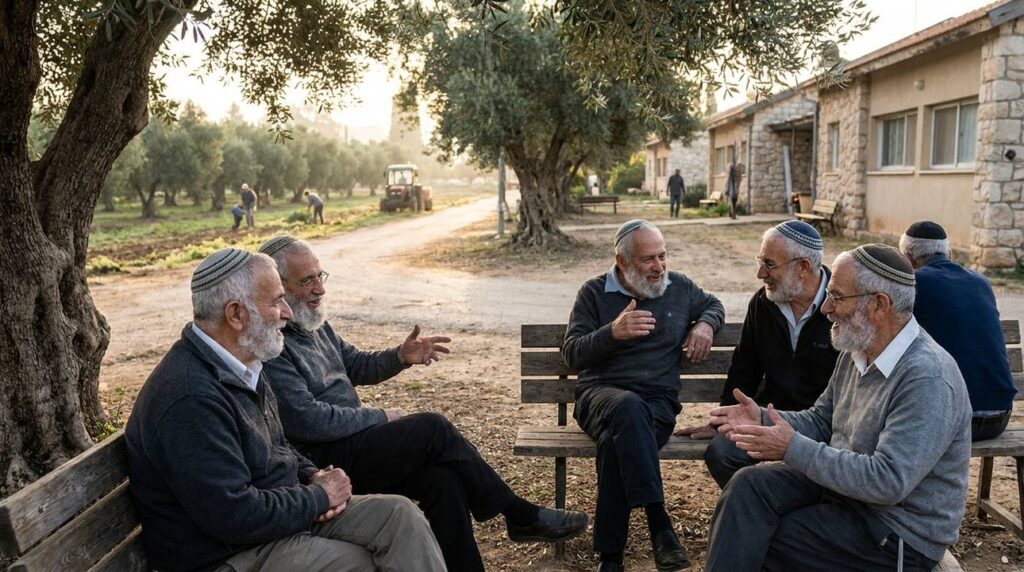

As we delve into the history of modern day Sheba, we embark on a journey intertwining legend, archaeology, and travel. This article explores Sheba within Israel’s borders, offering insights into a region rich with cultural heritage and ancient stories.
From historical sites like Tel Arad to natural wonders such as the Negev desert, modern day Sheba presents a unique tapestry of past and present. The Negev, mentioned in Genesis 12:9, has been a land of exploration and discovery for centuries.
Travelers can explore the desert’s vast landscapes, finding beauty in its starkness and resilience. The region’s archaeological sites offer glimpses into the lives of ancient peoples, connecting visitors to the stories that have shaped Sheba’s identity.
This journey through time and space invites exploration and reflection, providing a deeper understanding of Sheba’s enduring legacy.
Insider's Guide to Israel
and can't-miss places most tourists never find.

The region’s archaeological findings, such as those at Tel Arad, offer glimpses into ancient civilizations that once thrived here. These sites reveal the daily lives and spiritual practices of the people who lived in this historic land.
Exploring these remnants provides a deeper understanding of the cultural and historical significance of modern day Sheba. Tel Arad includes a well-preserved Canaanite city and an Israelite fortress, offering insights into different periods of occupation.
The fortress contains a unique temple, reflecting the religious practices of the Israelites. This site offers a rare opportunity to explore the architectural and spiritual aspects of ancient life.
One can imagine the rituals that took place here, connecting with the spiritual heritage that continues to influence the region today.
Introduction to Modern Day Sheba
Historically known as the Kingdom of Sheba, this region captivates with tales of the Queen of Sheba and King Solomon’s wisdom as described in 1 Kings 10:1-13. Modern interpretations place parts of ancient Sheba in areas of Israel, weaving biblical narratives with contemporary landscapes.
Exploring cities like Beersheba, which some associate with Sheba, reveals layers of history that continue to intrigue and inspire.
Beersheba, mentioned in Genesis 21:31, has been a significant location throughout biblical history. It served as a center for trade and communication, linking various cultures and peoples.
Today, you can explore its archaeological sites and modern city life, experiencing the blend of ancient history and contemporary culture that defines this remarkable region.
Archaeological sites such as Tel Be’er Sheva offer a glimpse into the past, showcasing remnants of ancient civilizations. These sites provide evidence of the region’s historical significance and its role in biblical stories.
Walking through these ancient ruins offers insights into the lives of those who once inhabited this storied land. Tel Be’er Sheva is thought to be linked to the biblical city of Beersheba, mentioned in Genesis 21:31 as a place of covenant.
The site reveals layers of history, from early settlements to more developed urban centers. Excavations have uncovered structures like water systems and fortifications, highlighting the city’s strategic importance.
Exploring these remnants allows visitors to connect with the biblical narratives and understand the challenges and achievements of ancient societies.
The Archaeological Wonders of Beersheba
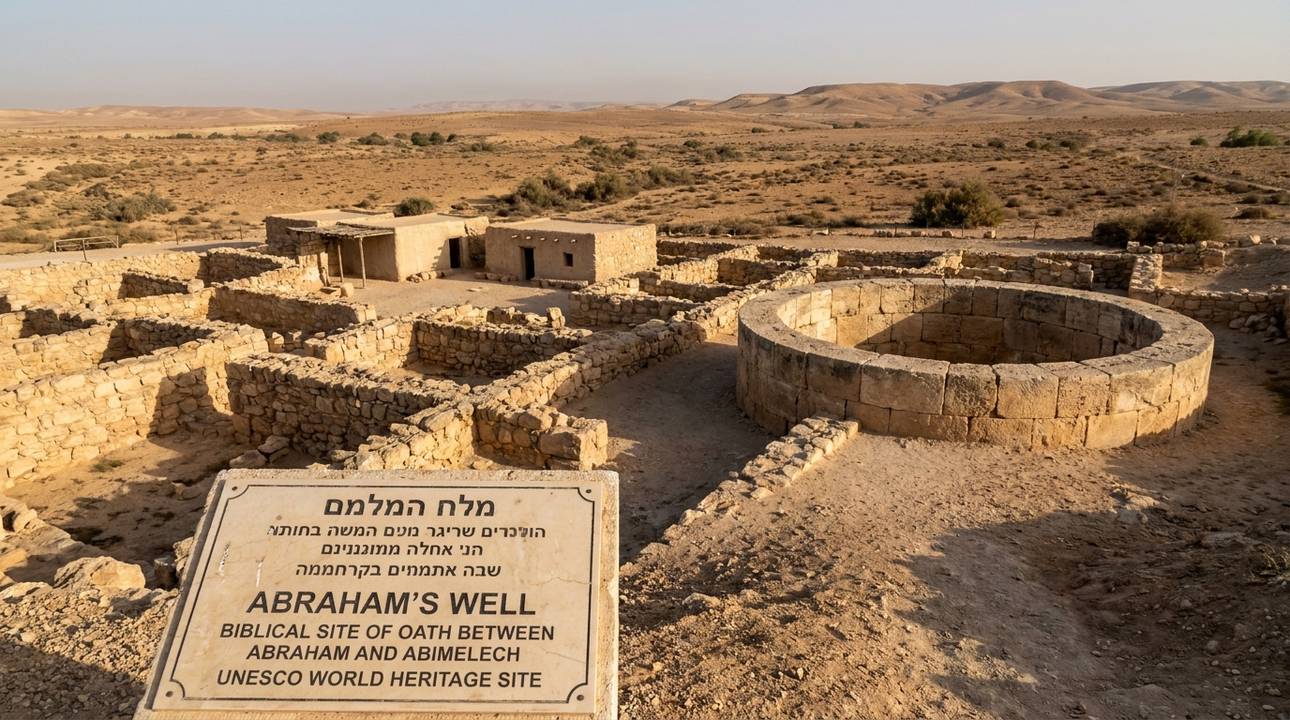
Beersheba stands as a gateway to the Negev desert, deeply rooted in history and biblical significance. According to Genesis 21:31, it was where Abraham settled a dispute with Abimelech over a well.
Presently, exploring Tel Be’er Sheva, a UNESCO World Heritage Site, reveals remnants of ancient settlement and ingenious water systems. This site not only enriches understanding of biblical narratives but also offers a foundation in archaeological exploration.
Legend of the Queen of Sheba
The Queen of Sheba, a figure of great intrigue, is traditionally linked to the ancient kingdom associated with parts of present-day Ethiopia and Yemen. The biblical account in 1 Kings 10 narrates her visit to King Solomon, highlighting trade and wisdom.
Modern Israel embraces this legend through cultural events and landmarks that celebrate this iconic historical interaction. These stories contribute to the rich tapestry of Israel’s historical narrative, inviting deeper exploration.
Cultural Heritage Sites in Modern Sheba
Modern Sheba’s cultural landscape is dotted with sites echoing ancient history while embracing contemporary culture. Traditional Bedouin communities offer a glimpse into age-old customs that have shaped the region’s identity.
Travelers can experience the vibrant mix of old and new by visiting bustling markets and engaging with local artisans. In places like Beersheba, the modern city thrives alongside historical sites, creating a unique blend of past and present.
The markets are filled with handmade goods, from pottery to textiles, showcasing the creativity and skill of local artisans. These crafts often incorporate traditional techniques and designs, preserving cultural heritage while adapting to modern tastes.
Purchasing these items as meaningful souvenirs supports local families and allows you to take home a piece of Sheba’s rich cultural tapestry.
These communities provide a window into the traditions that continue to influence the region today. Experiencing local hospitality and crafts offers unforgettable cultural insights. Partaking in traditional Bedouin meals allows for a deeper appreciation of the region’s culinary heritage.
For instance, enjoying a meal of mansaf, a dish made with lamb and yogurt, connects guests to ancient Bedouin customs. This tradition is not only about food but also about community and sharing.
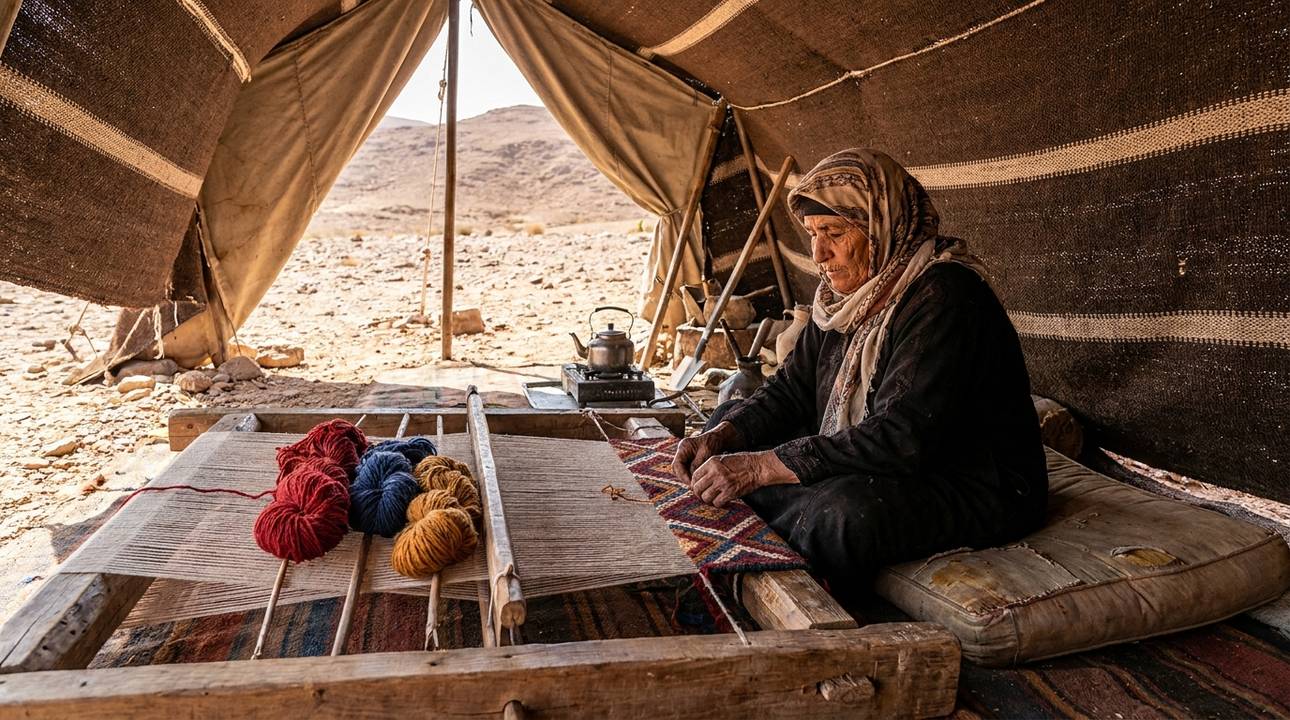
In addition to culinary experiences, exploring the art of Bedouin weaving reveals intricate patterns and vibrant colors. This craft has been passed down through generations, reflecting the Bedouin’s nomadic lifestyle and resourcefulness.
Engaging with local artisans provides insight into how these crafts have evolved while maintaining their traditional roots, offering a tangible connection to the past.
Ecotourism in Sheba
The Negev desert, often linked with the ancient land of Sheba, provides a distinctive ecotourism experience. Exploring its diverse landscapes reveals intriguing geological formations and native flora such as the desert iris and acacia trees.
Guided tours offer educational insights into the region’s ecological significance and conservation efforts. The desert’s vast openness provides a unique opportunity to connect deeply with nature and enjoy moments of serene solitude.
Insider's Guide to Israel
and can't-miss places most tourists never find.
The Negev is also home to the Ramon Crater, a geological wonder that spans 40 kilometers. This natural formation offers breathtaking views and is a focal point for understanding the earth’s history.
Learning about the crater’s formation and its significance in the context of the Negev’s ecosystem enriches one’s appreciation for the desert’s beauty and the delicate balance of its environment.
The crater’s unique geology provides insights into the processes that have shaped the earth over millions of years. Guided tours offer detailed explanations of the area’s natural history, enhancing the visitor’s understanding.
Exploring the crater allows for a deeper connection to the natural world, highlighting the intricate interplay between geology and ecology in this arid landscape.
Travel Tips for Sheba
When planning a visit to modern day Sheba, consider traveling during cooler months to avoid the desert’s peak heat. Engaging with local guides can enhance your understanding of the region’s rich history and vibrant culture.
Pack essentials like water, sun protection, and comfortable clothing to ensure a pleasant journey throughout the day. Guides often share insights into lesser-known historical sites, enriching the travel experience with stories passed down through generations.
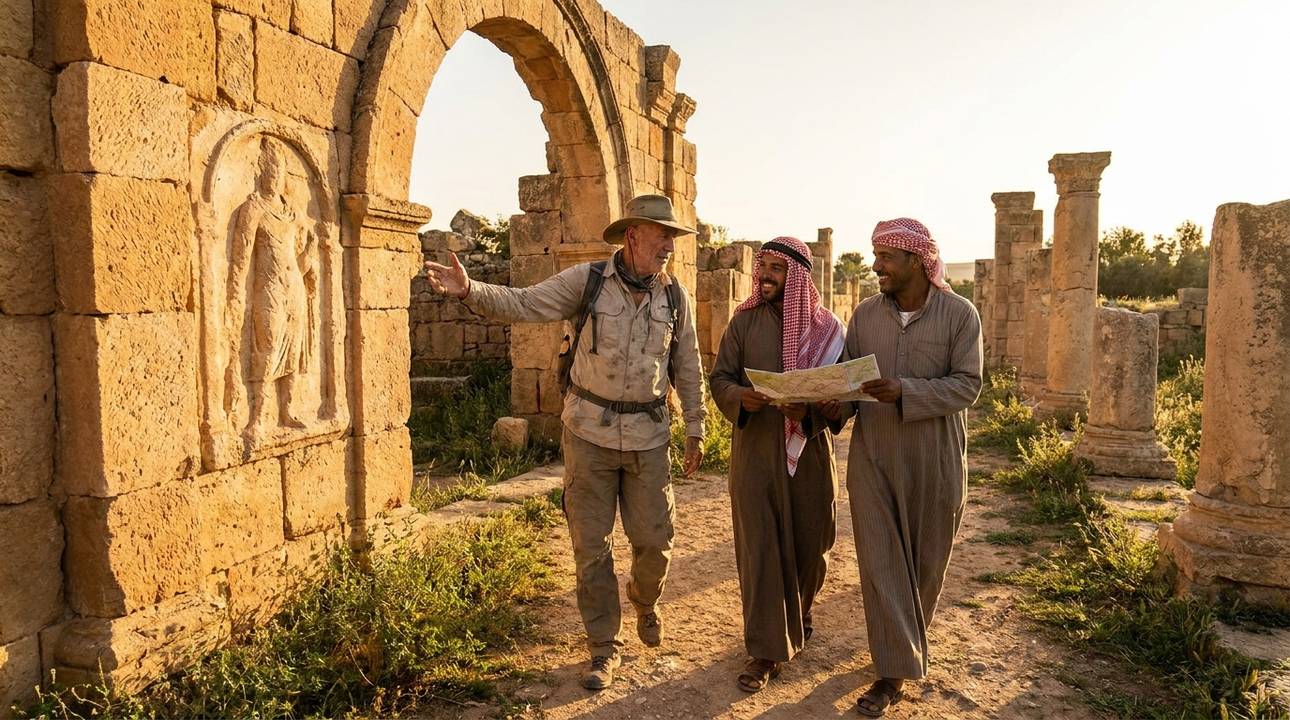
The region’s guides are often deeply connected to the land, offering personal anecdotes and historical context that bring the area’s past to life. For example, a visit to the ancient city of Avdat, a UNESCO World Heritage Site, reveals the Nabateans’ influence on trade routes.
These insights help visitors appreciate the strategic importance of Sheba in ancient times, enhancing the overall experience.
For a comprehensive experience, explore a blend of historical sites, natural beauty, and cultural interactions. Visiting places like the ancient city of Avdat offers insights into the region’s historical significance.
Interacting with local communities provides an opportunity to experience the warmth and hospitality that define this unique region. The Nabateans, who once thrived here, were known for their engineering prowess, evident in the ruins of Avdat.
These ancient inhabitants developed sophisticated water collection systems, crucial for survival in the arid desert. Learning about their innovations offers a deeper appreciation for the ingenuity required to thrive in such challenging environments.
Engaging with locals who share their ancestors’ stories further enriches the journey, creating a lasting connection to the land and its history.
Connecting with the Spirit of Sheba
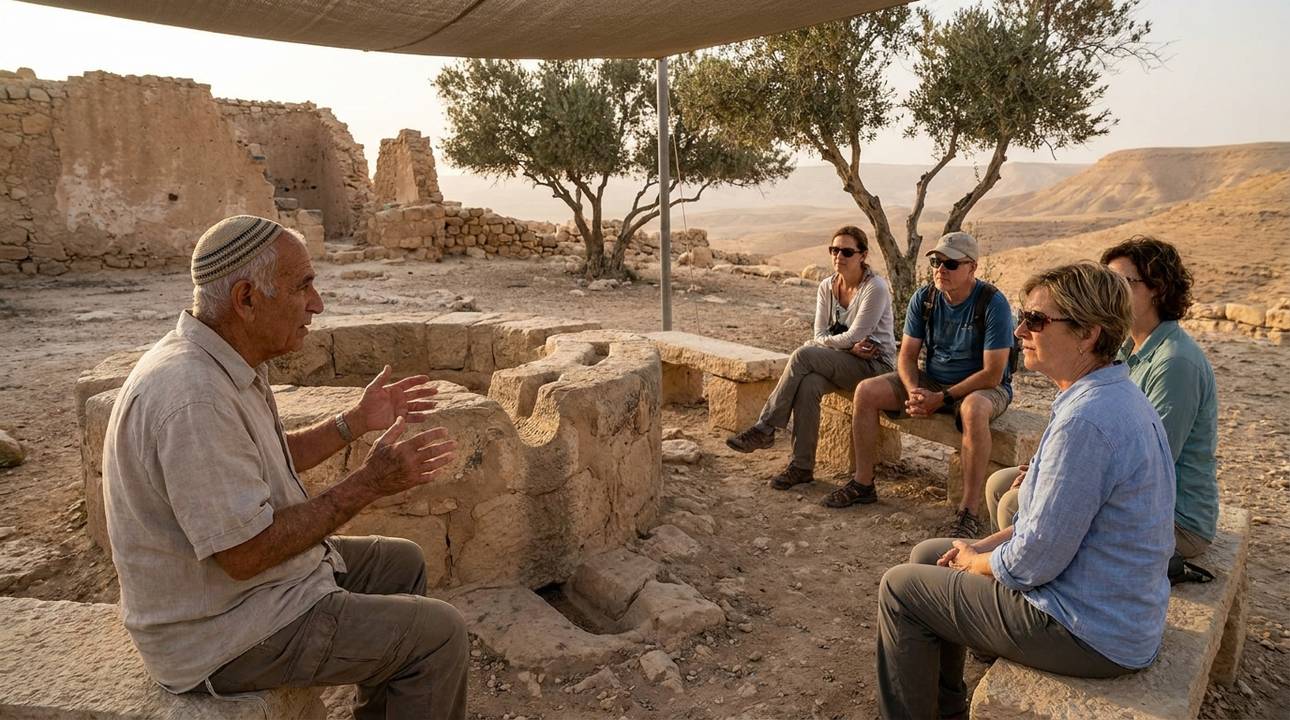
The spirit of Sheba resonates through its landscapes and people, offering a profound connection to its storied past. Understanding Sheba’s significance enriches one’s appreciation for the shared history across cultures.
Engaging in local traditions, such as traditional music and dance, fosters a bond with the land and its stories, creating lasting memories for travelers. These cultural expressions are windows into the region’s soul, reflecting its diverse influences.
Participating in a traditional dance or listening to Bedouin music allows visitors to connect with the rhythms and stories of Sheba. These experiences are not just performances but invitations to share in the community’s heritage.
Such interactions deepen the traveler’s connection to the land, transforming a simple visit into a meaningful cultural exchange.
Travelers leave with a greater sense of connection, inspired by the enduring legacy of Sheba. The stories of the Queen of Sheba, as mentioned in the Bible, continue to captivate and inspire those who visit. According to 1 Kings 10:1-13, the Queen of Sheba visited King Solomon, intrigued by his wisdom and wealth.
This rich tapestry of history and culture offers an unforgettable experience that resonates long after the journey ends.
The Queen’s journey from Sheba to Jerusalem is a tale of curiosity and admiration, highlighting the cultural exchanges of the ancient world. Her story is a reminder of the region’s historical significance as a crossroads of trade and dialogue.
Visitors today can trace these ancient routes, finding echoes of the past in the landscapes and stories shared by locals.
Conclusion: Embrace the Legacy of Sheba
In exploring modern day Sheba, one uncovers a rich tapestry woven from threads of history, legend, and cultural vibrancy. This journey offers travelers an opportunity to engage with the region’s profound heritage and natural beauty.
As you wander through these landscapes, remember that every step you take is a continuation of a story that began millennia ago. Embrace the experience, and cherish the stories that Sheba shares with you.
The landscapes of Sheba are not just physical spaces but living narratives that speak of ancient journeys and cultural exchanges. Each site visited adds a new chapter to the traveler’s understanding of this storied land.
Whether exploring archaeological ruins or engaging with local traditions, the journey through Sheba is one of discovery and connection, leaving a lasting impression on all who visit.
Travel and History FAQs
