
Exploring Israel’s Iconic Mountain
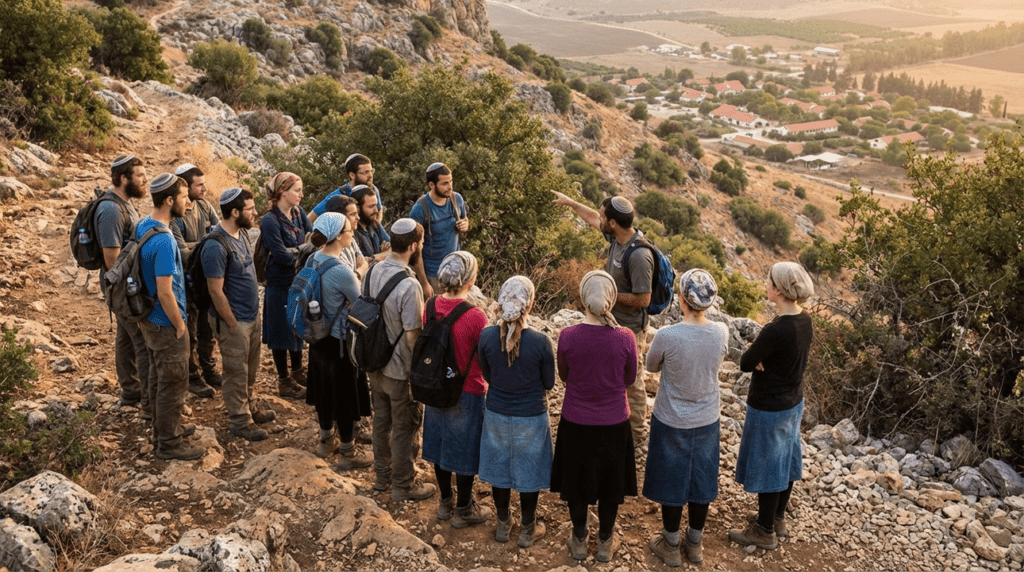

Israel’s landscape is dotted with historically significant mountains.
Among these, one stands out for its profound impact on culture and history. Mount Carmel, for example, is famously associated with the prophet Elijah, as recounted in 1 Kings 18:19-40, where he challenged the prophets of Baal. Join us as we uncover the layers of history and cultural resonance that make this mountain a landmark of Israel.
Israel’s mountains are more than just geographical features; they are deeply woven into the cultural and historical fabric of the nation. Stories such as that of the prophet Elijah, who famously confronted the prophets of Baal on Mount Carmel (1 Kings 18:19-40), add to their significance. These mountains have witnessed pivotal events in Jewish history, serving as backdrops for moments of faith and resilience.
In short: These mountains are not merely landscapes but are integral to Israel’s identity, echoing tales of courage and heritage.
Introduction to Israel’s Famous Mountain
The mountain holds a special place in the heart of Israel. It is not merely a natural feature but a symbol of resilience and faith. Many visitors come to experience its unique beauty and deep historical roots. This mountain has witnessed significant events that have shaped the nation’s legacy.
Exploring its past unveils stories of divine inspiration and human spirit.
Rising majestically, this mountain offers breathtaking views and is a haven for native flora and fauna. Mount Tabor, for example, is renowned for its lush vegetation and is mentioned in Judges 4:6 as the site where Deborah and Barak gathered their forces to battle Sisera. This historical context adds layers of meaning to the natural beauty of the mountain.
In short: The mountain’s majestic presence and historical significance make it a site of both natural wonder and cultural heritage.
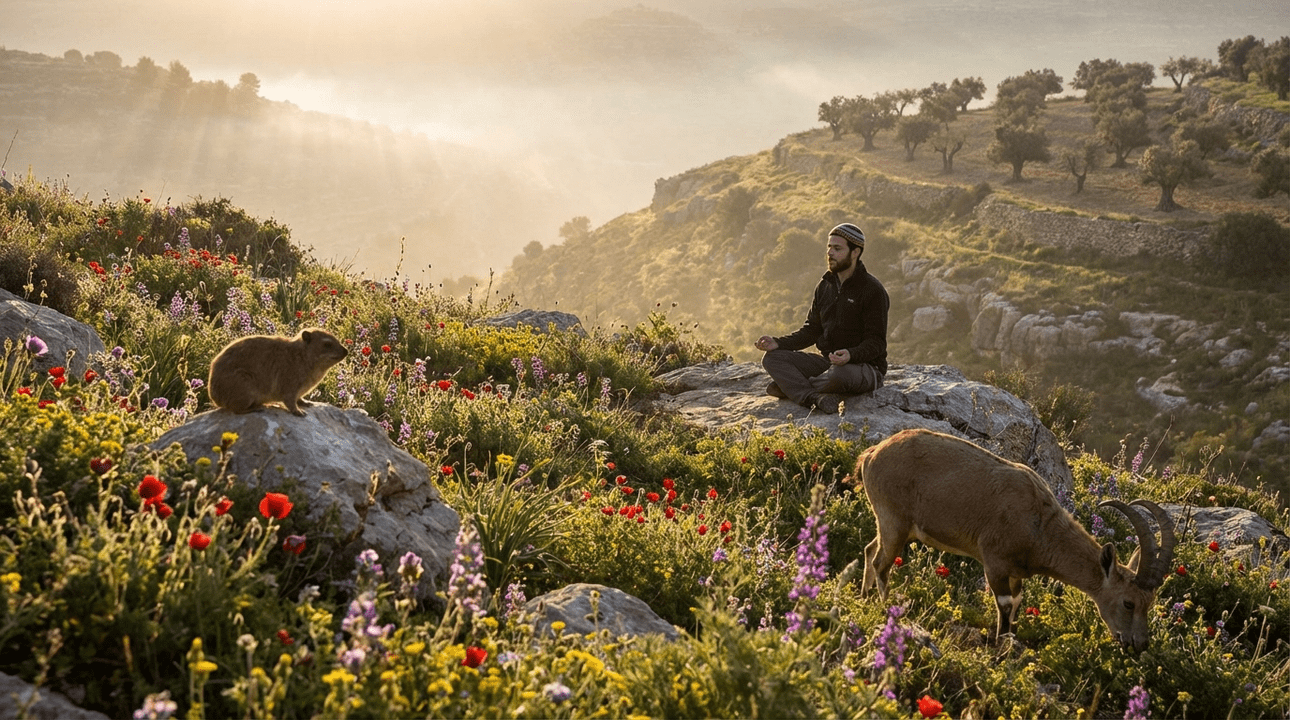
The region’s biodiversity is a testament to the land’s enduring vitality, offering visitors solace and spirituality in its serene environment. It is a place where nature and history intertwine seamlessly, providing a peaceful retreat from the hustle and bustle of daily life. The mountain’s rich ecosystems are home to diverse species, reflecting the harmony of nature.
In short: The mountain’s vibrant biodiversity and serene atmosphere offer a sanctuary for reflection and connection with nature.
Historical Significance
Historically, the mountain has served as a pivotal location, referenced in various texts as a site of significant events. These events have left an indelible mark on the collective memory of Israel, serving as a touchstone for cultural and spiritual practices. Its stories continue to inspire both locals and visitors alike, connecting them to the land’s rich history.
In short: The mountain’s historical significance is woven into the fabric of Israel’s cultural memory, inspiring generations with its enduring stories.
The mountain has seen empires rise and fall, serving as a strategic location in numerous conflicts. One notable event is the Battle of Megiddo in 609 BCE, where Pharaoh Necho II defeated King Josiah, an event recorded in 2 Kings 23:29. This battle marked a significant moment in the region’s history, demonstrating the mountain’s importance in military strategy.
In short: The mountain’s strategic location has made it a focal point in history, witnessing the ebb and flow of empires and shaping the course of events.
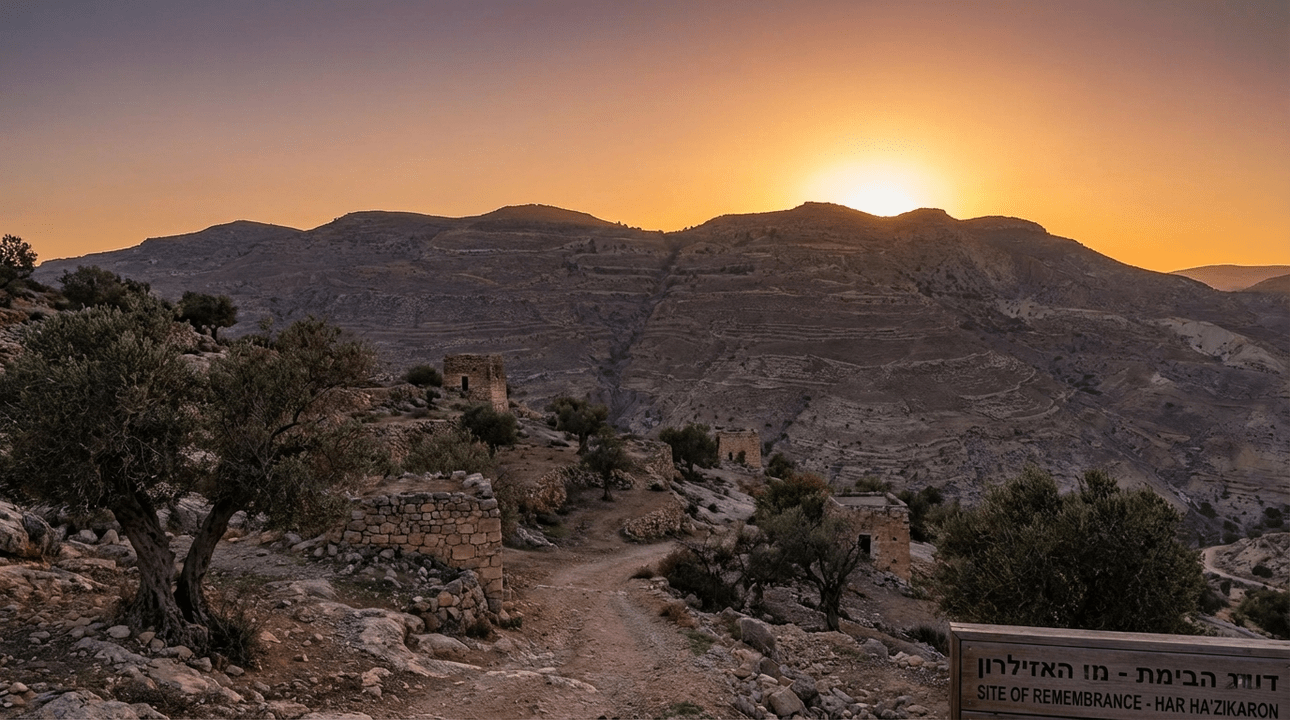
Despite the turmoil, the mountain remains a symbol of endurance and peace. The surrounding area has been enriched by these experiences, adding to its depth as a site of remembrance. It holds lessons of history for humanity, reminding us of the resilience of the human spirit in the face of adversity.
In short: The mountain stands as a testament to endurance, offering lessons in resilience and peace that continue to inspire.
Cultural Impact
Beyond its physical grandeur, the mountain holds cultural significance, prominently featuring in arts and folklore. Artists and writers have drawn inspiration from its timeless presence, such as in the poetry of Rachel Bluwstein, who often wrote about the landscapes of Israel. Her works capture the essence of the mountain’s beauty and its place in cultural memory.
In short: The mountain’s cultural significance is reflected in the arts, where its timeless presence continues to inspire creativity and expression.
The mountain’s aura has permeated literature, music, and film, becoming a symbol of cultural identity. It is celebrated in countless narratives, standing as a cultural icon. For example, in Amos Oz’s novels, the landscape often reflects the deep connection between the land and its people, highlighting the mountain’s symbolic role in Israeli storytelling.
In short: The mountain’s presence in the arts underscores its role as a bridge between the land and its cultural expressions, enriching the narrative of Israel.
In annual festivals and ceremonies, the mountain plays a central role. These events celebrate its enduring spirit and draw numerous participants. Through these cultural expressions, the mountain’s legacy is kept alive. Participants feel a connection to their heritage, strengthening community bonds.
Such traditions help preserve the cultural fabric of the region.

Exploration and Adventure
Adventure seekers are drawn to the mountain’s rugged terrain, which offers trails for all skill levels, making it a hiker’s paradise. The Israel National Trail, spanning the entire country, includes sections that traverse these mountains, providing a unique way to experience the landscape. This trail allows hikers to connect with the land and its diverse environments.
In short: The mountain’s trails offer adventure and exploration, inviting hikers to discover the beauty and challenges of the terrain.
The trails on the mountain showcase panoramic views that captivate every traveler, offering a refuge from urban life. Outdoor enthusiasts find recreation and rejuvenation here, often returning for the peace and beauty that the natural surroundings offer. These trails provide a unique opportunity to connect with nature and find solace in its tranquility.
In short: The mountain’s trails offer a serene escape, inviting visitors to immerse themselves in the beauty and peace of the natural world.
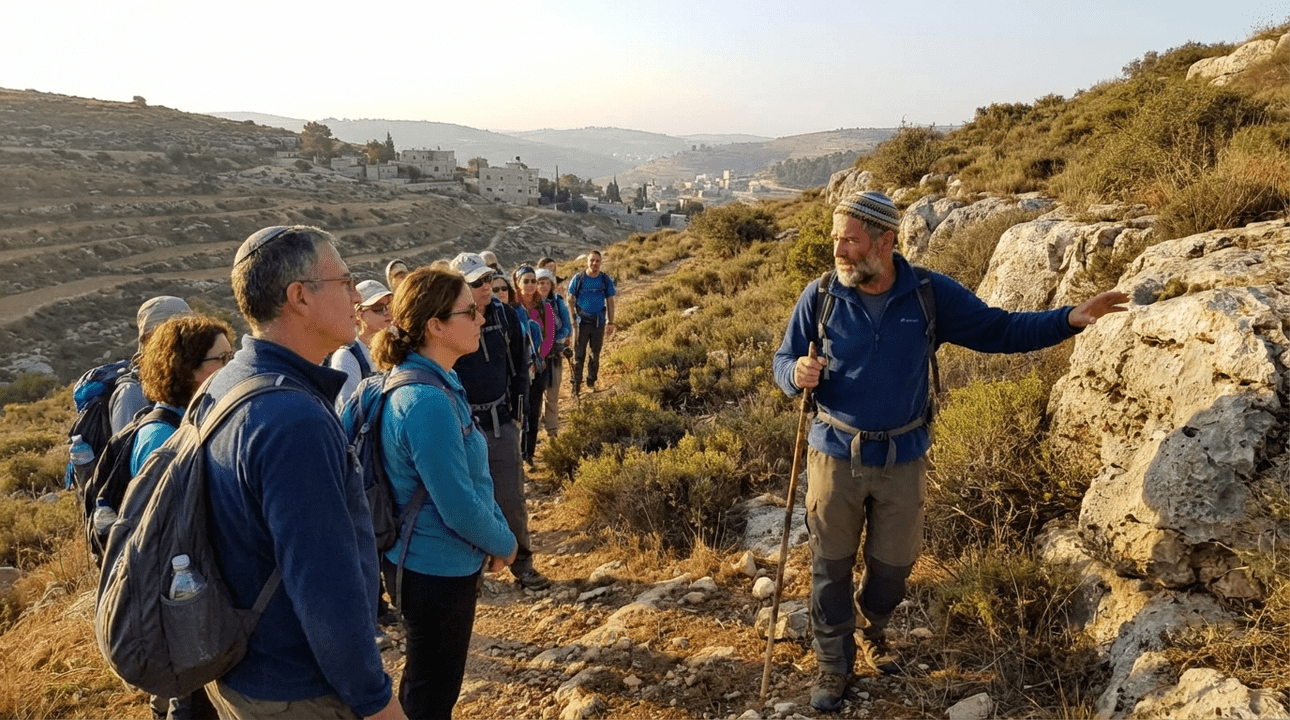
Local guides offer insights into the mountain’s hidden secrets, enriching the exploration experience. For instance, guides on Masada share tales of the ancient fortress and the Jewish Zealots’ last stand against the Romans in 73 CE. This historical narrative adds depth to the visit, connecting travelers to the past.
In short: Local guides enhance the journey by weaving stories of courage and history, making the mountain’s past come alive for visitors.
Guided tours of the mountain reveal lesser-known facets, offering explorers a deeper appreciation of the landscape. These tours often highlight the mountain’s unique geology and biodiversity, providing insights into its natural wonders. Visitors leave with a richer understanding, as the mountain serves as a gateway to both adventure and knowledge.
In short: Guided tours transform the mountain into a living classroom, where history and nature converge to educate and inspire.
Environmental Significance
The mountain is home to a diverse range of ecosystems, with preservation efforts helping maintain ecological balance. Mount Hermon, located in the north, is known for its unique flora and fauna, including the rare Hermon Iris. Conservation programs are crucial for protecting native species, ensuring the mountain’s natural heritage is preserved.
In short: Conservation efforts are vital for maintaining the mountain’s ecological diversity, safeguarding its natural treasures for future generations.
Initiatives to preserve the mountain ensure it remains a vibrant habitat, contributing to global environmental awareness. The Israel Nature and Parks Authority plays a vital role in these efforts, promoting sustainable tourism and environmental protection. Their work helps maintain the ecological balance, ensuring the mountain’s beauty and biodiversity are preserved for future generations.
In short: Preservation efforts safeguard the mountain’s natural treasures, fostering a sustainable relationship between humans and nature.
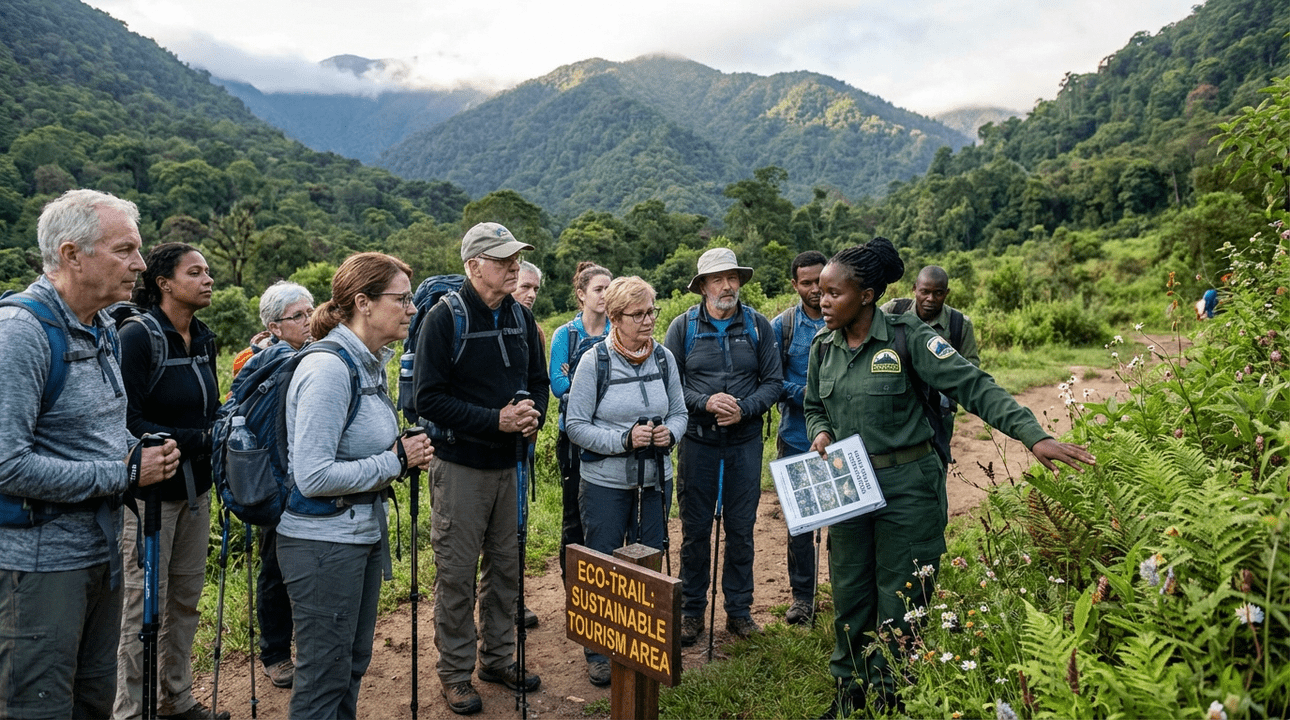
Awareness campaigns highlight the importance of sustainable tourism, ensuring the mountain’s beauty is preserved for future generations. Visitors are encouraged to respect and preserve the natural surroundings, with educational programs instilling a sense of responsibility towards nature. These efforts help create a sustainable future for the region, fostering a culture of conservation.
In short: Sustainable tourism initiatives protect the mountain’s natural beauty, promoting responsible travel and environmental stewardship.
Historical Queries
