
Exploring the Unique Story of the Ahava River


The Ahava River is historically noted as a site where an important assembly occurred. This location provides valuable insight into historical journeys, enhancing our understanding of ancient life. It was where exiles gathered to prepare for their return to their homeland. This assembly was a pivotal event, supporting their resolve to overcome adversity and reclaim their identity.
The river was a significant transition point, where the exiles reaffirmed their commitment to their mission. The gathering at Ahava was not just a logistical necessity; it reinforced their identity and purpose as a community. It was a testament to their determination during this period, providing them with the resolve to face challenges.
from the Western Wall to Masada.
What Is the Ahava River in the Bible?
The Ahava River is mentioned as a location where people gathered before traveling to their homeland. This event is recorded as an organized assembly. Their journey aimed to lead the exiled back to their homeland to rebuild. The site was crucial for preparation, fasting, and seeking guidance for safe passage, marking the start of a significant chapter in history.
The area underscores the importance of reflection and preparation. The fast was a communal act of humility, seeking guidance for the journey. It signifies the beginning of a faithful journey towards restoration, as leaders guided the people in preparing for the challenges ahead. This act of collective prayer and fasting was essential for their journey.
The River Ahava served as a checkpoint, where the exiles paused to seek favor before continuing their journey. A fast was proclaimed, urging the people to humble themselves and seek guidance for the challenges ahead. This moment emphasized the community’s reliance on preparation. The gathering was not just logistical but a deeply reflective experience.
Geographical Context of the Ahava River
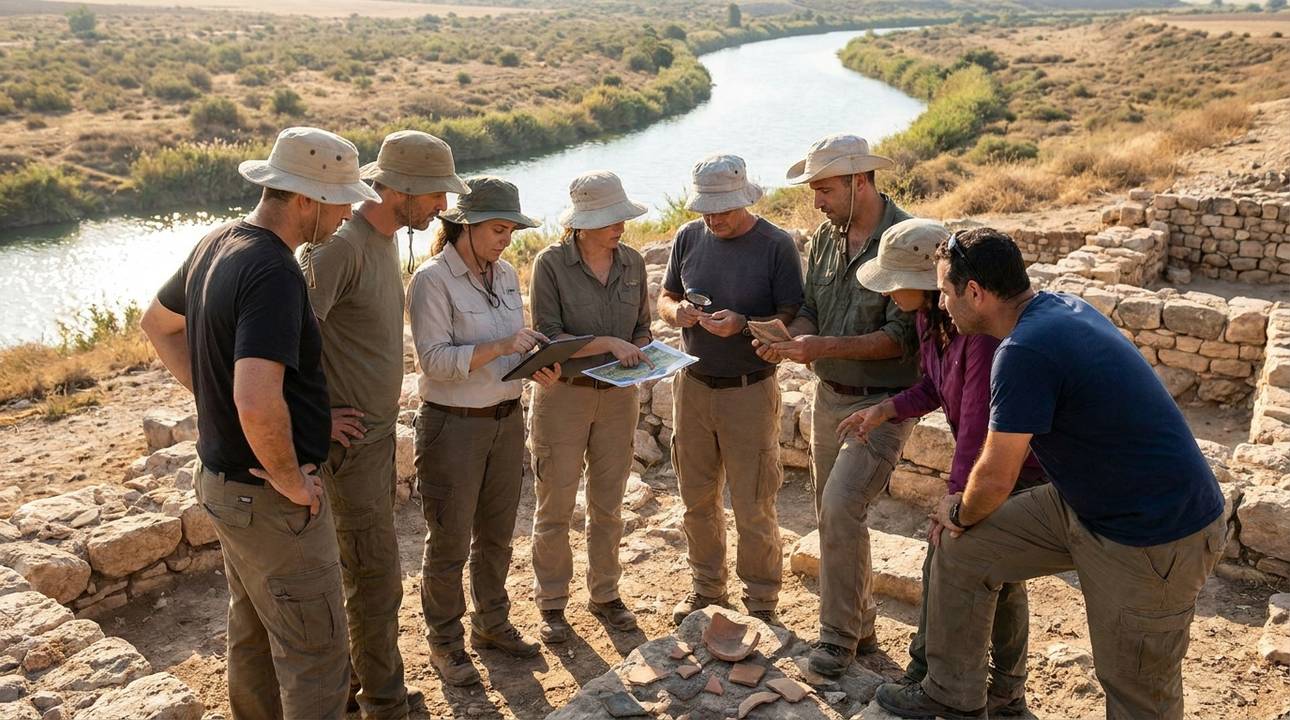
The exact location of the Ahava River remains uncertain, but it is generally believed to be in present-day Iraq. This speculation is based on historical travel routes of exiles during the Persian Empire. Ahava acted as an assembly point for the exiles, offering a strategic location for gathering and planning their return to their homeland.
The Ahava River’s location is linked to the broader context of the diaspora in Babylon. Its significance lies in its role as a meeting place, uniting the exiles as they prepared for their journey back to their homeland. This gathering point was essential for coordinating their efforts and ensuring readiness for the challenges ahead.
Ahava served as a boundary, marking the transition from exile to restoration. It is mentioned as a significant location where the exiles gathered before embarking on their journey back. This gathering symbolized the end of their captivity and the beginning of a new chapter in their history. The river thus became a symbol of unity.
The Role of the Ahava River in Historical Journeys
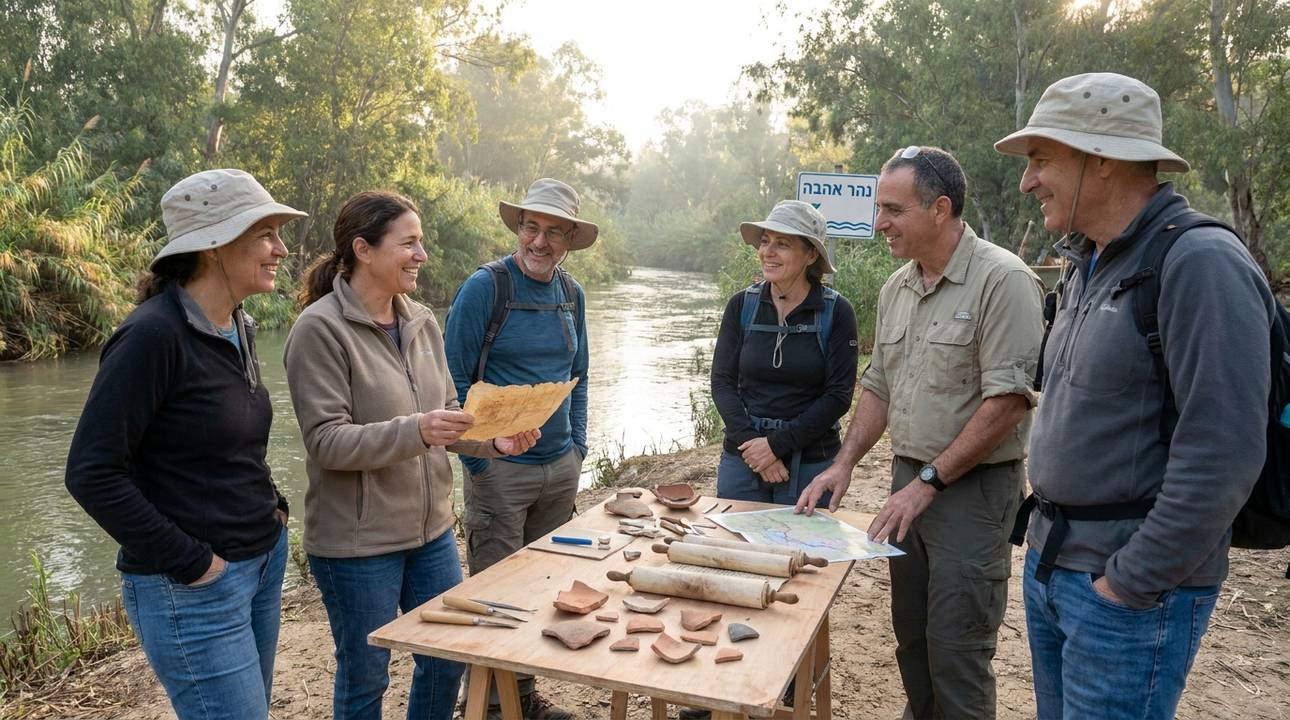
The gathering at the Ahava River was strategic for planning and obtaining favor. The collective fasting and prayer underscored the community’s commitment to their journey. This act of unity marked their readiness for the task of returning to their homeland and rebuilding their society. It highlighted the importance of preparation alongside logistical planning.
The river gathering symbolized more than just a meeting point; it was a declaration of their determination and trust in guidance. The communal fasting and prayer highlighted their reliance on strength to overcome challenges. Leadership at this critical juncture demonstrated the importance of faith as a foundation for their journey.
from the Western Wall to Masada.
Leadership at the Ahava River highlights the organizational aspect of the mission. By consolidating the group at this location, resources were efficiently distributed and preparation for the road ahead was ensured. The river symbolizes more than a site; it represents preparedness and faith, showing how logistical planning was intertwined with readiness.
The strategic gathering at the river allowed leaders to assess the group’s needs and ensure they were equipped for the journey. This preparation was crucial for the success of their mission, demonstrating the importance of both practical and spiritual planning. Organizational skills were vital in fostering a sense of unity and purpose among the exiles.

Ahava River as a Symbolic Gathering Place
In historical narratives, gathering by a river holds profound significance. Rivers often symbolize sustenance and guidance. For the people, these waters represented life and renewal. In tradition, rivers assured prosperity and hope, especially during journeys like the one toward their homeland. The act of gathering by the Ahava River was not just logistical but reflective.
The act of congregating by a river was not merely logistical; it was deeply reflective. It was a place where the community could come together, reflect, and seek favor for the challenges ahead. This assurance was crucial as they embarked on their journey to rebuild their homeland. The river served as a reminder of promises of safety and success.
Ahava River Today: Historical and Cultural Understandings
Today, the exact site of the Ahava River is lost to time, yet its historical implications endure. Its mention highlights the significant role it played in history. The lessons drawn from the assembly reflect persistence in the face of uncertainty. Ahava symbolizes a bridge between exile and the promise of a new beginning.
Cultural scholars continue to analyze the significance of this site in history. The Ahava River represents more than a geographical location; it embodies the hope and determination of a people united in purpose. The gathering there was a sign of their commitment to rebuilding their homeland and faith. This site serves as a reminder of the strength and unity that characterized the exiles during this critical period.
The Ahava River is more than just a geographical location; it embodies the essence of faith and determination. It describes how leaders guided the exiles in reflection and preparation by the river, seeking guidance and protection. This moment was pivotal as it represented a turning point for the people during a critical historical period.
The river became a symbol of intervention, reminding the people of their covenant and the promises made to their ancestors. Through actions, Ahava stands as a sign of the enduring faith and perseverance that characterized this period in history. The gathering was not just about physical preparation; it was an awakening that reinforced their identity and purpose.
Details about the Ahava River
