
Exploring the Historical Location of Beer Lahai Roi


Beer Lahai Roi holds a unique place in historical narratives. Known primarily from the story of Hagar, it symbolizes hope and encounter. Hagar, fleeing from her mistress Sarai, finds herself by a spring in the desert where an angel appears, offering comfort and promises for her son’s future. This article delves into its historical context, location, and significance within Jewish tradition. The name of this spring, translating to ‘Well of the Living One who sees me,’ underscores its role as a symbol of compassion and presence, resonating through generations.
The story of Beer Lahai Roi is enriched by its connection to Ishmael, Hagar’s son, who is promised to become a great nation. This promise is reiterated, where Hagar is reassured of Ishmael’s future. This site stands as a sign of enduring faith in the face of adversity. The narrative of Beer Lahai Roi is still remembered, reminding us of the impact of presence in moments of despair. It represents hope and assurance, established in the narrative and Jewish tradition.
from the Western Wall to Masada.
What Is the Significance of Beer Lahai Roi?
Beer Lahai Roi is first mentioned, linked to Hagar’s encounter with an angel in the wilderness. It translates as ‘The Well of the Living One Who Sees Me’. This location symbolizes providence and comfort in isolation, offering solace to Hagar when she fled from Sarah. The name of this site reflects the promise of protection and future prosperity for Hagar’s descendants. This narrative highlights the importance of the site as a place of refuge and interaction.
The significance of Beer Lahai Roi is underscored by its association with Ishmael, Hagar’s son, who is promised to become a great nation. This promise is reiterated, where Hagar is reassured of Ishmael’s future. This location serves as a sign of enduring faith in the face of adversity. The story of Beer Lahai Roi is still remembered, reminding us of the impact of presence in moments of despair. It stands as a symbol of hope and assurance, established in the narrative and Jewish tradition.
The site is significant as a place of revelation and naming. Hagar named her son Ishmael, meaning ‘God hears’, reflecting her encounter and the name of the well itself. This encounter is detailed, where an angel promises Hagar that her son will become a great nation. In later mentions, another son also resided near Beer Lahai Roi, highlighting its continuing relevance. It notes a return to the area after meeting Rebekah, indicating its personal importance. This site serves as a connecting thread between these pivotal figures.
The naming of Ishmael at Beer Lahai Roi carries profound implications, as it signifies attention and care. It reiterates the promise that Ishmael will father a great nation, reinforcing its symbolic role as a place of assurance. Another connection to this location further emphasizes its significance. It notes that after a patriarch’s death, settlement near Beer Lahai Roi suggests it was a place of personal refuge and continuity. This continuity underscores its enduring presence in the narrative.
Where Is Beer Lahai Roi Located?
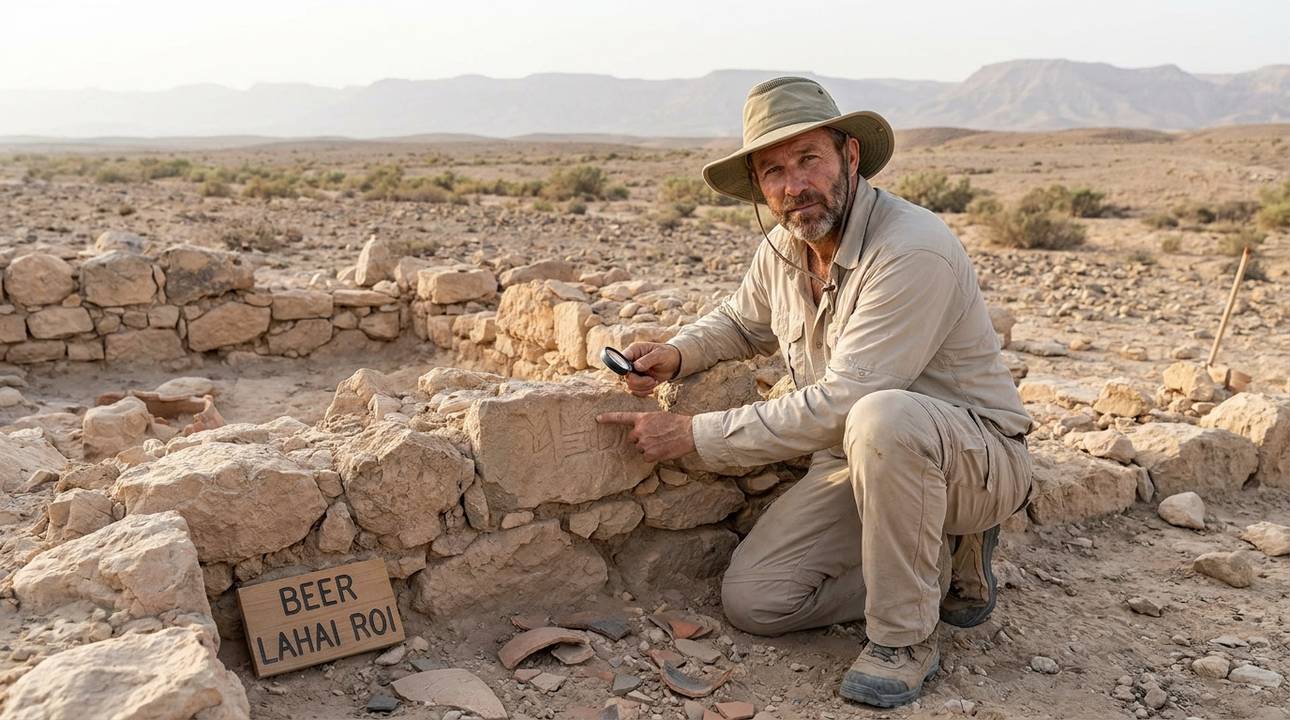
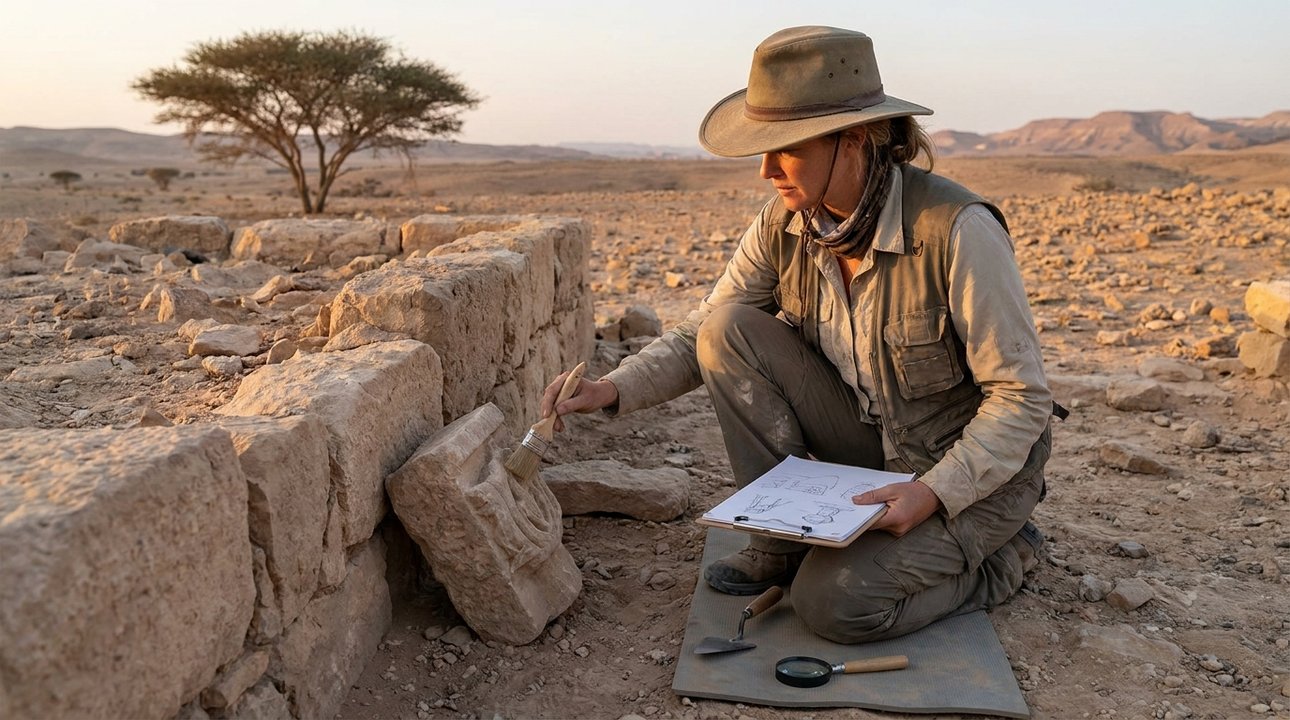
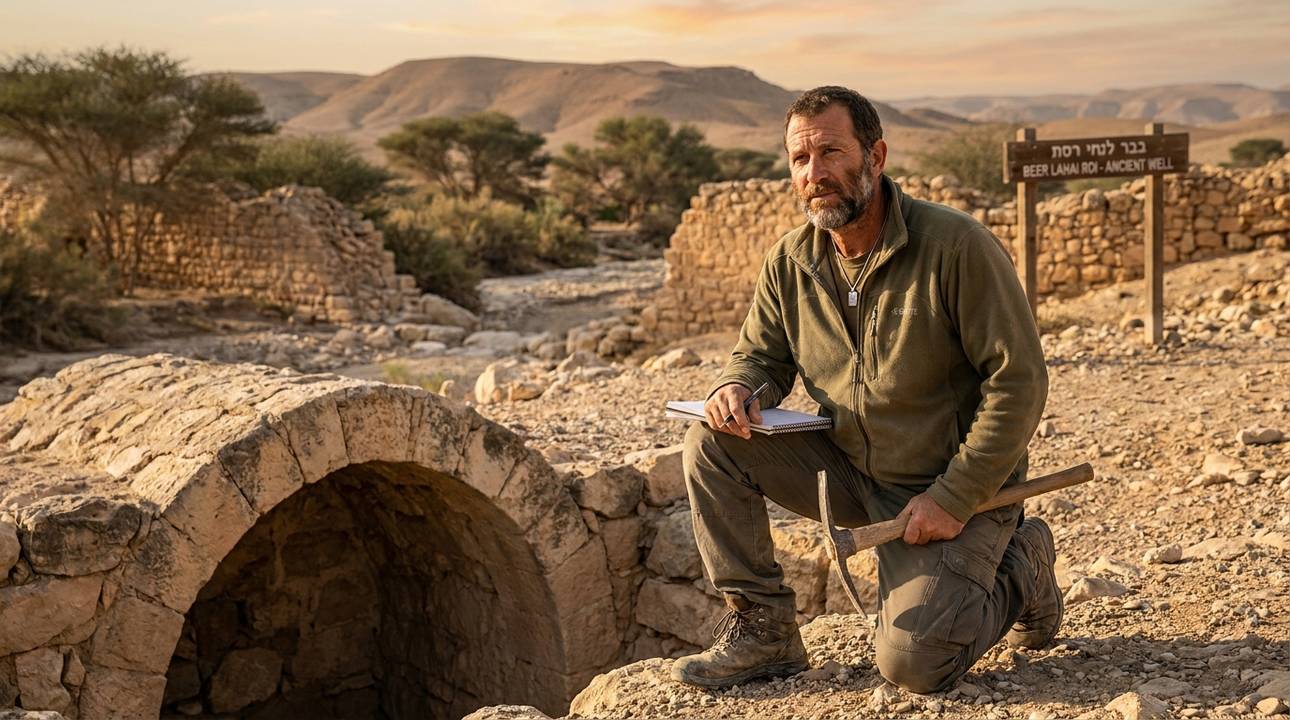
The precise location of Beer Lahai Roi remains uncertain, though it is traditionally placed in the Negev desert, south of Beersheba, within modern-day Israel. This region is known for its harsh climate, making water sources like this one vital for survival. Archaeological efforts have yet to conclusively identify the site, but the general region aligns with narrative descriptions. Its association with key figures adds to its historical intrigue and cultural role.
The Negev desert, where Beer Lahai Roi is thought to be located, is a vast and arid region. Historically, it has been a crossroads for ancient trade routes, adding to its strategic importance. The scarcity of water in this area made wells like this one essential for travelers and nomads. Despite its elusive location, its narrative continues to captivate scholars and believers alike. Its presence in the Bible as a site of divine encounter and promise underscores its importance in cultural memory.
Many scholars suggest its emplacement was strategic, providing necessary water resources in an arid land, thus enhancing its narrative importance. Beer Lahai Roi is mentioned, where Hagar encounters an angel. This encounter underscores its significance in offering sustenance and hope. While not identified with certainty, Beer Lahai Roi remains a powerful symbol in the cultural geography of the region. Its location in the Negev desert, south of Beersheba, aligns with traditional accounts. Its continued relevance is reflected in its enduring presence in Jewish thought and teachings.
The strategic importance of Beer Lahai Roi in the Negev desert is notable. Its presence provided a vital lifeline for ancient travelers and herders in the region. The repeated mention of this site in the Bible highlights its role as a backdrop for divine encounters. The narrative of Hagar and the angel exemplifies its function as a source of hope and divine intervention. This enduring symbolism continues to resonate with those who seek solace and guidance in challenging times, reinforcing its cultural and history.
Historical and Cultural References
Beyond the initial story of Hagar, Beer Lahai Roi is mentioned again, highlighting dwelling there. The son returns to this well after meeting Rebekah, suggesting it holds personal significance. This continuity suggests a place of personal significance for the patriarchs, connecting family narratives through geography. It serves as a geographical anchor in the stories, linking the experiences of Hagar through shared encounters with presence.
The repeated mention of Beer Lahai Roi in the stories of individuals emphasizes its role as a site of continuity and interaction. It notes settlement near this location after a patriarch’s death, indicating its importance as a familial and landmark. This connection reinforces its significance in the broader narrative. It serves as a sign of the enduring themes of hope, resilience, and presence that permeate these ancient stories, offering inspiration and insight to generations.
from the Western Wall to Masada.
Culturally, Beer Lahai Roi has been interpreted in various ways, serving as a backdrop in Jewish thought for divine encounters and sustenance. Commentaries often highlight its role in providing water and hope in the desert, a place where divine presence is felt most acutely. Its metaphorical richness is seen in teachings that emphasize themes of vision, providence, and survival. For instance, it is associated with the idea of being seen and heard by a higher power, offering reassurance in times of distress and uncertainty. This symbolism is deeply embedded in Jewish cultural narratives.
The cultural interpretations of Beer Lahai Roi extend beyond its physical presence, embodying a spiritual oasis in the desert. Jewish teachings often use this location as a metaphor for divine guidance and support, illustrating the belief in a higher presence watching over life’s journey. This story is still remembered by those seeking comfort and guidance, reminding them of the enduring presence of divine compassion even in the most challenging circumstances. Its role in Jewish thought underscores its lasting impact as a symbol of hope and resilience.
Jewish Interpretations and Commentaries
A renowned Jewish commentator discusses the significance of Beer Lahai Roi, focusing on its name as a reflection of insight. He interprets the name, ‘Well of the Living One who sees me,’ as an acknowledgment of awareness and intervention in human affairs. This interpretation underscores its symbolic role in the narrative, representing presence in human affairs. His insights highlight the site as a place where individuals can feel seen and understood by a higher power, reinforcing its importance in Jewish thought.
The insights on Beer Lahai Roi provide a deeper understanding of its role in narratives. The interpretation of the name emphasizes the theme of perception and care, offering a sense of comfort and assurance to those who seek it. This perspective aligns with the broader cultural significance of the site, underscoring its role as a symbol of presence and intervention. The commentary highlights its enduring impact on Jewish thought and its relevance in contemporary reflections.
In the Zohar, a foundational work of Jewish mysticism, Beer Lahai Roi is explored further, reflecting mystical layers and its narrative resonance as a place of awakening. The Zohar often delves into the deeper meanings of locations, and this site is no exception, seen as a place where the presence is palpably felt. Such interpretations keep the location alive in cultural memory, linking it to broader themes of interaction. The Zohar’s exploration emphasizes the site as a portal to wisdom, echoing the experiences of figures who sought guidance in times of need.
Present-Day Reflections on Beer Lahai Roi
Today, Beer Lahai Roi remains a significant symbol in Jewish and scholarly thought, representing compassion and presence. It is first mentioned, where Hagar, alone in the wilderness, encounters an angel who comforts her. This site is named Beer Lahai Roi, meaning ‘Well of the Living One who sees me,’ a sign of awareness. Although its exact location cannot be precisely determined, its thematic richness is still remembered in faith and understanding. Scholars have debated its possible location, suggesting it might be near Kadesh or Bered, areas mentioned in the same context. Despite the uncertainty, its symbolic meaning as a place of encounter endures in Jewish tradition.
Recurring in prayers and teachings, Beer Lahai Roi symbolizes the enduring search for divine guidance and insight in desolate or challenging times. Jewish liturgy often references places like this one to evoke themes of hope and divine presence. For many, it offers a timeless message of hope, reassurance, and the belief in a higher wisdom watching over life’s journey. The story of this site is still remembered by those seeking comfort and guidance, reminding them of the enduring presence of divine compassion even in the most challenging circumstances.
The symbolism of Beer Lahai Roi in Jewish thought extends beyond its physical presence, embodying a spiritual oasis in the desert. Its narrative serves as a reminder of the divine presence that guides and sustains individuals through life’s trials. This story is still remembered by those seeking comfort and guidance, reminding them of the enduring presence of divine compassion even in the most challenging circumstances. Its role in Jewish thought underscores its lasting impact as a symbol of hope and resilience.
Historical Context and Significance
