
Discovering Beer-Lahai-Roi: A Historical Journey Through Maps


Beer-Lahai-Roi is a location mentioned in historical texts, known for its significance in early narratives. The geographical details, such as its placement in the Negev desert, help us understand its ancient significance and its role as a vital oasis in a harsh environment. The Negev’s arid climate made such wells essential for survival and travel. The Negev, a region south of Israel, has been historically significant for its trade routes and nomadic tribes. These routes facilitated cultural exchanges and economic interactions, shaping the region’s historical development.
Hagar’s encounter at Beer-Lahai-Roi is pivotal, marking a moment of cultural impact. Scholars and historians continue to explore the implications of this encounter, both in terms of historical narrative and its broader cultural impact. The story resonates with themes of hope and intervention.
This story underscores themes of hope and resilience in the face of adversity. It highlights the enduring relevance of historical narratives in understanding human experiences and journeys.
from the Western Wall to Masada.

Where Is Beer-Lahai-Roi Located?
Beer-Lahai-Roi is first mentioned in historical texts. The site is traditionally located in the Negev desert, south of present-day Israel, near Kadesh and Bered. This region was historically significant for its role in ancient trade and migration. It is described as a well, making it a vital watering point in the arid region. The exact location remains debated among scholars, with some suggesting it may be near modern-day Be’er Sheva. This area has been a crossroads for various cultures throughout history. This uncertainty adds to the site’s allure, inviting further exploration and study. Researchers continue to investigate its precise location, hoping to uncover more about its historical and cultural role.
The well’s significance is not only practical but also historical, as it represents a place of encounter and promise. Hagar’s naming of the well reflects her profound experience of being seen, as noted in historical texts.
This dual importance of Beer-Lahai-Roi as both a physical and historical landmark continues to be a subject of scholarly interest, drawing attention from historians alike. Its role in the narrative highlights the intersection of human experience and intervention.
What Is the Story of Beer-Lahai-Roi?
Hagar encounters an angel near the well of Beer-Lahai-Roi. This location symbolizes comfort and guidance to her, offering a moment of solace in her distress. The angel’s appearance reassured Hagar during her flight from Sarah.
It is where the angel promises Hagar that she will bear a son, Ishmael, who is later mentioned as the father of a great nation. This promise underscores the future significance of Ishmael’s lineage in history.
Beer-Lahai-Roi serves as a backdrop for assurance and hope in the narrative, emphasizing themes of care and future promise. It highlights the enduring influence of this site in the journeys of historical figures.
Historical and Archaeological Understanding
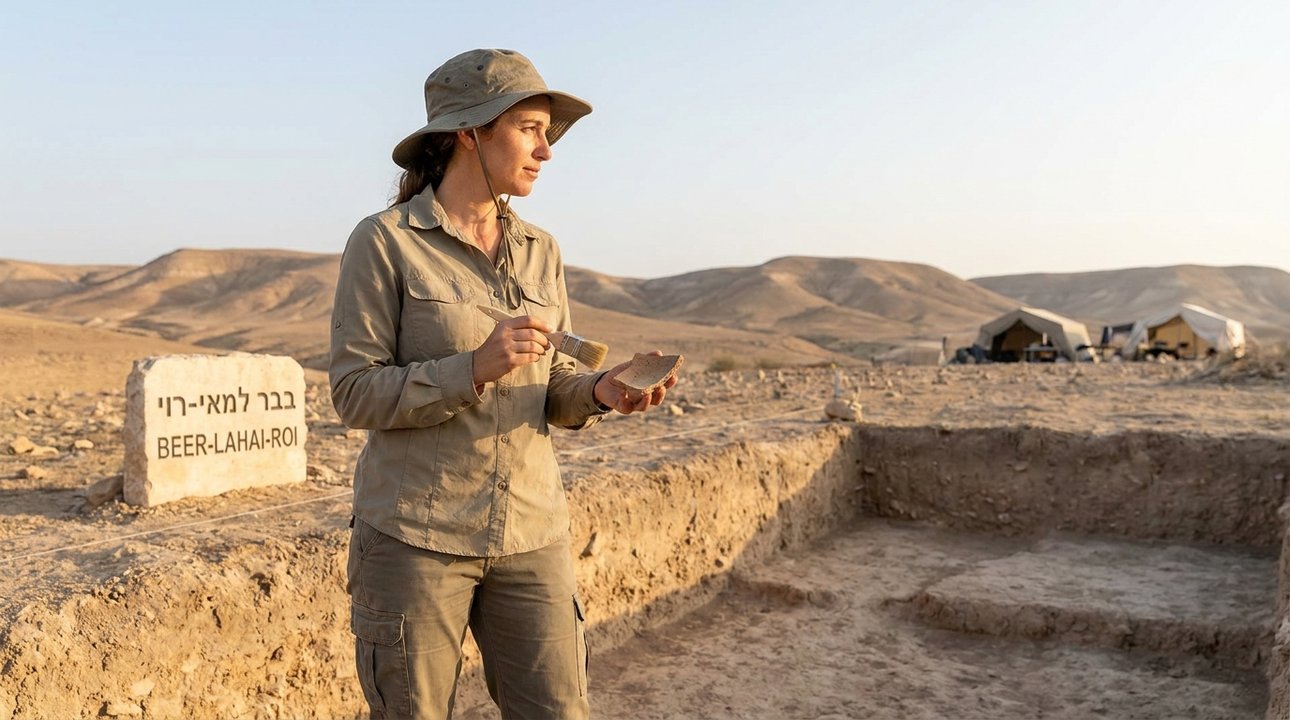
Archaeological efforts have aimed to locate Beer-Lahai-Roi precisely. While no concrete evidence has emerged, researchers lean on historical descriptions. Scholars cross-reference other known locations, including Kadesh and Bered, to estimate its whereabouts. The area aligns with migratory routes known from ancient records, which were crucial for trade and travel in the region. These routes facilitated cultural and economic exchanges.
These routes were used by nomadic tribes and traders, adding to the historical intrigue. The search for Beer-Lahai-Roi continues to captivate those interested in archaeology and history.
Significance in Historical Times
Beer-Lahai-Roi was more than just a well. It served as a marker on trading paths in the ancient Near East, essential for caravans traveling through the desert. Historical records indicate its strategic position along routes connecting Egypt and other regions.
The presence of a water source offered respite in the barren landscape, crucial for the survival of traders and their animals. This made it a vital stopover, providing not only water but also a place for rest and social interaction.
Such locations were crucial for survival, enhancing their logistical importance, as they also became centers for social and economic exchange. Travelers would share news and goods, fostering connections between distant communities.
The well’s role in trade routes underscores its importance in the broader context of ancient Near Eastern commerce. As a hub of activity, Beer-Lahai-Roi would have seen diverse groups of people passing through, each contributing to the culture of the region. This interaction of cultures at such sites often led to the exchange of goods, ideas, and spiritual beliefs, enriching the area’s historical narrative. These exchanges were vital for the development of early civilizations and their interconnectedness.
The Map and Modern Interpretation
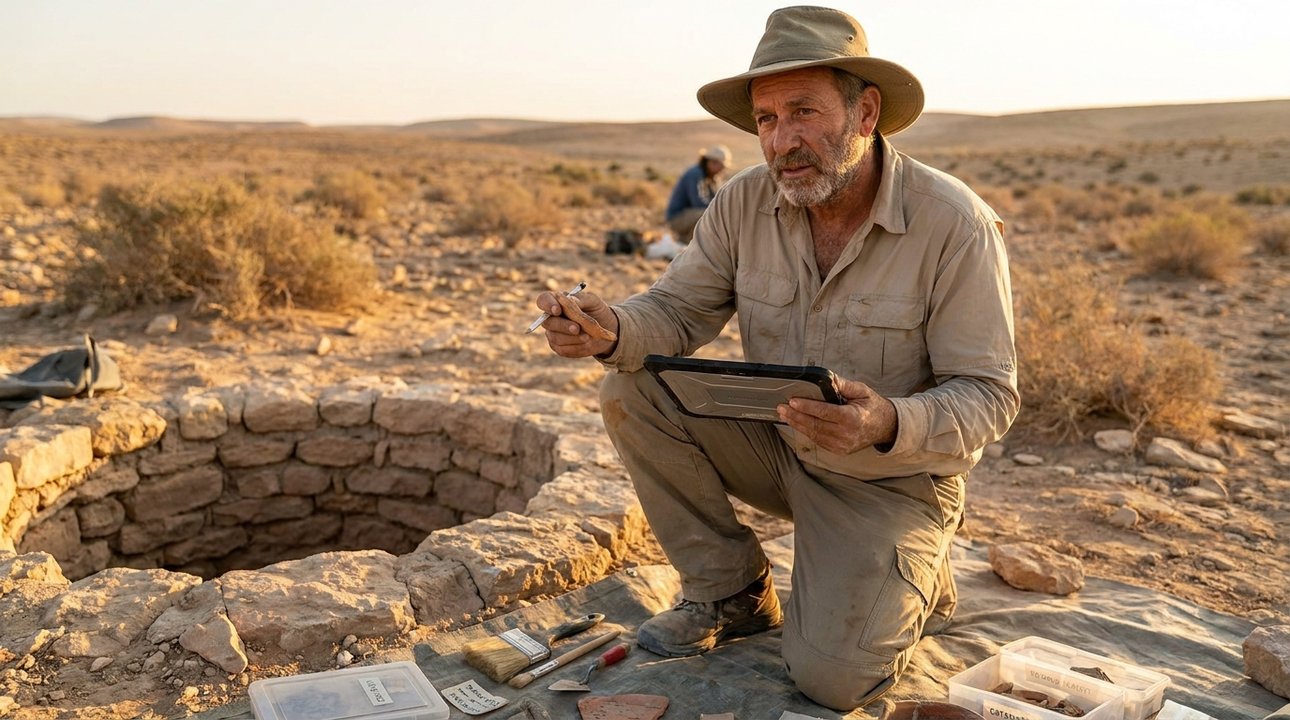
Modern maps strive to reconstruct landscapes like Beer-Lahai-Roi using GPS and historical data. Thanks to advancements in satellite imagery, researchers can visualize ancient terrains more accurately today, offering new perspectives on historical geography. These tools allow for detailed analysis of topographical features that align with historical descriptions.
These technological tools provide deeper insight into historical geography, allowing for a more nuanced understanding of historical sites. By combining modern technology with ancient texts, scholars can reconstruct the historical landscape with greater precision.
from the Western Wall to Masada.
Beer-Lahai-Roi in Current Research
Contemporary scholars delve into Beer-Lahai-Roi’s textual and archaeological aspects, examining references in historical texts. New findings occasionally reshape our understanding, providing fresh perspectives on its role in ancient trade routes and local culture. For instance, recent studies suggest Beer-Lahai-Roi may have been a crucial stop for caravans traveling from Egypt to the Levant. The site continues to captivate those interested in history and its landscapes, showing the daily lives of ancient peoples. Researchers explore how the well served as a lifeline in the desert, supporting both nomadic tribes and settled communities.
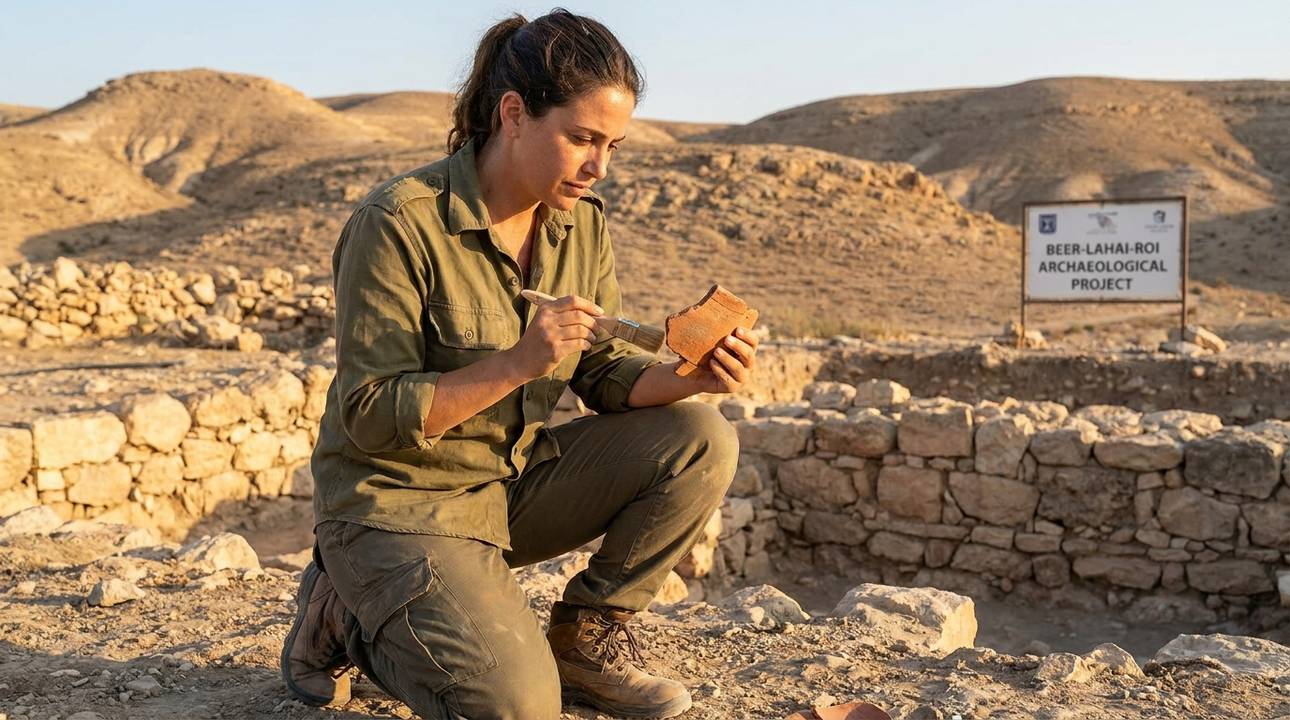
Archaeological discoveries, such as pottery and remnants of ancient structures, offer clues about the site’s historical context. These artifacts, often dated back to the Bronze Age, provide insight into the daily lives of those who inhabited the region. These findings help scholars piece together the daily activities and practices of those who lived near Beer-Lahai-Roi. For example, pottery shards may indicate trade connections with neighboring regions, while structural remnants suggest community gathering spaces. The ongoing research highlights the dynamic nature of archaeology, where each discovery can alter our perception of historical narratives. As new evidence emerges, scholars continually reassess the history of Beer-Lahai-Roi, enriching our understanding of its role in the ancient world.
Cultural Reflections on Beer-Lahai-Roi
The story of Beer-Lahai-Roi is still remembered in cultural reflections, appearing in art and literature. This location is where Hagar, fleeing from Sarah, encountered an angel who promised her numerous descendants. The promise of Ishmael’s future is a key element of this narrative. This encounter symbolizes providence and perseverance, as Hagar named the well Beer-Lahai-Roi, meaning ‘The Well of the Living One Who Sees Me’. This name reflects her experience of being seen and heard in her time of need. These themes are echoed in various cultural expressions, highlighting the story’s enduring impact. Artists and writers draw on this narrative to explore themes of resilience.
Many see it as a sign of resilience under challenging circumstances. Artists have depicted Hagar’s story, emphasizing themes of hope and intervention. These artistic works capture the emotional depth of Hagar’s experience. Literature often explores the emotional depth of Hagar’s experience, highlighting her strength and the well’s symbolic representation of being seen and heard in times of distress. This narrative resonates with universal themes of struggle and perseverance. These artistic interpretations resonate with audiences, reflecting timeless human themes. The story of Hagar at Beer-Lahai-Roi remains a powerful symbol of enduring hope.
Conclusion: Why Beer-Lahai-Roi Matters
Understanding Beer-Lahai-Roi offers insights into historical narratives and themes, particularly those found in ancient texts. This location emphasizes the importance of place in stories, influencing believers and scholars alike. It serves as a reminder of the tangible settings of historical events. It remains a point of fascination and discovery in historical geography, as its story reflects themes of care and human resilience. The well’s significance is woven into the broader mix of history. The ongoing exploration of this site continues to shed light on the cultural context of the ancient world. Scholars and enthusiasts alike are drawn to its cultural importance.
The well’s story invites reflection on the significance of being seen and heard, a theme that resonates deeply with many. For scholars, Beer-Lahai-Roi serves as a case study in the intersection of geography, history, and culture.
Its continued exploration helps illuminate the ways in which physical locations are woven into the cultural fabric of narratives, offering a richer understanding of these ancient stories.
This exploration also highlights the enduring relevance of these themes in contemporary discussions.
Historical Context and Geography
