
Discovering the Historical Location of Beer-lahai-roi
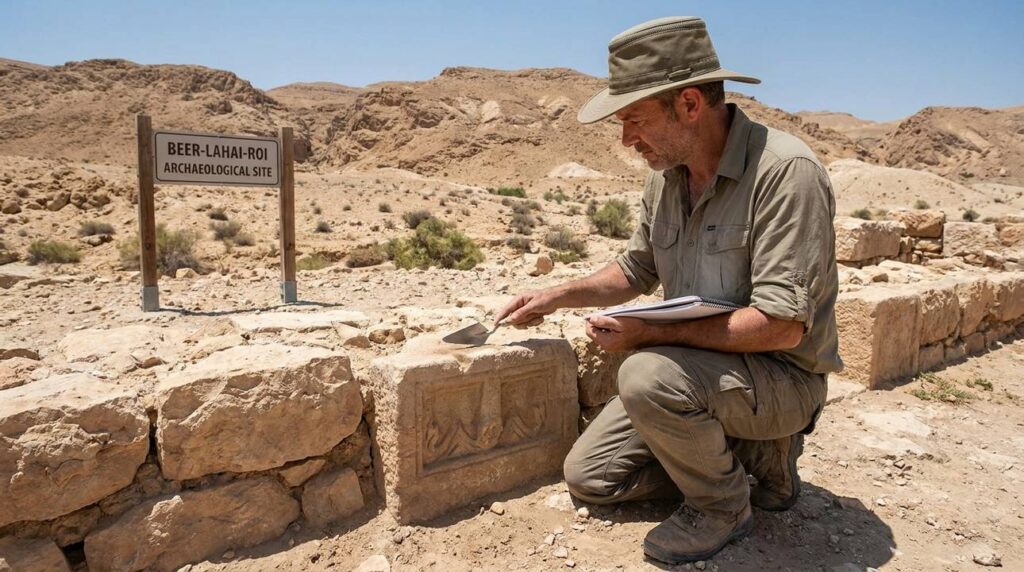

Beer-lahai-roi is known as a place where Hagar encountered divine intervention. This event is detailed in historical texts, where Hagar, fleeing from Sarai, meets an angel at this well. Traditionally associated with the Negev region, Beer-lahai-roi remains a site of interest.
The name itself means ‘Well of the Living One who sees me,’ reflecting Hagar’s experience of being seen and heard in her distress.
This site represents narratives of survival and hope. It serves as a reminder of presence in times of need. The story of Beer-lahai-roi is remembered for its reflections on care and the ways it manifests in life, offering comfort to those who feel unseen in their struggles.
from the Western Wall to Masada.
What Is Beer-lahai-roi?
Beer-lahai-roi is mentioned as a well, a pivotal location in the story of Hagar, the maidservant of Sarah. According to historical texts, the well is named Beer-lahai-roi, which means ‘well of the Living One who sees me’.
This name reflects the moment when Hagar, in her desperation, encounters a messenger who reassures her of her future and that of her son, Ishmael. This encounter highlights the theme of intervention in moments of human vulnerability.
Hagar’s story emphasizes the importance of being seen and heard in times of distress. The well’s name captures this experience, serving as a reminder of presence and care that transcends time.
This account has inspired interpretations on observation and guidance, offering comfort to those who feel unseen in their struggles.
The Significance of Beer-lahai-roi in Genesis
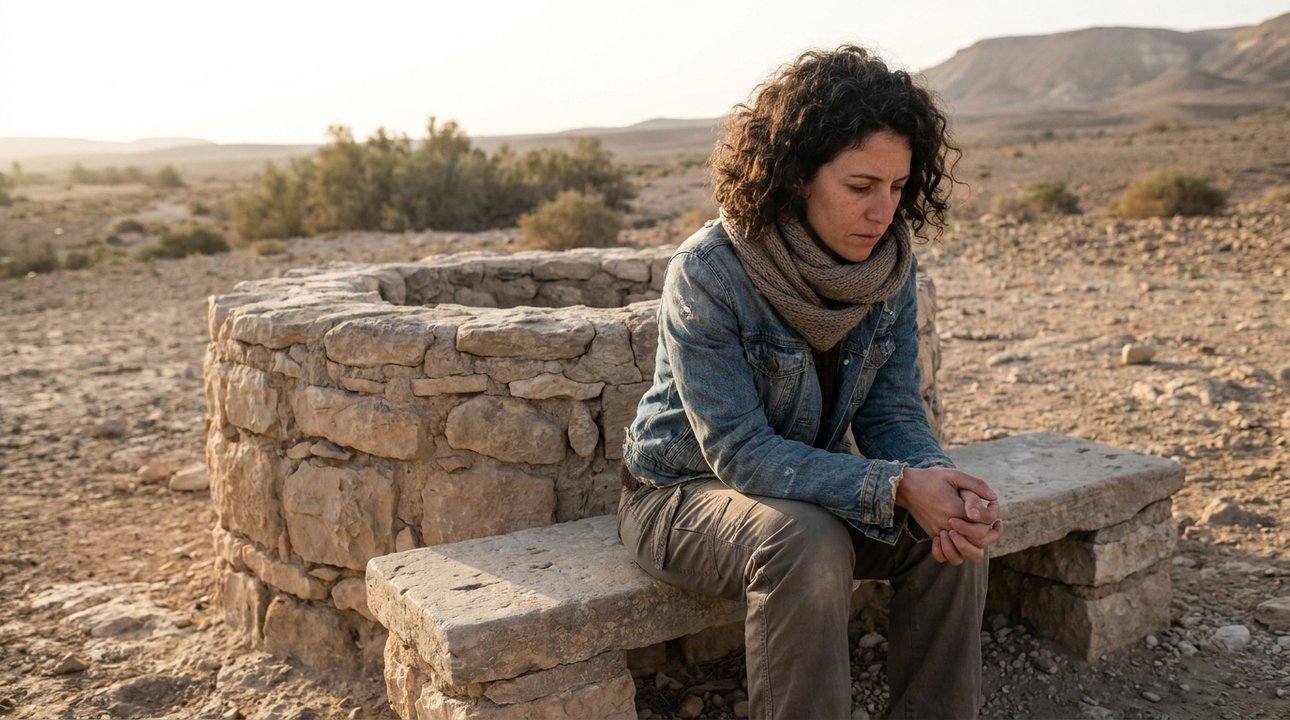
In the narrative, Beer-lahai-roi represents more than just a physical location. It is the site of Hagar’s encounter with an angel, providing her with comfort and promises. This event is described where Hagar, fleeing from Sarai, finds solace and assurance at this well.
The angel’s message to Hagar includes promises of her son’s future, underscoring the themes of hope and presence central to this story.
The well’s name, meaning ‘Well of the Living One who sees me’, captures the essence of Hagar’s experience of being seen and heard in her distress. This narrative highlights the transformative power of divine encounters, offering a message of hope and reassurance to those who feel lost or abandoned.
Geographical Clues: Where Is Beer-lahai-roi Located?
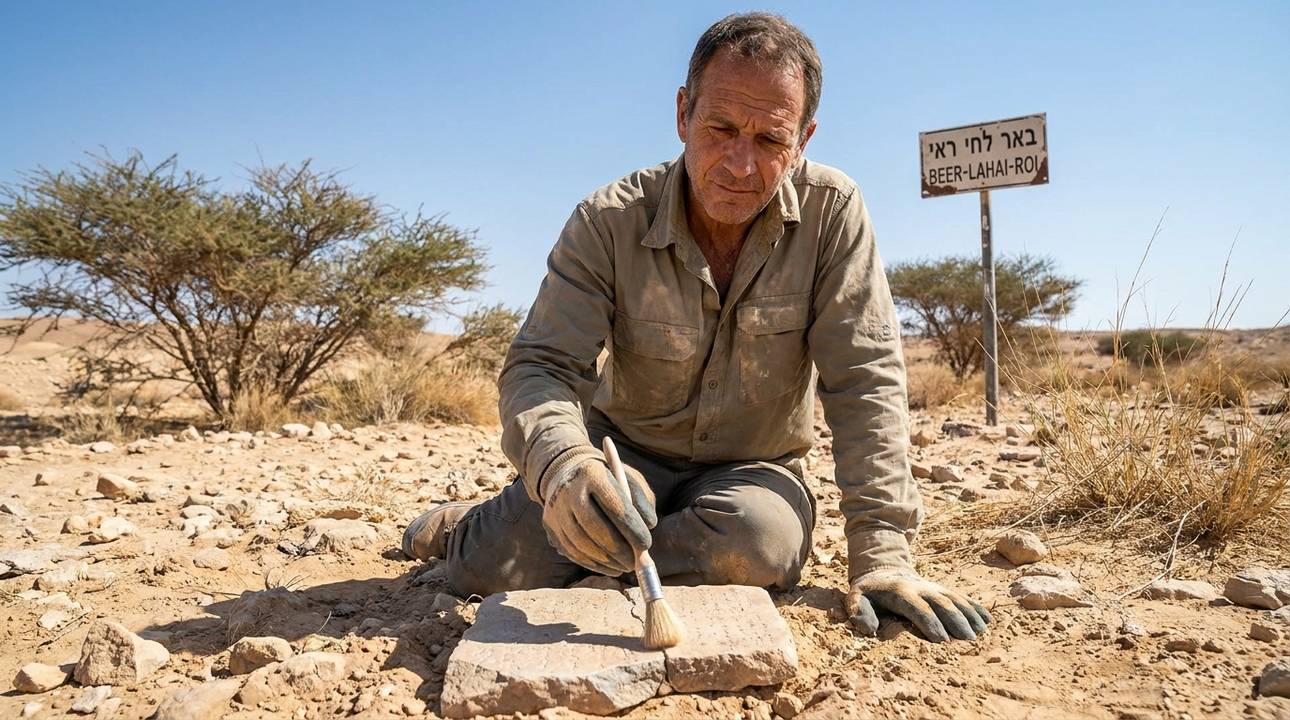
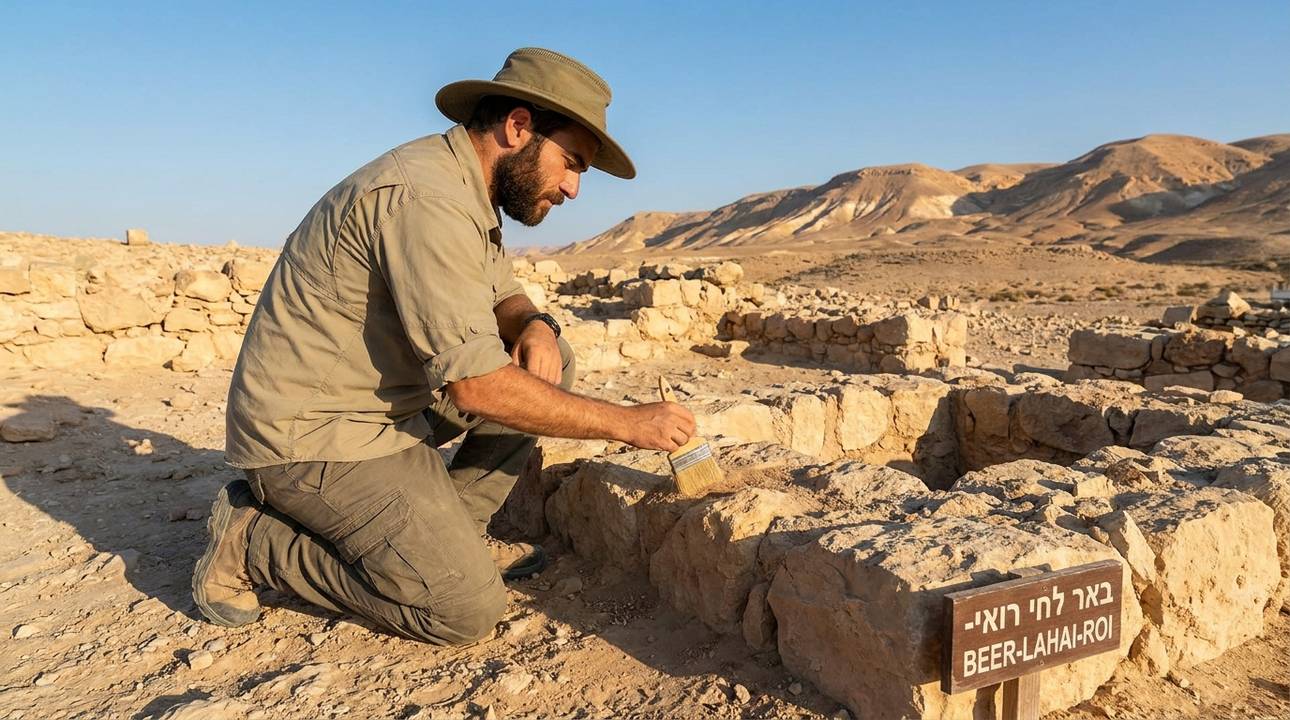
Beer-lahai-roi is traditionally associated with the Negev desert, a vast and arid region in southern Israel. This area is south of Beersheba and is steeped in history, reflecting Hagar’s journey through the wilderness.
The Negev’s harsh landscape serves as a backdrop to Hagar’s story, where she encounters a messenger. While its exact location remains uncertain, some scholars suggest an area between Kadesh and Bered.
This geographical context aligns with the narrative of Hagar’s flight and the divine encounter she experiences, symbolizing a place of refuge and revelation amid the harsh desert landscape. The Negev itself has been a crossroads for various cultures, adding layers of history to the story of Beer-lahai-roi. The well’s association with divine intervention highlights the theme of finding solace and guidance in challenging environments.
Beer-lahai-roi in Jewish Thought
In tradition, Beer-lahai-roi represents a place of insight. It is discussed in various texts, symbolizing vision and understanding. Reflecting on Hagar’s story, it emphasizes care, as seen in historical accounts.
The well is a reminder of enduring themes of presence and perseverance. By studying this site, we are encouraged to reflect on our own journeys, drawing inspiration from the narratives that have shaped cultural identity.
It invites contemplation on the ways we are seen and cared for in our own lives.
Archaeological Perspectives
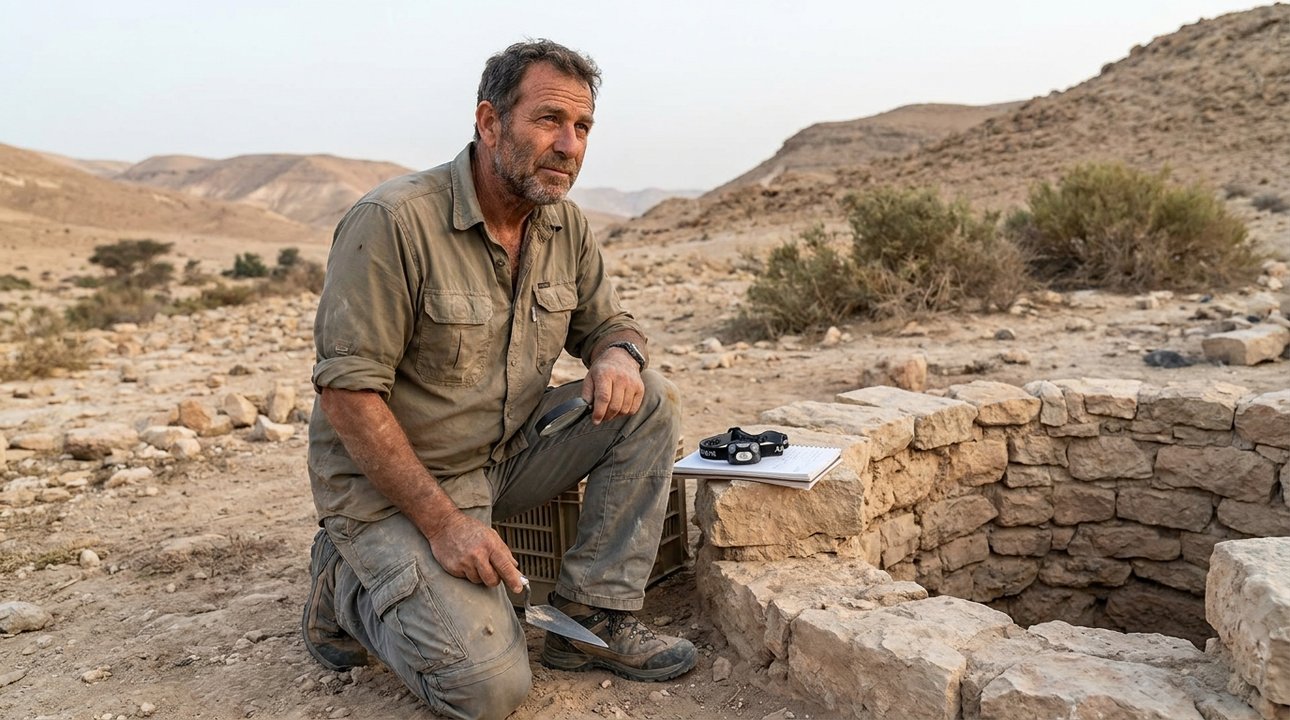
While no conclusive archaeological evidence pinpoints Beer-lahai-roi, excavations in the Negev hint at ancient settlements. Artifacts indicate the presence of trade routes between Egypt and the region, suggesting an exchange of goods and culture. Such findings support the narrative of Hagar’s travels, where she journeys through the wilderness. These archaeological insights provide a glimpse into the historical context of the story.
from the Western Wall to Masada.
The Negev region, with its strategic location, was a crossroads of cultures and commerce. The presence of these trade routes underscores the likelihood of Hagar’s journey through this area, adding a layer of historical authenticity to the narrative.
The artifacts uncovered in the region not only illuminate the past but also enrich our understanding of the interconnectedness of civilizations.
Beer-lahai-roi and Its Impact on Later Traditions
The legacy of Beer-lahai-roi extends into later thought, symbolizing watchfulness as reflected in historical texts. Here, Hagar acknowledges the presence, recognizing the significance of being seen in her distress.
This site, although rarely mentioned beyond initial accounts, offers deep insight into themes of observation and guidance. In various interpretations, Beer-lahai-roi is seen as a place of awakening.
It emphasizes the importance of being seen and heard in moments of distress, inspiring reflections on divine care and human resilience. The symbolism of Beer-lahai-roi continues to resonate with those seeking understanding and reassurance in their spiritual journeys.
This narrative invites contemplation on the nature of divine presence and the ways in which it manifests in our lives.
Modern Interpretations of Beer-lahai-roi
Today, Beer-lahai-roi is studied for its lessons, reminding us of trust in life’s desert moments.
Drawing from Hagar’s experience, where she names the place in recognition of being seen, this story continues to engage theologians and scholars.
They explore its themes of care and human perseverance, encouraging reflection on personal journeys.
The assurance of being watched over in times of need serves as a source of inspiration for those seeking strength in challenging times. The narrative of Beer-lahai-roi invites us to consider the ways in which presence manifests in our lives.
This story, with its focus on trust, resonates with those who seek understanding and reassurance in their journeys.
Cultural Role in Jewish and Broader Thought
Beyond religious texts, Beer-lahai-roi has inspired cultural narratives, resonating in literature and art with themes of hope amid adversity. The well serves as a metaphor for divine presence beyond time, symbolizing the eternal nature of divine observation and care.
In various artistic expressions, this site is portrayed as a beacon of hope, illustrating the universal human experience of seeking and finding solace in challenging times.
Such cultural depictions highlight the timeless relevance of stories in modern contexts. The story of Hagar at Beer-lahai-roi is remembered by artists and writers, who draw upon its themes to explore the human condition. This narrative, with its focus on care, offers a profound commentary on the enduring quest for meaning and connection.
Why Beer-lahai-roi Matters Today
Understanding Beer-lahai-roi enriches our view of geography. It connects ancient stories to modern life, offering lessons in perseverance. This place stands as a sign of compassion and insight, as seen in Hagar’s story. By exploring this site, we gain a deeper appreciation for the narratives that shape our cultural heritage. The well’s historical context provides a backdrop for understanding the enduring themes of hope and care. It serves as a link between past and present, inviting reflection on our own journeys.
Understanding Beer-lahai-roi
