
Understanding Beer-lahai-roi Today
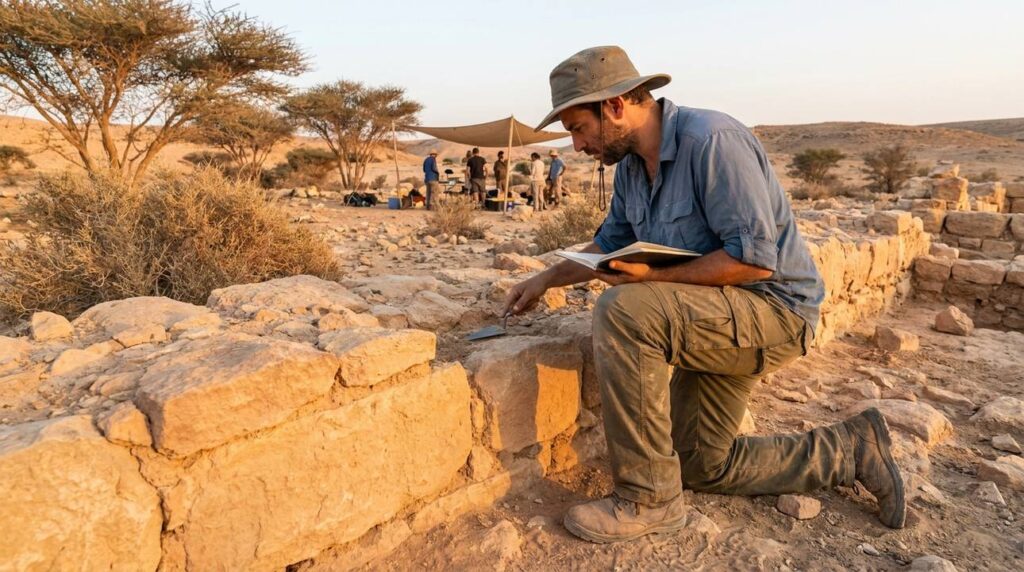

Beer-lahai-roi is a significant location mentioned in historical texts. Known as the place where Hagar encountered an angel, it holds historical relevance. This article explores its location and importance today, considering its role in history and its influence on contemporary interpretations of resilience. The well is also referenced as a dwelling place after significant events, showing its continued importance.
What Is Beer-lahai-roi?
Beer-lahai-roi is first mentioned as the well where Hagar, the maidservant of Sarah, encountered an angel. This moment when Hagar, fleeing from her mistress, finds solace and guidance at this well is significant.
Located in the Negev, the name means ‘Well of the Living One Who Sees Me.’ It marks a significant moment of encounter, symbolizing hope and the assurance of being seen and cared for, even in isolation.
from the Western Wall to Masada.

Historical Importance of Beer-lahai-roi
Beyond its narrative, Beer-lahai-roi served as a landmark in the southern region. It is first mentioned where Hagar, the maidservant of Sarah, encountered an angel. This well is thought to be located near Kadesh and Bered, although its exact location remains uncertain. Despite this, Beer-lahai-roi remains an integral part of ancestral narratives and traditions, symbolizing encounters and survival. The well’s legacy is still remembered by those who seek historical connections.
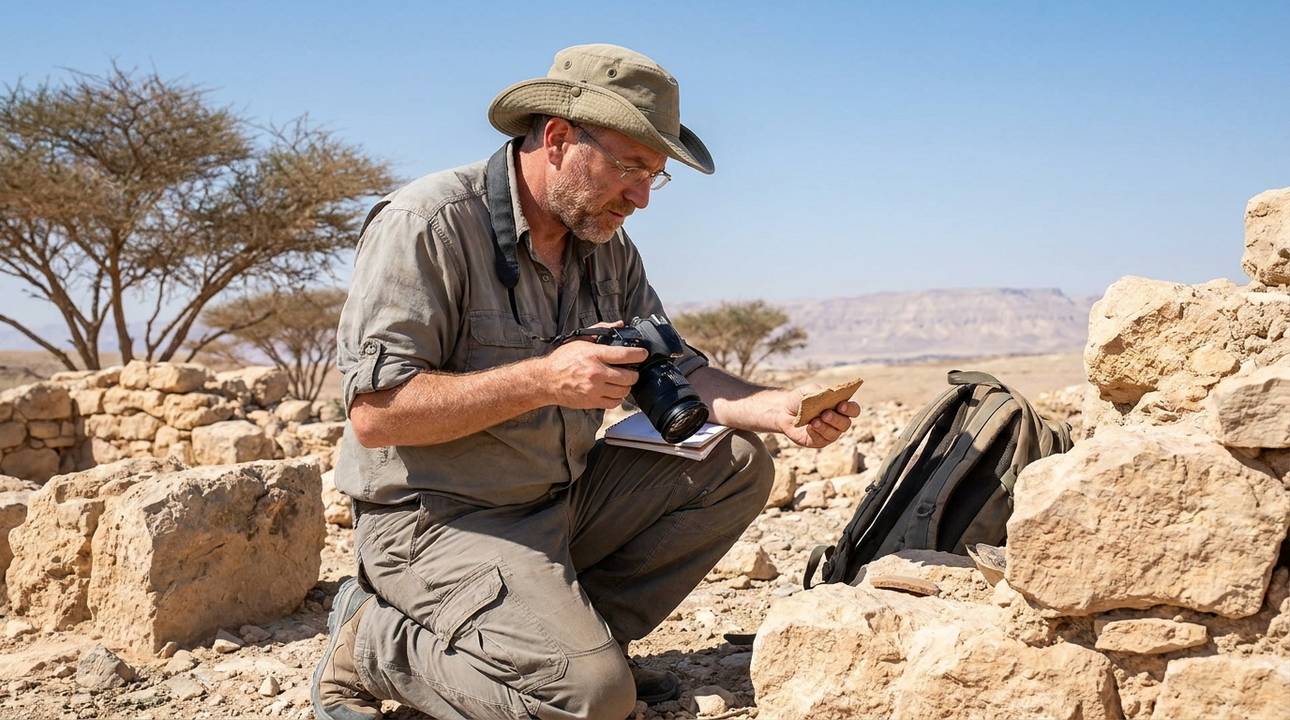
Beer-lahai-roi in Jewish Tradition
Jewish interpretations, such as those by medieval commentators, emphasize the importance of Beer-lahai-roi. A medieval Jewish commentator highlighted its role as a sign of providence and human resilience in the Torah. Hagar’s encounter at the well symbolizes hope and survival amidst adversity, reinforcing the idea that care extends to all, even in the most challenging circumstances. This interpretation is still remembered by those seeking strength and guidance.
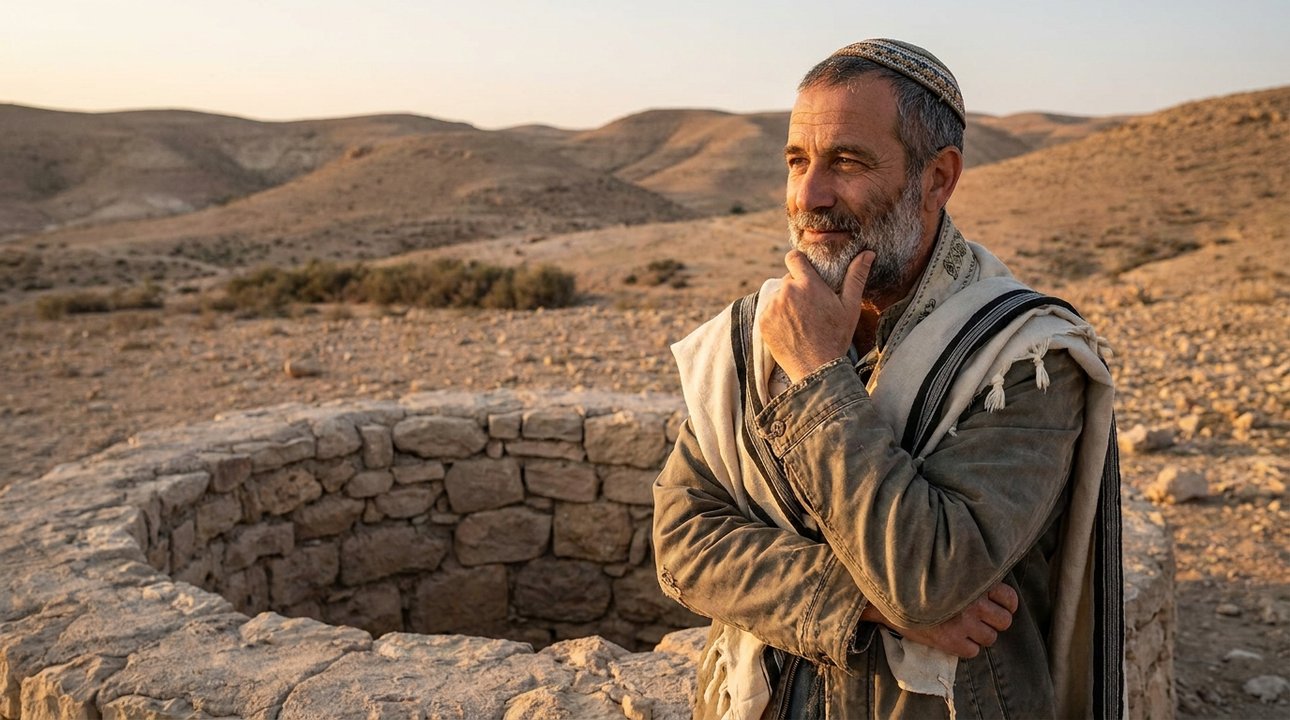
Modern Mapping of Beer-lahai-roi
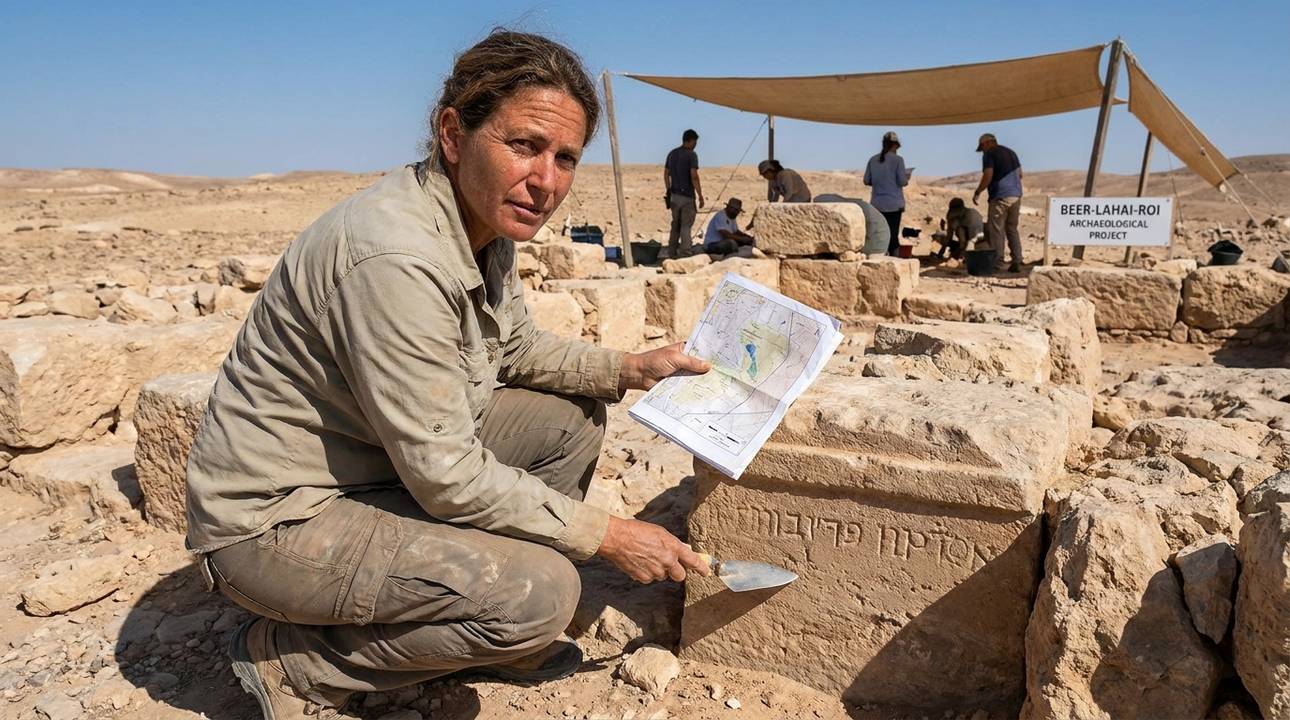
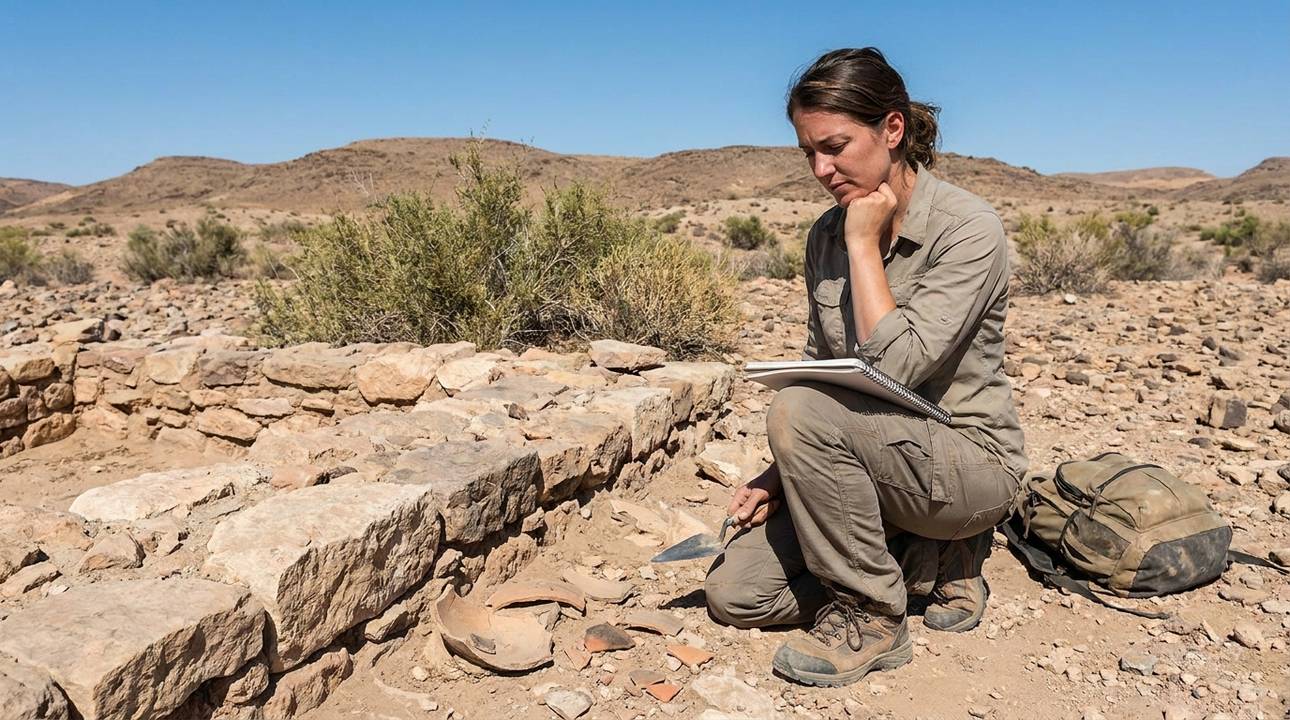
Modern scholars attempt to map Beer-lahai-roi by analyzing historical texts and cultural narratives. Though not pinpointed on contemporary maps, it symbolizes the intersection of history.
Scholars often reference the well as a starting point for their research. This endeavor reflects the ongoing quest to connect ancient events with modern geographical understanding, bridging past and present, and enriching our historical perspective.
from the Western Wall to Masada.
Current Understanding and Interpretation
Today’s interpretation of Beer-lahai-roi varies. Some see it as a metaphor for awakening, drawing from the story of Hagar, where she encounters an angel and names the well. This moment is seen as a turning point in her life. Others consider it a literal historical location of significance, possibly situated in the Negev desert. This dual interpretation reflects the mix of narratives and their impact on personal and communal identity, offering diverse insights.
Beer-lahai-roi in Historical Commentary
Commentaries such as the Zohar offer mystical insights into Beer-lahai-roi. The Zohar, a foundational work of Jewish mysticism, delves into the significance of this well.
It suggests that Beer-lahai-roi is not just a physical location but a symbol of presence and revelation. This interpretation enriches its meaning, adding layers to its role, highlighting the connection between the divine and the earthly realm.
Relevance of Beer-lahai-roi for Today
In today’s context, Beer-lahai-roi serves as a symbol of encounter and personal discovery. The well is where Hagar, the Egyptian maidservant, encountered an angel. This story inspires reflection on the search for meaning and guidance in one’s life journey. It encourages individuals to seek moments of clarity and insight, much like Hagar’s transformative experience in the wilderness, fostering a sense of hope and resilience.
Understanding Beer-lahai-roi
