Unveiling Beer Lahai Roi’s Ancient Significance
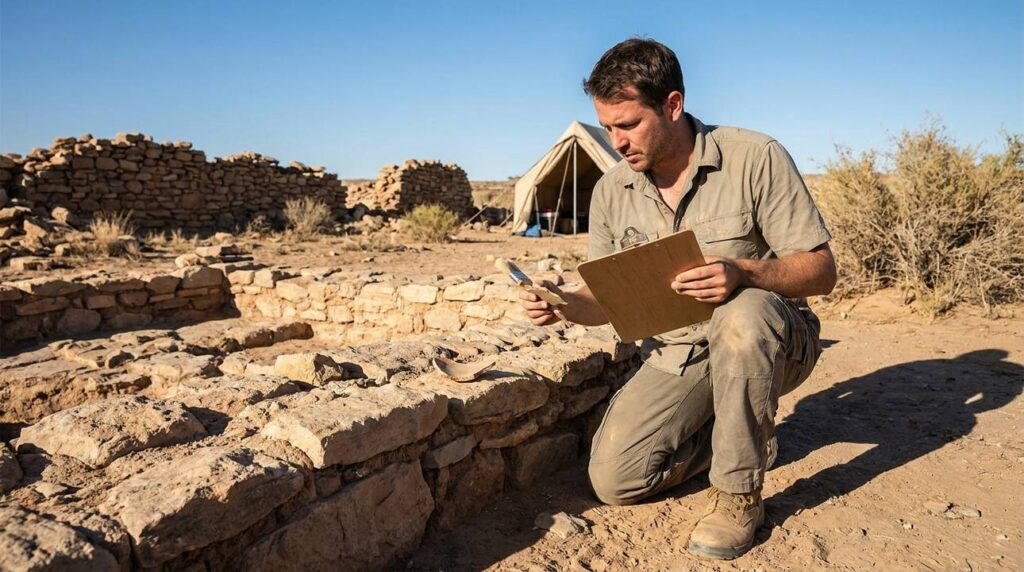

Beer Lahai Roi is an intriguing location tied to pivotal stories in ancient texts. It is here that Hagar, fleeing into the wilderness, encountered an angel, marking a significant moment in her life. The name, meaning ‘the well of the Living One who sees me,’ reflects its importance.
This site symbolizes more than just a physical place; it represents encounter and intervention, offering hope and guidance to those in need.
This location is intricately woven into narratives, offering solace and revelation. The story of Hagar underscores themes of survival and care.
Hagar’s encounter at this site resonates with the broader narrative of the Israelites’ journey through the wilderness. In these stories, the site becomes a symbol of attention and care.
from the Western Wall to Masada.
What Is Beer Lahai Roi?
Mentioned in ancient texts, Beer Lahai Roi is a well in the Negev desert, south of Israel. It is first introduced where Hagar, a key figure, encounters an angel.
This moment marks a turning point in her life, ensuring her return and foretelling the birth of her son, Ishmael. The name is often translated as ‘the well of the Living One who sees me,’ capturing the essence of promise and presence.
Where Is Beer Lahai Roi Located?
Located in the Negev, a desert region in southern Israel, Beer Lahai Roi’s exact geographical location remains a subject of academic interest, though traditionally it’s believed to be near Kadesh and Shur. This area is close to the route leading from Egypt into the region, highlighting its history as a waypoint for travelers.
Despite its harsh desert surroundings, this site served as a crucial location in historical times. Situated along a major travel route, it provided a necessary stop for rest and reflection for those journeying through the challenging desert terrain. Its strategic position highlights its importance.
Historical References to Beer Lahai Roi
Mentioned in ancient texts, Beer Lahai Roi is where a key figure dwells after leaving Hebron, marking a unique connection to the land. This life here signifies continuity, as it inherits a mission and covenant.
The well is emblematic of hope and sustenance, key motifs throughout history.

The Name and Its Significance
The name ‘Beer Lahai Roi’ is established in the encounter described, where Hagar, in her moment of despair, finds solace and recognition. This event is significant as it highlights the theme of being seen and cared for, even when one feels isolated. Hagar’s experience at this well serves as a powerful reminder of hope and assurance.
The theme of presence and intervention is a cornerstone of narratives, weaving through stories like that of Elijah.
Here, Elijah, weary and despondent, is provided with sustenance by intervention, emphasizing the care and guidance offered during times of crisis.
Archaeological Insights and Interpretations
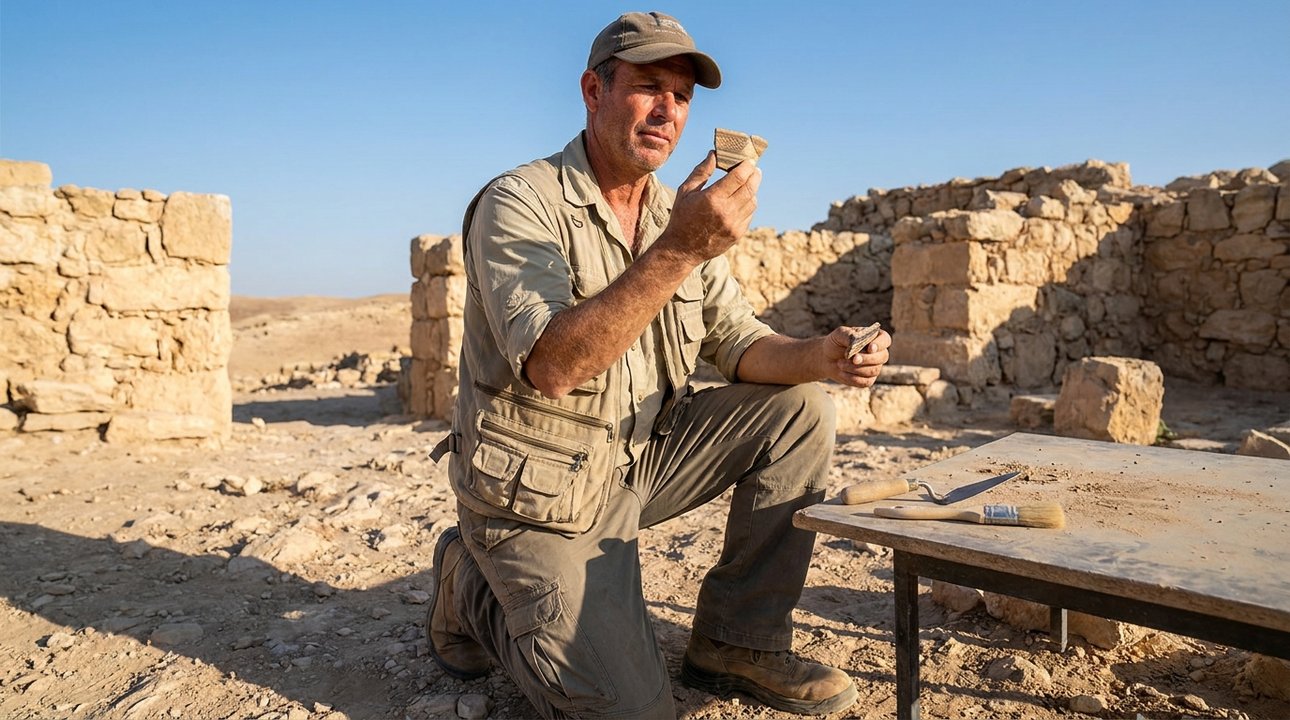
Although exact archaeological evidence of this site has been elusive, scholars continue to explore its plausibility and potential locations. The broader region is rich in historical and cultural significance. Research explores how geography and archaeology converge to support ancient accounts.
from the Western Wall to Masada.
Nearby sites like Kadesh and Shur provide context for understanding journeys. These locations help piece together the historical backdrop of these narratives, offering a tangible connection to the past.
By situating these stories within a real geographical framework, we enhance our appreciation of the historical world.
Modern Perspectives on Beer Lahai Roi
Appreciated by scholars for its symbolic implications, Beer Lahai Roi serves as a focal point for discussions on theology, geography, and historiography.
Modern interpretations often focus on its significance for themes of wandering and exile, central to many stories.
Insights into its role in Israel’s landscape deepen our understanding of its significance. By examining narratives associated with this site, scholars explore how it reflects broader themes of presence and human experience.

Cultural and Religious Impact
Throughout Jewish history, this site has carried profound cultural and religious meaning. Its story is referenced in religious texts and teachings, emphasizing themes of survival and faith.
These narratives have inspired spiritual reflection and devotion over the centuries.
Our commitment at Lev Haolam is to honor Israel’s heritage by enlightening our community about significant historical places. We aim to provide support for local businesses and a deeper appreciation for the land’s history and culture.
The connection to this site extends beyond geographical exploration, delving into the spiritual and cultural narratives shaping the region. By engaging with these profound stories, we allow people to experience the rich narratives passed down through generations.

General Information