
Exploring Bezer in Historical Times


Bezer holds a special place in history as one of the cities of refuge mentioned in ancient texts.
Understanding its role provides insight into the social and cultural fabric of the past. Initially referenced in ancient writings, it served as a sanctuary for those who accidentally caused harm, highlighting its importance in maintaining justice and order. This article delves into Bezer’s origins, significance, and its continued presence in Jewish history.
Bezer’s legacy as a city of refuge is further explored in ancient texts, where it is listed among other cities designated for protection. This system was crucial in preventing blood feuds and ensuring fair trials, reflecting the advanced legal principles of the time. Bezer’s continued presence in Jewish history is a sign of its enduring role in shaping concepts of justice and mercy.
from the Western Wall to Masada.

What Is Bezer?
Bezer is mentioned as one of the six cities of refuge appointed historically.
Situated east of the Jordan River, it served as a sanctuary for those who accidentally caused death. This reflects a practical aspect of historical law aimed at protecting individuals from revenge while awaiting trial. Additionally, it is noted for its strategic importance in society.
Geographical Significance of Bezer
Bezer was situated in the territory of Reuben, east of the Jordan.
Its strategic location made it accessible to refugees from several tribes. As part of the Gilead region, it played a crucial role in maintaining stability and justice in the area. Mentioned in ancient texts, it served as a refuge for those seeking asylum. The Reubenite territory was known for its fertile lands and strategic importance.
Being located in Gilead, Bezer was well-positioned to serve the eastern tribes of Israel.
Its accessibility ensured that those in need of refuge could reach it quickly, reinforcing its role as a sanctuary. The placement was not only strategic but also symbolic, representing a commitment to justice and protection across tribal lines. The region of Gilead, known for its balm, was vital for trade and communication in the ancient world.
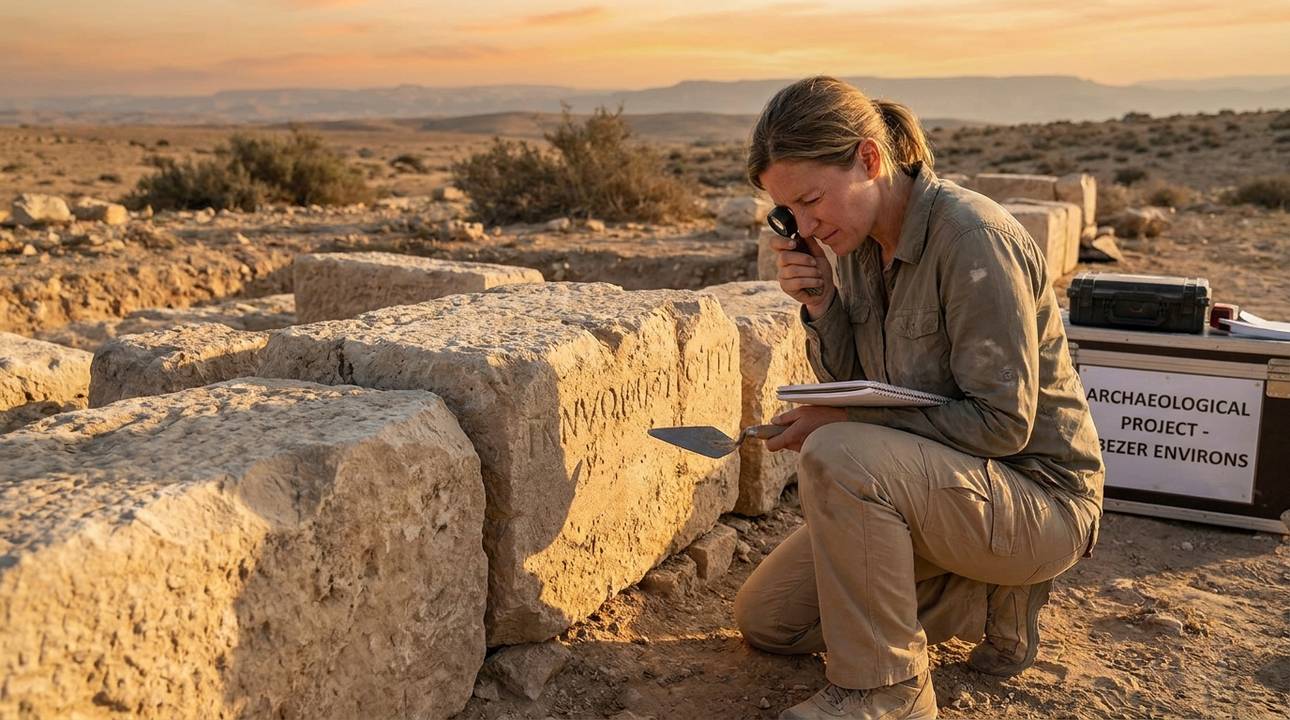
The exact location of Bezer remains a topic of scholarly interest.
Archaeologists have proposed various sites, yet a consensus has not been reached. Its notoriety as a city of refuge adds an element of mystery and interest for researchers. Some suggest it may have been near the modern-day city of Amman, Jordan, based on historical and geographical clues. This ongoing debate invites further exploration and study.
This uncertainty fuels ongoing research and exploration, as scholars seek to uncover more about Bezer’s past.
Its elusive location invites further archaeological expeditions, each aiming to piece together its historical puzzle. The pursuit of Bezer’s exact site underscores the enduring intrigue surrounding this ancient place. Discoveries such as ancient inscriptions and building remnants add depth to our understanding of its historical context.
The Role of Cities of Refuge
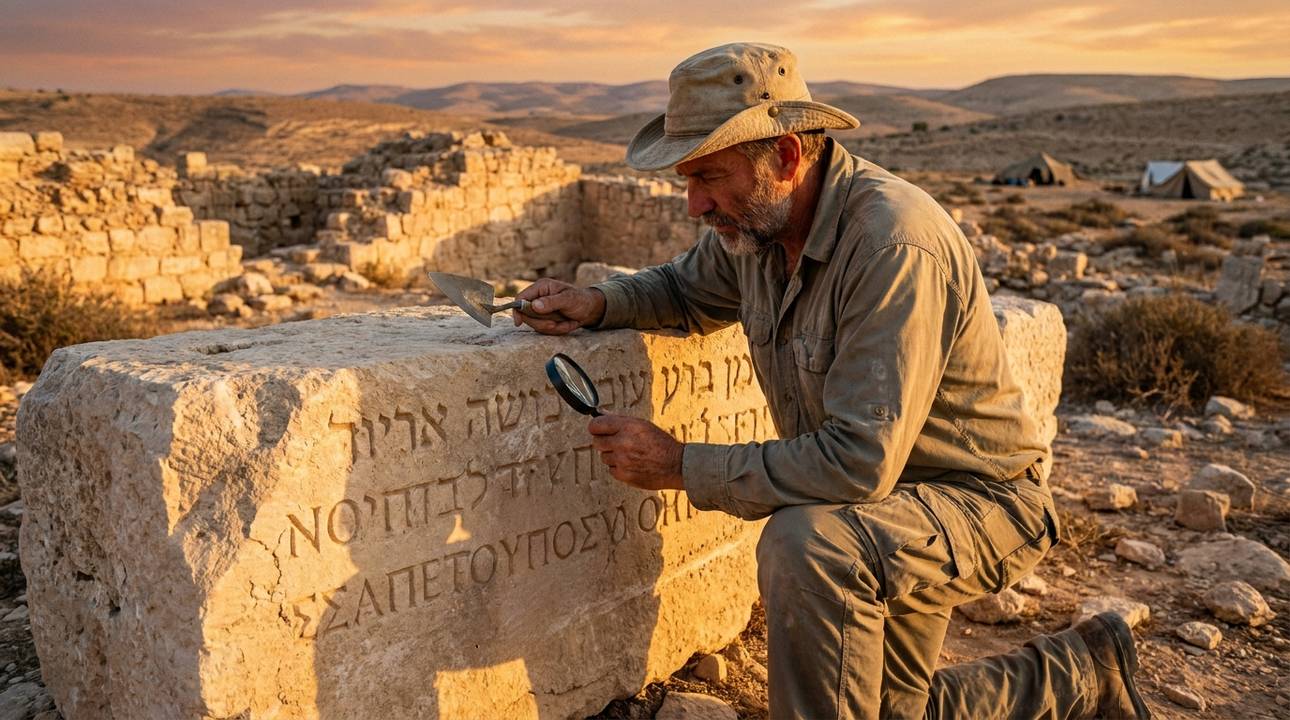
Cities of refuge were a unique institution in ancient law.
They offered protection and a place for judicial review to those accused of manslaughter. This system highlighted the balance between justice and mercy within society. According to historical records, these cities were designated to prevent blood vengeance, ensuring a fair trial for the accused.
The establishment of cities of refuge reflects a deep understanding of human nature and the need for structured legal processes.
By providing a safe space for the accused, these cities helped maintain peace and order within the community. The principles underlying this system continue to influence modern legal practices, emphasizing the importance of due process. The foundation for these cities is found in historical texts, illustrating their role in preventing blood feuds.
Bezer’s inclusion as a city of refuge indicates its importance in the broader community.
It made justice more accessible and ensured that no innocent blood was shed in vengeful acts, preserving peace in the region. According to historical records, Bezer was strategically located to serve multiple tribes, facilitating its role as a safe haven for those seeking protection.
Bezer’s function as a refuge highlights the ancient commitment to justice and community welfare. By offering a place for fair trial and protection, it helped prevent unnecessary violence and maintained social order. Its legacy as a city of refuge is still remembered in discussions on justice and mercy in modern times. Historical accounts provide further insight into the legal framework supporting these cities.
Bezer in Historical Texts
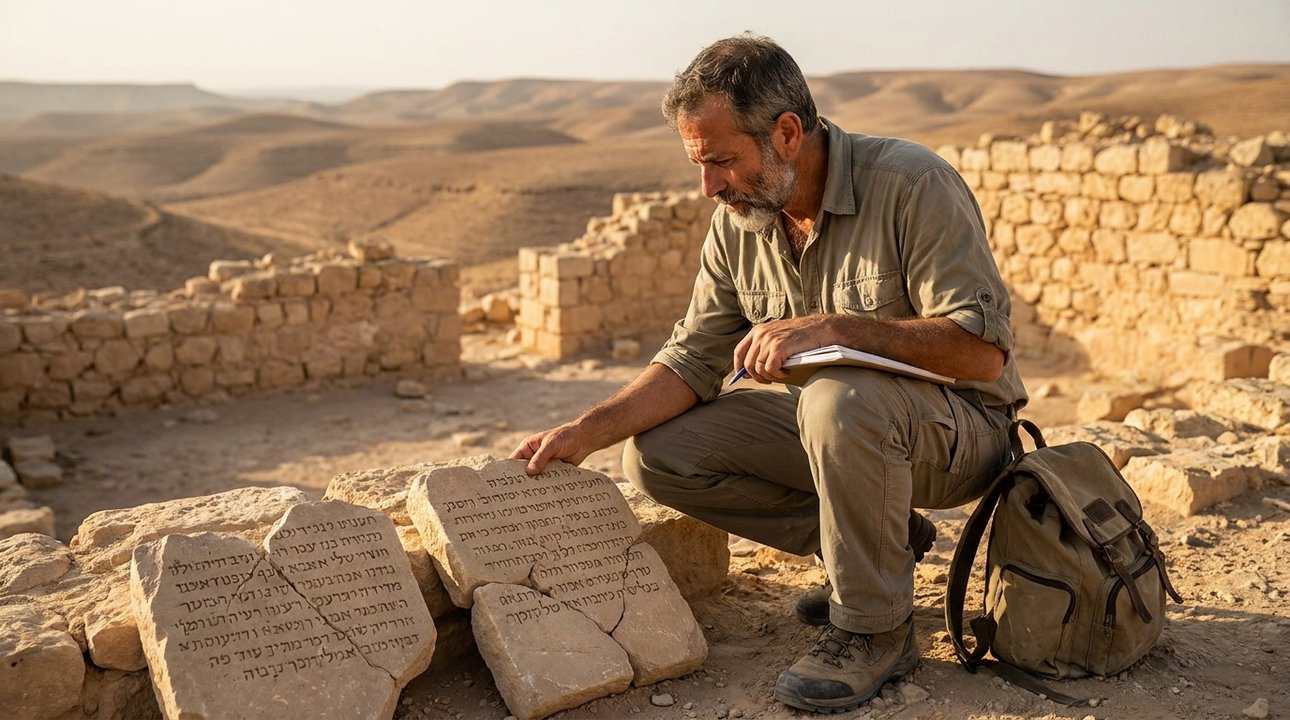
Bezer is mentioned in several historical passages, where it is listed as a city of refuge.
These texts provide context for its role and emphasize the importance of safe havens within the culture. Bezer is highlighted as a refuge for those who committed unintentional manslaughter, underscoring its role in justice and community protection. Bezer is consistently associated with themes of safety and justice.
Through historical texts, Bezer represents a commitment to justice and protection.
Its story uplifts the importance of mercy within the judicial system, showcasing a sophisticated aspect of ancient law. Bezer is listed as a city of refuge, emphasizing its role in providing sanctuary and ensuring that justice was served without unnecessary bloodshed. This highlights the balance between justice and compassion in teachings.
from the Western Wall to Masada.
The narrative of Bezer highlights the balance between justice and compassion, a theme prevalent in teachings.
This balance is crucial in maintaining social harmony, as it prevents the cycle of vengeance and retribution. Its role as a refuge underscores the value placed on human life and the need for a fair legal process. Historical texts elaborate on the establishment of such cities to ensure justice and mercy coexist.
Archaeological Interest in Bezer
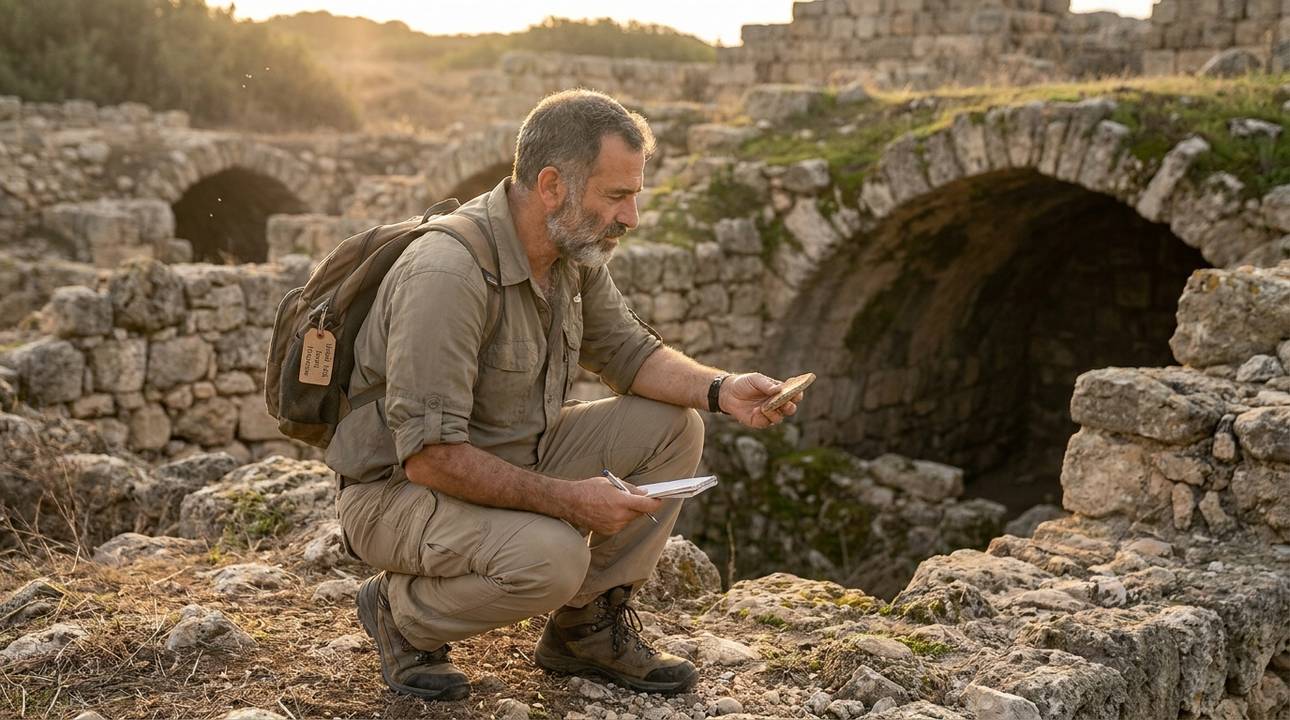
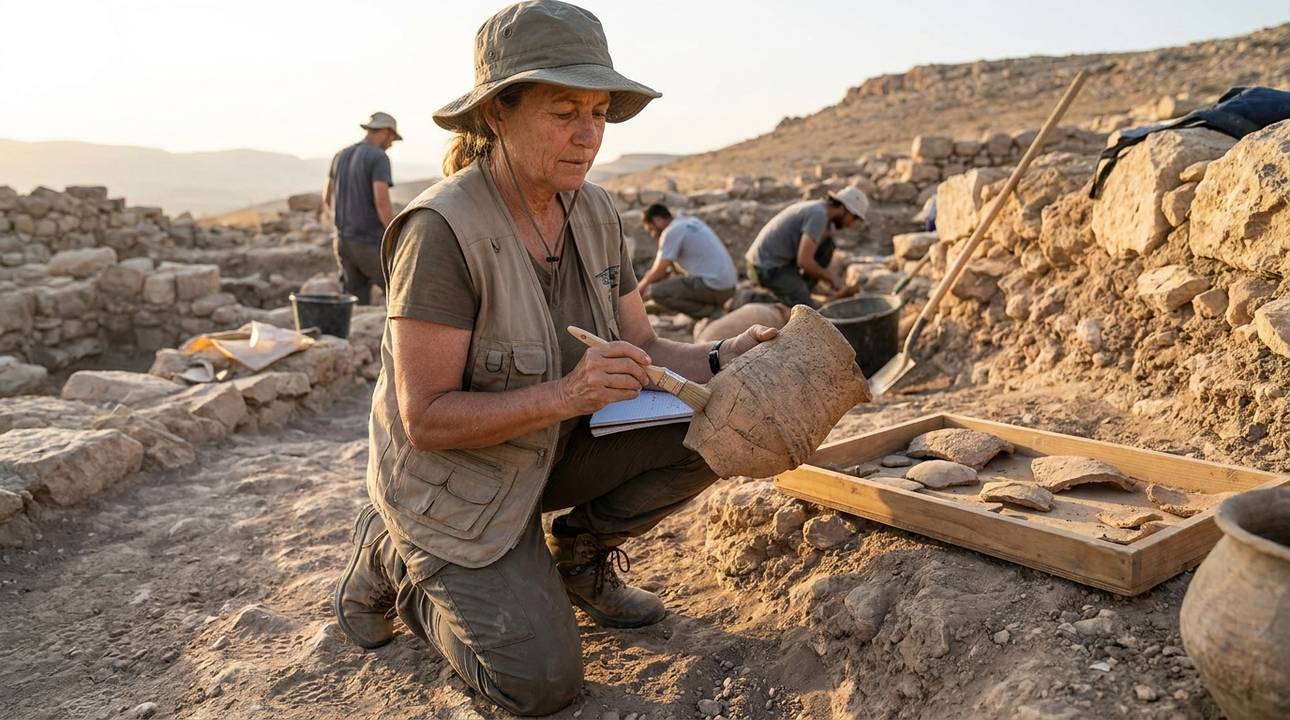
Archaeologists have long sought to uncover Bezer’s remains. Despite challenges in pinpointing its location, various artifacts and structures suggest its influential presence in the past.
One of the key challenges has been the lack of clear geographical markers in ancient texts. Nevertheless, findings such as pottery shards and ancient tools provide glimpses into the daily life and culture of its inhabitants. This continual exploration reflects the enduring curiosity about historical sites.
The search for Bezer has led to several proposed locations, with some scholars suggesting it might be near modern-day Amman, Jordan.
This hypothesis is based on historical and geographical clues, including ancient trade routes and settlement patterns. The ongoing archaeological pursuit not only seeks to locate Bezer but also to understand its significance in the broader context of ancient society.
These efforts enhance our understanding of both the historical and cultural aspects of Bezer.
For instance, archaeological findings often reveal artifacts that date back to the Iron Age, providing context to the narrative. Mentioned as one of the cities of refuge, it played a significant role in ancient society. Such discoveries deepen our appreciation of the cultural and legal systems of the time.
The archaeological pursuit adds layers of depth to its already rich narrative. Discoveries such as pottery and tools help paint a picture of daily life in Bezer, showing the cultural and economic practices of the time. These findings allow historians to piece together its significance beyond its mention in ancient texts. Artifacts dating back to the Iron Age provide a tangible connection to the ancient world.
Modern Reflections on Bezer
Today, Bezer serves as a symbol of ancient justice systems.
Its historical presence is a reminder of how ancient laws have influenced modern legal principles. The concept of sanctuary still resonates in contemporary discussions about justice and protection. Bezer’s legacy is evident in modern legal systems that emphasize the importance of fair trials and protection for the accused.
The idea of a refuge city is still remembered in legal and ethical discussions today. By examining Bezer, we gain insights into the values and principles that shaped ancient society. Its story serves as a sign of the enduring relevance of justice and mercy in human civilization, influencing how we approach these concepts in the modern world. Historical mandates for cities of refuge are detailed in ancient texts.
Modern studies often reflect on the societal implications of such cities. Bezer and its counterparts showcase a sophisticated approach to law and create a legacy of justice. The concept of cities of refuge ensured that those accused of manslaughter had a fair trial, preventing blood feuds and promoting social stability.
This system of refuge cities was revolutionary for its time, emphasizing fairness and protection.
By examining Bezer, scholars can better understand how ancient legal systems influenced contemporary judicial practices. The principles of justice and mercy evident in Bezer’s story continue to resonate in modern legal frameworks. The concept of cities of refuge illustrates their foundational role in maintaining social order.
Understanding Bezer
