Exploring the Desert of Paran in Our Time


Paran, a name that echoes through history, is a vast wilderness whose identity and significance have evolved through time. Situated today in the areas surrounding the Sinai Peninsula, this region remains an intriguing site of natural beauty and history. We will explore what this area is like today and how its heritage still reverberates. The tales of the Israelites and Ishmael are still remembered by those who seek to understand its legacy.
What Is the Desert of Paran?
Paran is referenced numerous times in historical texts. Historically, it was known as a place where the Israelites encamped during their journey, as noted in various accounts. It is also associated with Ishmael, who is said to have lived there. The region itself is characterized by its arid climate and rugged landscapes, which have shaped its role in history and continue to define its unique character.
from the Western Wall to Masada.
The challenging environment reflects the trials faced by its ancient inhabitants. Its mention in historical texts underscores its importance as a site of great interest. The narratives of Ishmael and the Israelites imbue the landscape with a sense of heritage, inviting those who visit to ponder the perseverance of those who once traversed its sands. These stories are still remembered and offer a connection to the legacy of the region.
Where Is the Desert of Paran Located?
Today, Paran covers parts of the Sinai Peninsula, stretching into the southwestern corner of Israel and reaching northwest Saudi Arabia. This vast area is largely uninhabited, serving as a natural reserve and site of archaeological interest. The region’s harsh climate is characterized by extreme temperatures and minimal rainfall, making it a challenging environment for habitation and growth. Despite these conditions, it has been a site of human activity for millennia, with evidence of past settlements.
Paran’s strategic location made it a crossroads for ancient trade routes, linking Egypt with the Levant and Arabian Peninsula. This history is reflected in various accounts, such as the journey of the Israelites. The area’s isolation today preserves its natural beauty and archaeological treasures, attracting researchers and adventurers alike who seek to uncover its secrets and understand its role in history.
Importance of the Desert of Paran
The region holds substantial importance in Jewish history and texts. It is mentioned in the Torah as part of the narrative of the Israelite journey. Notably, the Book of Numbers describes it as one of the locations where the Israelites camped during their 40 years in the wilderness. This historical connection imbues the land with spiritual and cultural role. The tales of the Israelites’ trials and perseverance in this harsh landscape are a sign of their faith and resilience.
Paran is also linked to the story of Ishmael, who lived in this wilderness. This connection adds a layer of depth to its historical and cultural role, inviting those who visit to reflect on the lives of those who once traversed its sands. The area’s enduring presence in heritage is still remembered and offers a tangible link to the past.
What Does the Desert of Paran Look Like Today?
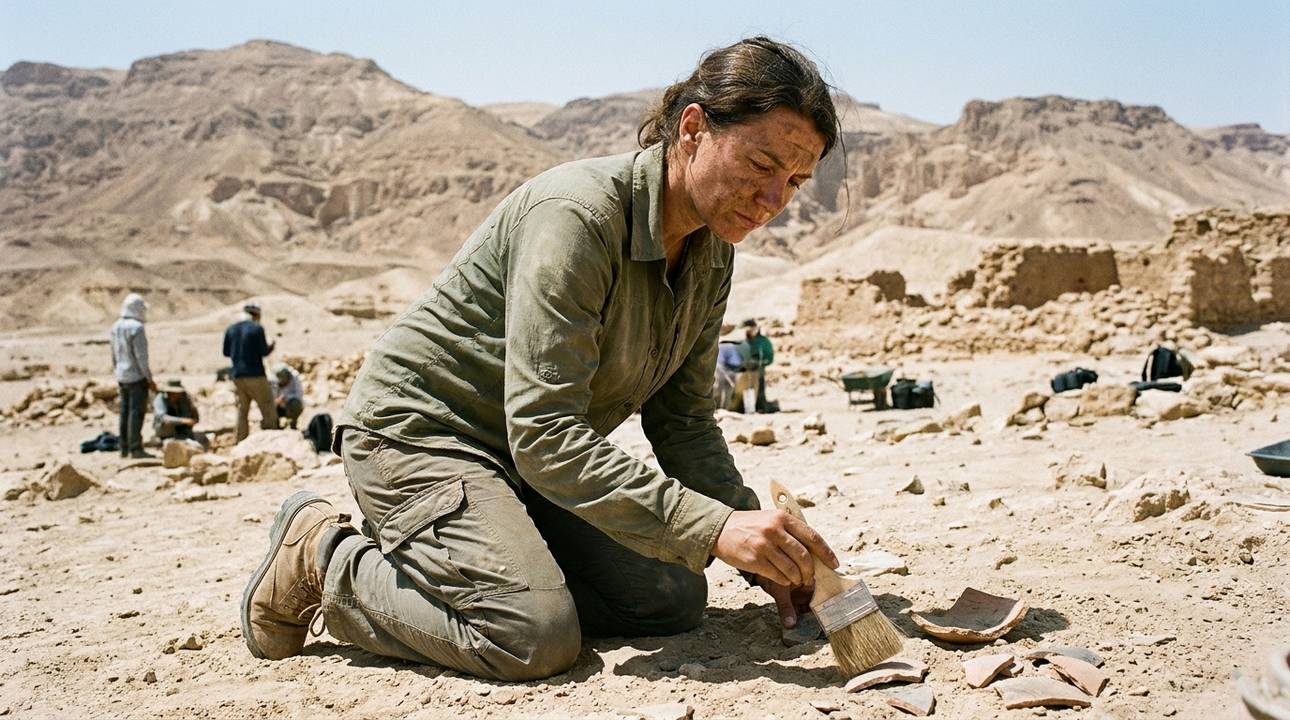
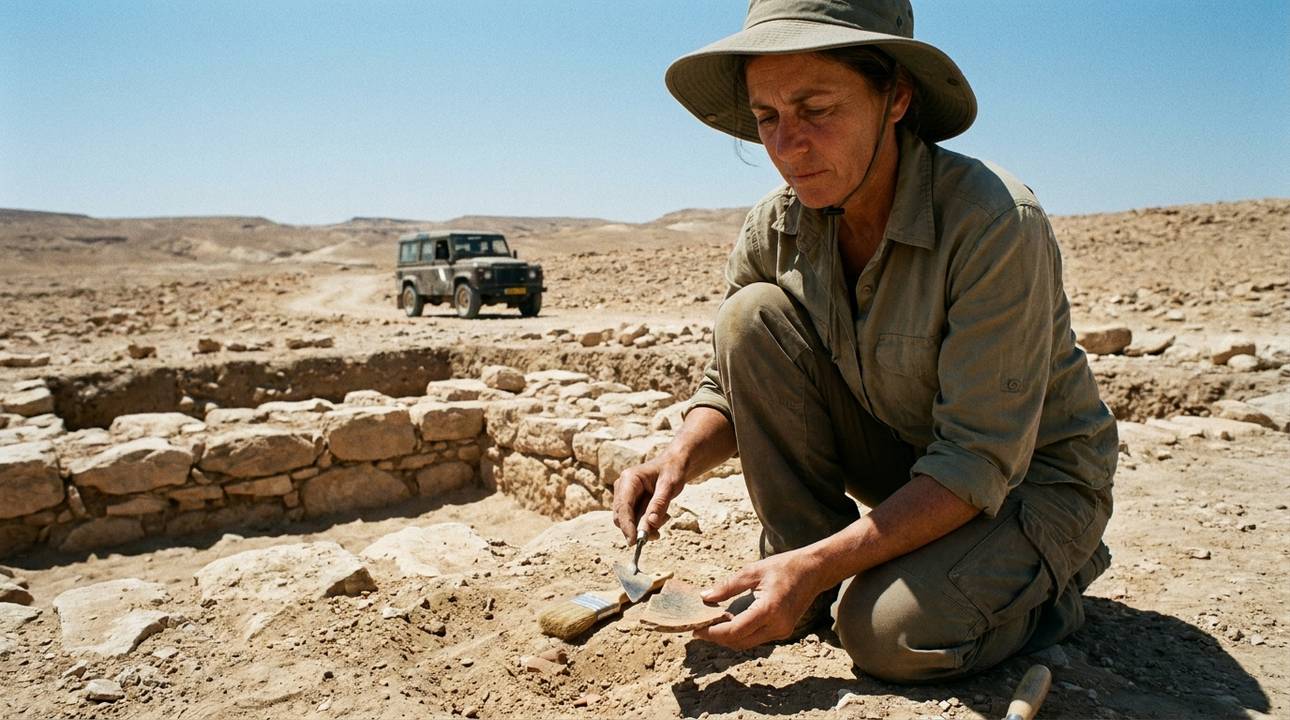
Paran today remains a stark and beautiful wilderness. Its landscape is marked by rocky terrain, sparse vegetation, and dramatic sand formations. While it is not densely populated, it attracts those interested in the natural environment and history. Archaeological studies continue to uncover artifacts and insights into its ancient past. Notable discoveries include pottery and tools that suggest a history of human settlement and activity.
The rugged beauty and history of this area make it a compelling destination for those interested in historical narratives. The landscape serves as a reminder of their trials and perseverance. The ongoing archaeological work in the region not only enriches our understanding of its past but also highlights its enduring cultural relevance.
Exploring the Desert of Paran’s Archaeological Sites
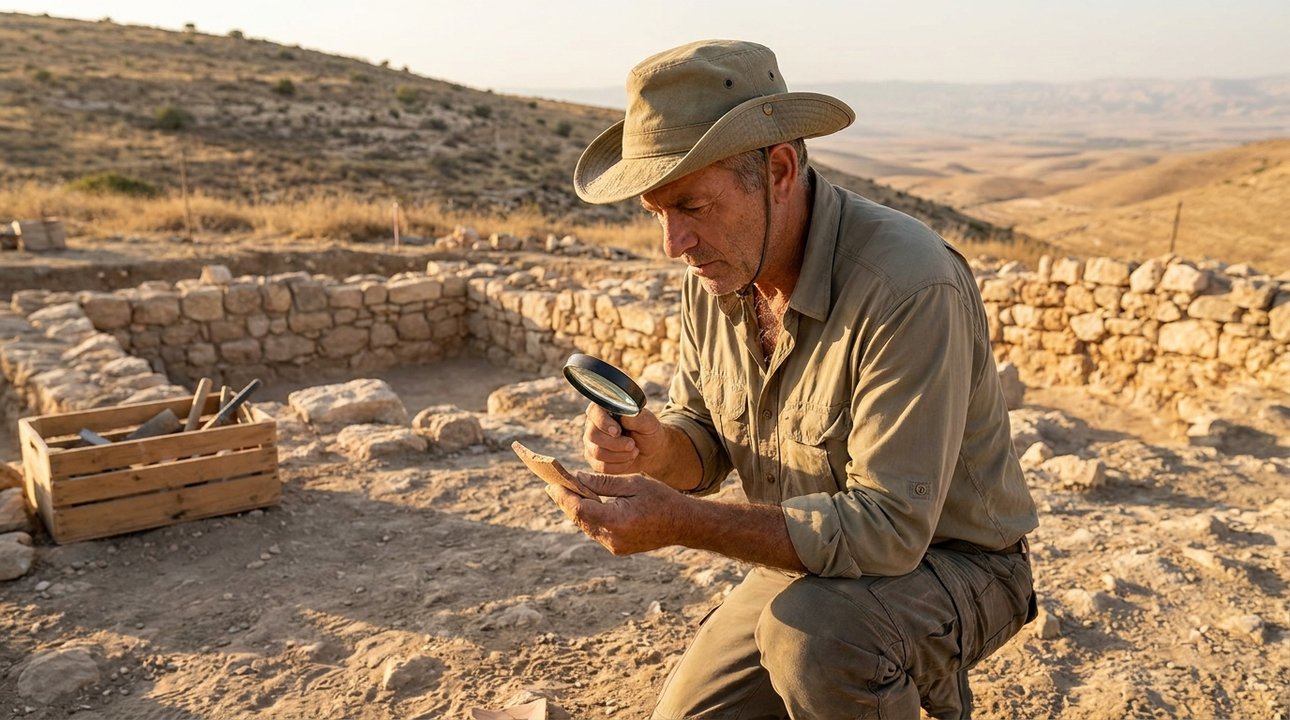
The archaeological sites offer a look into the region’s history. Excavations have revealed remnants of ancient settlements and artifacts that tell tales of previous inhabitants, including pottery and tools. These findings provide valuable context for historical narratives and highlight the area’s significance as a crossroads of past civilizations. The artifacts suggest a diverse cultural exchange, with influences from neighboring regions, underscoring its role in historical trade and interaction.
Among the notable discoveries are remnants of ancient fortifications and trade goods, indicating the area’s strategic importance in antiquity. The presence of such artifacts aligns with historical accounts. These insights not only deepen our understanding of the past but also enhance its allure as a site of ongoing archaeological interest.
Archaeologists have uncovered evidence of trade routes that once passed through the region, connecting distant lands. This historical context enriches our understanding of its role in facilitating cultural exchanges. The artifacts discovered here not only illuminate the lives of those who lived in the past but also enhance our appreciation of the area’s legacy. These findings suggest a network of trade and interaction, highlighting its strategic importance in antiquity.
Among the artifacts found are items that indicate connections with ancient Egypt and the Levant, showcasing the area’s role as a hub of commerce and cultural exchange. The presence of such trade routes offers a tangible link to the narratives of the Israelites and their journey through this region.
from the Western Wall to Masada.
Paran in Modern Culture and Education
In contemporary times, Paran continues to capture the imagination. It is featured in educational documentaries and teachings about history, showing its role in the journey of the Israelites. While much of it remains untamed, its story continues to be studied by scholars and enthusiasts interested in the intersection of history, culture, and geography. This ongoing interest highlights the area’s importance and its role in shaping our understanding of the past.
The allure of this region lies in its ability to connect the past with the present, providing a backdrop for exploring ancient narratives. Documentaries often highlight its rugged beauty and history, drawing attention to its role as a setting for historical events. This ongoing interest underscores the area’s importance as a subject of study and reflection, bridging the gap between ancient texts and modern understanding.
The Spiritual and Cultural Impact of Paran
Beyond its physical landscape, Paran holds a significant place in cultural reflection. For those connected to the narratives of the Torah, it represents a site of reflection on perseverance. The harsh environment serves as a metaphor for the challenges faced by the Israelites and their resilience in overcoming adversity. This symbolism continues to resonate with those who seek to understand the deeper meanings behind these ancient narratives.
The unforgiving conditions mirror the trials encountered by the Israelites, making this area a powerful symbol of endurance. This connection is further enriched by its association with Ishmael, who thrived in the wilderness. Such narratives continue to resonate with those who draw strength from these ancient stories, finding inspiration in the perseverance demonstrated by their ancestors.
Visiting the Desert of Paran Today
While not a major tourist destination, those who venture to these landscapes find a connection to its past and natural beauty. Adventure seekers and scholars alike partake in guided tours focused on its unique terrain and significant history. This vast wilderness offers a quiet escape into nature, inviting contemplation and exploration. The serene environment provides a stark contrast to the bustling modern world, making it a place of solace and reflection.
Guided tours often highlight significant archaeological sites and historical references, offering visitors a deeper understanding of the area’s role in history. The tales of the Israelites and Ishmael are brought to life through these explorations, enhancing the experience for those interested in the cultural and historical aspects of the region.
Visitors often find solace in the serene environment, which contrasts with the bustling modern world. The guided tours provide insights into the region’s historical background, enhancing the experience for those who seek to understand its past. This blend of adventure and reflection makes Paran a unique destination for those drawn to its timeless allure. The narratives of the Israelites and Ishmael offer a connection to the ancient stories that shaped this region.
Conclusion: the Legacy of the Desert of Paran
Paran remains a unique blend of historical and natural intrigue. Its heritage is deeply interwoven with modern explorations into past civilizations and historical geography. The region is mentioned in the Torah, where the Israelites camped during their journey. As a place of reflection and study, it stands as a sign of perseverance across generations, echoing the endurance of those who traversed its challenging terrain.
The area is also linked to the story of Ishmael, who lived in the wilderness of Paran. This connection adds a layer of cultural and historical depth, inviting visitors to ponder the lives of those who once called this region home. Today, Paran is still remembered with its stark beauty and history, drawing those who seek to understand its legacy. The narratives of the Israelites and their journey through this wilderness remain a source of reflection and inspiration.
The Desert of Paran: Facts and Questions