Exploring El Paran: Historical Insights


El Paran is a location referenced in ancient texts, known for its involvement in historical events such as the campaigns of Chedorlaomer. Its role in these events marks its significance in early history.
Paran’s position and landscape played a part in historical occurrences. This analysis delves into its past and the difficulties it posed to travelers of the time.
from the Western Wall to Masada.
What Is El Paran in the Bible?
El Paran, located at the wilderness’s edge, functioned as a boundary where tribes passed. It is noted in the story of Chedorlaomer, highlighting its importance.
El Paran’s landscape affected those who journeyed through it. Understanding its historical role gives insight into its significance in ancient narratives.
Geographical Context of El Paran
El Paran is generally associated with the Sinai Peninsula, south of Beersheba. Its precise location is debated, but it is linked with challenging landscapes and notable trade routes, making it significant for nomadic tribes.
Historical Events Associated with El Paran
The tale of Ishmael, who lived in the wilderness of El Paran, is a central narrative. This region also appears in Chedorlaomer’s accounts, underscoring its strategic importance.
El Paran acted as a pivotal point for various tribes and armies. David’s retreat to Paran illustrates its role as a refuge in historical contexts.
Archaeological Insights into El Paran
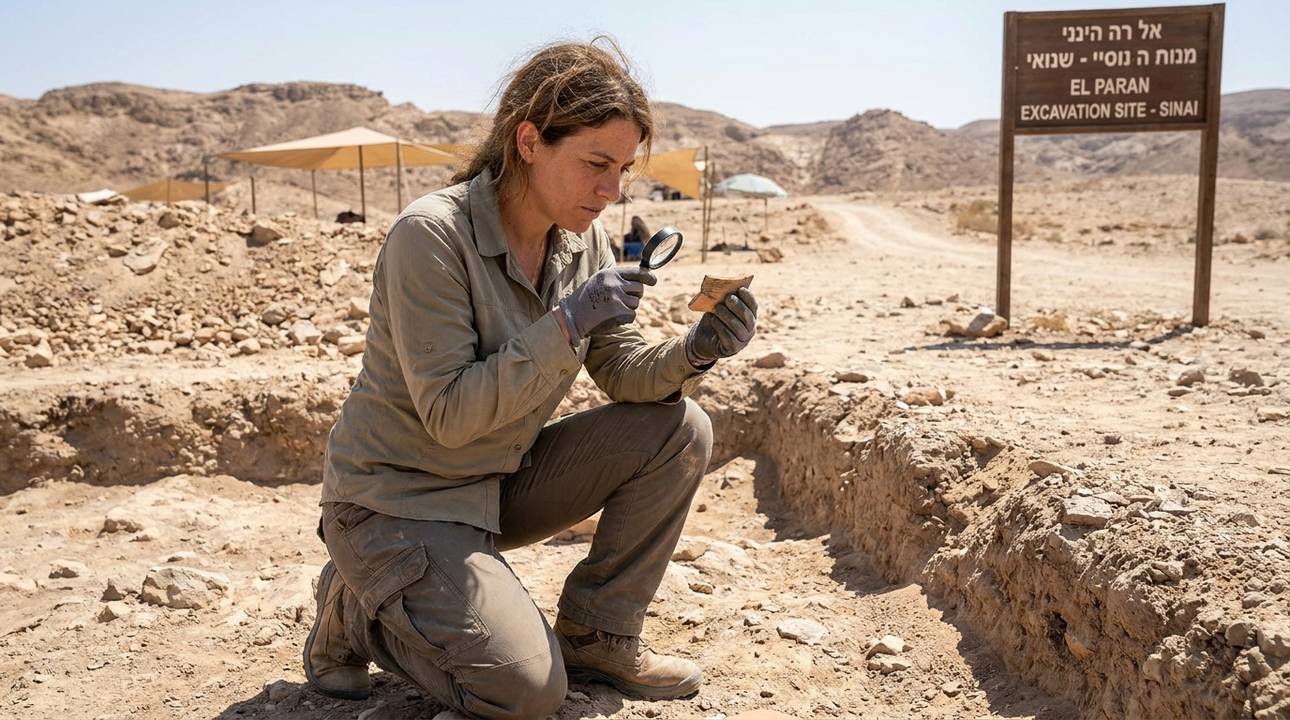
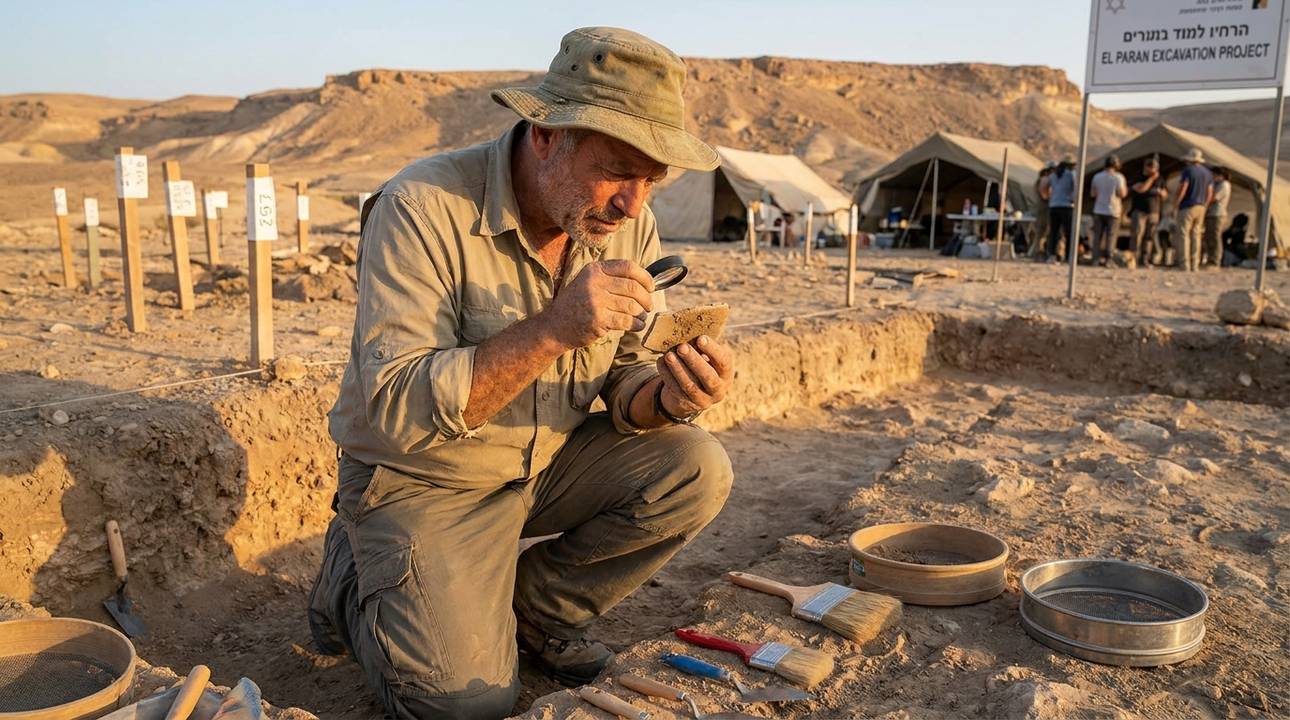
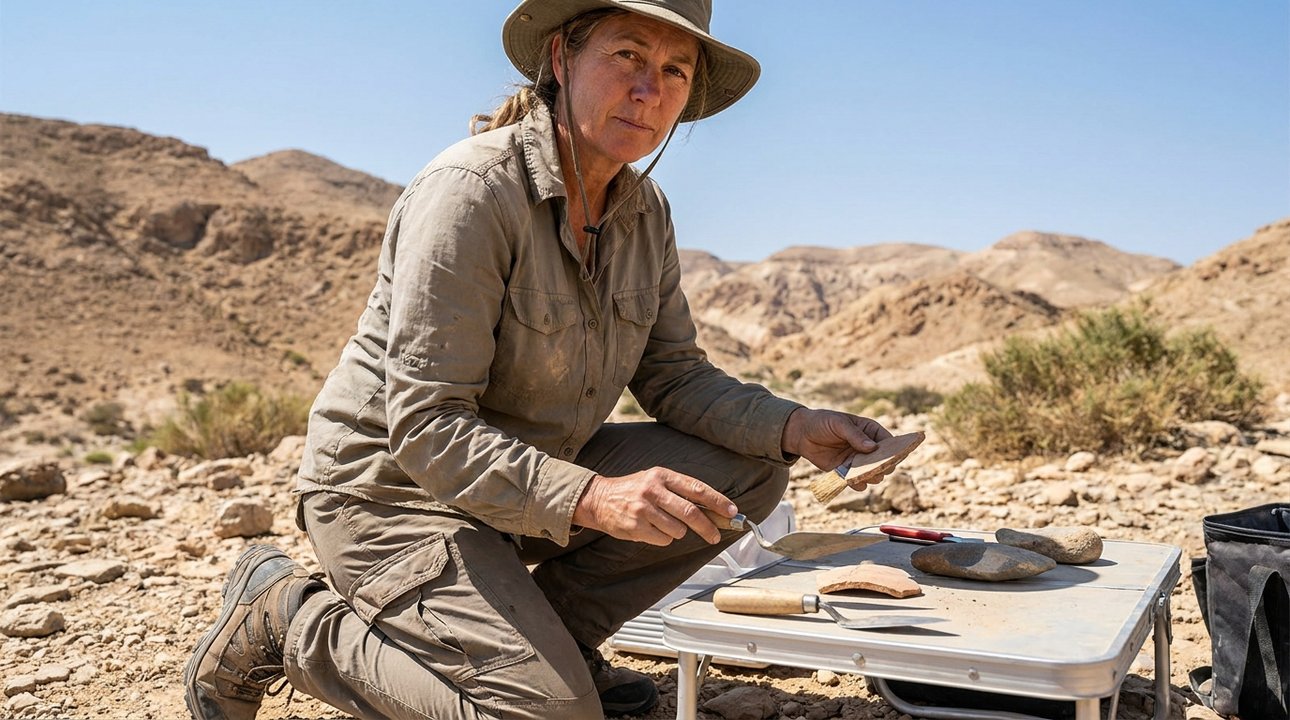
Archaeologists have yet to find conclusive evidence of El Paran. However, nearby sites in the Sinai Peninsula offer insights into historical nomadic life, with typical discoveries including pottery and tools.
Investigations near El Paran, while not directly connected, help understand the lifestyle of those who traversed this area.
Cultural Role of El Paran
El Paran is tied to themes of survival and transition, evident in the story of Ishmael. It serves as a threshold between different lands, marking new beginnings.
from the Western Wall to Masada.
Hadad the Edomite’s escape to Paran adds to its narrative as a place of refuge. These stories highlight the wilderness as a critical space for change.
El Paran Today: A Historical Perspective
Today, El Paran remains intriguing from a historical standpoint. While specific archaeological evidence is scarce, ancient texts continue to provide insights into its past. The wilderness maintains its rugged character.
The enigma of El Paran inspires ongoing research and exploration.
El Paran in Jewish Tradition
El Paran’s role in tradition serves as a backdrop for important events. It symbolizes a space where boundaries blur between settled areas and wilderness. The story of Hadad the Edomite enhances its narrative as a refuge and transition.
These interpretations deepen the understanding of El Paran’s identity, combining textual study with historical exploration. Paran is mentioned during the Israelites’ wanderings, emphasizing its strategic role. Spies, including Caleb and Joshua, were sent from Paran, highlighting its importance.
Conclusion: Reflecting on El Paran
El Paran highlights the connection between geography and history. Its precise location and archaeological story remain open, yet its role in lore is significant. Ishmael’s tale places him in this wilderness, where he became an archer.
Hadad the Edomite’s refuge in Paran reinforces its role as a sanctuary. El Paran continues to be remembered by those studying the links between land, history, and identity.
Understanding El Paran