
Exploring the Story of En-hakkore in Lehi


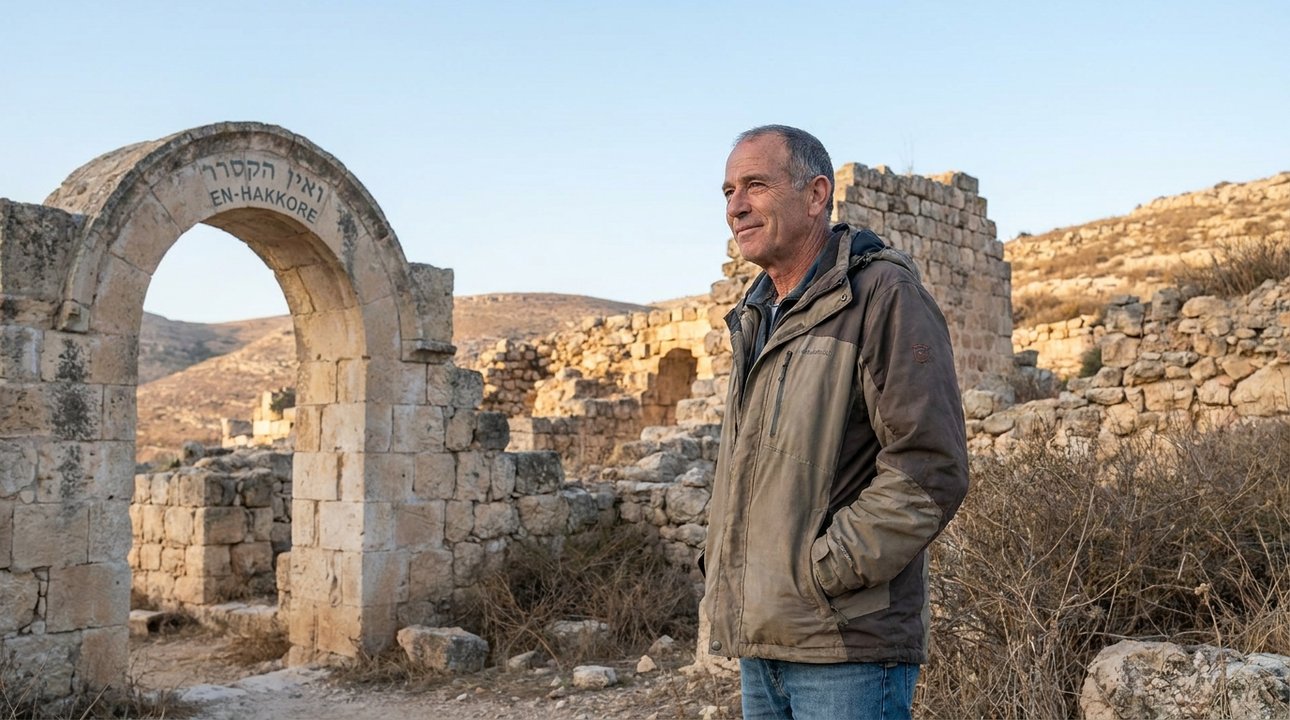
En-hakkore, located in Lehi, is a site associated with legendary feats. This location is detailed in ancient texts, where a significant figure, after a great victory, cries out in thirst. In response, a spring miraculously appears to quench his thirst, symbolizing extraordinary intervention.
This miraculous event underscores the theme of support, a recurring motif in tradition. The name En-hakkore means “the spring of the caller,” reflecting the plea and the subsequent response.
En-hakkore is not just about physical sustenance but also about spiritual renewal. It highlights the belief that in moments of desperation, help can come from unexpected places. This site is a sign of the enduring nature of faith and the belief in divine assistance during times of need. The historical context of this event places it during the time of the Judges, a period marked by repeated cycles of Israelite disobedience and deliverance. En-hakkore thus serves as a symbol of hope and resilience in Jewish history.
from the Western Wall to Masada.

What Is En-hakkore in Lehi?
En-hakkore is a spring located in Lehi, known from ancient stories. After a battle, a significant figure was thirsty. He cried out, and water was provided from this spring, which was named En-hakkore.
The name means ‘the spring of the one who calls,’ reflecting the miraculous response to the plea. This event underscores the assistance provided during struggles, symbolizing hope and survival in dire conditions.
The site of En-hakkore is located in the region historically known as Lehi, which plays a role in legendary exploits against adversaries, as described in ancient texts.
The Historical Account of En-hakkore
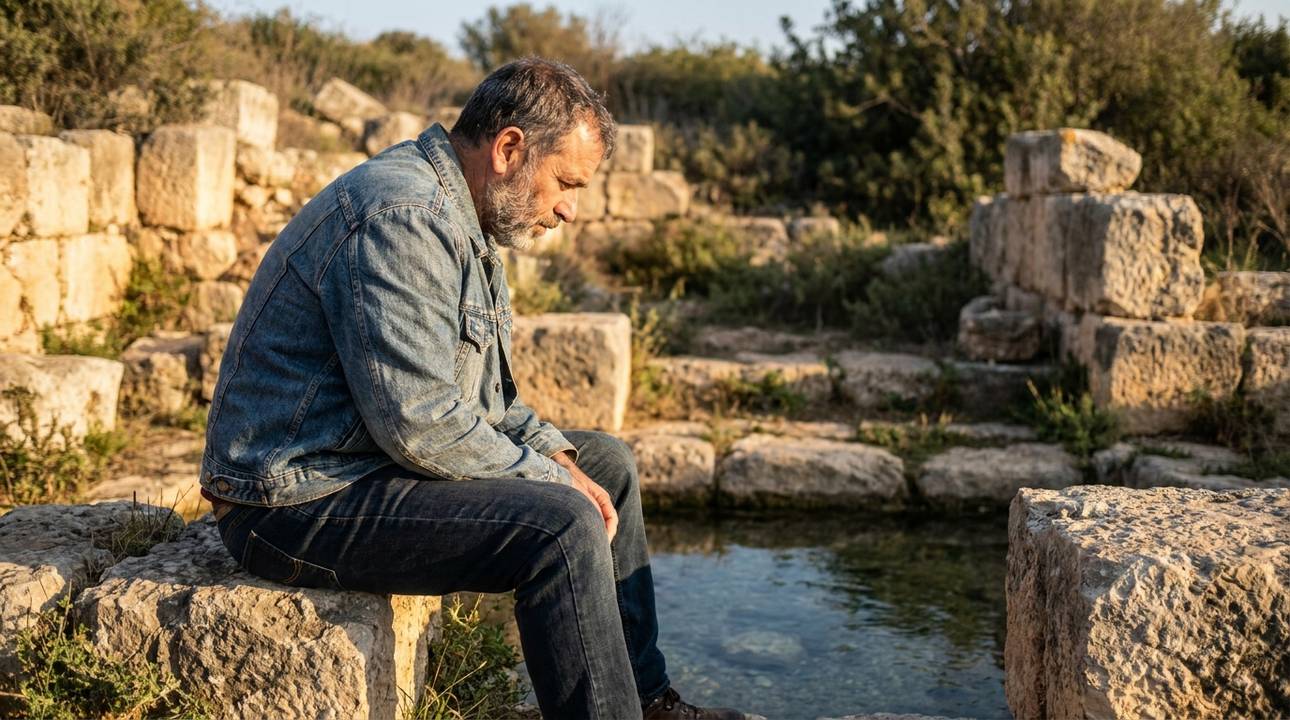
According to ancient texts, a significant figure was in great thirst after a victory. He called out for help, and a hollow place in Lehi was split, creating a spring. This miraculous provision of water renewed his strength.
This event not only highlights a physical miracle but also emphasizes nourishment, a theme depicted in many narratives. The account of En-hakkore illustrates intervention in moments of need, portraying it as a symbol of sustenance and support.
En-hakkore exemplifies how faith and perseverance can lead to unexpected rewards. It reminds us that even in the most challenging circumstances, there is hope for renewal and strength. This narrative has inspired generations, emphasizing the power of belief in assistance. The story of En-hakkore is a sign of the enduring nature of faith and the belief that help can come from unexpected places, reinforcing the themes of hope and resilience in tradition.
Historical Context of Lehi
Lehi, where En-hakkore is located, is part of an ancient region. The area was frequently a battleground, as described in various accounts. The significance of Lehi goes beyond its geographical importance.
It serves as a backdrop for many tales of conflict and intervention, key elements in understanding the narrative’s portrayal of significant roles in history.
Lehi’s historical and geographical context enhances our understanding of the cultural and political settings of these events.
The region of Lehi, known for its strategic importance, played a significant role in historical conflicts. This area, mentioned in several accounts, provides a rich backdrop for understanding the narratives of intervention and deliverance.
The stories set in Lehi highlight the themes of conflict and resolution, illustrating the belief in support during times of struggle. The historical and geographical context of Lehi offers valuable insights into the cultural and political dynamics of the era.
Connection to En-hakkore
A significant figure, known for immense strength and battles, is connected to En-hakkore, highlighting a pivotal moment where extraordinary power sustains him. After his victory, he is provided water from a spring, showcasing care.
The texts recount several feats where his strength is evident, but En-hakkore represents a more personal, introspective side, where vulnerability meets providence. His connection to En-hakkore exemplifies themes of hope and deliverance.
The story of En-hakkore highlights the dual nature of strength and vulnerability. While known for physical prowess, the episode at En-hakkore reveals dependence on support. This narrative underscores the belief that true strength comes from acknowledging one’s need for help and relying on intervention.
En-hakkore serves as a reminder of the balance between human effort and assistance, illustrating the themes of hope and deliverance that are central to the story.
Archaeological Insights into En-hakkore
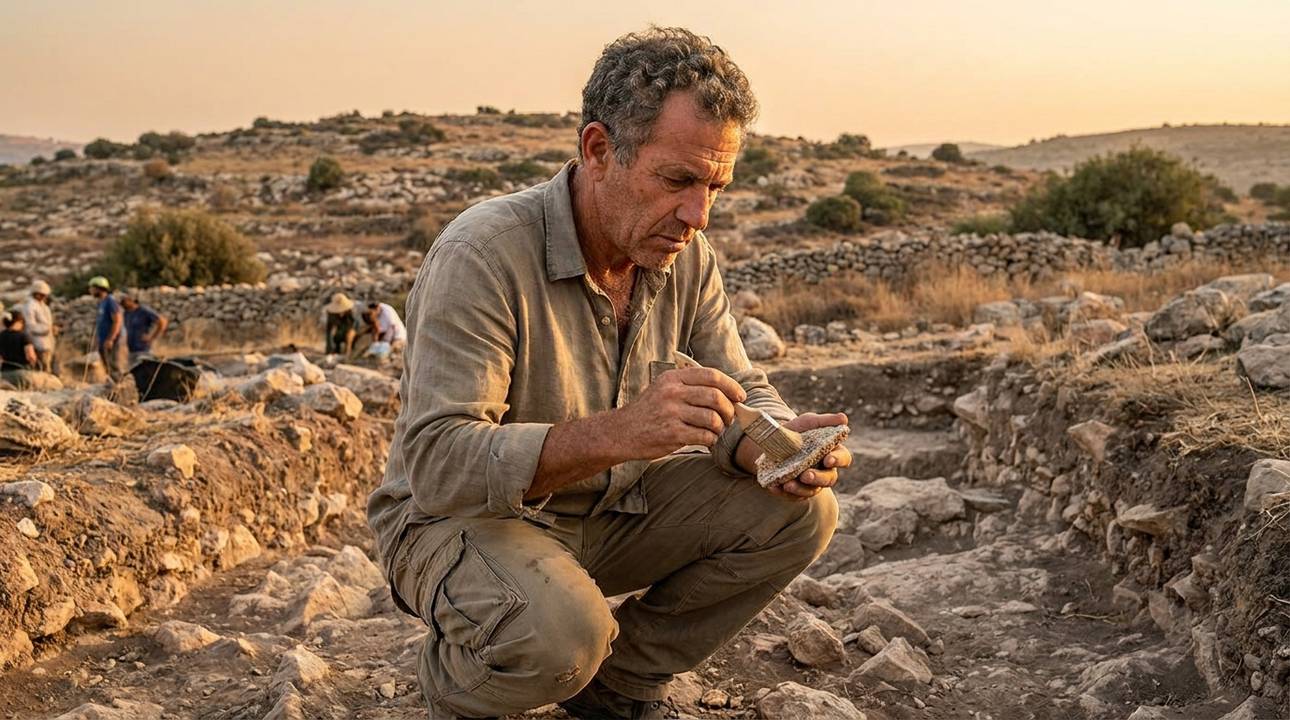
While exact archaeological evidence pinpointing En-hakkore is scarce, the region has excavated sites providing insight into ancient life. Artifacts indicate a long history of settlement and conflict, with findings such as pottery and tools dating back to the Iron Age.
These findings enrich our understanding of the cultural and historical context in which these stories unfolded. By studying artifacts and geographical markers, scholars continue to piece together insights about ancient Lehi and its significance.
from the Western Wall to Masada.
The archaeological discoveries in the region surrounding En-hakkore provide valuable insights into the ancient world. These artifacts, including pottery and tools, offer a glimpse into the daily lives of those who lived during the time of the Judges. Although direct evidence linking these findings to a significant figure is lacking, they contribute to our understanding of the historical backdrop of narratives.
The ongoing study of these artifacts helps scholars reconstruct the cultural and historical context of ancient Lehi, enhancing our appreciation of its significance.
En-hakkore in Jewish Tradition
Jewish tradition holds En-hakkore in esteem, often referencing it in discussions about faith and perseverance. It is seen as a sign of mercy and human endurance, where a plea is answered with a miraculous spring. This narrative is frequently used within Jewish teachings to illustrate the readiness of intervention in times of need. En-hakkore powerfully reminds us of the themes of hope and resilience that are central to Jewish cultural memory.
En-hakkore’s significance extends beyond its narrative. It serves as a metaphor for sustenance and the belief that help is always near. Jewish teachings often highlight this story to emphasize the importance of faith and the assurance that one is never alone in their struggles. The site is a symbol of mercy, showcasing the enduring nature of faith and the belief in support during challenging times. En-hakkore is still remembered by those who seek strength and perseverance in their own lives.
Modern Perspectives on En-hakkore
Today, En-hakkore represents more than an ancient story; it offers insights into themes of faith and providence that resonate with many. Modern interpretations focus on the miraculous aspects and their continued relevance in discourses, emphasizing the importance of intervention in human struggles.
En-hakkore’s story inspires reflection on the human condition. In Jewish and broader cultural contexts, the site remains a point of contemplation and inspiration, encouraging discussions about the power of faith.
En-hakkore powerfully reminds us of the enduring nature of faith and belief in assistance. It is still remembered by those who seek strength and perseverance in their own lives. The narrative serves as a metaphor for sustenance and the assurance that one is never alone in their struggles. Its significance extends beyond its narrative, showing themes of faith and providence that resonate with many, encouraging reflection on the human condition.
En-hakkore’s Place in Israeli Culture
In Israeli culture, En-hakkore and related stories continue to influence literature, music, and art. They symbolize strength, bravery, and support, as seen in various works. These stories, embedded in cultural narratives, highlight the enduring nature of themes in shaping national identity. En-hakkore serves as a cultural bridge, connecting history with contemporary expressions of identity, reminding us of the values of courage and support.
En-hakkore is not only a part of teachings but also a source of inspiration in modern cultural expressions. It reminds us of the strength integral to the Israeli spirit. The tale of the miraculous spring continues to resonate, influencing various forms of artistic expression.
Through literature, music, and art, En-hakkore remains a powerful symbol of hope and perseverance, reflecting the enduring impact of narratives on contemporary culture.

General Information
