
Unveiling En-hak·kor·e: A Historical Landmark


En-hak·kor·e is a historical site tied to an important moment in a legendary story. This wellspring is said to have provided water after a great victory. This article explores the historical significance of this location, offering insights for those interested in its narrative.
En-hak·kor·e is part of a historical narrative that provides an example of resilience and resourcefulness. This spring is associated with a past event where water was crucial after a significant victory. The site offers a glimpse into the ways ancient cultures managed natural resources and addressed immediate needs.
from the Western Wall to Masada.
What Is En-hak·kor·e?
En-hak·kor·e, meaning ‘the spring of the caller,’ is referenced as the location where water was accessed following a victory. The site illustrates a historical moment of resource allocation and survival strategies in ancient times. It provides context for understanding how communities sustained themselves during critical times.
The narrative of En-hak·kor·e is one of many that show how ancient societies adapted to their environments. These stories help modern readers comprehend the strategies used by past civilizations to overcome challenges. By studying these accounts, we gain insight into historical problem-solving approaches.
Historical Context of En-hak·kor·e
Situated near Lehi, En-hak·kor·e is linked to a notable historical event. This location is part of a broader historical context where it connects to the challenges and achievements of historical figures. The site underscores the importance of natural resources in the survival and success of ancient communities.
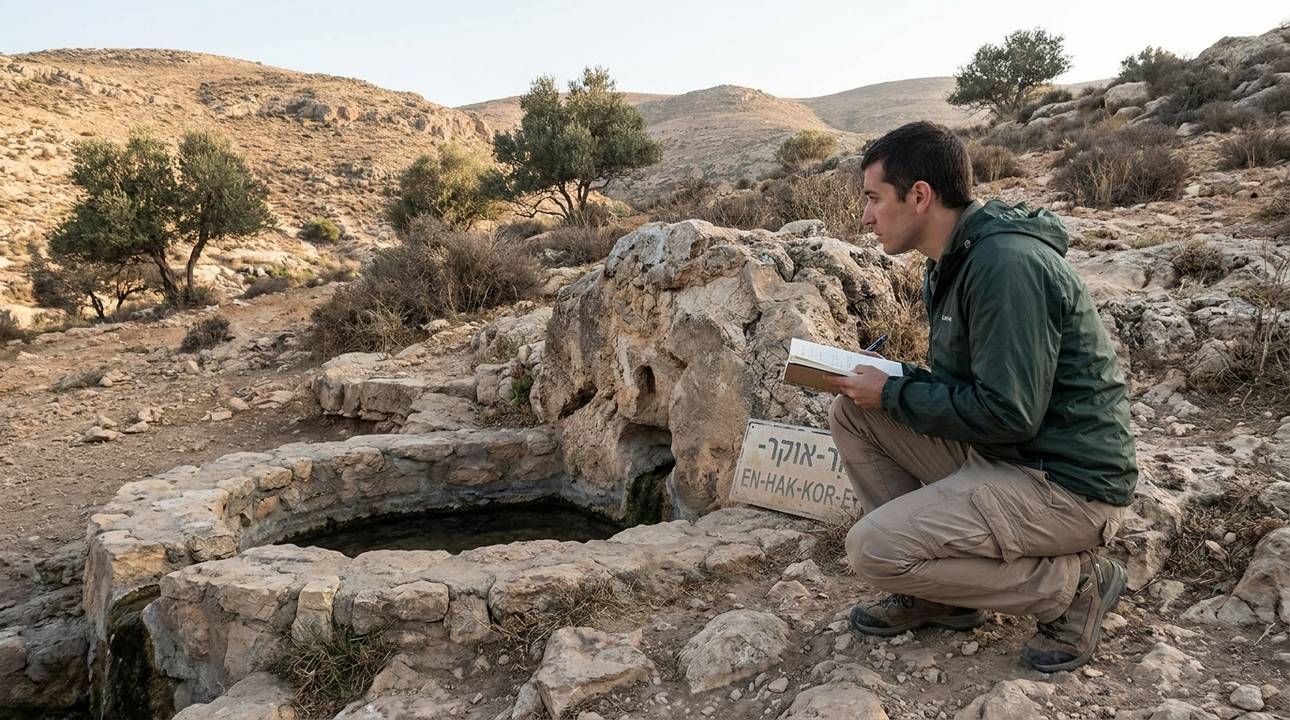
The Story at En-hak·kor·e
The account of En-hak·kor·e highlights a response to an urgent need for water after a victorious battle. This site exemplifies how natural resources were vital for survival in historical contexts, offering a practical solution during a time of scarcity. The narrative emphasizes the strategic use of available resources.
The En-hak·kor·e story parallels other historical instances of resourcefulness in challenging situations. These narratives illustrate how ancient peoples utilized their environments to meet essential needs, providing valuable lessons in adaptability and ingenuity.
from the Western Wall to Masada.

Symbolic Interpretation of En-hak·kor·e
In historical terms, En-hak·kor·e represents the intersection of necessity and resource management. The spring serves as a testament to the ability of ancient societies to call upon their environment for sustenance. It provides a tangible reminder of the practical aspects of historical survival.
The narrative of En-hak·kor·e aligns with other historical accounts of overcoming environmental adversities. These stories showcase the diverse strategies employed by ancient cultures to ensure their continuity, offering insights into their resilience and adaptability.

En-hak·kor·e in Modern Reflection
Today, En-hak·kor·e symbolizes historical perseverance and resourcefulness. It serves as a reminder of how ancient societies effectively managed their resources to meet immediate needs. The site’s story continues to be a point of interest for those exploring historical narratives and the strategies of past communities.
The story of En-hak·kor·e encourages reflection on historical resource management practices and the ingenuity of ancient people. It highlights the importance of strategic environmental use in overcoming challenges and ensuring sustainability.

Lev Haolam’s Connection
Lev Haolam provides a subscription service featuring diverse Israeli goods, offering a tangible connection to the region’s cultural and historical narratives. Through these products, consumers can explore and appreciate the rich history and traditions of Israel.
Understanding En-hak·kor·e
