
Understanding the Ephah Through Photos and History


An ephah was a unit of measure for dry substances like grains. It was a standard for fair trade, ensuring honesty in commerce.
This measure offered a way to quantify resources in everyday life, holding significant historical value. Equivalent to about 22 liters, or three-fifths of a bushel, it was a practical tool for farmers and traders alike. Such standardization was crucial for maintaining fairness in trade.
This article delves into the ephah’s origins, uses, and its historical accounts, offering a visual exploration for deeper understanding.
By examining its role, we gain insights into the economic and social structures of past societies, where measures like this were integral to daily transactions and community trust. This exploration connects us to the lived experiences of those who relied on these measures.
from the Western Wall to Masada.
What Is an Ephah?
An ephah is a historical unit of dry volume. Equivalent to about 22 liters or three-fifths of a bushel, it was used chiefly for grains and other dry commodities.
Understanding this measure helps us appreciate the daily life and economy of past societies.
Farmers relied on it to measure their harvests, ensuring they could accurately trade and store their produce.
In ancient terms, the ephah was integral to commerce and sustenance. It provided a standard measure to ensure fair trade and just transactions among people.
Such mentions reinforce its role in maintaining fairness and order within society. The use of standardized measures was crucial for building trust and integrity in trade, which was essential for the economic stability of ancient communities.
The ephah’s presence in historical texts highlights its importance in promoting justice and equity. Warnings against dishonest weights and measures emphasize the need for fairness.
By ensuring that measures were fair, ancient societies could maintain social harmony and economic balance, reflecting the values enshrined in their cultural practices. This adherence to justice was crucial for sustaining trust and cooperation among community members.
Symbolic Significance of the Ephah
Beyond practical use, the ephah carries symbolic meaning in historical texts. It frequently appears in contexts emphasizing justice and honesty in measurements.
This dual role underscores the intertwining of daily life and ethical teachings. Serving as a metaphor for equity, it reflects the values upheld in tradition, particularly in the context of fair trade and ethical behavior. It remains a symbol of integrity.
By understanding the ephah’s symbolic significance, we gain insight into the moral and ethical teachings that were central to ancient societies. It is associated with dishonest practices, highlighting the importance of integrity.
It illustrates how everyday objects were imbued with lessons, guiding behavior and community interactions. These teachings were not just theoretical but were embedded in the very tools and measures that structured daily life.
Historical figures often used everyday measures to convey deeper moral lessons. The ephah symbolizes iniquity and justice, illustrating how measures and their representations can extend beyond their physical functions to embody ethical teachings. Understanding these metaphors enriches our grasp of historical narratives, showing the moral fabric woven into ancient texts. They highlight the profound lessons embedded in everyday life.

Archaeological Discoveries Related to the Ephah
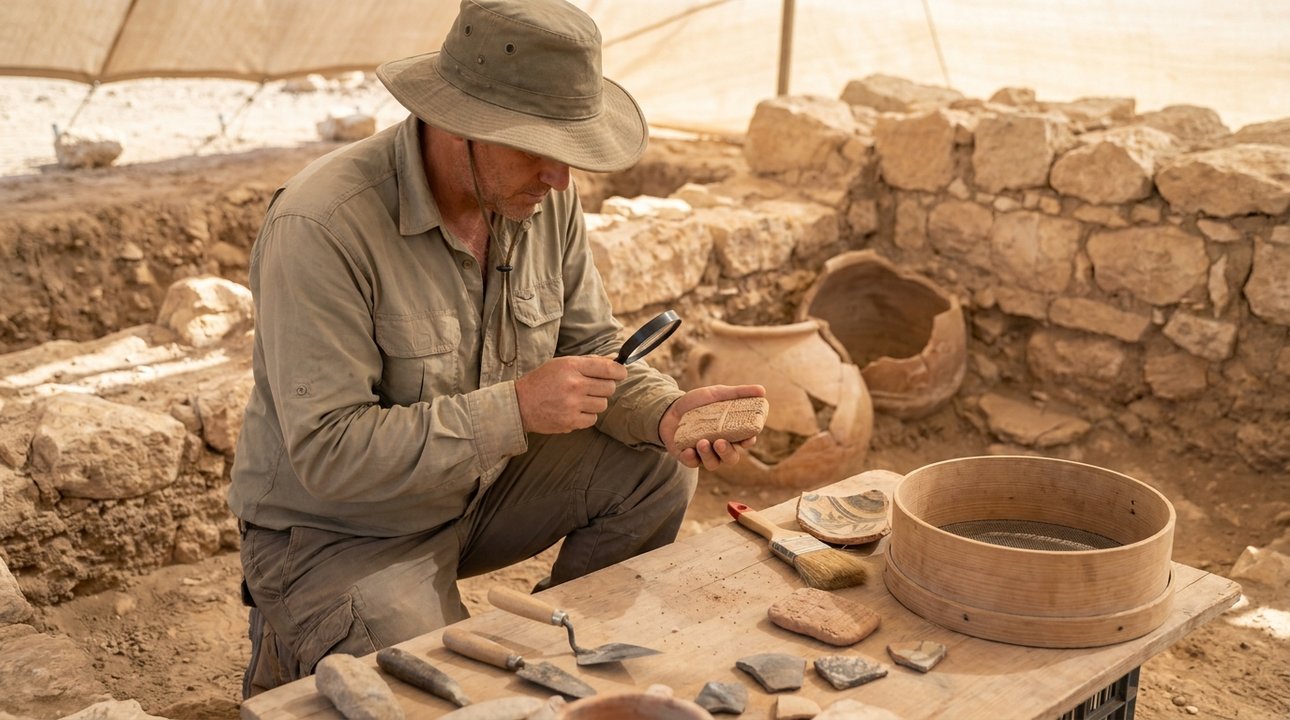
Archaeological findings have provided insights into the historical context of the ephah. Excavations in regions like Judea have uncovered pottery and vessels marked with measure notations, such as those found at the site of Tel Lachish.
These artifacts offer tangible evidence of how historical metrics were applied in daily life. The discovery of these vessels helps historians and archaeologists piece together the economic practices of ancient societies, confirming the emphasis on fair measurements.
Such discoveries help bridge the gap between ancient texts and physical realities, providing a clearer picture of how trade and agriculture were conducted. Excavations at sites like Tel Lachish have unearthed measuring vessels, showing the practical use of this unit. They allow us to visualize the bustling markets and the role of these measures in facilitating fair trade and community interactions. These artifacts serve as a sign of the economic life of ancient societies.
from the Western Wall to Masada.
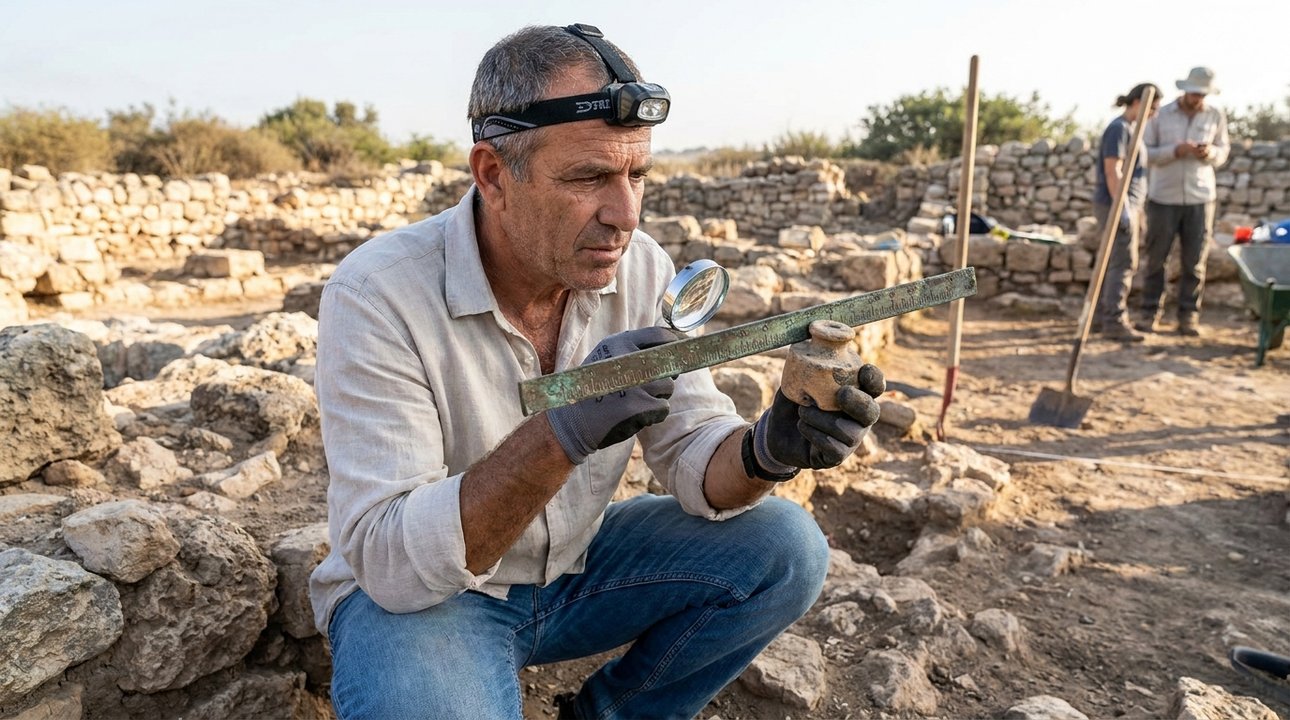
For instance, measuring vessels with markings approximating an ephah have been found. These artifacts, discovered in archaeological digs, provide a visual and practical understanding of what this measure represented in quantifiable terms. By examining these artifacts, scholars can verify historical descriptions and cross-reference historical data. The vessels serve as a sign of the accuracy of historical accounts. They offer a tangible link to the past.
This serves to validate historical accounts of trade and daily life, offering a deeper understanding of the ancient world.
Such findings bridge historical texts with tangible evidence, enriching our comprehension of how ancient societies functioned and interacted. They provide a window into the daily lives of people who relied on these measures for trade and sustenance.
How the Ephah Influences Modern Understanding
In today’s world, the ephah offers a fascinating glimpse into ancient economies. It helps modern audiences appreciate the complexity and structure of historical societies. Through historical analysis, this measure highlights the evolution of measurement systems and their lasting impact.
It enriches our comprehension of how ancient communities organized and administered their societies, reflecting the sophisticated trade networks that existed in regions like the ancient Near East. These insights connect us to the economic wisdom of the past.
By studying historical measures, researchers develop a nuanced understanding of historical contexts. This knowledge informs historical scholarship and provides context for interpreting historical passages.
Measurements serve as cultural insights, reflecting broader societal norms and practices. Such studies deepen our connection to historical traditions while informing our interpretation of their significance, offering a window into the daily lives of people in earlier times.
They reveal the values of past societies.
Ephah Measurements in Art and Culture
Artists and scholars have portrayed the ephah in various cultural expressions. From historical illustrations to art depicting ancient trade, this measure remains a point of interest. This artistic representation provides visual context, enhancing the understanding of textual references.
In cultural heritage, it contributes to a tangible connection to historical narratives, such as the bustling markets of ancient cities, where such measures were vital for commerce. These depictions bring ancient stories to life.
Throughout history, artistic depictions of the ephah have symbolized justice and fairness. This cultural association reinforces the moral teachings inherent in historical texts, as seen in artistic works inspired by ancient stories. By showcasing this measure in art, creators bridge the past with present cultural reflections. These interpretations allow a broader audience to engage with the ancient measurement’s symbolic legacy, connecting the values of fairness and integrity with contemporary themes. Artistic representations are still remembered in discussions about ethics and justice in modern society.

Educational Resources on the Ephah
Educational tools and resources help disseminate knowledge about ancient measures like the ephah. Institutions often provide materials that explore both tangible and symbolic aspects of these units.
Such resources are invaluable for educators, students, and history enthusiasts seeking a comprehensive understanding. They contribute to an accessible and informed discussion on historical contexts, bridging the gap between ancient practices and modern scholarship.
This knowledge fosters a deeper appreciation of historical contexts.
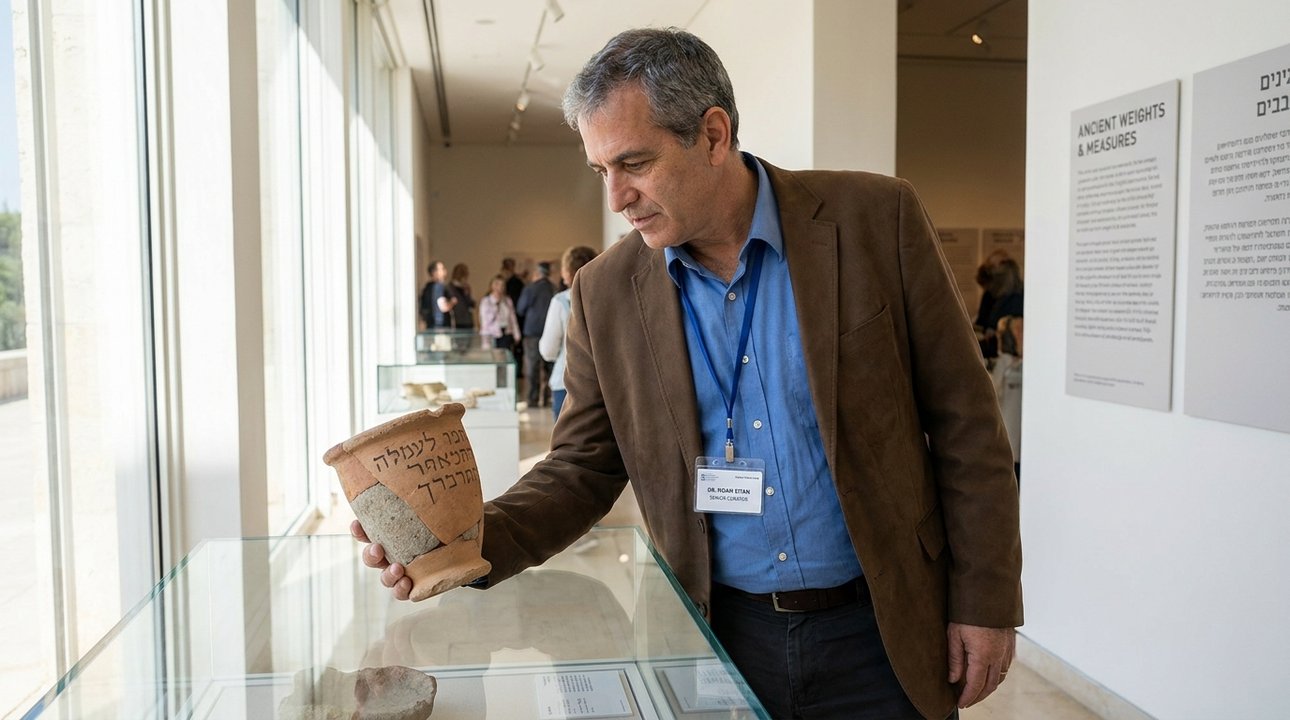
Online platforms and museums offer insights into the ephah’s role in antiquity. The Israel Museum in Jerusalem, for example, features exhibits with ancient measuring tools, including replicas of these units. Exhibits and interactive features allow engagement with history in innovative ways.
These resources promote a deeper understanding of this measure’s utility and symbolism.
Educational programs foster an appreciation for the complexities of ancient measurement systems, encouraging visitors to explore the cultural and historical contexts of these ancient units.
Ephah Related Details
