
Discovering the history of Gath Hepher
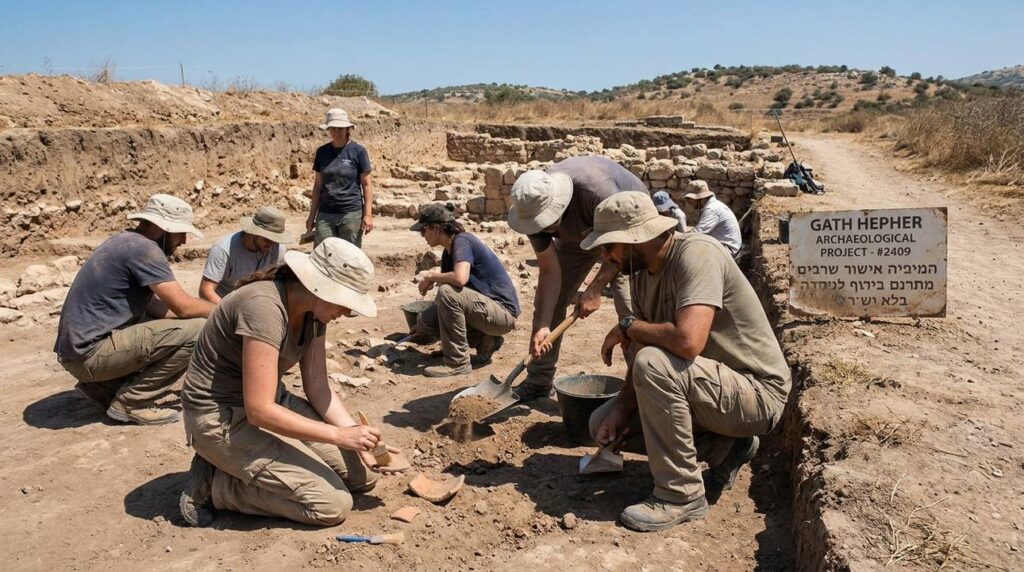

Gath Hepher, located in the Galilee region, is a site of historical interest. It is linked to notable historical figures and events, making it a focal point for historians and scholars.
This article explores Gath Hepher’s historical significance, emphasizing its geographic location and connections to historical narratives. By examining its past, we gain insights into the stories surrounding this ancient site.
Gath Hepher is noted in the records of Israel’s tribal divisions, marking its role in the settlement patterns of ancient tribes.
Through these explorations, we better understand the cultural history that Gath Hepher represents, bridging the past with present knowledge and enriching our grasp of history.
from the Western Wall to Masada.

The town’s connection to historical figures highlights its importance. The narratives associated with the town offer insights into historical contexts. By studying Gath Hepher’s role, readers can appreciate the historical context the town adds to cultural history.
What Is Gath Hepher?
Gath Hepher is referenced in historical texts as a town in northern Israel. It has historical references spanning earlier periods.
The site offers insights into the past and the lives of those who lived in the region. Understanding Gath Hepher provides insight into the cultural and historical context of these narratives.
The town’s mention in historical texts highlights its significance in the tribal divisions of Israel, specifically within the territory of Zebulun. This underscores its role in the settlement patterns of the Israelites.
Gath Hepher’s historical context is further enriched by its association with key figures in tradition, emphasizing themes of cultural relevance.
Where Is Gath Hepher Located?
Gath Hepher is situated near Nazareth in present-day northern Israel. Historically, it was part of the territory belonging to the tribe of Zebulun. Its location provides valuable information for those studying the geographical landscape of ancient Israel.
The setting of Gath Hepher enhances our understanding of the historical map of the region, linking physical places with cultural narratives central to historical stories.
The proximity of Gath Hepher to other significant historical sites allows for a deeper exploration of the region’s history. This area, rich in history, offers insights into the movements and interactions of ancient tribes. By studying Gath Hepher’s location, researchers can better understand the logistics and dynamics of ancient society, further illuminating the context of historical events and narratives.
Why Is Gath Hepher Important Biblically?
Gath Hepher is primarily known for its mentions in historical narratives. The stories connected with the town highlight themes of historical relevance established in its history. The mention of Gath Hepher in texts underlines its role as a site of cultural heritage, intriguing scholars and enthusiasts by showcasing the cultural landscape of earlier times.
The narratives associated with Gath Hepher are important stories that highlight themes of cultural significance and human experience, offering lessons that resonate across generations. Gath Hepher’s link to pivotal figures underscores its importance in the shared history of tradition, providing a deeper understanding of the cultural dimensions of historical texts.

Gath Hepher in Historical Texts
References to Gath Hepher appear in historical texts. The town’s mention highlights its connection to notable historical figures, underscoring its importance.
Additionally, its inclusion in the tribal allotments further establishes its significance within the cultural history of the Israelites.
Gath Hepher’s association with key figures in tradition emphasizes its role in historical narratives. The stories related to the town offer insights into historical contexts. Studying Gath Hepher’s place in these narratives, readers can appreciate the historical context the town adds to cultural history.
These texts contribute to a deeper understanding of the narratives, pointing to Gath Hepher’s legacy in history. The town’s presence in these writings provides context for the events and characters associated with it, reflecting the lives and beliefs of people from the past. Studying these references, readers can appreciate the historical context Gath Hepher adds to the narrative.
The town’s association with key figures in tradition underscores its significance in the shared history of the people. The stories associated with the town offer insights into historical contexts. Gath Hepher’s role in these narratives highlights its importance as a site of cultural heritage, enriching our understanding of the historical text and its impact.
Archaeological Discoveries at Gath Hepher
Archaeological findings provide insights into the daily life and culture of ancient Gath Hepher. Excavations have unearthed remnants that help reconstruct the historical context of the area. These findings include pottery and other artifacts that enrich our perception of this ancient town.
For example, pottery shards discovered at the site date back to the Iron Age, aligning with the period when Gath Hepher was mentioned in historical texts. These discoveries not only substantiate the historical texts but also illuminate the lived experiences of its inhabitants.
The artifacts found, such as tools and household items, suggest a community engaged in agriculture and trade. This aligns with the descriptions of daily life in earlier periods, providing a tangible link to the past. The findings also include remnants of structures that may have been homes or communal buildings.
These structures offer clues about the architectural styles and living conditions of the time, painting a vivid picture of the town’s layout and its people’s way of life.

Cultural Impact of Gath Hepher
The cultural influence of Gath Hepher extends into teachings and literary works. The stories linked to this site have been a source of inspiration across various cultural contexts, including Jewish, Christian, and Islamic traditions.
This cultural impact demonstrates Gath Hepher’s role in shaping narratives and continuing its legacy within the broader scope of history. The themes of redemption and obedience in these stories remain relevant today.
from the Western Wall to Masada.
Gath Hepher’s connection to notable figures is not only a cultural symbol but also a literary one, inspiring countless retellings and interpretations in art, literature, and film. The town’s association with such pivotal figures highlights its importance in the shared history of these traditions. The stories have been depicted in various forms, from ancient manuscripts to modern cinema, showcasing their enduring appeal and the universal themes they embody.
Understanding Gath Hepher’s role in these narratives allows us to appreciate its influence on cultural thought. The town’s legacy is a sign of the power of storytelling and its ability to transcend time and place. This narrative richness offers a unique lens through which to view the broader cultural landscape of earlier periods and its impact on contemporary society.
Gath Hepher’s Connection to Israel Today
Today, the legacy of Gath Hepher remains influential within Israel’s cultural landscape. The town’s importance is reflected in its connection to notable figures, whose stories are part of tradition.
Awareness of Gath Hepher’s role inspires a continued connection to Israel’s heritage. It serves as a reminder of the enduring cultural identity passed down through generations.
While physically traced on maps, it also resonates within the hearts of people, serving as a portal to the past and a reflection of enduring cultural identity. The stories associated with Gath Hepher are still remembered and teach valuable lessons about human experience. These powerful narratives underscore themes of cultural relevance and human fallibility, offering lessons that resonate with readers across generations.
This connection to the past enriches Israel’s culture, allowing individuals to engage with their heritage in meaningful ways. The town’s legacy is woven into the fabric of Jewish history, serving as a reminder of the enduring values and teachings that have shaped the community. Through the lens of Gath Hepher, one can explore the broader themes of faith and resilience central to the Jewish experience.

Gath Hepher’s Role in Historical Cartography
As a point on the historical map, Gath Hepher represents the intertwining of geography and narrative. The town is mentioned as part of the territory allocated to the tribe of Zebulun, highlighting its significance in the tribal divisions of earlier periods.
Its portrayal on historical maps allows it to be visually contextualized within the stories of the Tanakh.
This merger of physical and narrative geography provides readers insight into the complexity and depth of historical topography. Examining Gath Hepher’s location allows for a better understanding of the journeys and events described in historical texts, as well as the cultural and historical context of the narratives.
The town’s geographical placement offers a tangible connection to the stories, enhancing the reader’s engagement with the historical text and offering a deeper appreciation of the historical landscape.
Gath Hepher’s location near other significant historical sites provides a broader context for understanding the movements and interactions of ancient peoples. This geographical insight helps illuminate the logistical aspects of historical narratives.
Exploring these connections, readers gain a richer understanding of the historical and cultural context in which these stories unfolded, deepening their appreciation for the historical text.
Conclusion on the Significance of Gath Hepher
In summary, Gath Hepher is more than just a point on a map; it is an essential link to the past. The site’s historical and cultural role gives it a profound presence in religious and historical studies. Exploring Gath Hepher connects older traditions with present-day heritage, revealing a continuous narrative that enriches our understanding of history.
The town’s geographical and narrative significance offers a unique perspective on the broader cultural landscape of earlier periods. This perspective allows for a deeper appreciation of the historical dimensions of the text. Through the stories and references associated with Gath Hepher, readers can engage with Israel’s past, gaining insights into the enduring values and teachings that have shaped tradition.
Gath Hepher’s role in the tribal divisions of Israel highlights its importance in historical narratives. These provide a framework for understanding the historical dimensions of the town. Through these stories and references, Gath Hepher is still remembered and educates, offering a window into Israel’s past and its enduring cultural heritage.
The town’s geographical and narrative significance offers a unique lens through which to view the broader cultural landscape of earlier periods. This perspective allows for a deeper appreciation of the historical dimensions of the text. Exploring Gath Hepher’s role in these narratives, readers engage with Israel’s past, gaining insights into the enduring values and teachings that have shaped tradition.
Common Questions about Gath Hepher
