
Exploring Lahai Roi in the Bible


Lahai Roi is more than just a name in historical narratives. It represents a place where significant encounters unfold. This article delves into Lahai Roi’s significance, its mentions in ancient texts, and its geographical context, highlighting how it served as a beacon of hope and survival for those who found it. The well’s story stands as a sign of enduring power and perseverance.
What Is Lahai Roi?
The story of Hagar in ancient texts first introduces Lahai Roi. Known as a well in the Negev desert region, it is linked to significant events. At this well, Hagar received promises that ensured her future and that of her son, marking a turning point that offered hope and assurance in a time of despair.
from the Western Wall to Masada.
The name ‘Lahai Roi’ is often translated to mean ‘the well of the Living One who sees me.’ This site became a symbol of hope and survival for Hagar, marking an important moment in history. It was here she realized she was not alone in her struggles. The name itself reflects a profound personal revelation and a sense of being seen and understood in her distress.
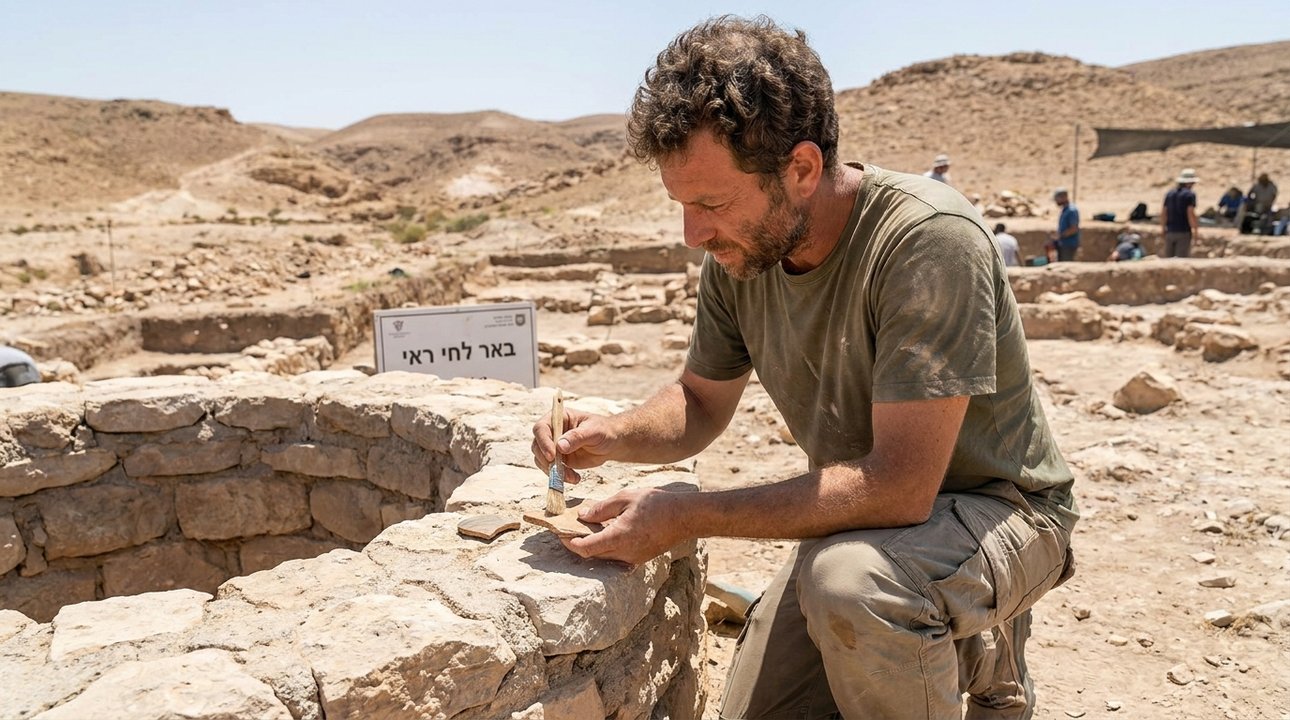
Historical References to Lahai Roi
The narrative of historical figures brings Lahai Roi back into focus. This passage underscores the well’s continued presence in historical stories, serving as a significant location in their lives, much like it did for Hagar. The well’s presence highlights its enduring importance as a site of reflection and connection.
The connection to Beer-lahai-roi adds continuity, illustrating the well’s significance not only to Hagar but also within historical narratives. Some suggest it may have been a site of residence during certain periods. This highlights its role as more than a brief stop in their journeys, suggesting it was a place of sustenance as well. The well served as a backdrop for moments of meditation and reflection, integral to personal journeys.
Geographical and Cultural Context
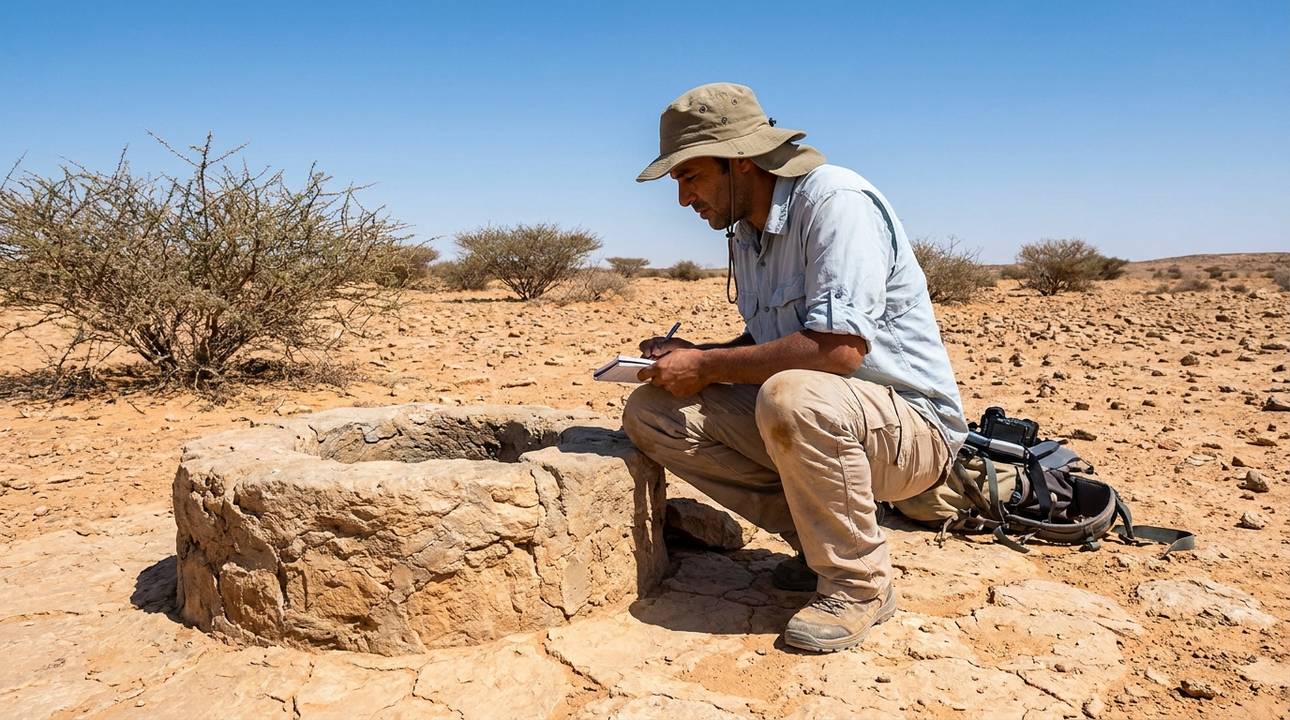
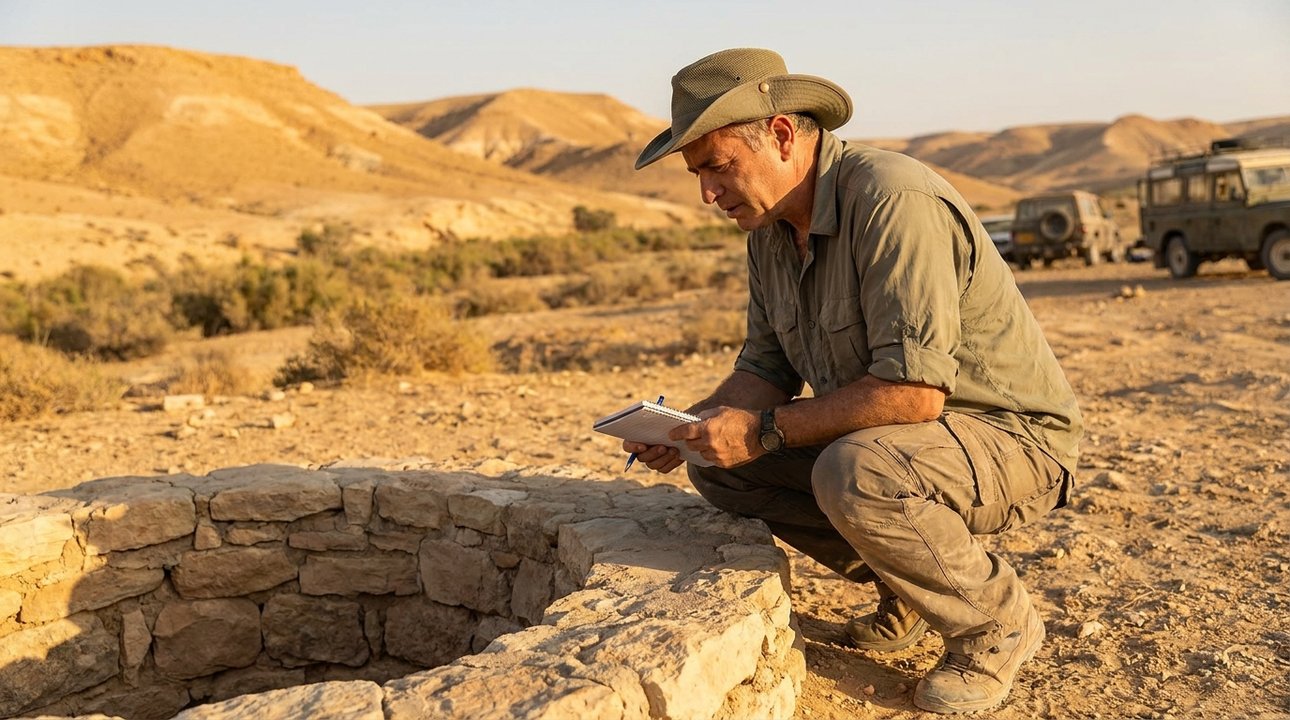
The geographical context of Lahai Roi places it in the southern part of ancient regions, near the Negev desert’s edges. This region is known for its dry, arid landscape, which shaped the lives of its inhabitants. Wells and water sources were crucial in such areas, providing the necessary sustenance for survival.
Understanding the location and environment of Lahai Roi helps frame its importance as a lifeline in the desert. Wells like Lahai Roi were vital to communities that settled or traveled through these arid regions, providing essential water and a place for rest. The strategic placement of these wells often determined the survival and prosperity of those who relied on them.
Archaeological and Historical Insights
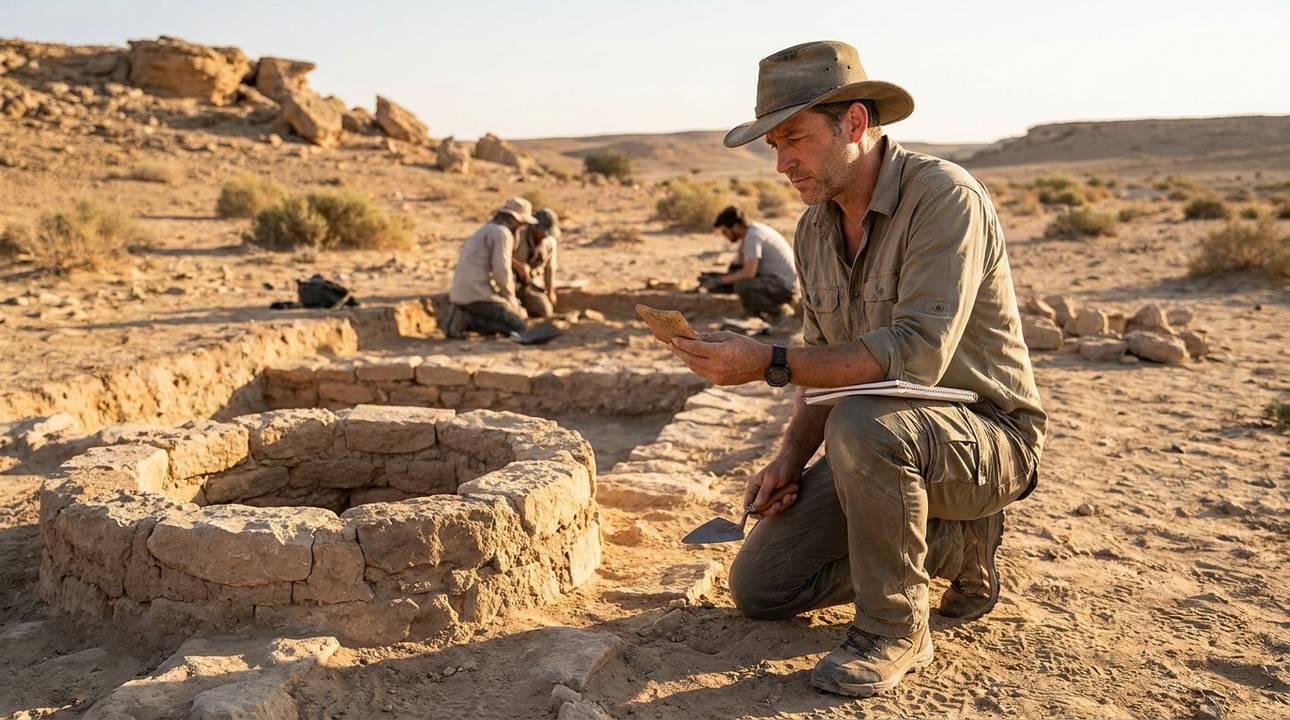
Though there is limited archaeological evidence precisely pinpointing Lahai Roi, its mention in ancient texts provides insight into its historical role. Wells were often indicators of civilization and survival in ancient desert regions, serving as crucial resources for those who lived and traveled in these harsh environments. They were essential for sustaining life and facilitating trade and communication among different groups.
from the Western Wall to Masada.
These wells were gathering points, offering resources for nomadic tribes and shepherds. Understanding these ancient water sources helps illuminate the challenging landscapes where events unfolded, showing how vital they were for survival and community. Wells like Lahai Roi were not just physical necessities but also places of social interaction and encounters.
Lahai Roi’s Symbolic Meaning
Lahai Roi holds symbolic significance due to its associations with revelation and sustenance. This moment is significant as it is one of the first instances where a messenger responds directly to a woman’s plight. For Hagar, it was a place where her cries were heard, showing the profound personal impact encounters had on her life, offering reassurance and hope amid her struggles.
This well signifies themes of visibility and hope. Hagar encounters a messenger at Lahai Roi, marking a pivotal moment of solace. The message reassures her about her son Ishmael’s future, offering comfort in her distress. It serves as a reminder that throughout the trials of historical figures, places like Lahai Roi offered solace and intervention, showing how care was manifest in their lives.
Modern Perspectives on Lahai Roi
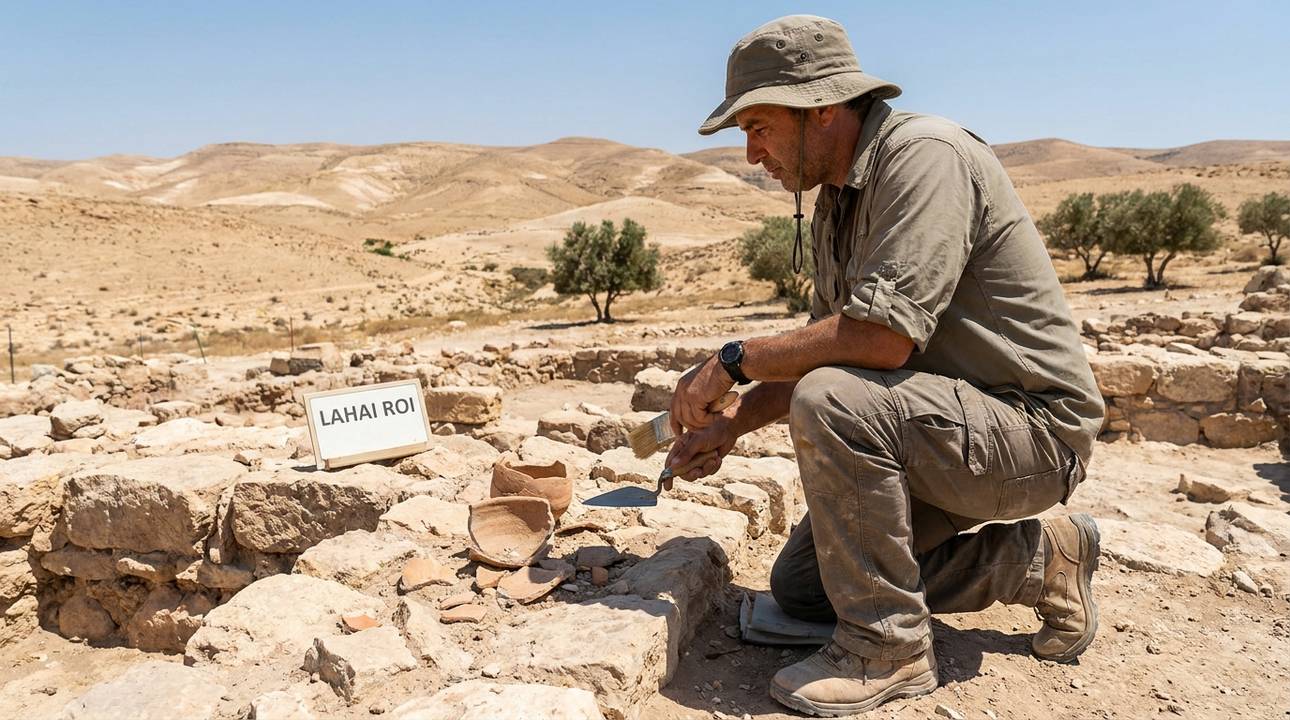
Today, Lahai Roi holds a special place for scholars and those passionate about ancient cultural heritage. Its stories are woven into the fabric of narratives, offering a window into the past. Although the exact location of Lahai Roi remains a mystery, its significance is preserved through ongoing study and interpretation of texts, where it is mentioned in connection with Hagar’s story.
The continued interest in Lahai Roi underscores the enduring power of these ancient stories to inspire and educate. For many, it continues to represent care, as Hagar’s experience shows how unseen forces can provide hope and guidance during difficult times. The well remains a symbol of perseverance in the face of adversity.
Understanding Lahai Roi
