Discovering the Role of Ophrah in the Bible

Ophrah is a location mentioned in historical texts, with connections to notable events and characters. It is a place that still intrigues scholars and readers interested in the geography of historical narratives. Located within the land of Israel, Ophrah’s history is entwined with stories of judges and military campaigns. This article explores its significance in historical times and what modern scholarship reveals about its location and impact. The quest to uncover its secrets continues to captivate those who seek to understand the ancient world.
__INTRO__ Ophrah’s mention in historical texts, particularly in the Book of Judges, highlights its role in the narratives of key figures. As a site of encounters and military strategies, Ophrah offers a glimpse into the multifaceted nature of historical locations. The ongoing exploration of its historical and cultural role enriches our understanding of historical legacies. The significance of Ophrah is highlighted in historical accounts, where an altar is built as a symbol of peace. This moment signifies an encounter and covenant. Ophrah’s mention underscores its role as a site of interaction, offering a glimpse into the landscape of Israel. Scholars continue to investigate its historical and archaeological context, seeking to understand its role in the broader narrative of Israel’s history. The altar built at Ophrah represents a physical manifestation of commitment. It serves as a reminder of the peace that comes from guidance, a theme that resonates throughout historical narratives. This connection between place and experience is a recurring motif, illustrating the deep bond between the land and its people.
from the Western Wall to Masada.
Where Is Ophrah Mentioned in the Bible?
Ophrah appears in the story of a judge of Israel, found in historical texts, chapters 6 to 8. It is described as a hometown, where instructions are received to save Israel from oppression. In historical accounts, an angel appears at Ophrah, setting the stage for the events that follow. This location serves as the backdrop for the call to leadership, marking the beginning of a journey from a humble farmer to a formidable leader. The significance of Ophrah in the story is further highlighted in historical accounts, where an altar is built and named ‘The Lord is Peace.’ This symbolizes a moment of encounter and covenant. Ophrah thus becomes a place of transformation, where leadership is embraced, guided by intervention. The angel’s appearance at Ophrah is pivotal, marking the beginning of a transformation from a hesitant farmer to a courageous leader. Historical accounts show the angel addressing as a ‘mighty warrior,’ a title that initially surprises. This encounter at Ophrah is significant as it highlights the selection of leaders in Israel’s history. Often choosing unlikely individuals to fulfill important roles in the community, the narrative underscores the transformative power of intervention. Initial reluctance and subsequent acceptance of the role reflect the common theme of empowerment. The story illustrates how ordinary individuals are called to extraordinary tasks, guided by a higher purpose. Ophrah, as the setting for this transformation, becomes a symbol of potential and change, where faith and destiny converge.
Ophrah and the Story
The story begins in Ophrah when called by an angel to lead against oppressors. Initially hesitant, signs are sought to confirm the calling. Historical accounts recount how tests the message by asking for dew on a fleece. Historical texts detail an important event where an altar is demolished at Ophrah. This symbolizes a renewal and defiance against idolatry, which was rampant in neighboring communities. The destruction of an altar at Ophrah marks a turning point in the journey, as the role as a leader and catalyst for change is embraced. This defiance against idolatry highlights the tension between traditional beliefs and the prevailing practices of the time. Ophrah, as the setting for these events, becomes a symbol of transformation and renewal. This bold move at Ophrah marks a turning point, showing commitment to the mission. The destruction of the altar was not just an act of rebellion but a declaration of allegiance to the God of Israel. In historical accounts, men are gathered at the spring of Harod, near Ophrah, to prepare for battle. This demonstrates the strategic importance of Ophrah as a military and spiritual center during leadership. The location served as a rallying point, emphasizing its role in uniting the Israelites against their oppressors. Actions at Ophrah were pivotal in shifting the spiritual landscape of the region. By tearing down the altar, a movement towards monotheism was initiated, challenging the prevalent idol worship. This defiance was a catalyst for change, inspiring followers to embrace their heritage and stand firm in their beliefs.

The Role of Ophrah in Israel’s Military Campaigns
Ophrah was strategically important during military campaigns against oppressors. Historical texts describe how troops are gathered at Ophrah to prepare for battle. The site served as a base for assembling forces and launching an attack on enemies. This exemplifies how geographical locations often also served military and strategic purposes. Illustrating the tactical planning involved in narratives, Ophrah’s role in the story underscores the importance of location in achieving victory. The strategic use of Ophrah in the campaign demonstrates the interplay between geography and military success. By choosing Ophrah as a gathering point, capitalized on its location to organize and inspire troops. This narrative highlights the significance of understanding the land and its features in planning and executing successful military operations in historical times. The strategic assembly at Ophrah is crucial in historical accounts, where the army is instructed to be reduced, emphasizing reliance on guidance over sheer numbers. This highlights the faith-driven strategies that characterized Israel’s battles. The story of victory, starting from Ophrah, showcases the blend of faith and strategy in warfare. Locations like Ophrah became pivotal in executing plans, serving as stages for the unfolding of Israel’s history and its journey. The reduction of the army at Ophrah is a sign of the belief that success is not solely dependent on human strength. This narrative emphasizes the importance of faith and trust in support, a theme that resonates throughout historical texts. Ophrah thus becomes a symbol of reliance on spiritual rather than material power.
Ophrah in the Context of Historical Israel
Ophrah’s role extends beyond a single event or character. It is reflective of historical society, where communities were both places of worship and centers for pivotal historical events. Understanding locations like Ophrah helps illuminate the societal structures and religious practices of the time. Such places were often linked with narratives, illustrating a profound connection between geography and spirituality. For instance, the events at Ophrah highlight the interplay between faith and leadership in Israel’s history. The dual role of Ophrah as a spiritual and strategic center is evident in historical accounts. It served as a gathering place for the army and as a site of religious significance with the construction of altars. These dual functions underscore the multifaceted nature of such locations, where the physical and spiritual realms intersected in the lives of the Israelites. In historical accounts, after victories, an ephod is created in Ophrah, which unfortunately becomes a snare, leading into idolatry. This reflects the complex relationship between religious symbols and community practices. Ophrah serves as a reminder of how physical locations are intertwined with spiritual lessons. showing the challenges faced by society in maintaining their faith, the story of the ephod highlights the delicate balance between tradition and innovation. The creation of the ephod at Ophrah illustrates how even well-intentioned actions can have unintended consequences. This narrative serves as a cautionary tale about the potential pitfalls of religious innovation and the importance of adhering to established beliefs. Ophrah, in this context, becomes a place of reflection on the complexities of faith and leadership.
Modern Identification and Archaeological Insights
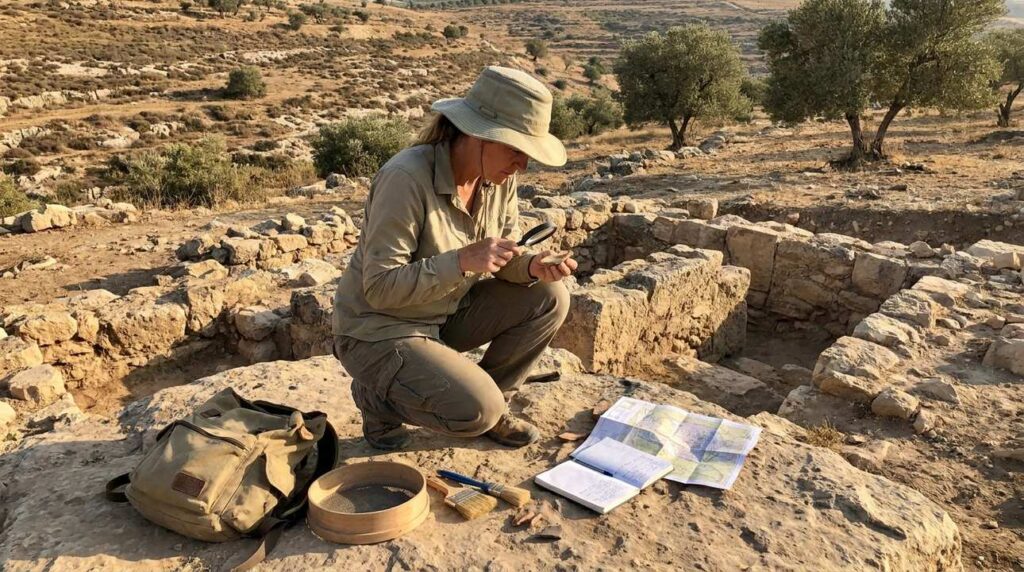
Today, pinpointing the exact location of Ophrah remains challenging due to limited archaeological evidence. However, scholars continue to explore various sites in Israel to uncover artifacts and architectural remnants. Excavations near the West Bank have been considered potential locations. These efforts aim to provide greater clarity and enrich our understanding of historical places through historical and archaeological research, shedding light on the daily lives and spiritual practices of ancient communities. The search for Ophrah involves a combination of fieldwork and scholarly analysis, with researchers examining both physical evidence and textual references. This interdisciplinary approach seeks to bridge the gap between the ancient world and modern understanding, showing the lives of those who once inhabited these sacred spaces. The quest for Ophrah is still remembered and challenge scholars today. The quest to locate Ophrah involves analyzing ancient texts and comparing them with modern geography. This meticulous work is crucial for piecing together the historical puzzle of sites. Archaeologists and historians collaborate to identify markers that could lead to Ophrah, hoping to connect the narrative with tangible evidence, thereby enhancing our grasp of Israel’s ancient past. The collaboration between experts often includes examining ancient maps and historical records. They also consider the geographical descriptions found in historical texts, which mention gatherings at the spring of Harod near Ophrah. These efforts aim to bring the stories of the past to life, allowing us to walk the paths once trodden by historical figures.
from the Western Wall to Masada.

Cultural Role of Ophrah in Historical Tradition
Ophrah holds cultural role in historical literature as a site associated with interaction and historical change. Historical accounts signal a pivotal moment in Israel’s history. The narratives surrounding Ophrah reflect wider themes of leadership, faith, and deliverance in the face of adversity. These stories continue to resonate within tradition, illustrating the enduring lessons of faithfulness and courage derived from history, encouraging reflection on personal and communal resilience.
Ophrah’s Symbolic Connection to Deliverance
The name Ophrah may symbolize themes of deliverance and awakening. Historical accounts mark the beginning of a mission to free Israel from oppression. Through the story, Ophrah becomes symbolic of liberation from oppression and the triumph of faith over fear. This symbolism enriches the understanding of how specific sites are intertwined with both spiritual and historical narratives, highlighting the role of guidance in overcoming challenges.

Ophrah in Present-Day Understanding
While Ophrah’s exact modern-day location is still under investigation, its presence in historical texts affirms its importance in ancient narratives. Some scholars suggest it might be near the modern-day city of Tulkarm. Contemporary studies aim to discover more details about its location. These inquiries provide insights into how geography shapes the understanding of historical events and traditions, offering clues about the cultural and strategic significance of such sites in Israel. The search for Ophrah’s location is part of a broader effort to map sites, contributing to our understanding of Israel’s historical landscape. This endeavor is not just about finding a place but connecting with the stories that shaped a people. Through these studies, scholars hope to bridge the gap between ancient texts and modern findings, enriching our appreciation of historical and cultural contexts. Such efforts often involve interdisciplinary approaches, combining archaeology with textual analysis. By mapping sites like Ophrah, researchers aim to provide a tangible connection to the narratives that have been passed down through generations. This work not only enhances our historical knowledge but also deepens our emotional connection to the stories of the past. The process of discovery itself becomes a journey of understanding, bringing the ancient world to life in new and meaningful ways.
Significance of Ophrah in Modern Scholarship
Researchers and scholars remain interested in Ophrah due to its prominent historical role. Ophrah is significant in the story, where an angel appeared. The continued study contributes to broader discussions around history and its places. Ophrah exemplifies how ancient centers is still remembered exploration and understanding of historical religious landscapes. Scholars often reference its strategic role in battles against the Midianites. The ongoing interest in Ophrah reflects a broader fascination with the historical and cultural contexts of narratives. By studying locations like Ophrah, researchers aim to uncover the layers of meaning and significance embedded in these ancient stories. This exploration not only enriches our understanding of the past but also deepens our connection to the legacy of history. The ongoing research into Ophrah includes archaeological surveys and textual analysis, aiming to uncover more about its historical context. Such studies are vital for understanding the geographical and cultural settings of narratives. By examining sites like Ophrah, scholars gain insights into the daily lives and spiritual practices of ancient communities. This research enriches our comprehension of history and its legacy, offering a window into the past that informs our present understanding. Archaeological efforts often involve excavating potential sites, analyzing artifacts, and comparing findings with descriptions. These endeavors help to piece together the historical puzzle, providing a clearer picture of the world in which these events occurred. The study of Ophrah and similar locations is still remembered curiosity and scholarly debate, driving the quest for knowledge about Israel.