
Discovering the Historical Village of Shunem


Shunem is best known in historical texts as the home of several notable events and figures. Situated in the fertile region of the tribe of Issachar, Shunem offers insight into the lives of the people and traditions of its time. It is mentioned in the story of the Shunammite woman who provided a room for a notable figure. Its stories resonate with themes of hospitality, compassion, and insight. This article delves into Shunem’s historical references and explores its significance in cultural history.
__INTRO__ The village’s strategic location near Mount Gilboa also played a role in historical narratives, where the Philistines camped before a significant battle. This location was crucial for military strategies, as it provided a vantage point for observing enemy movements. Shunem’s historical and geographical context adds depth to its stories, offering a backdrop for understanding the challenges faced by leaders during times of conflict. By examining these accounts, we gain a better understanding of the cultural and social life of the past. The tales from Shunem are still remembered and teach, offering valuable lessons in community. The narratives of Shunem serve as a window into the past, reflecting the strength and values of its inhabitants. They encourage modern readers to reflect on the enduring values of service and community that remain relevant today.
from the Western Wall to Masada.

Where Is Shunem Located?
Shunem is identified as a village within the territory of Issachar, positioned near Mount Gilboa in northern Israel. This location is mentioned in historical texts, notably where the Philistines camped before a significant battle. Shunem’s strategic position made it a critical point for travelers and notable figures. Today, scholars place it in the region of the modern village of Sulam. This location continues to be a point of interest for historians seeking to understand the area’s geography. The identification of Shunem with the modern village of Sulam offers a tangible connection to the past, allowing historians and archaeologists to explore the geographical and historical context of events. This connection enriches our understanding of the narratives associated with Shunem, providing a deeper appreciation of its role in the cultural and social life of the past. The village’s proximity to Mount Gilboa, where a significant battle took place, adds to its history. This battle marked a pivotal moment in history, leading to the downfall of a leader and paving the way for another’s rise to leadership. Shunem’s stories, tied to such events, offer a glimpse into the turbulent times of the past, highlighting the struggles and triumphs of its leaders. The area around Shunem remains a focus for archaeologists and historians who aim to uncover more about the daily lives and struggles of those who lived in this region. Excavations have revealed artifacts that provide insights into the cultural and economic life of the time. These discoveries continue to enrich our understanding of the historical context of narratives, offering a tangible connection to the past.
Shunem’s Role in the Story of Abishag
The story of Abishag of Shunem is one of warmth and service. Chosen to attend to a king in his old age, Abishag is a significant figure due to her role in the court. Her presence underscores themes of youth, health, and care in a royal context. She is described as beautiful and nurturing, emphasizing the importance of dedicated service. Her story is a reminder of the human connections within historical narratives. She is mentioned in historical texts, highlighting her role in the transition of power. Abishag’s story provides insights into the complexities of court life and the influence of women in shaping historical events. Her narrative adds depth to our understanding of the cultural and history of Shunem, emphasizing the enduring values of loyalty and service. Abishag’s story also reflects the complexities of court life and the importance of loyalty and service. Her role in the transition of power from one leader to another is significant, where her presence influences political dynamics. Through her story, we gain insights into the roles women played in the past, often serving as pivotal figures in the background of major events. Abishag’s narrative adds depth to our understanding of Shunem’s historical and cultural role. Her involvement in the royal court highlights the intricate dynamics of power and the influence of women in shaping historical events. The story of Abishag serves as a reminder of the vital roles women have played throughout history, often in subtle yet impactful ways.
Who Is the Shunamite Woman?
The Shunamite woman, whose tale is told in historical texts, exemplifies hospitality and community. She graciously accommodated a notable figure in her home, showcasing traditional values of generosity. Her story inspires trust in promises while highlighting the role of women in narratives. These accounts show Shunem as a place of depth and encounters, offering lessons in community and hospitality. The narrative continues, where her son falls ill and is revived by a notable figure, demonstrating a profound moment of belief and intervention. This story underscores the importance of belief and the power of words. The Shunamite woman’s actions and experiences are a sign of the enduring values of kindness and community in the face of adversity. Her legacy is one of strength and trust, resonating with readers who seek inspiration from historical accounts. Her unwavering belief in the ability of a notable figure to help her son highlights the deep trust placed in figures during historical times. The narrative emphasizes the role of notable figures as mediators of will and the importance of maintaining belief even in dire circumstances. The story of the Shunamite woman is still remembered by those who seek to understand the dimensions of history.
from the Western Wall to Masada.
What Can We Learn from Shunem Today?
The stories from Shunem continue to resonate in modern times as examples of kindness and community. Among them is the tale of the Shunammite woman who showed hospitality to a notable figure. Her generosity and belief are central themes in this narrative. These accounts remind us of the enduring values that can be derived from ancient narratives, encouraging compassion and service as enduring virtues. Shunem serves as a symbol of home and community, encouraging readers to connect with their heritage. The Shunammite woman’s actions exemplify the importance of hospitality and trust in divine guidance, values that is still remembered those seeking to live meaningful lives. Through these accounts, we are reminded of the power of faith and the impact of small acts of kindness in building strong communities. The village’s tales, such as the revival of the Shunammite woman’s son by a notable figure, highlight the power of belief and intervention. These narratives reveal the timeless relevance of Shunem’s lessons. The village’s stories are still remembered by those seeking to understand the cultural dimensions of history. These accounts offer insights into the values that shaped the past, emphasizing the importance of community and the role of notable figures in guiding the people. The legacy of Shunem is preserved in these narratives, which continue to be studied and appreciated for their cultural role. They encourage modern readers to reflect on their own values and the importance of community support.

Shunem in Modern Historical Scholarship
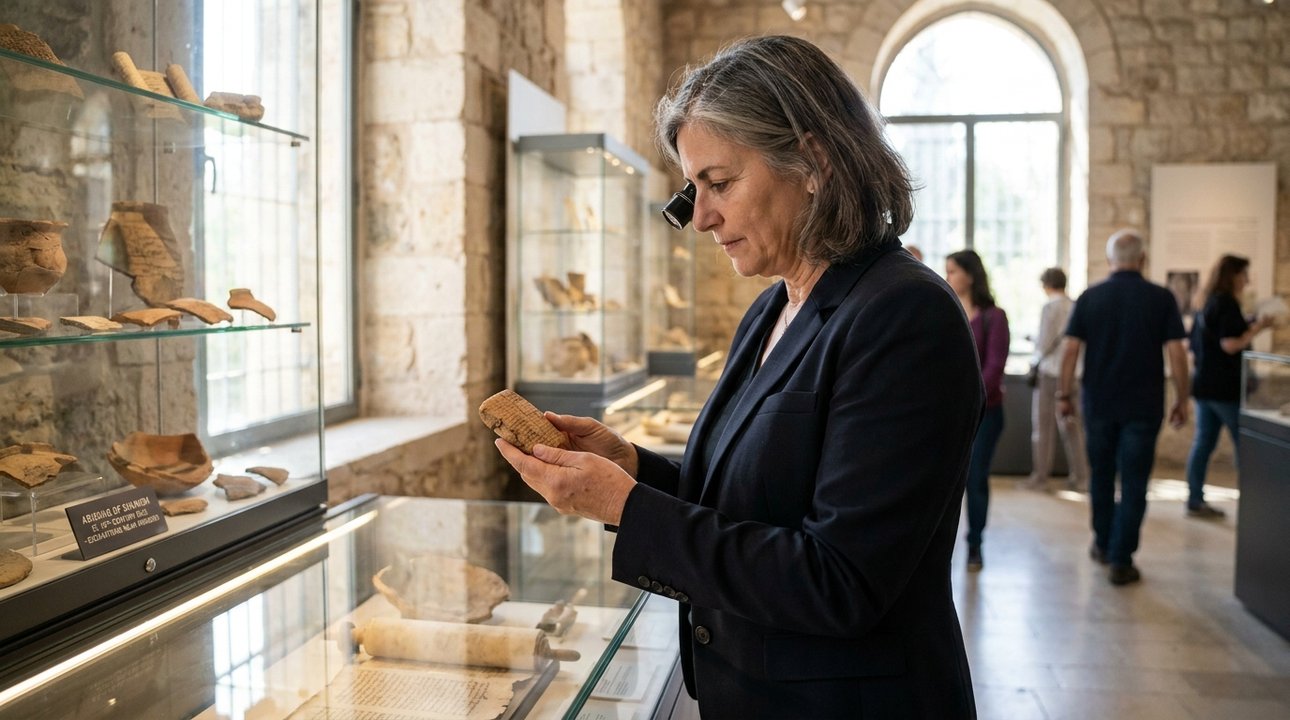
Modern scholars study Shunem to understand its historical and cultural context. Excavations and textual analysis have brought clarity to Shunem’s role in history. The village offers insights into the daily lives and practices of its inhabitants. Archaeological studies continue to reveal artifacts and structures that illustrate Shunem’s significance. For instance, pottery and tools unearthed in the area provide a glimpse into the agricultural practices of the time. Shunem remains a point of interest for scholars exploring the historical era.
Cultural Role of Shunem
Beyond its historical narrative, Shunem is an integral part of Jewish heritage. The village is associated with themes of service and community, showing its lasting influence. It stands as a reminder of the values cherished in tradition. Shunem’s stories have been preserved in art, literature, and tradition. For example, the story of the Shunammite woman and a notable figure is depicted in various artworks. These narratives are still remembered by those interested in the cultural aspects of history. The legacy of Shunem is preserved in these accounts, which offer lessons in community and service. The village’s influence extends beyond its historical roots, impacting cultural and artistic expressions that celebrate its enduring values. The village’s tales, such as those of Abishag and the Shunamite woman, are celebrated in Jewish cultural memory, reflecting the enduring lessons of hospitality and faith. These accounts are often revisited in religious studies and cultural discussions. Shunem’s legacy as a place of spiritual encounters and human warmth remains relevant today, encouraging a deeper exploration of its historical and cultural contributions. The village’s influence extends beyond its historical roots, impacting art and literature. The stories of Shunem have been depicted in various forms of art, illustrating the appeal of its narratives. These cultural representations are still remembered by those interested in exploring the historical dimensions of history, offering a mix of lessons and insights.

Conclusion: Shunem’s Place in Historical Narrative
Shunem serves as a rich source of stories and lessons within the historical context. Its tales of hospitality and service provide timeless insights into human interactions and presence. The village’s connection to figures like Abishag and the Shunamite woman highlights its importance in historical narratives. Discovering Shunem’s past enables a deeper appreciation of its role in history. It remains a landmark of tradition and cultural memory, inspiring continued exploration and study of its stories. The narratives of Shunem offer a window into the values and beliefs that shaped the past, emphasizing the importance of community and service. They continue to resonate with modern readers, offering lessons that are relevant in contemporary life. The legacy of Shunem is preserved in these accounts, which are still remembered by those seeking to understand the cultural dimensions of history. Abishag of Shunem is chosen to care for a king, illustrating themes of service and devotion. Her presence in the royal court underscores the village’s significance in the historical narrative. Abishag’s role is pivotal, as she provides warmth and care to the aging leader, highlighting the importance of loyalty and service in the royal household. Shunem’s stories, filled with lessons of service, are still remembered by those interested in the cultural aspects of history. The village stands as a sign of the enduring values cherished in tradition. These narratives remind us of the profound impact individuals can have through acts of kindness and devotion within their communities. The cultural memory of Shunem is enriched by these accounts, which are often revisited in studies, showing the roles women played in the past and the values that guided the people.
