
Exploring Tarshish and Its Place on the Historical Map
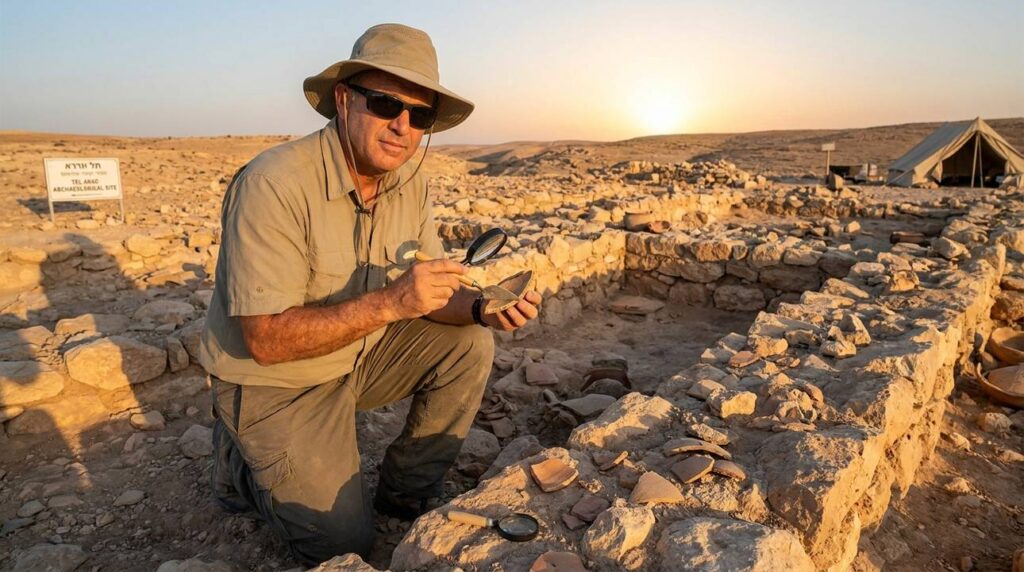

What comes to mind when you hear the name Tarshish? Known for its appearance in ancient narratives, Tarshish sparks curiosity and intrigue. This article explores what Tarshish offers historically, mapping its location and significance.
We journey through traditions and archaeological hints, connecting them to the present day. By examining historical records and modern discoveries, we aim to uncover the mysteries surrounding Tarshish and its role in ancient trade and cultural exchanges.
Where Was Tarshish Located?
The exact location of Tarshish remains uncertain despite extensive investigation. Some scholars suggest it was in the western Mediterranean, possibly Spain or Sardinia. Others speculate it might have been in the Indian Ocean region.
These varied hypotheses come from interpretative challenges of ancient texts, making the map of Tarshish as mysterious as it is engaging. The debate continues as researchers analyze historical records and archaeological evidence to pinpoint its location.
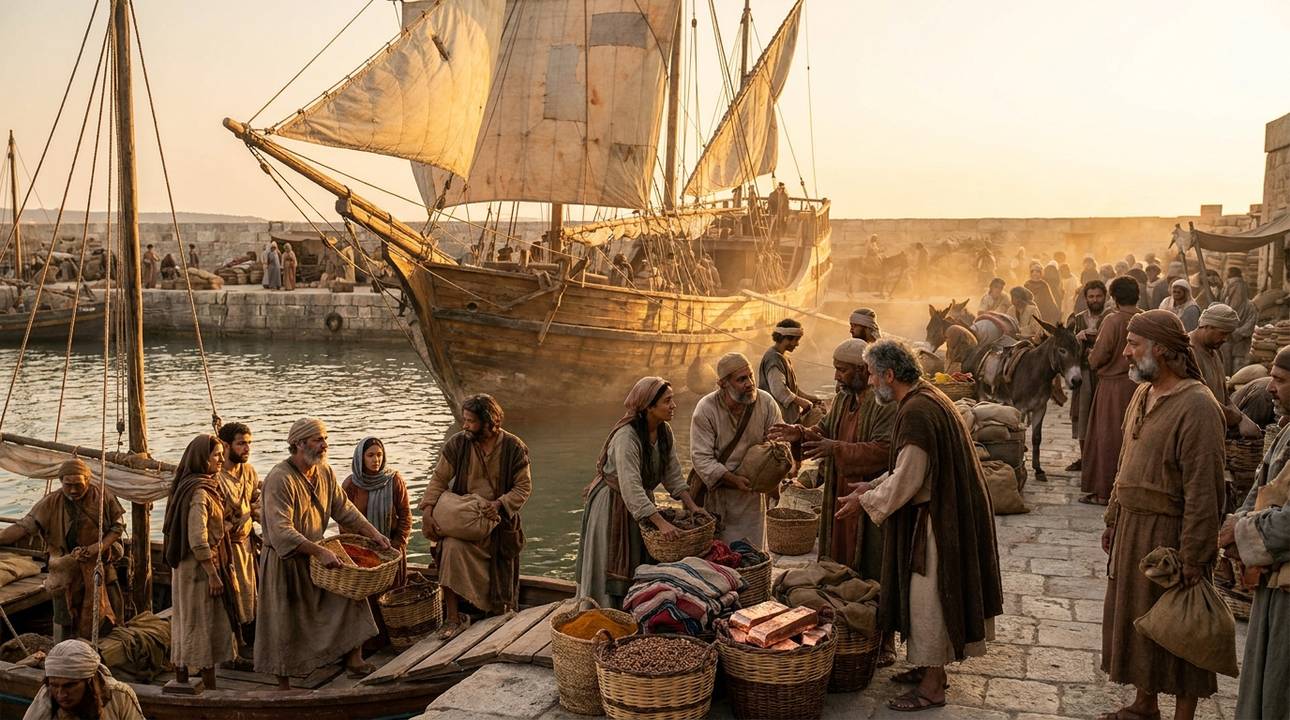
Adding to the mystery is an ancient trade network. Historical references cite Tarshish as a place of trade, exporting goods like gold, silver, ivory, and peacocks. This positions Tarshish as a prominent trading partner, further complicating its exact geographic pinpointing but highlighting its historical role. Historical accounts mention fleets bringing goods from Tarshish every three years, emphasizing its importance in ancient commerce.
The wealth of goods attributed to Tarshish suggests it was a hub of international trade. The variety of items, from metals to exotic animals, indicates a broad network of connections, possibly spanning continents and cultures.
Historical accounts describe ships from Tarshish bringing gold, silver, ivory, apes, and peacocks to ancient courts. This diverse array of goods highlights the extensive trade networks and the economic power that Tarshish held in the ancient world, making it a focal point of ancient economic life.
Historical Mentions of Tarshish
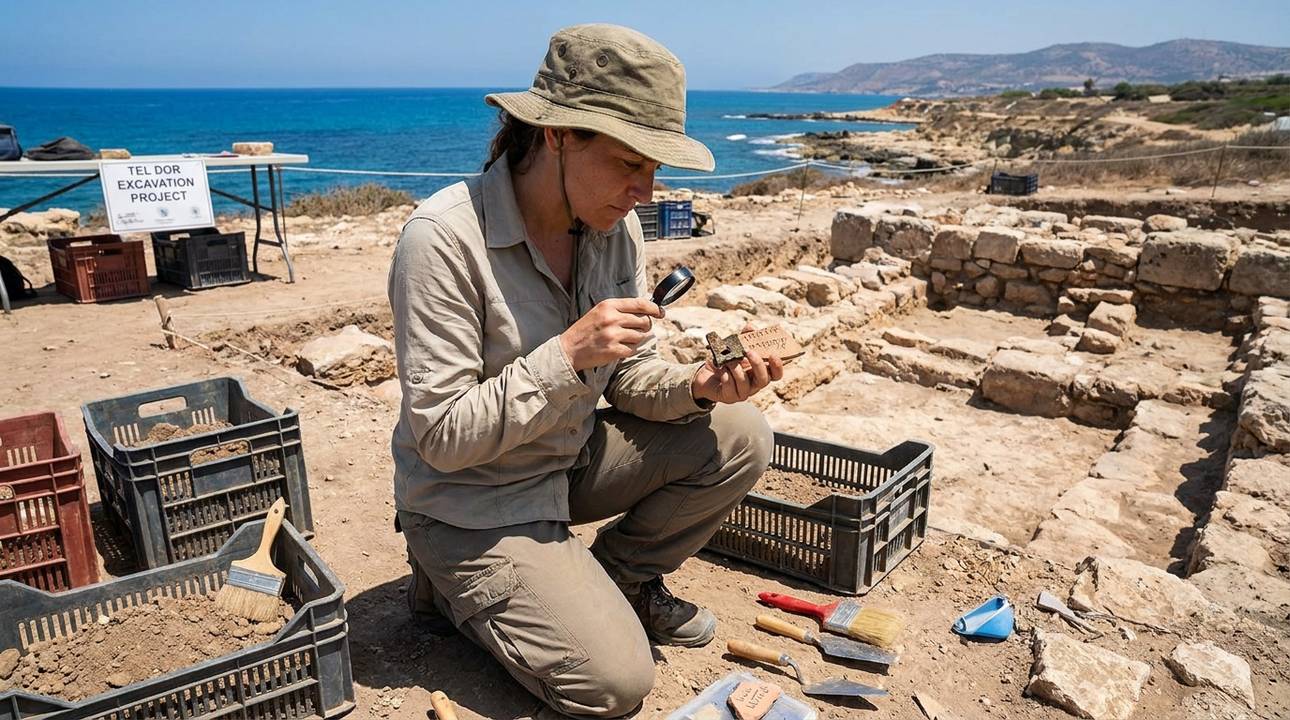
Tarshish frequently appears in ancient texts, primarily as a distant location. Some narratives note attempts to flee to Tarshish to escape responsibilities.
Additionally, historical accounts describe ships of Tarshish bringing goods to ancient courts, emphasizing its role as a symbol of distant wealth and far-reaching trade. These references highlight Tarshish as a place of both physical distance and economic significance in the ancient world.
These mentions connect Tarshish to historical financial prosperity and geographic mystery. It symbolizes both tangible and intangible distances.
For ancient peoples, Tarshish represented the limits of the known world, adding gravity to its mentions. Historical records note Tarshish as a trading partner of Tyre, providing silver, iron, tin, and lead, emphasizing its economic significance and distant allure.
The concept of Tarshish as a distant land also appears in various texts, where it is listed among the nations to witness significant events. This highlights the far-reaching influence of Tarshish, making it a symbol of the outermost parts of the earth.
In this context, Tarshish is grouped with other distant lands, emphasizing its role as a place far removed from central lands. This further solidifies its role as a symbol of the farthest reaches of the earth, both in physical and economic terms.
Cultural and Historical Influences
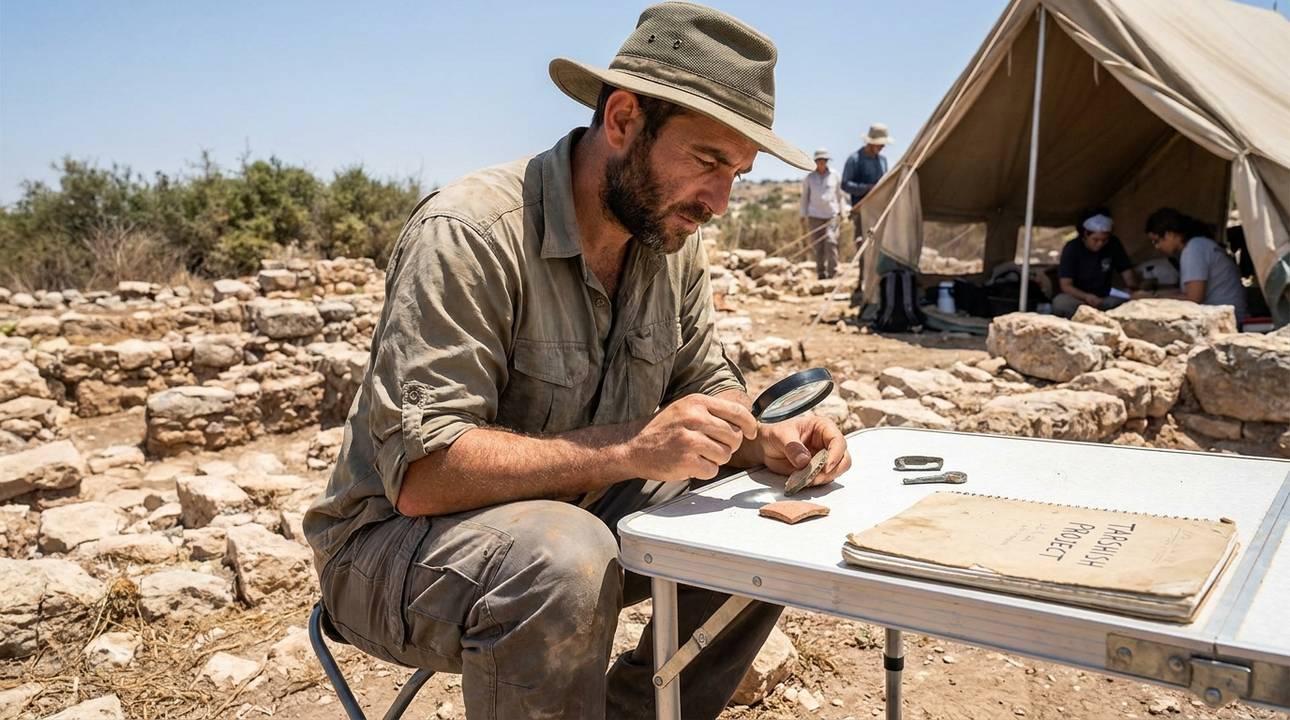
The identification of Tarshish influenced many aspects of Judaic literature and tradition. In the Talmud and other texts, it frequently emerges in discussions about trade and distance.
Understanding Tarshish offers insight into Jewish historical imagination and how Israelites perceived their world and beyond. The Talmud (Bava Batra 74b) discusses the wealth of Tarshish, reflecting its enduring image as a land of abundance and its impact on Jewish cultural narratives.
Tarshish is sometimes associated with the sea, where narratives describe attempts to escape to Tarshish by ship. This highlights Tarshish as a distant, almost mythical destination.
This connection between Tarshish and maritime trade underscores its role in the imagination as a gateway to the wider world. The sea voyage to Tarshish represents not just physical distance but also a journey into the unknown, reflecting the adventurous spirit of traders.
Furthermore, its representation varied over time, influenced by evolving geopolitics and trade. Each suggested location reflects both ancient realities and historical narratives.
For instance, some scholars propose locations like Spain or Sardinia, while others suggest regions closer to the Levant. Each theory reflects different historical contexts and trade routes, illustrating how geography shaped cultural legacies.
The shifting identification of Tarshish over centuries shows how ancient peoples interacted with their world. The Phoenicians, known for their seafaring prowess, may have linked Tarshish to their extensive trade networks.
This connection is supported by historical references, where Tarshish is listed as a trading partner of Tyre. Such interactions further embedded Tarshish in the cultural memory as a place of wealth and mystery, highlighting the dynamic nature of ancient trade and cultural exchanges.
Present-Day Understanding of Tarshish
Today’s exploration of Tarshish combines archaeology, textual studies, and cultural narratives.
While its exact location remains elusive, uncovering Tarshish involves analyzing ancient texts and trade patterns, weighted with cultural imagination.
This approach allows us to gain a broader understanding of historical geography.
Scholars use clues from ancient texts to piece together potential locations and trade routes associated with Tarshish.
By examining ancient shipping routes and trade goods, researchers aim to map out the possible extent of Tarshish’s influence. This multidisciplinary effort helps illuminate the interconnectedness of ancient societies and the role of Tarshish within that network.
Historical records mention Tarshish as a trading partner of Tyre, providing silver, iron, tin, and lead. This illustrates the vast trade network and economic power associated with Tarshish, further emphasizing its importance in the ancient world.
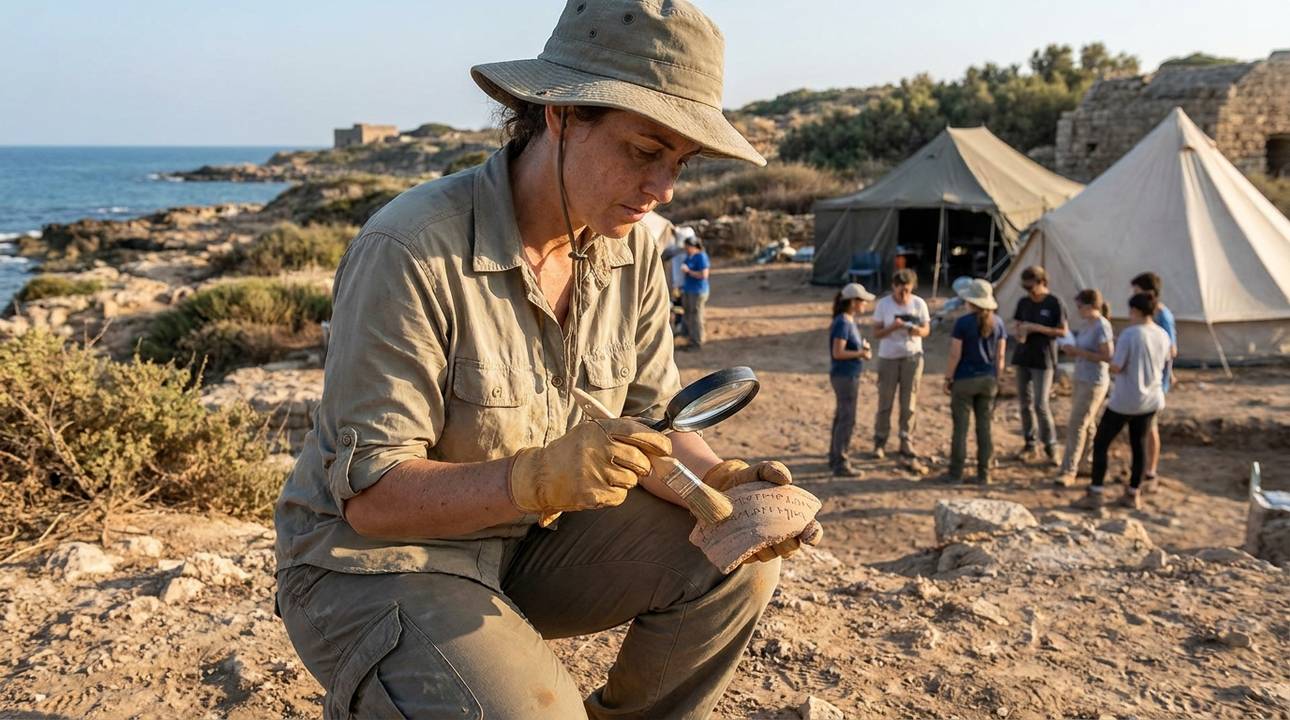
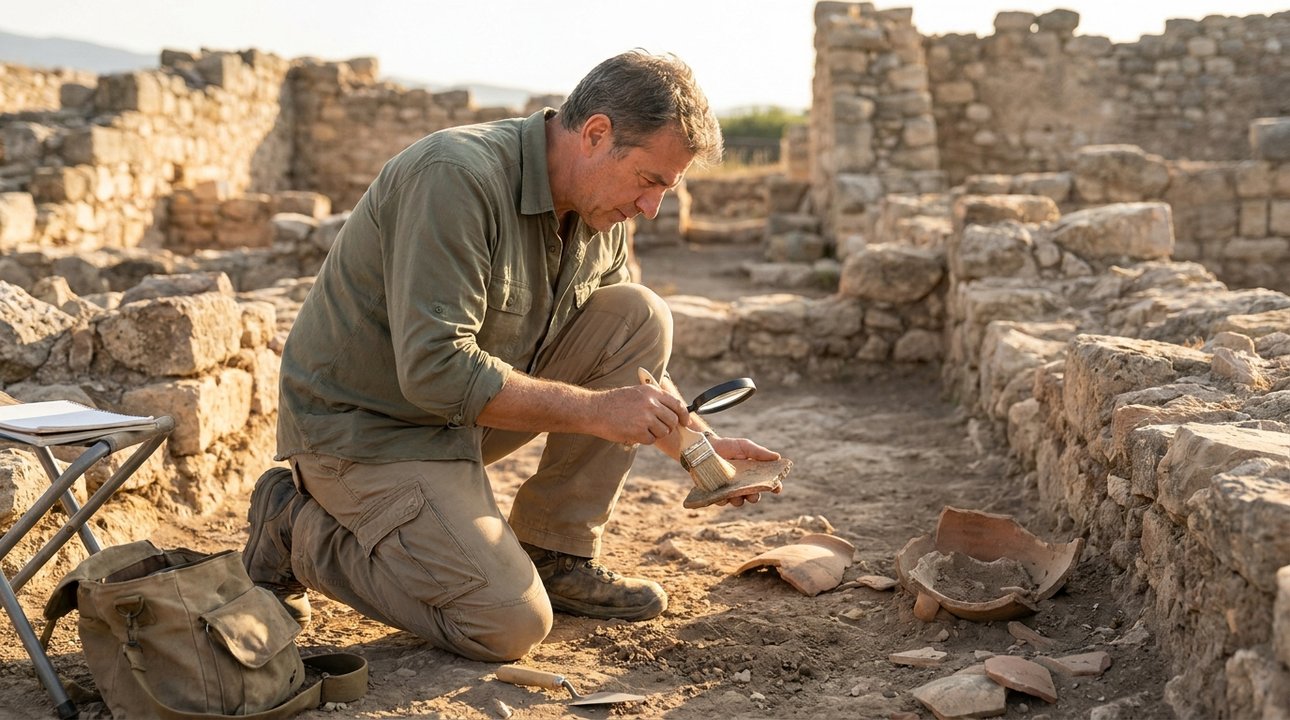
Modern archaeology continues to make progress with discoveries that may tie to Tarshish. Each finding provides a glimpse into the ancient world that existed beyond Israel’s immediate surroundings.
For example, excavations in the Mediterranean have uncovered artifacts that suggest extensive trade networks, possibly linked to the elusive Tarshish. These discoveries help piece together the puzzle of ancient trade routes and the role Tarshish played in them.
These archaeological efforts reveal the complexity of ancient trade and cultural exchanges. By piecing together evidence from various sites, researchers hope to better understand the role of Tarshish in the ancient economy and its influence on historical narratives.
For instance, excavations in the Mediterranean have uncovered artifacts that suggest extensive trade networks. By examining these findings, scholars aim to reconstruct the trade routes that might have connected Tarshish with other ancient societies, shedding light on its economic significance.
Connecting Tarshish to Modern Identity
Tarshish still holds a place in Jewish cultural memory and scholarly studies. Its blend of reality and legend provides endless fascination, stimulating debates and discussions about the breadth of Jewish history. Examining Tarshish bridges ancient textual traditions with contemporary cultural identity. The ongoing exploration of its location and significance is still remembered both scholars and laypeople, reflecting the enduring impact of this enigmatic place on Jewish thought and cultural heritage.
In modern discourse, Tarshish often serves as a symbol of exploration and discovery.
It encourages a reinterpretation of historical stories, offering a dynamic view of narratives that shape identity and understanding.
For example, Tarshish is mentioned as a distant place, highlighting its role as a symbol of far-off lands and the human desire to explore the unknown.
The narrative of wealth also ties to Tarshish, as ships from Tarshish brought gold, silver, and exotic goods to distant lands. This connection underscores Tarshish’s symbolic role in representing the allure of distant riches.
The regular arrival of these ships suggests a well-established trade route. This trade not only enriched various regions but also expanded horizons, introducing new cultures and goods, and enhancing understanding of the world.
Details about Tarshish
