
Unveiling the Wilderness of Ziph in Historical Context


Ziph is a location filled with historical intrigue and lore. Nestled near the ancient territories of Judah, it served as a backdrop for significant events in history. This area, located south of Hebron, was strategically important due to its rugged terrain, providing natural protection and allowing for evasion from capture.
The Ziphites, inhabitants of the region, played a complex role in these events. While they initially supported David, they later informed Saul of David’s whereabouts. This act of betrayal underscores the precarious alliances during this tumultuous period in Israel’s history. Ziph thus became a symbol of both refuge and danger, reflecting the broader themes of loyalty and survival in historical narratives.
from the Western Wall to Masada.

The actions of the Ziphites illustrate the shifting loyalties and the complex social dynamics of the time.
Their role in the narrative highlights the challenges faced by David and the uncertain nature of alliances in the ancient world.
What and Where Is the Wilderness of Ziph?
Ziph is located in the southern region of ancient Judah, near the city of Hebron. Known for its rugged terrain and sparse vegetation, it was strategically significant in historical narratives. This region is referenced in historical texts, where it is mentioned as part of the land allocated to the lineage of Judah. Its barren landscape made it a perfect refuge and hiding place, as described in many accounts.
The geographical features of Ziph provided natural defenses, making it an ideal location for those seeking sanctuary.
The area’s strategic importance is highlighted in the stories of David, who used this terrain to evade capture by Saul, showcasing the tactical advantages offered by the landscape.
Historical Narratives in the Wilderness of Ziph
In historical stories, Ziph is most prominently featured in the accounts of David. Fleeing from pursuit, David sought refuge in this desolate area. The narratives describe how David and his men evaded capture through the help of local Ziphites who, paradoxically, also reported his whereabouts to Saul. This dual role highlights the area’s complex narrative.
This region served as both a sanctuary and a place of betrayal, illustrating the intricate dynamics of loyalty and survival.
The Ziphites’ actions reflect the precarious nature of alliances during this tumultuous period in Israel’s history, where shifting loyalties could mean the difference between life and death.
Archaeological Evidence from Ziph
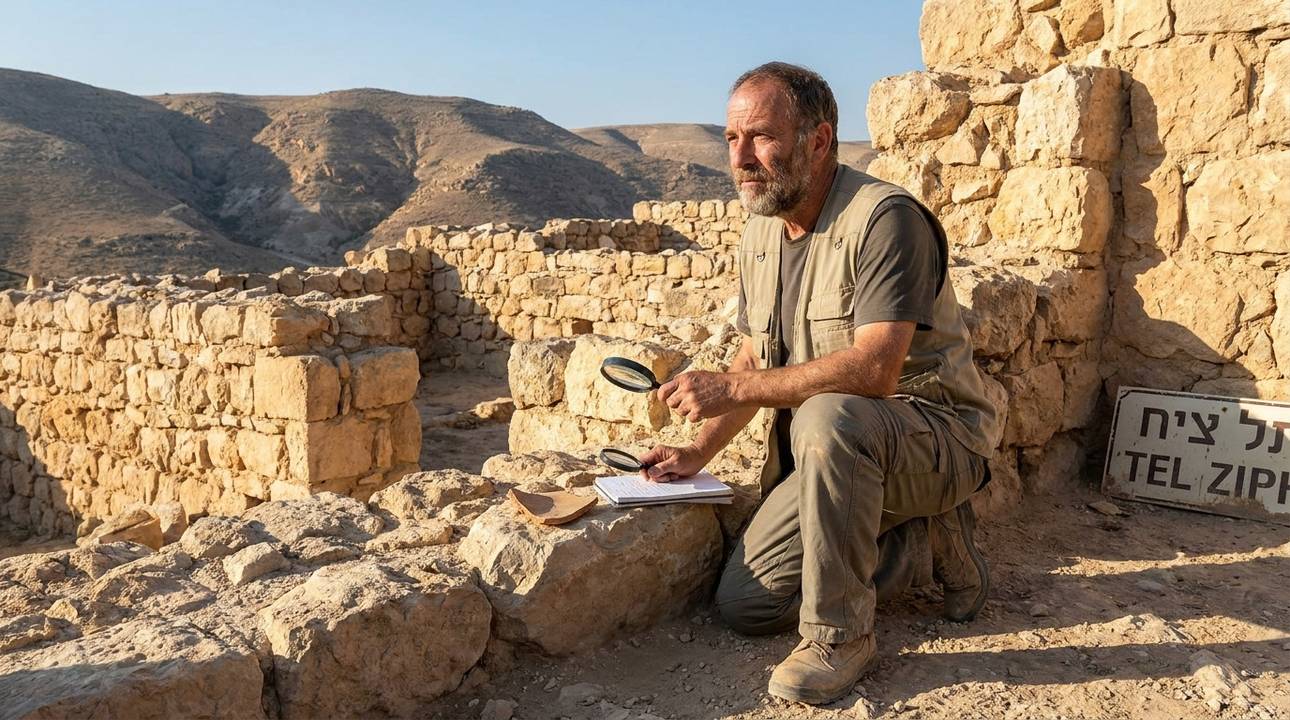
Archaeological surveys in the area have uncovered remnants of ancient settlements, providing valuable insights into the history of Ziph. Excavations have revealed pottery shards and tools dating back to the Iron Age, suggesting continuous habitation. These findings indicate that Ziph was not only a refuge but also a thriving community, as evidenced by artifacts from different eras. The harsh conditions of the region highlight the endurance of its inhabitants.
The discoveries offer a glimpse into the historical context surrounding the narratives, connecting the stories of David and Saul to tangible evidence. Researchers have found evidence of agricultural activities, indicating that despite its rugged terrain, the area supported human life. These archaeological efforts continue to enhance our understanding of the region’s significance in history.
Ziph’s Role in Jewish Tradition
Within Jewish tradition, Ziph is remembered for its association with David’s trials and the challenges he faced while establishing his rule. The region is mentioned in historical texts, where David’s encounters highlight the complexities of leadership and trust. The contrasting loyalties of the Ziphites, helping David while simultaneously informing Saul, illustrate themes of loyalty and betrayal that run throughout the texts.
These narratives offer insights into the moral and ethical dilemmas faced by leaders, emphasizing the importance of trust and integrity.
The stories of Ziph continue to resonate, providing valuable lessons on leadership and the human condition.
This duality is further explored in historical narratives, where David spares Saul’s life despite having the opportunity to kill him. David’s decision reflects his moral integrity and respect for Saul as a leader. This act of mercy highlights the importance of ethical leadership and personal values. Ziph thus becomes a backdrop for exploring the intricate dynamics of power, loyalty, and morality in historical narratives.
David’s restraint in this region exemplifies the challenges of leadership and the moral dilemmas faced by those in power.
The narrative serves as a reminder of the complexities of human relationships and the importance of maintaining one’s principles even in difficult circumstances.

Cultural and Historical Impact of the Wilderness
Ziph continues to capture the imagination of historians and scholars alike. Its narratives contribute to a broader understanding of Judah’s geography and its influence on historical events. The area was crucial for David’s survival and strategic maneuvers. Today, it retains its history, providing rich opportunities for exploration.
from the Western Wall to Masada.
The stories of Ziph offer a window into the past, allowing us to explore the challenges and triumphs of historical figures. The region’s legacy is still remembered by those who seek to understand the historical and cultural roots of the Jewish people.
Modern visitors to Ziph can explore its rugged landscapes, which remain largely unchanged. This connection to the past offers a unique opportunity to experience the environment that shaped key events in Jewish history. By walking the same paths as historical figures, one can gain a deeper appreciation for the resourcefulness of those who once inhabited this land.
The area offers a tangible link to the past, allowing visitors to reflect on the historical events that unfolded there. The natural beauty and history of Ziph continue to draw those interested in exploring the cultural heritage of Israel.
Present-Day Ziph: A Link to the Past
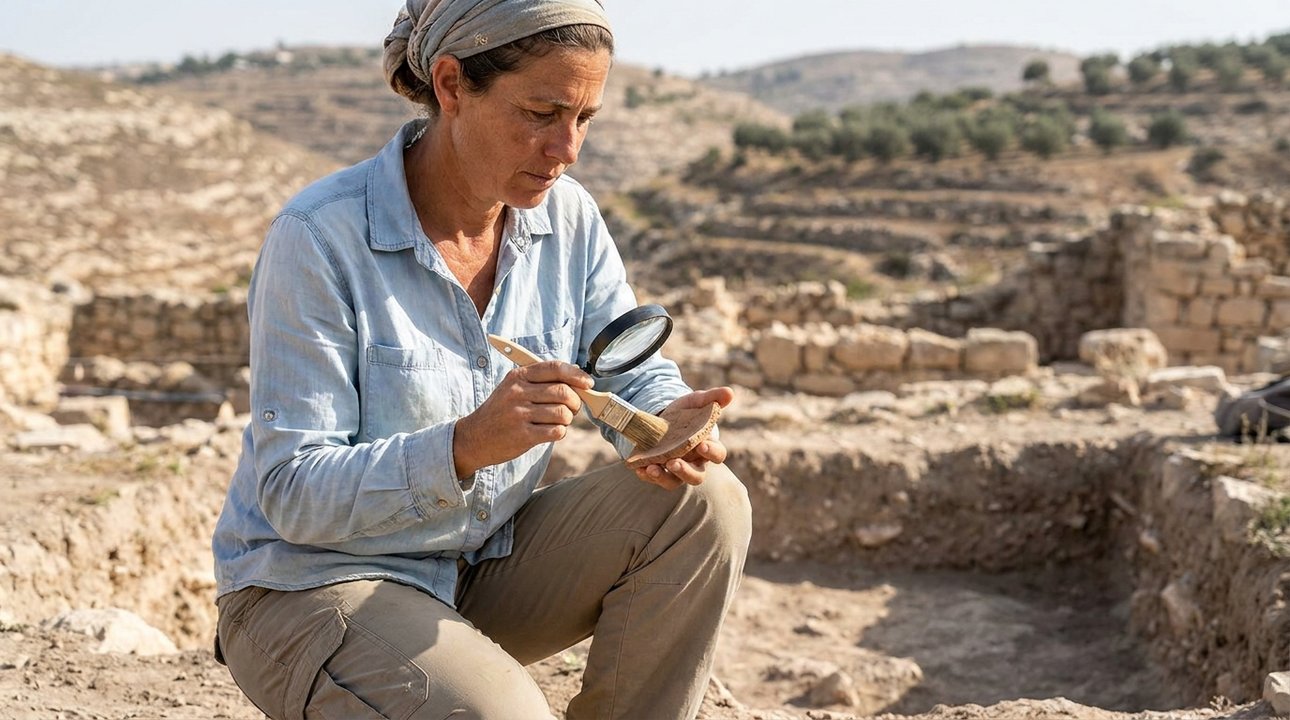
Modern-day Ziph, though largely unchanged in terrain, is part of larger archaeological and historical study programs. These efforts aim to uncover more about its past significance and how it influenced historical events. Excavations have revealed artifacts dating back to the Iron Age, providing tangible links to the era. Preserving its legacy is crucial for cultural and historical education.
These findings offer insights into the daily lives and practices of the people who once inhabited the region. The ongoing research at Ziph contributes to a deeper understanding of its role in history and its impact on the development of ancient societies.
The importance of Ziph in historical studies is underscored by ongoing research and exploration. Scholars from institutions worldwide collaborate to piece together the historical context of this region. Excavations and studies have revealed connections to other historical sites, enhancing our understanding of its role in the ancient world. The collaboration of experts brings new perspectives to the study of Ziph.
Through these efforts, Ziph continues to be a focal point for those seeking to connect with the history and traditions of Israel. The findings from Ziph contribute to a broader understanding of the cultural and historical landscape of the region, showing the lives of those who lived there. This ongoing research helps preserve the legacy of Ziph for future generations.
Conclusion: the Legacy of the Wilderness of Ziph
The narratives surrounding Ziph provide valuable lessons in perseverance and faithfulness. They offer enduring insights into the struggles and triumphs experienced by historical figures. David’s perseverance in the face of adversity is a sign of his unwavering leadership. These stories highlight David’s strategic decisions and reliance on guidance, showcasing his ability to navigate challenges.
This connection to the ancient past enhances our understanding of Jewish heritage and the cultural mosaic of history. Ziph serves as a reminder of the human spirit and the importance of perseverance in overcoming obstacles. By studying these narratives, we gain insight into the values and principles that have shaped Jewish identity over the centuries, enriching our appreciation of this culture.
The stories of Ziph highlight themes of perseverance, illustrating the challenges faced by historical figures. These narratives are still remembered by those who seek to understand the historical and cultural roots of Jewish tradition, offering valuable lessons for modern times.
Understanding the Wilderness of Ziph
