
Galatia Today: A Journey Through Time and Tradition


Galatia remains a subject of interest for people who want to connect ancient history to places they can visit today. This article offers a balanced and accessible overview for readers aged 55 and older. We will explain what the territory of ancient Galatia corresponds to now, point out towns and museums you can visit, and summarize the key historical facts in clear, short sections. The goal is practical: show how the past and present meet in central Anatolia.
This short guide mixes concise historical background with up-to-date guidance for visitors and readers curious about Galatia’s legacy. Rather than dwelling on dense academic discussion, it highlights tangible places, simple timelines, and what you can see today. Where helpful, conservative attributions such as “according to historians” are used to mark statements based on academic research.
from the Western Wall to Masada.

The name Galatia refers to the territory settled by Celtic-speaking peoples known as the Galatians. They arrived in central Anatolia in the centuries before the common era and created a lasting cultural presence. Over time, local traditions mixed with Greek and Roman customs. Archaeological finds—inscriptions, coins and temples—show this blending. For example, imperial inscriptions in Ankara reflect Roman administrative ties in the region; historians describe these sources as evidence of cultural and political integration.
What Was Galatia in Historical Context?
In short: ancient Galatia covered parts of what we now call central Turkey. The people called Galatians were of Celtic origin and settled the area in the centuries before the common era. Their presence is recorded by classical writers and by later Roman sources. The New Testament letter to the Galatians shows that early Christian communities also existed in the region; historians treat Paul’s epistle as an important historical document that helps us understand religious life and social questions in the 1st century CE. This connection to early Christianity is part of the historical record, not a religious claim.
The Geography of Galatia
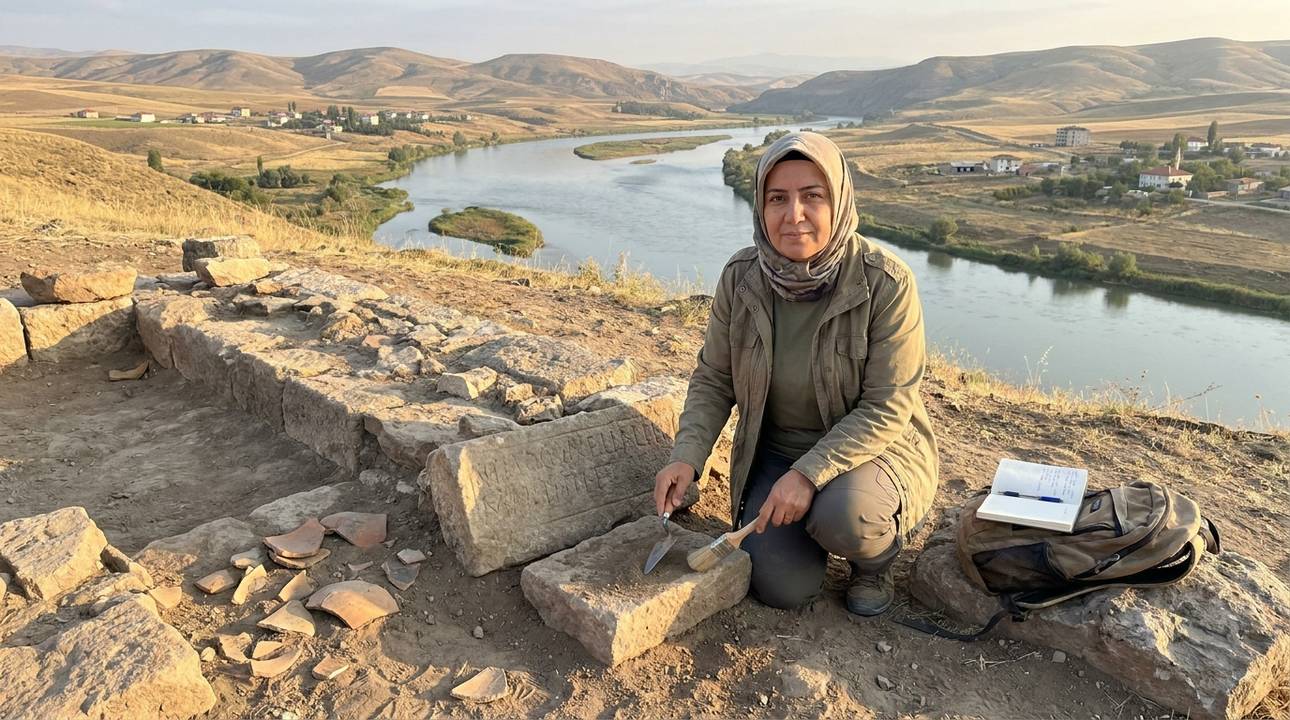
Geographically, ancient Galatia took in uplands and plains in central Anatolia. Today, that same general area includes the provinces around Ankara and parts of neighboring provinces such as Eskişehir, Çorum, Kırıkkale and Yozgat. The landscape has rolling hills, higher plateaus and river valleys. The Kızılırmak (historically called the Halys) runs through this broader region and was important for local agriculture and trade. Modern roads and rail links make much of the area accessible from Ankara, the capital city.
Because the territory sits in the heart of Anatolia, it connected different cultures and trade routes. This central position made the area strategically important in antiquity and shaped its cultural mix. Today the same location places several archaeological sites within easy day trips from Ankara.
Cultural Interactions and Influences
Galatia’s culture was not static. Local Anatolian customs mixed with Celtic traditions brought by settlers. Later, Hellenistic and Roman influences added Greek language, art and administrative forms. As a result, archaeological layers often show a blend of styles. Temples, funerary monuments and everyday pottery reflect this mix. For most modern visitors, this blend is visible in museum displays and excavation sites.
Religious practices in the region changed over time and combined older local deities with Greek and Roman ones. This is a historical pattern seen across Anatolia. When discussing religious history here, the aim is to give context, not to promote faith. The sources that record these practices are archaeological finds and writings that scholars analyze to reconstruct how people lived and worshiped.
The Galatians also took part in wider regional politics. They served as mercenaries for different Hellenistic rulers and later negotiated with Roman power. For example, the Roman campaigns in Anatolia in the 2nd century BCE brought the Galatians into direct conflict and negotiation with Rome; historians reference events around 189 BCE when Roman forces campaigned in the region, changing local power balances. Such events illustrate how Galatia was woven into larger geopolitical shifts.
Galatia in Modern Context
Today, the territory once called Galatia is part of the Republic of Turkey. Its historical legacy is visible through sites, museums and place names. Visitors and students of history can find tangible connections to the past without needing specialist knowledge. Below are practical points about what the area is like now and where to go if you are interested.
Main modern centers and access
Ankara, the national capital, sits roughly in the heart of the region associated with ancient Galatia. It is the largest modern city nearby and has the best transport links—airport, intercity buses and trains—making it a convenient base for visits to archaeological sites. Other provincial centers with connections to the ancient landscape include Eskişehir to the west, Çorum to the northeast and smaller towns such as Polatlı, which lies near Gordion, the ancient Phrygian capital often discussed in regional archaeology.
Museums and sites worth visiting
Museum of Anatolian Civilizations (Ankara). This museum holds objects from many periods of Anatolian history, including finds from central Anatolia that help explain the cultural layers of Galatia. It is a good starting point for visitors who want a compact, well-presented overview.
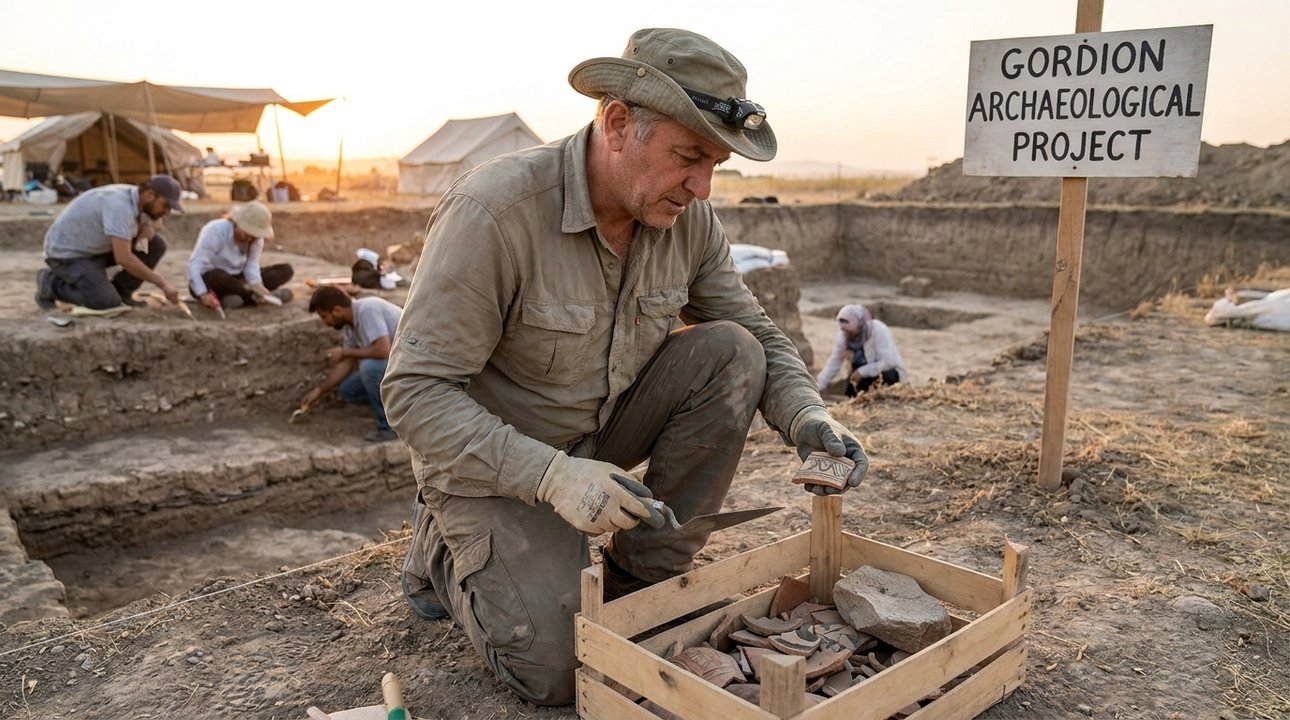
Gordion and related sites (near Polatlı). Excavations at Gordion have produced material that helps place Galatia in a wider Anatolian story. The site is open to visitors and includes a museum area with artifacts and explanations.
Pessinus (Ballıhisar). This site retains traces of ancient worship and civic life. Visitors can see ruins and displays that speak to local religious practice in antiquity.
from the Western Wall to Masada.
Local museums and provincial collections. Smaller local museums in towns and provincial centers often hold pottery, coins and inscriptions found nearby. These collections provide close-up views of everyday material culture and are easier to visit in shorter trips.
Practical visitor tips
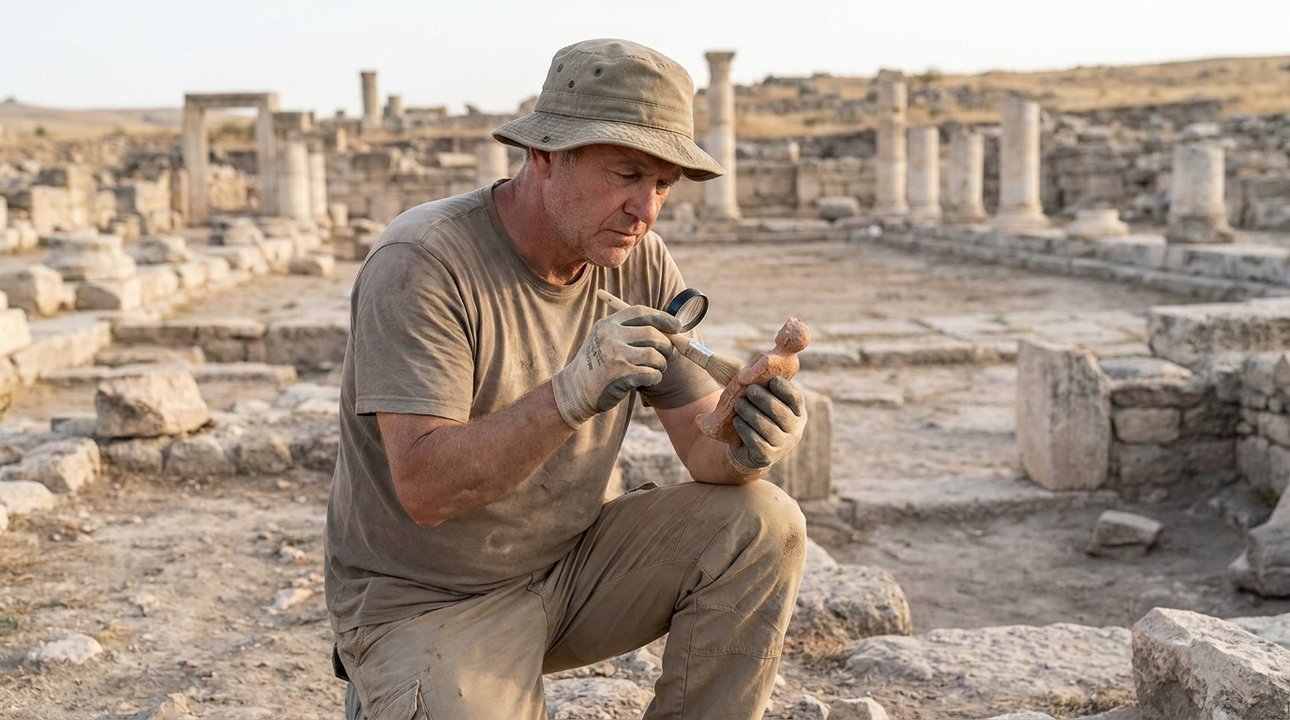
If you plan a visit, use Ankara as a base. Day trips to Gordion and Ballıhisar are feasible. Check opening hours for provincial museums and local site offices; they can vary by season. Bring sturdy shoes for uneven terrain at open sites. Local guides can add helpful context and point out features that are easy to miss on your own.
Historical References to Galatia
Classical writings and later historical sources mention the Galatians and their role in regional events. The New Testament letter to the Galatians is often cited by historians as a snapshot of social and religious tensions in the 1st century CE. Scholars use such texts along with archaeological evidence to build a more complete picture of local life and beliefs.
The epistle itself discusses questions of law and identity facing early Christian groups. Modern historians treat it as one part of a larger documentary and material record, which together illuminate the social fabric of the region during the Roman period.
Archaeological Insights into Galatia
Archaeology provides many of the clearest links between the ancient region and places visitors can see now. Excavations reveal settlement plans, fortifications, burial practices and everyday objects such as pottery and coins. These physical remains let researchers test and refine historical interpretations. For example, inscriptions and civic monuments help us understand how local communities adapted to Roman administration over time.
Ongoing fieldwork continues to refine our view of the region. Teams working at sites across central Anatolia publish findings that adjust earlier assumptions. Where dates or specific events are cited here, the phrasing “according to historians” or reference to archaeological publication is used to show that statements are based on current academic consensus rather than personal opinion.
Galatia’s Influence and Legacy
Galatia’s main legacy today is local: museums, excavation sites and a regional place in the history of Anatolia. Its story illustrates how migration, cultural contact and imperial rule shaped local societies. For many visitors, the interest lies in seeing how material remains link names from ancient texts to real places on a map.
As a modern note, cultural organizations and museums in Turkey preserve and present the finds. These institutions provide accessible explanations aimed at general audiences. If you are curious about Galatia, begin with a local museum in Ankara and plan one or two day trips to nearby archaeological sites to see the layers of history in person.
Closing remarks
Galatia today is best understood as a region where ancient and modern landscapes meet. The remains and museum collections are approachable for non-specialists. This article aims to guide older readers with clear, short sections and practical suggestions. For further reading, consult the linked sources and local museum publications, which offer reliable, detailed information.
This content is informational and neutral. It does not promote any charity or ask for donations. Lev Haolam is referenced only in image credits and link sources related to the article’s publication.
Galatia Historical Insights
