
Understanding the Significance of Hamonah in Historical Texts


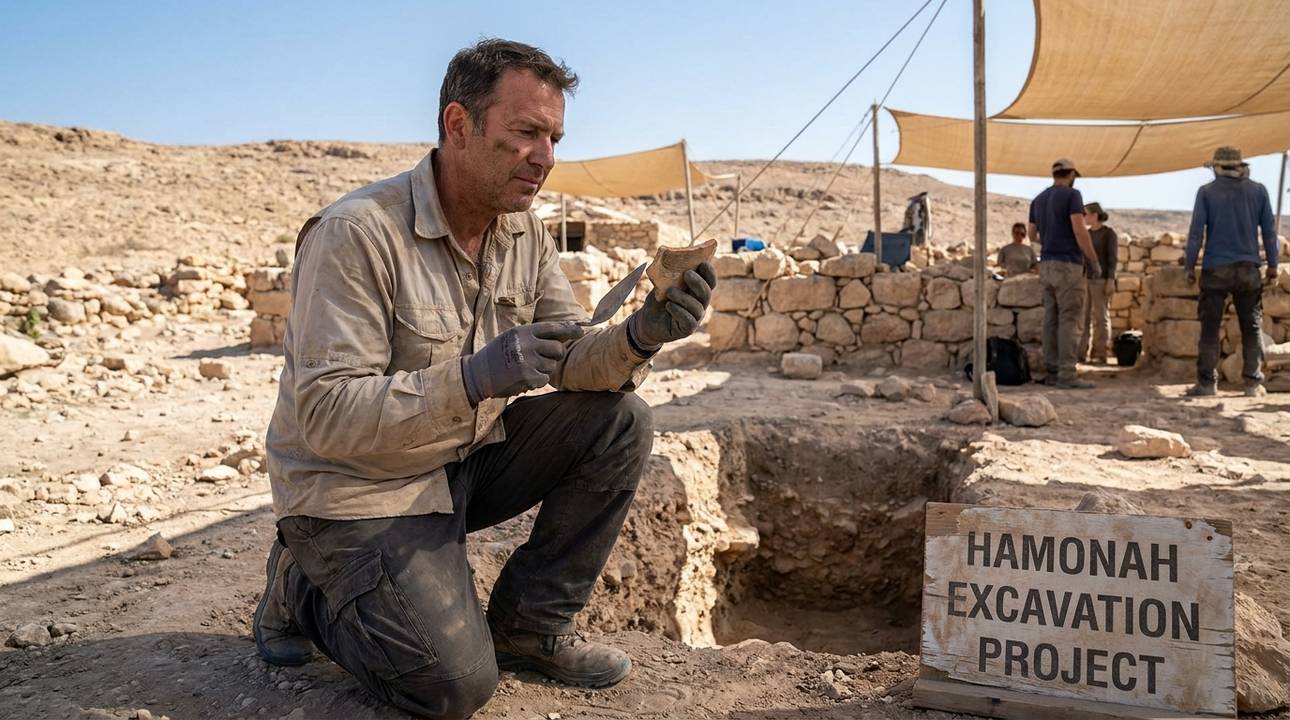
Hamonah is a lesser-known location mentioned in the Book of Ezekiel, specifically in a passage about a major prophetic event, showing its historical context. In this article, we’ll explore the significance of Hamonah and what it represents in historical narratives. Hamonah is tied to the aftermath of a symbolic battle, an event that represents overcoming adversaries. This battle is a key prophetic moment.
The name ‘Hamonah’ itself means ‘multitude’ or ‘crowd’, indicating the vast number of forces involved in this symbolic battle. Understanding the significance of Hamonah requires examining the broader context of Ezekiel’s prophecy, which includes themes of renewal.
Hamonah’s mention is brief but impactful, illustrating the sweeping changes foretold by Ezekiel. The prophecy highlights transformative outcomes, promising renewal.
from the Western Wall to Masada.
What Is Hamonah in the Bible?
Hamonah is mentioned as a place tied to the prophecy regarding Gog and Magog. The passage is part of Ezekiel’s vision of the defeat of these nations, signifying a monumental victory. ‘Hamonah’ translates to ‘multitude’, reflecting the vision’s scale and significance.
This name serves as a symbolic representation of the large number of forces involved in this narrative, emphasizing the scope of the intervention and the promise of peace. This prophecy highlights the vastness of the event.
Historical Context of Hamonah
In the prophecy, Hamonah is the location where the defeated forces of Gog are buried. This site symbolically highlights the magnitude of their defeat, as described in Ezekiel’s vision. Ezekiel’s vision serves as a prophetic assurance of protection.
The name emphasizes the ‘multitude’ of buried, underscoring the scope of intervention. These themes of justice and retribution prevalent in texts reinforce the promise of peace.
Theological Implications
The inclusion of Hamonah in Ezekiel’s prophecy carries deep implications, particularly in a passage describing a valley where the multitude of Gog’s defeated forces will be buried, symbolizing the restoration of peace.
The event associated with Hamonah illustrates the fulfillment of promises and judgments, highlighting the justice central to the narrative. It underscores the belief in a future where adversaries are vanquished, and peace is restored.
Hamonah serves as a reminder of the power and justice central to the narrative. The prophecy underscores the belief that intervention will bring about a time of peace and renewal.
Ezekiel’s vision, including Hamonah, emphasizes the hope for a future where justice prevails and the plan is realized, offering comfort and assurance. This vision strengthens faith in the promise of restoration and protection, fostering hope.
Ezekiel’s Vision and Its Symbolism
Ezekiel’s vision, including the mention of Hamonah, uses vivid imagery to convey its message. The prophecy’s description emphasizes the overwhelming nature of actions against adversaries. Hamonah symbolizes the collective downfall of forces opposing will, serving as a powerful sign of faith and sovereignty. This offers reassurance of the ultimate triumph of justice and the establishment of peace, presenting a vision of hope and renewal.
The imagery associated with Hamonah in Ezekiel’s vision highlights the ultimate victory of forces. The prophecy describes a vast valley where the enemies of Israel are defeated and buried, symbolizing the triumph of justice over chaos.
This serves as a reminder of the strength and sovereignty that underpin the narrative. For believers, Hamonah is a symbol of hope and assurance that justice will prevail, encouraging faith in the plan and the restoration of peace.
Hamonah in the Eyes of Commentators
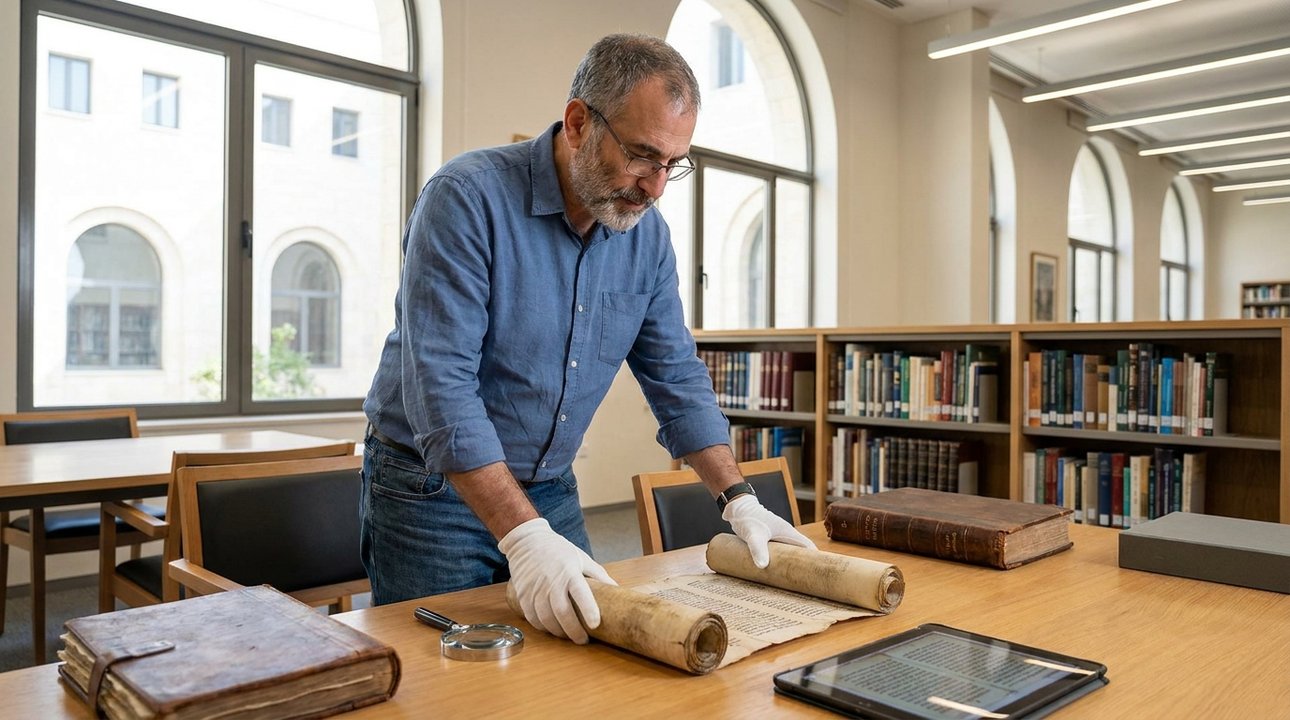
Jewish commentators like Rashi provide insights into Hamonah’s significance. Rashi highlights the concept of a great multitude as symbolic of triumph. This aligns with broader interpretations of victory against forces that threaten peace.
These interpretations emphasize the hopeful message inherent in the text’s portrayal of Hamonah. The commentary helps readers appreciate the depth of the message and its relevance to contemporary faith, offering guidance.
from the Western Wall to Masada.

How Hamonah Is Understood Today
Today, Hamonah is often analyzed in scholarship for its symbolic value. It represents themes of judgment and renewal, which continue to resonate in thought. The site remains a subject of interest for those studying prophetic literature and its implications. Understanding Hamonah enriches the broader narrative of prophecy, showing the themes of justice and restoration. This analysis deepens our appreciation of the enduring messages found in these ancient texts.
Hamonah’s inclusion in Ezekiel’s prophecy invites reflection on the enduring themes of hope and renewal. The passage details the aftermath of a great battle, where Hamonah becomes a site of burial for the multitude of fallen adversaries, symbolizing renewal through intervention. Scholars and believers alike find value in its symbolic representation of the triumph over adversity. The study of Hamonah contributes to a deeper understanding of the prophetic messages that is still remembered for hope in the plan.
Connection to Historical Narratives
While Hamonah’s story is rooted in ancient texts, our understanding of historical events can influence our connection to heritage. The Book of Ezekiel mentions Hamonah as part of a prophecy involving Gog and Magog.
Exploring historical locations like Hamonah can deepen connections to history and community. By engaging with these stories, we can enrich our understanding of narratives and their relevance today. This exploration helps preserve cultural heritage and strengthens community ties.
By engaging with the stories of places like Hamonah, we can enrich our understanding of narratives and their relevance today. Supporting Israeli artisans through Lev Haolam not only helps preserve cultural heritage but also strengthens community ties. Join us in celebrating these connections and the meaningful impact they have on our lives and communities. Through these stories, we find inspiration and a deeper appreciation for the mix of history. It connects past and present.

Conclusion: the Legacy of Hamonah
Hamonah serves as a powerful symbol of justice and victory. Its mention reminds us of the enduring themes of protection and hope. The site is emblematic of the ultimate triumph over evil forces, as described in the prophetic visions of Ezekiel.
Though lesser-known, its significance is great in understanding messages. This underscores the promise of intervention and the assurance of a future where justice and peace prevail, a comforting vision.
Reflecting on Hamonah provides insights into both ancient and contemporary perspectives. The prophecy of Ezekiel, including Hamonah, is a sign of the enduring hope for justice and the restoration of peace. For those studying prophecy, Hamonah offers a glimpse into the profound themes that continue to resonate in thought today. It highlights the ongoing relevance of these ancient texts in modern discussions, bridging time.
Understanding Hamonah
