
Unraveling the Mysteries of Havilah in Historical Maps
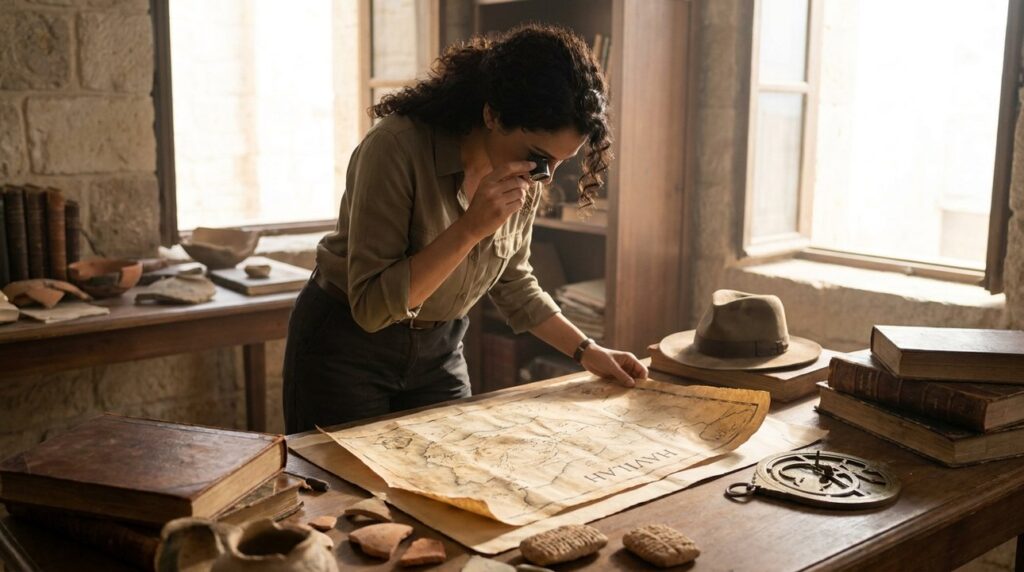

The land of Havilah appears in ancient texts, marked by its mention in Genesis and other writings. Described as a land abundant in gold and precious stones, it has sparked the curiosity of many. This region, rich in history and mystery, has intrigued scholars and enthusiasts alike.
The gold of Havilah is noted for its quality, and the presence of bdellium and onyx adds to its allure, drawing comparisons with other resource-rich areas of the ancient world.
We will delve into its depiction in historical maps and understand its place in ancient narratives. The mention of Havilah in historical texts also adds to its intrigue, as it was a region of strategic importance.
In ancient accounts, campaigns extended from Havilah to Shur, indicating the region’s breadth and significance in military strategy.
from the Western Wall to Masada.
What Is the Land of Havilah?
Havilah is first mentioned in ancient texts as a region encircled by the Pishon River. Described as a land rich in gold and precious stones, Havilah has captured the imagination of many.
The descriptions emphasize the area’s natural wealth and its allure for explorers and scholars alike. The mention of bdellium and onyx further enhances the region’s mystique, suggesting a place of both material and cultural importance.
While there is no definitive modern location, historical texts identify it as part of the region surrounding Eden. This area served as a backdrop for early stories. The Pishon River, one of the four rivers of Eden, adds to the mystery of Havilah, as its exact course remains unknown.
These rivers are described as watering the garden, suggesting a lush, fertile environment that has captivated imaginations for centuries.
Historical References and Significance
Havilah is depicted as abundant in resources, drawing attention to its importance in historical times. The mention of Havilah in the context of gold and bdellium highlights the wealth and prosperity associated with the land.
The gold of that region is described as good, adding a layer of intrigue and allure to its historical depiction. This portrayal of Havilah as a land of riches has fueled both scholarly interest and popular imagination throughout history.
Additionally, its location within the surrounding Eden area makes it a focal point in the narratives of creation. This connection to Eden, a place of perfection and creation, elevates Havilah’s significance in historical stories.
The land’s resources symbolize the richness and abundance intended for humanity in its earliest days. The association with Eden suggests a landscape of unparalleled beauty and fertility, integral to the historical vision of an ideal world.

Mapping Havilah: Historical Insights
The task of mapping Havilah has been challenging due to its limited mention in ancient texts. Some scholars propose locations in the Arabian Peninsula or northeast Africa based on geographical markers in the Bible.
These regions match descriptions of accessibility to the Pishon River and the resources mentioned. Theories often focus on the Arabian Peninsula’s historical trade routes, which could align with Havilah’s characteristics as a land of wealth and commerce.
Theories suggest that the Arabian Peninsula’s ancient trade routes might align with Havilah’s description. Archaeological finds of gold and precious stones in the area support this theory, offering tangible links to the historical narrative.
These discoveries continue to fuel scholarly debates about Havilah’s true location. The presence of such resources in the Arabian Peninsula has led some to speculate that Havilah was a center of trade and wealth in the ancient Near East.
Havilah in Post-Historical Thought
Over the centuries, Jewish thought continued to reference Havilah in discussions about Eden and early creation. The Talmud and Midrash often explore its significance, linking it to the abundance of the region described in ancient texts.
These texts provide insights into how Havilah was perceived in Jewish tradition. Rabbinic literature frequently associates Havilah with the richness and prosperity of the land, reflecting its symbolic importance in Jewish cultural memory.
Rabbinic texts include Havilah in the context of the world’s geography, often linking it to ideas of abundance and prosperity. This is seen in the writings of Rashi, who connects Havilah to the richness of the land promised to the descendants of significant historical figures.
Such interpretations highlight Havilah’s enduring place in Jewish thought. The emphasis on abundance and prosperity reflects the broader themes of provision and the prosperity associated with the land in Jewish tradition.
from the Western Wall to Masada.
Modern Interpretations
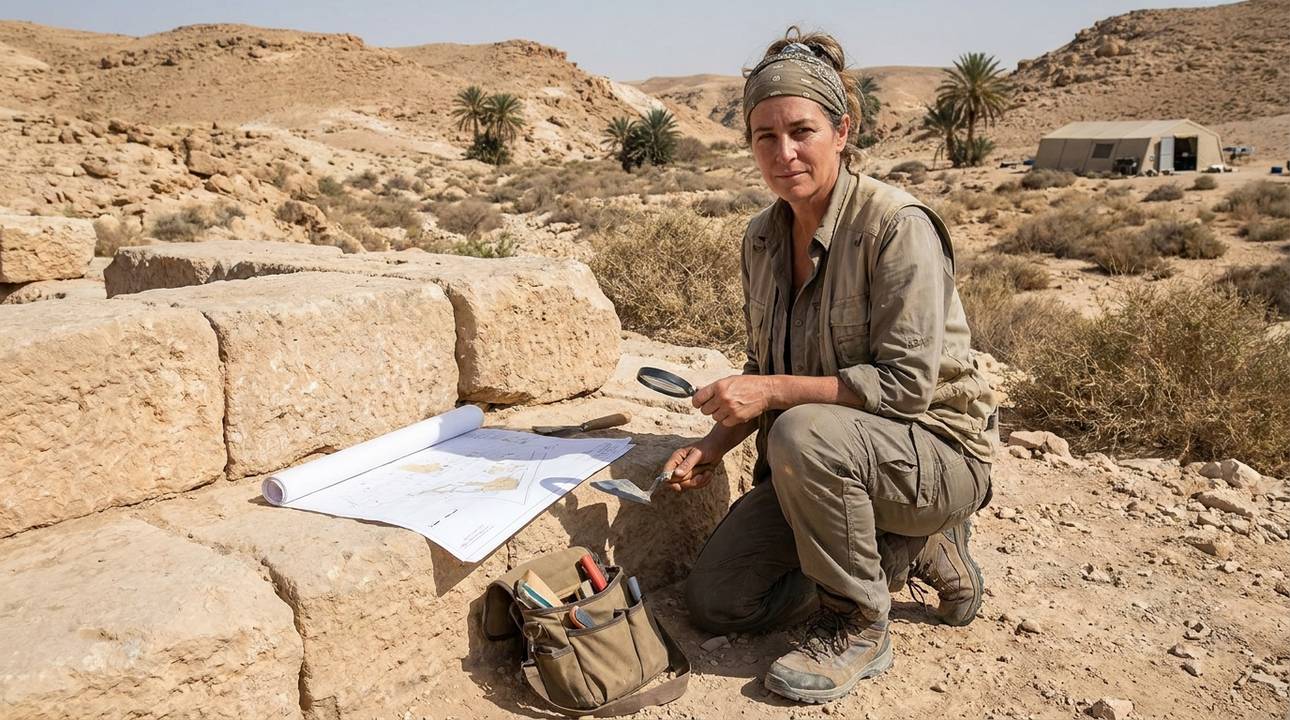
Today, Havilah remains a topic of interest for historians and archaeologists. The exploration of ancient texts alongside modern technology provides new theories about its potential location. Satellite imagery and geological studies are being used to trace the paths of ancient rivers like the Pishon.
Despite challenges, it continues to offer insights into the ancient world and its narratives. The ongoing research into Havilah’s location reflects a broader quest to understand the geographical context of historical events.
Significance in Cultural Memory
Culturally, Havilah’s mention in religious and historical texts cements its place in the shared history of many traditions. Historical texts list Havilah as a significant region, highlighting its early significance in human history. This genealogical mention ties Havilah to the broader narrative of humanity’s origins. The connection to historical figures associated with the regions of Africa and Arabia underscores Havilah’s role in the ancient world.
Its association with the origins of humanity and its potential wealth has made Havilah a symbol of mystery and history. This symbolism is further emphasized by its connection to the Pishon River, one of the four rivers of Eden, suggesting a land of prosperity and abundance.
These connections continue to captivate those interested in historical narratives.
Havilah’s Legacy in Modern Times
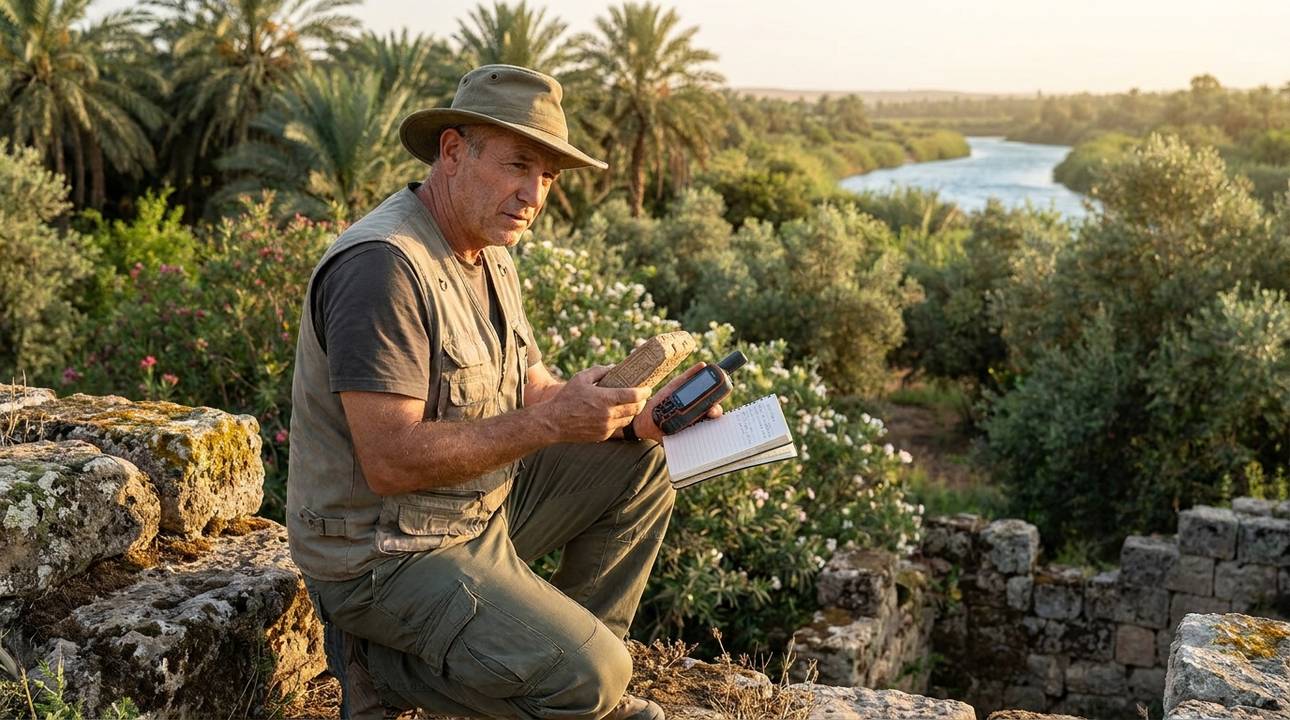
While the exact location of Havilah may remain uncertain, its impact on religious and cultural narratives is undeniable. Described as a land rich in gold, bdellium, and onyx stone, it has fascinated explorers and scholars alike. These resources symbolize the abundance and prosperity of the land. The allure of Havilah’s wealth is still remembered by those seeking to understand its role in historical narratives and its potential connections to real-world locations.
The stories and interpretations continue to connect people with historical narratives. This connection is further enriched by the mention of Havilah in historical texts, where it is noted as a boundary of significant regions. This reference adds a historical dimension, linking Havilah to the descendants of notable historical figures. The boundary’s mention underscores Havilah’s role in the broader narrative of historical figures and their descendants.
Conclusion: the Timeless Interest in Havilah
The land of Havilah, as depicted in historical maps, intrigues and invites enquiry. Though its precise location may be elusive, its presence in religious texts ensures its ongoing relevance. Described as a land rich in gold and precious stones, it sparks curiosity.
As we explore its potential meanings and locations, we continue a journey that spans centuries, bridging past and present understanding.
Theories about Havilah’s location range from the Arabian Peninsula to parts of Africa, based on geographical clues and historical descriptions. This ongoing quest to pinpoint Havilah reflects our desire to connect with ancient narratives.
The search for Havilah is not just about finding a place on a map but understanding a piece of our shared history. The mystery surrounding its location continues to captivate those interested in the intersection of historical texts and geographical studies.
Understanding Havilah
