Exploring the Historical and Spiritual Significance of the Hinnom Valley


The Hinnom Valley, situated near Jerusalem, is steeped in a rich and complex history deeply embedded within ancient texts. Historically, it was known as Gehenna, a place associated with idolatrous practices, including child sacrifice. Over time, it became a symbol of moral and ethical consequences, illustrating the importance of righteous paths.
Jewish lore highlights the valley’s profound transformation. It shifted from a site of prohibited practices to a representation of moral consequences. This change is reflected in various writings, using it as a metaphor for ethical retribution. The valley’s story is one of redemption and transformation, themes that resonate deeply within Jewish teachings.
What Is the Hinnom Valley?
The Hinnom Valley is first mentioned as a geographic location outside the ancient city of Jerusalem. Historically, it was a place where forbidden religious rituals, such as sacrifices to foreign idols, were performed.
This area, southwest of the city, has been an important physical and symbolic landmark for centuries. Known in Hebrew as ‘Gei Hinnom,’ it played a role in the lives of ancient inhabitants and the shaping of cultural narratives. It was a site of significant cultural and religious activity.
from the Western Wall to Masada.

The name ‘Hinnom’ evolved into ‘Gehenna’ over time, representing ideas of judgment and moral consequences. This transition highlights its lasting impact on religious texts.
Its dark history served as a backdrop for teachings on the importance of ethical living. The transformation into a symbol of judgment reflects the enduring impact of its narrative on Jewish thought. The Hinnom Valley remains a reminder of the need for ethical living.
The Hinnom Valley in Historical Texts
The Hinnom Valley is referred to as a setting of moral and ethical lessons. It appears in narratives condemning idol worship and emphasizing the severe consequences of such actions.
It is cited in admonitions against the practices of child sacrifice, linking it with warnings and cultural disfavor. This association firmly established its place as a symbol of what was both culturally and ethically unacceptable.
Through these stories, the valley became emblematic of the need for ethical living and renewal, a theme that persisted into later Jewish teachings. The warnings served as a call to return to righteous paths, emphasizing the importance of following ethical principles.
In Jewish tradition, its history is a reminder of the consequences of straying from these paths. The Hinnom Valley’s narrative became a tool for teaching future generations about the importance of adhering to moral and ethical principles.
Symbolic Evolution of the Hinnom Valley
Over time, Jewish thought reinterpreted the Hinnom Valley, moving from its dark past towards a theme of purification. This evolution is evident in rabbinic literature, where it symbolizes a place of refinement and moral transformation. In the Talmud, Gehenna is discussed as a place where souls are purified before entering paradise.
The concept of Gehenna, rooted in this valley, emerged in Jewish teachings as a metaphor for divine judgment and the afterlife. Unlike later interpretations of hell, Gehenna was seen more as a temporary process of purification, reflecting a belief in the potential for redemption.
This reflects the enduring message of hope and redemption, emphasizing the potential for spiritual growth and the restoration of righteousness. The teachings about Gehenna highlight a compassionate view of divine justice, where punishment is not eternal but serves as a means to achieve spiritual cleansing.
The Hinnom Valley’s transformation in Jewish thought underscores the belief in second chances and the possibility of returning to a state of grace. This perspective encourages individuals to strive for personal improvement and ethical living, resonating with themes of renewal and transformation.
Hinnom Valley and Jewish Tradition
Within Jewish tradition, the Hinnom Valley’s narrative emphasizes moral teachings. Ancient rabbis used its history to discuss themes of repentance and the consequences of moral failings, as seen in the Midrash. They taught that while the valley represented judgment, it also symbolized mercy and the chance for repentance. This duality is reflective of deeper Jewish faith principles-a balance between justice and compassion. By understanding these traditions, one appreciates the mix of Jewish spiritual thought and its historical contexts. The teachings associated with the Hinnom Valley remind us of the importance of seeking forgiveness and striving for moral integrity.
The valley’s narrative is a powerful tool for illustrating the potential for personal growth and transformation. In the Talmud, discussions about Gehenna often focus on the idea that even those who have erred can find a path to redemption.
This perspective encourages individuals to reflect on their actions and seek ways to improve themselves. The Hinnom Valley’s story serves as a reminder that while judgment is a part of life, so too is the opportunity for renewal and forgiveness. It underscores the belief in the possibility of returning to a righteous path.
from the Western Wall to Masada.

The Hinnom Valley in the Present Day
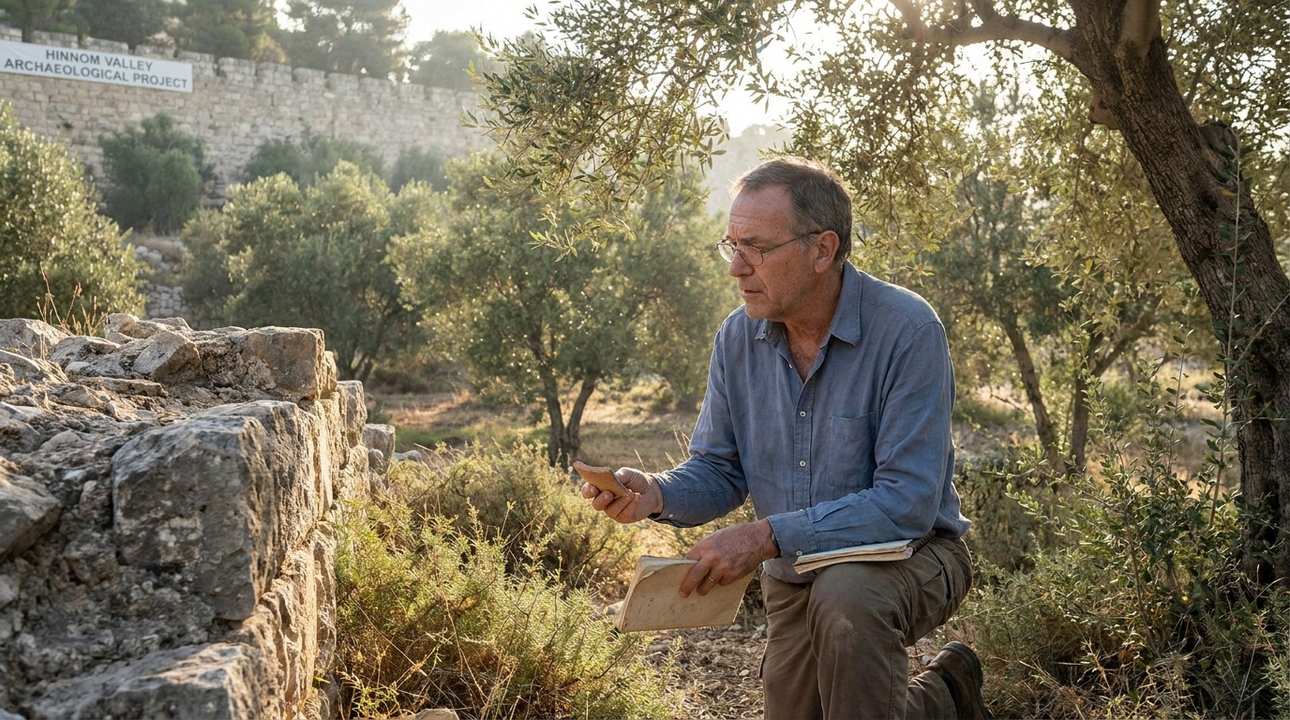
Today, the Hinnom Valley is a peaceful park, offering scenic views and a quiet retreat from city life. It serves as a reminder of its multifaceted history and the spiritual themes it has encompassed. Visitors can find remnants of ancient terraces and artifacts that hint at its past significance, including pottery shards dating back to the First Temple period.
Its transformation from a site of historical narrative to a serene ecological space speaks to enduring themes of redemption and change. While its past may be complex, the Hinnom Valley remains a significant cultural and historical landmark for both scholars and the public.
Its presence invites reflection on the power of nature to heal and transform. The valley’s history is a sign of both the land and the people who have lived near it. It stands as a symbol of the potential for renewal and the enduring impact of historical stories. For those who visit, the Hinnom Valley offers a space to connect with the past while enjoying the tranquility of the present. It is a place where history and nature coexist, inviting contemplation on the themes of redemption and transformation that have defined its narrative for centuries.
Cultural Perspectives on the Hinnom Valley
Throughout history, the Hinnom Valley has been perceived through various cultural lenses. Its transformation from a place of moral caution to a symbol of renewal reflects broader societal changes. In artwork and literature, the valley is often portrayed with themes of judgment and transformation, as seen in works by medieval Jewish poets.
These interpretations contribute to a richer understanding of how traditions perceive spaces of spiritual significance. Exploring these cultural perspectives underscores the valley’s role in shaping conversations around faith, history, and humanity’s dynamic relationship with the divine.
The valley’s story is a sign of the enduring power of places to inspire and provoke thought. Its narrative has been woven into the fabric of Jewish cultural and spiritual life, serving as a reminder of the lessons learned from its history. As a symbol of both judgment and renewal, the Hinnom Valley offers insights into the complexities of human experience. It encourages reflection on the ways in which spaces can hold meaning and influence our understanding of moral and ethical principles. The valley’s legacy continues to resonate in contemporary discussions of faith and spirituality.

Hinnom Valley and Its Retrospective Influence
Reflecting on the Hinnom Valley’s legacy reveals its prominence in shaping theological and philosophical discourse. The valley is mentioned in the Talmud, where it serves as a backdrop for discussions on morality and justice. Scholars and thinkers have long been inspired by its narrative, which offers insights into the nature of repentance and redemption. The continued scholarly interest in the Hinnom Valley highlights its ongoing relevance to understanding historical narratives and their interpretations. By exploring its impact, we see how ancient stories can resonate and evolve, offering new insights into the complex mix of beliefs and ethical paths.
The valley’s story encourages reflection on how historical events shape contemporary thought. Its narrative serves as a link between past and present, illustrating the timeless nature of its themes. The Hinnom Valley’s legacy is a reminder of the enduring power of stories to influence and inspire. It challenges us to consider the ways in which our own experiences are shaped by the narratives we inherit. Through its history, the valley invites us to reflect on the importance of moral integrity and the potential for personal and spiritual growth.
Understanding the Hinnom Valley