The Story and Significance of Jabesh Gilead


Jabesh Gilead holds a unique position in historical narratives as a town with deep connections to significant events in the history of Israel. Located east of the Jordan River, it is mentioned in the context of the tribe of Manasseh’s territory.
This article delves into its geographical importance and cultural impact. Its role in events like the rescue by Saul and the burial of Saul and his sons highlights its strategic and emotional significance.
The town’s loyalty to Saul, demonstrated by retrieving his body from the Philistines, is a sign of its legacy. Jabesh Gilead’s strategic location made it a key player in the tribal alliances and conflicts that shaped Israel’s history. Its presence in historical accounts underscores its role as a center of loyalty, reflecting the broader themes of kinship and redemption.
from the Western Wall to Masada.
What Is Jabesh Gilead?
Jabesh Gilead was a town located east of the Jordan River in the region known as Gilead. This area is frequently mentioned as a place of refuge and strategic importance. The town played a notable role in several historical accounts, such as those found in the Books of Judges and Samuel. It is remembered for its bravery, particularly during the rescue of Saul’s body, and for its ties to the tribe of Benjamin. These stories highlight Jabesh Gilead’s legacy in Israel’s history.
Jabesh Gilead’s strategic location made it a key player in the tribal alliances and conflicts that shaped Israel’s history.
Its presence in historical accounts underscores its role as a center of loyalty.
These narratives reflect the broader themes of kinship and redemption that are central to the text.
Historical References to Jabesh Gilead
One of the earliest mentions of Jabesh Gilead is in historical accounts. The town’s inhabitants did not join the assembly at Mizpah, which was a significant gathering of the Israelite tribes.
This absence led to severe repercussions, as the Israelites took vengeance on Jabesh Gilead, sparing only the virgin women. These women were given to the tribe of Benjamin, which had been nearly wiped out in a civil war.
This event highlights the complexities of tribal alliances and conflicts in Israel.
The decision to spare the women of Jabesh Gilead was crucial in rebuilding the tribe of Benjamin.
This narrative underscores the intricate dynamics of justice and mercy in the tribal society of Israel.
The story also reflects the broader themes of survival and continuity that are woven throughout the text.
Jabesh Gilead in Saul’s Time
Jabesh Gilead faced a dire threat from Nahash the Ammonite, who besieged the town with harsh conditions. Nahash demanded that every man have his right eye gouged out, a humiliation meant to weaken and subdue the town.
Upon hearing of their plight, Saul rallied the Israelites to their aid. His successful rescue of Jabesh Gilead not only saved the town but also solidified his leadership.
This victory marked a crucial moment in Saul’s reign, uniting the tribes of Israel under his command.
The rescue demonstrated Saul’s ability to inspire and lead the Israelites in times of crisis.
Jabesh Gilead’s gratitude to Saul was later shown when they retrieved his body from the Philistines.
These events highlight the town’s important role in the early monarchy of Israel, reflecting themes of loyalty and leadership.
Later, in 1 Samuel 31, the brave men of Jabesh Gilead performed a courageous act by recovering the bodies of Saul and his sons from the Philistines. They traveled overnight to Beth-shan, where the bodies were displayed, and brought them back for a proper burial.
This act of loyalty was in gratitude for Saul’s past assistance to their town, as recounted in 1 Samuel 11. Their brave deed ensured that Saul and his sons received the honor and respect they deserved, reflecting the town’s enduring gratitude and highlighting the bond between Saul and Jabesh Gilead.
Geographical Significance of Jabesh Gilead
Jabesh Gilead was strategically positioned in the Gilead region, known for its rugged terrain and its role as a buffer zone. The region is mentioned as a place of refuge.
Its natural defenses made it a stronghold against invasions, while its location facilitated cultural exchange among tribes. The terrain provided protection, and its strategic position allowed for trade and communication, making it a vital part of the tribal network in the region.
This area was a crossroads for various tribes, enhancing its significance in historical narratives. The Gilead region’s mention highlights its importance.
Jabesh Gilead’s role in these stories illustrates its enduring presence in the cultural and historical fabric of Israel.
Cultural and Historical Impact
Throughout the narrative, Jabesh Gilead is portrayed as a town of loyalty. During the civil conflict in Israel, the town’s actions were pivotal, particularly in the restoration of the tribe of Benjamin.
Moreover, Jabesh Gilead’s role in the story of Saul, Israel’s first king, is significant. After Saul’s death, the town’s inhabitants bravely retrieved his body from the Philistines.
These acts underscore the themes of redemption and kinship that are woven throughout Israel’s history.
from the Western Wall to Masada.
The town’s loyalty to Saul and its role in the restoration of Benjamin highlight its legacy. Jabesh Gilead’s actions reflect the broader themes of community and solidarity. These narratives contribute to our understanding of the social and political dynamics of Israel.
Jabesh Gilead Today
Today, the precise site of ancient Jabesh Gilead remains a topic of debate among archaeologists and historians. Some suggest it might be near modern-day Tell Maqlub or Tell Abu al-Kharaz.
These areas have yielded artifacts indicating a significant settlement, yet the exact location is still uncertain.
The ongoing debate highlights the challenges of reconstructing ancient histories from limited evidence, but it also underscores the importance of Jabesh Gilead in understanding the cultural and historical landscapes of Israel.
Archaeologists hope that future excavations will provide more definitive evidence. The search for Jabesh Gilead is part of a broader effort to map the ancient world. This quest not only seeks to locate a historical site but also to connect modern readers with the history of Israel.
The search for Jabesh Gilead’s exact location continues to intrigue scholars and enthusiasts alike. Each discovery adds a piece to the puzzle of Israel’s past. The artifacts found in the suggested sites provide clues about the town’s role and significance.
Pottery and tools unearthed suggest trade links with nearby regions, reflecting its economic role. This quest not only seeks to pinpoint a geographic location but also to deepen our understanding of the historical and cultural dynamics that shaped the world.
The town’s mention, where Saul rescues it from the Ammonites, underscores its strategic importance. Jabesh Gilead’s location in the Gilead region, known for its rugged terrain, offered natural defenses against invasions.
The ongoing archaeological efforts aim to connect these historical accounts with physical evidence, enriching our comprehension of the ancient world.
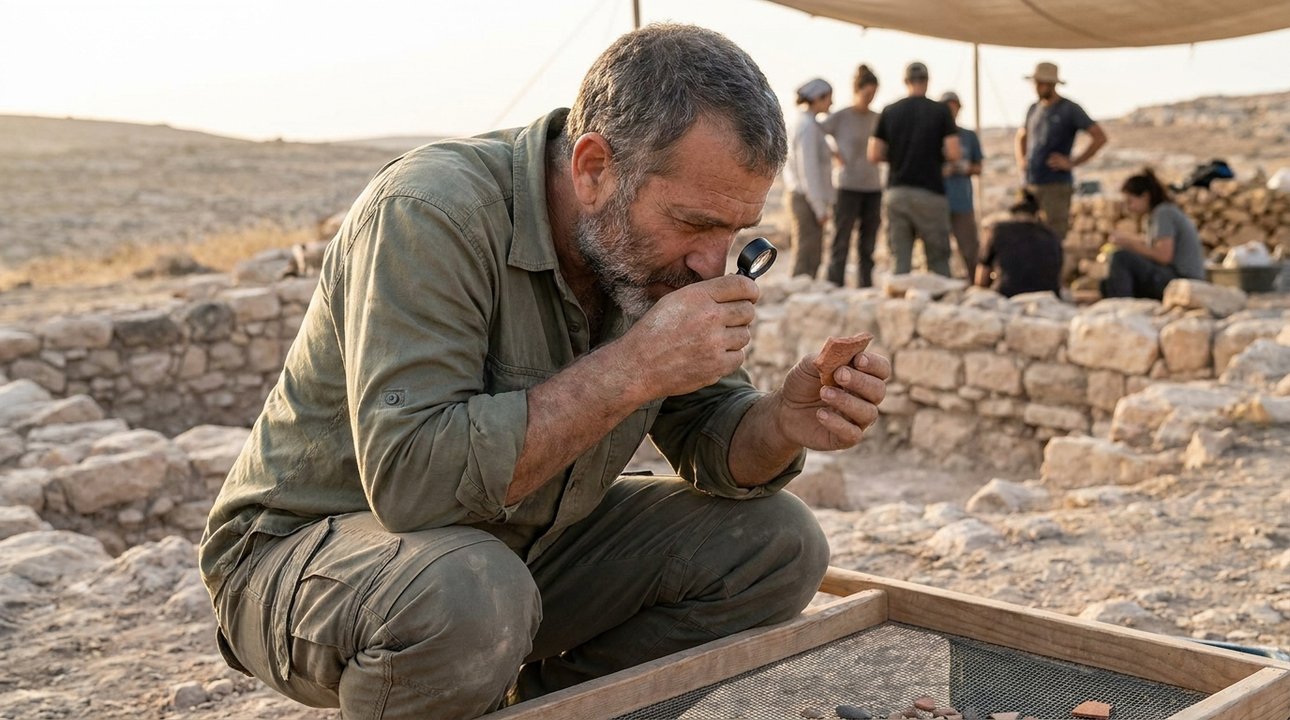
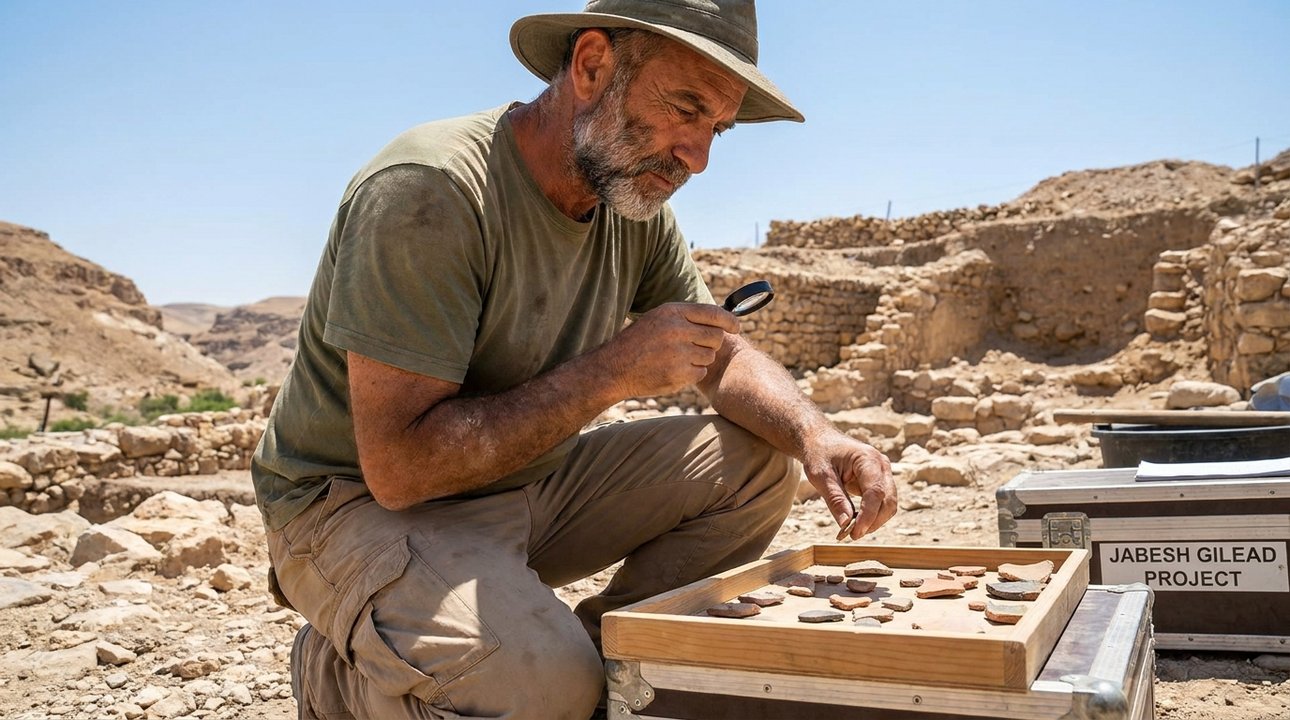
Modern explorations and excavations in the region of Jabesh Gilead continue to reveal insights into the daily life and significance of this site. Archaeologists have unearthed pottery and tools that suggest a thriving community existed there.
These findings, including artifacts from the Iron Age, contribute to a fuller picture of the socio-economic conditions during those times.
The ongoing interest in understanding Jabesh Gilead’s complete history reflects a curiosity about its role in ancient narratives and its impact on the cultural landscape of Israel.
The discoveries at Jabesh Gilead offer a glimpse into the past, revealing how communities lived and interacted. The pottery styles and tools found suggest trade and cultural exchanges with neighboring regions.
Such archaeological work helps historians piece together the daily lives of the people who once inhabited this significant site.
The artifacts provide tangible connections to the stories and events described in the Bible, enhancing our understanding of the historical context in which these narratives unfolded.
The site’s proximity to the Jordan River likely facilitated trade and communication with other regions.
The variety of artifacts found indicates a community engaged in diverse economic activities.
These findings not only illuminate the town’s economic role but also its cultural interactions, painting a fuller picture of life in Israel.
Common Questions