
Discovering the Role of Kue in Historical Contexts
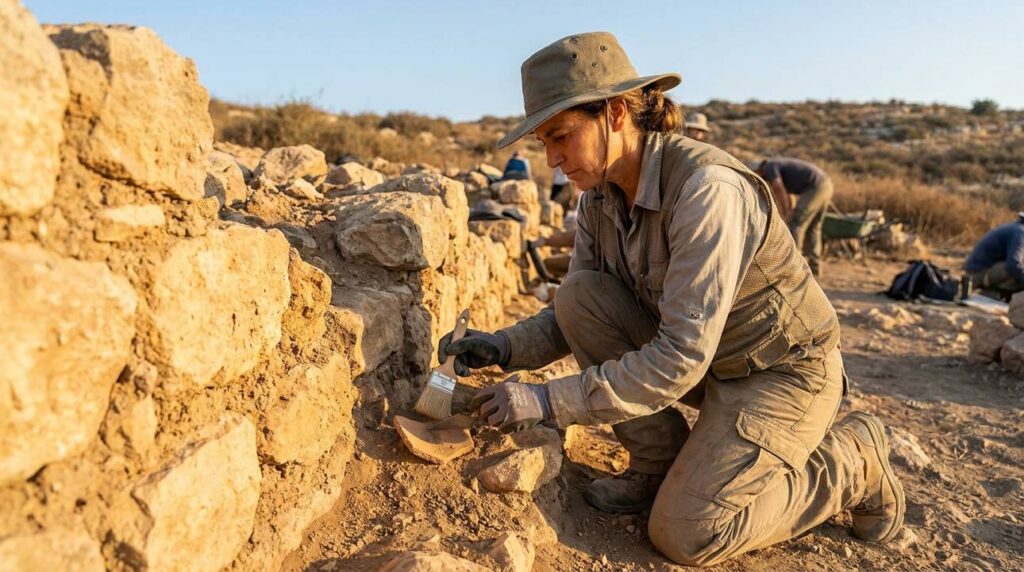

Kue is a lesser-known location mentioned in ancient texts, yet it holds substantial significance in understanding historical geopolitics. Kue was a source of horses, highlighting its role in trade and military supply. This article explores Kue’s place in history, revealing its cultural and geographic importance. Located in what is now modern-day Turkey, Kue was part of the ancient region of Cilicia, known for its fertile lands and strategic position. As we delve deeper into its past, we’ll uncover the stories and events that shaped its narrative. The area was historically significant due to its position along key trade routes that connected the Mediterranean with the Near East. This made Kue a mix of cultures and a focal point for various empires, including the Hittites and later the Assyrians. Understanding Kue’s role in these ancient geopolitical dynamics helps us appreciate its impact on the history of the region.
What Is Kue in the Bible?
Kue is often identified with the region of Cilicia in modern-day Turkey. Known for its fertile lands, Kue was a region pivotal for ancient trade and military campaigns. Kue is referenced in connection with trade routes, underscoring its economic importance.
This region’s strategic location made it a significant player in the interactions between Mesopotamia and the Mediterranean. The fertile plains of Cilicia allowed for the cultivation of crops that supported both local populations and trade with distant regions.
Understanding Kue helps contextualize various historical events and their broader geopolitical backdrop. Ancient texts hint at Kue’s involvement in broader historical movements without providing detailed narratives, making archaeological discoveries crucial for further insights.
Artifacts found in the area, such as pottery and inscriptions, offer glimpses into the daily lives of its inhabitants and their interactions with neighboring cultures. These discoveries help fill in the gaps left by historical texts, providing a more complete picture of Kue’s role in the ancient world.
The Geography of Kue
Historically identified as part of Cilicia, Kue’s geography played a critical role in its influence. Nestled between mountain ranges and the sea, this area’s fertile valleys were conducive to agriculture. The region’s climate, with its mild winters and warm summers, supported a variety of crops, making it a vital agricultural hub.
Kue’s location served as a bridge connecting various ancient cultures, such as the Hittites and Assyrians, facilitating cultural and economic exchanges. Its political landscape was shaped by its proximity to major empires, making it a frequent target for conquests.
Understanding the geography of Kue provides deeper insights into its history, enabling us to appreciate its role in shaping the narratives found in historical accounts. The mention of Kue highlights its involvement in trade routes, underscoring its strategic importance in the region. The constant flux of power in the area often led to shifts in control, influencing the cultural and economic development of Kue. This dynamic environment contributed to the mix of history that is reflected in both archaeological finds and historical stories.
Historical References to Kue
Kue is associated with trade, specifically regarding wealth and resources. This reference alludes to the area’s economic vitality and its role in the commodities exchange of the era. The mention of horses from Kue highlights its importance in supplying military resources.
The historical mention of Kue highlights its significance as a trade hub, linking it to other prominent regions through commerce and cultural exchanges. The strategic location of Kue made it a key player in the trade networks of the ancient Near East.
The mention of Kue, albeit brief, suggests a thriving economic center that contributed to the prosperity recorded in historical narratives. This economic activity likely played a role in the political alliances and conflicts of the time.
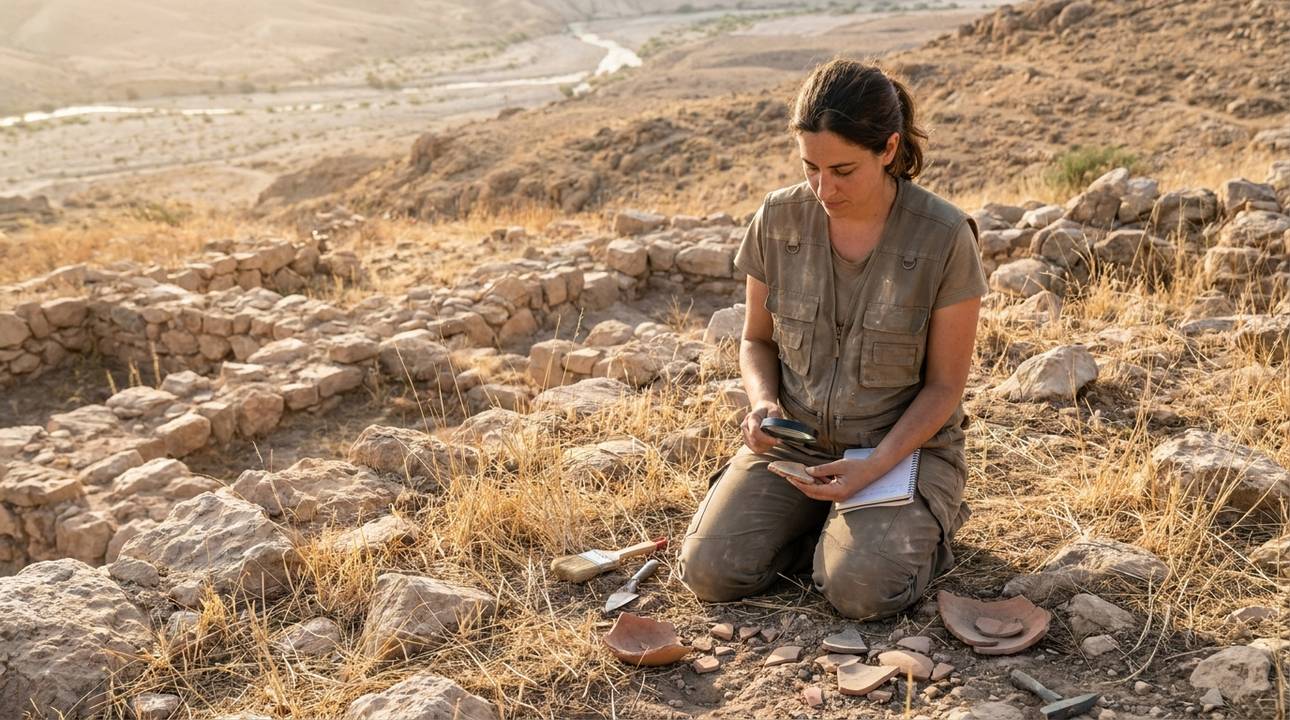
Artifacts such as trade goods and inscriptions found in the region provide evidence of Kue’s involvement in these networks. By examining these materials, historians can better understand the economic and political dynamics that shaped the ancient Near East and the stories found in historical texts.
Kue in Historical Context
Kue’s historical context is enriched by its involvement in regional trade and politics. As a land bridging eastern and western empires, it frequently found itself entangled in the politics of major powers, including the Hittites and Assyrians. The Hittites, known for their advanced metallurgy and military prowess, often interacted with Kue in their expansion efforts.
These interactions shaped Kue’s cultural and economic developments, influencing its portrayal in historical texts. Over time, shifts in power affected its role and presence in historical documents.
The Assyrian Empire, for instance, left a significant mark on Kue, incorporating it into their administrative system. Studying these dynamics provides a fuller picture of Kue’s historical impact and its strategic importance in antiquity. The region’s history is a sign of the complex web of alliances and conflicts that defined ancient geopolitics. By examining the interactions between Kue and these empires, historians can better understand the broader historical context of the narratives and the world in which they were set.
Kue’s Legacy in Archaeology
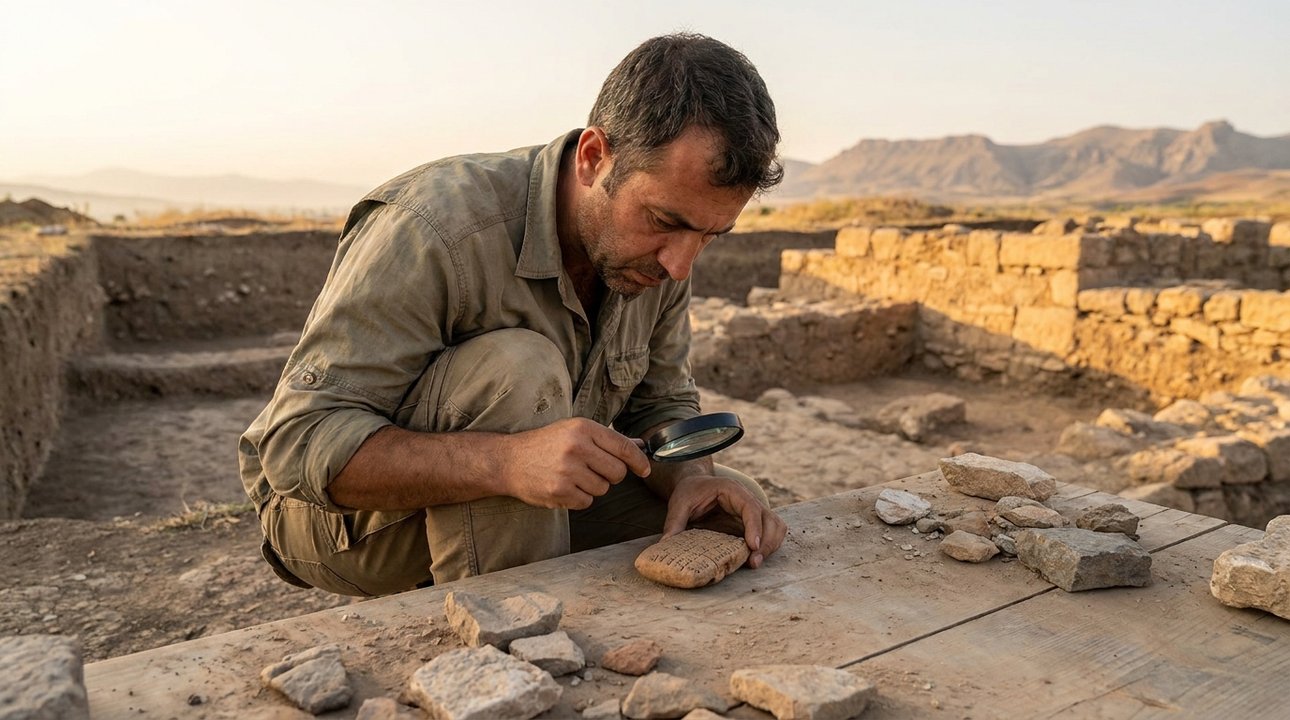
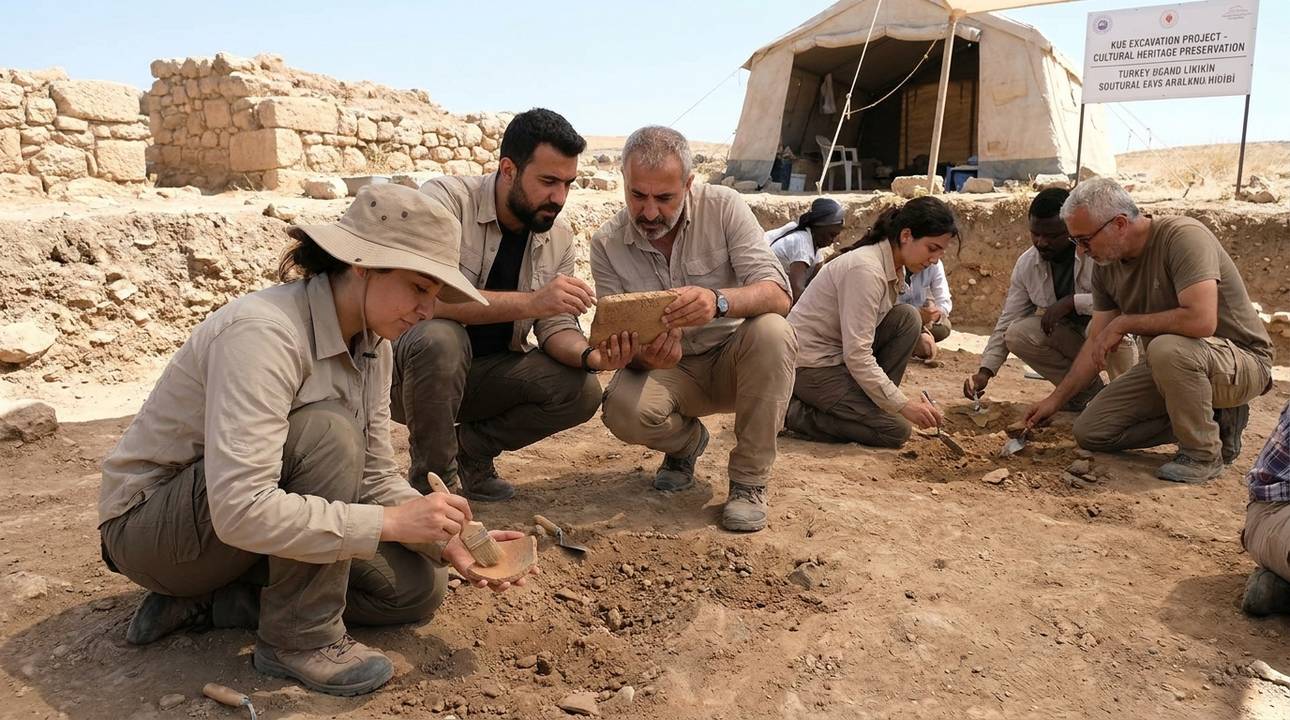
Archaeological evidence from the area identified with Kue offers insights into its ancient lifestyle. Excavations have revealed artifacts that indicate a culture influenced by diverse civilizations. For example, pottery shards and tools found at these sites suggest trade and cultural exchanges with neighboring regions. These findings help corroborate historical references, giving credence to historical narratives while uncovering new aspects of life in Kue. The discovery of inscriptions in ancient languages such as Hittite and Luwian further supports the idea of a culturally diverse population.
Research continues to uncover more about Kue’s history, offering glimpses into its past significance and its influence on surrounding regions. By studying these artifacts, historians gain a better understanding of the complex interactions that shaped the ancient world.
The presence of Assyrian and Hittite artifacts in Kue indicates its involvement in regional power dynamics. These discoveries provide valuable context for the historical narratives and help paint a more comprehensive picture of the historical landscape in which these stories unfolded.
Kue Today: Archaeological and Historical Studies
Modern archaeology in the region formerly known as Kue seeks to unearth its history and validate historical texts. Excavations have uncovered remnants of ancient settlements, providing evidence of the area’s history. Ongoing studies aim to uncover more about the area’s role in ancient economies and societies. Researchers focus on artifacts such as pottery and inscriptions that offer insights into the daily lives of its inhabitants. These discoveries help bridge the gap between historical accounts and historical evidence, enriching our understanding of the past.
Discoveries made in this region continue to shape our understanding of ancient trade networks and geopolitical dynamics. For instance, the presence of Assyrian and Hittite artifacts suggests Kue’s involvement in regional power struggles.
Today’s research often focuses on correlating historical texts with tangible evidence, painting a clearer picture of the past. By connecting archaeological finds with historical references, scholars are piecing together a more comprehensive history of Kue and its surroundings. This work helps preserve the legacy of ancient cultures for future generations.
Summary: the Significance of Kue in Historical Studies
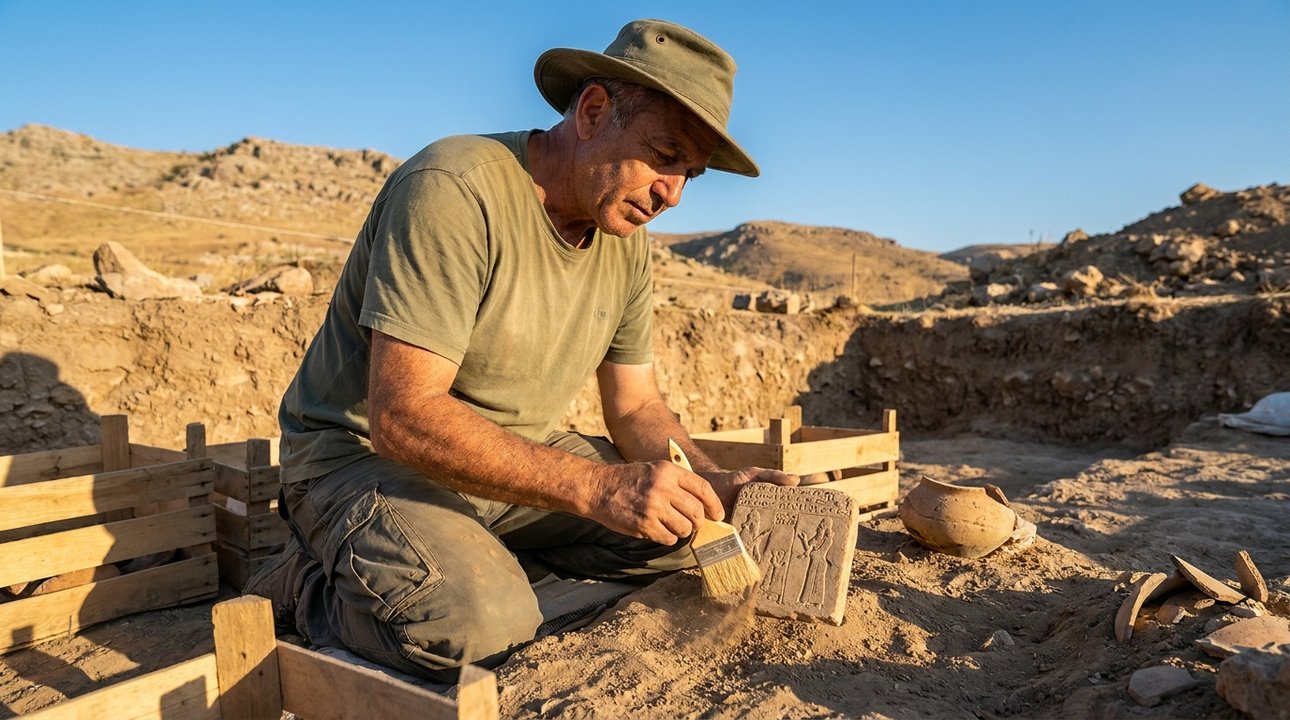
Kue’s place in history is an essential part of understanding the broader narratives within ancient texts. Its mention highlights the significance of trade routes and geopolitical influences in shaping cultural histories. The research and archaeological evidence from the region provide us with greater understanding and appreciation of Kue’s role in antiquity. Excavations have uncovered artifacts that reveal the area’s interactions with neighboring civilizations, such as the Hittites and Assyrians.
This knowledge enriches our comprehension of historical tales and their contexts. By examining these findings, historians can piece together the complex web of alliances and conflicts that defined the ancient world.
In short, Kue’s historical relevance offers us a nuanced perspective on the complexity and richness of ancient cultures and their interconnected stories. The region’s strategic location and fertile lands made it a key player in the ancient Near East, influencing the course of history and the narratives found in historical texts.
Further Exploration and Insights
For those interested in deepening their understanding of historical places, studying regions like Kue offers insights into the ancient world. Each discovery illuminates new facets of history, connecting historical texts with factual evidence. Programs like those from Lev Haolam support ongoing research and educational endeavors, enriching cultural connections and historical knowledge.
Whether through exploration or support of educational efforts, engaging with these stories helps keep the legacy of ancient places alive. By participating in such programs, individuals contribute to preserving the cultural heritage of regions like Kue.
This engagement not only enhances personal knowledge but also supports the broader mission of understanding and preserving historical sites. The artifacts uncovered in Kue, such as those from the Assyrian and Hittite periods, provide tangible links to the past.
By supporting research and education, we ensure that the stories of these ancient places continue to be told, enriching our understanding of the world and its history. This collective effort helps maintain the cultural and historical legacy of regions like Kue for future generations.
Common Questions about Kue
