Understanding the Role of Lud in Historical Texts


Lud is a lesser-known but intriguing name found within the pages of historical texts. Often mentioned among genealogies and tribal listings, Lud’s significance extends beyond mere mentions. Lud is listed as one of the sons of Shem, placing him in the lineage of Noah’s descendants.
In this article, we delve into the historical references to Lud, exploring its historical, geographical, and cultural implications. Join us as we unravel the stories and traditions surrounding this enigmatic figure and location.
What Is the Historical Reference to Lud?
Lud is first mentioned as a descendant of Shem, Noah’s son, in the genealogies listed in historical texts. This connection links Lud to the broader Semitic family, establishing its place in the historical world. The genealogies are not merely records of lineage but serve to map out the connections between various peoples.
The genealogies provide insight into the relationships between various ancient peoples and tribes, placing Lud among the prominent names of that time. Lud’s inclusion in these genealogies underscores its historical importance and dedication to preserving knowledge about ancient peoples.
from the Western Wall to Masada.

This mention, while brief, situates Lud within the historical narrative, providing a foundation for deeper exploration. The genealogical records serve as a sign of the interconnectedness of the ancient world, highlighting the shared heritage among the descendants of Noah. These records remind us of the importance of understanding our roots and the historical ties that bind us. By examining Lud’s place in these genealogies, we gain a greater appreciation for the mix of relationships that define history.
The Historical Context of Lud
Historically, Lud is often associated with a region or people known for their distinct characteristics. Scholars have linked Lud to the Lydians, a civilization located in western Anatolia (modern-day Turkey). Lydia’s capital, Sardis, was a major center of commerce and culture.
This connection suggests that Lud may refer to a group influential in trade and cultural exchange. Notable for their advancements in metallurgy, particularly in refining gold, this civilization made significant contributions to the ancient world through their innovations in coinage and trade.
By considering Lud in this historical context, we gain insights into its significance beyond the text. Such connections illuminate how names often reflect broader historical realities. The influence of this civilization extended beyond their borders, impacting neighboring regions and cultures.
Understanding Lud’s association with this group helps us appreciate the interconnectedness of ancient societies and the ways in which they influenced each other through trade, culture, and innovation.
Lud’s Appearance in the Book of Ezekiel
The book of Ezekiel offers another reference to Lud, describing it among nations mentioned in relation to judgment prophecies. Ezekiel 30 emphasizes the impending judgment on nations, including Egypt, which is said to involve Lud.
This mention portrays Lud as part of a larger narrative concerning the fate of nations surrounding Israel. While the exact role of Lud is not detailed, its inclusion signifies its perceived importance or influence during that period.
Ezekiel’s prophecies highlight how interconnected these nations were, reflecting political and cultural dynamics. Understanding such contexts aids in appreciating the multifaceted nature of historical accounts.
Genealogical Significance of Lud
Lud’s genealogical significance is further emphasized where it appears alongside nations descended from Shem. This lineage underscores the broad family connections spanning across regions and peoples. These genealogies highlight the shared ancestry and cultural ties among the descendants of Noah.
Such genealogies served as vital historical and cultural records, enabling ancient societies to maintain knowledge of their origins and relationships. By tracing Lud’s ancestry, these texts underline connections between people, often reflecting historical ties between various ancient societies.
In this way, genealogies do more than just list names; they weave a mix of shared identity and heritage. The inclusion of Lud in these records emphasizes the importance of understanding our roots and the interconnectedness of the ancient world. By studying these genealogies, we gain a greater appreciation for the complex web of relationships that have shaped our history and the legacy of these ancient peoples.

Lud and the Broader Middle Eastern Context
Lud’s inclusion in the historical narrative reflects broader Middle Eastern historical contexts. This region was a mix of cultures, including Mesopotamians, Egyptians, and Hittites. Lud’s potential connection to Lydia highlights how ancient peoples interacted across regions. Known for their contributions to trade and culture, this civilization influenced neighboring areas. By understanding these interactions, we can appreciate Lud’s role within the broader geopolitical landscape of its time. Such explorations deepen our knowledge of how historical narratives intertwine. The richness of this context provides a deeper understanding of Lud’s place in stories.
from the Western Wall to Masada.
Linguistic and Cultural Influence of Lud
Linguistically, the name ‘Lud’ and its derivatives show the influence of cross-cultural interactions. The language spoken by this ancient group was Anatolian, reflecting a mix of linguistic heritages. Such ancient linguistic links assist in tracing cultural exchanges and historical influences across regions. The presence of Lud in different texts serves as a sign of these ancient interactions and shared influences. Understanding these languages and cultural connections adds layers of meaning to the text, illustrating how names like Lud carry more than geographic or individual significance. These insights enrich our comprehension of ancient historical dynamics, emphasizing interconnectedness.

Interpreting Lud’s Role in Historical Tradition
In historical tradition, Lud serves as a reference point in understanding the connections and divisions among ancient peoples. Its ancestry links and textual mentions offer windows into tribal and national interactions.
Understanding Lud as part of a larger narrative helps in interpreting historical connections between tribes and nations. It illuminates how shared ancestry stories reflect broader cultural and geographical relationships.
This perspective not only sheds light on Lud but also on how ancient peoples viewed themselves and their world. By seeing Lud within these narratives, we can appreciate its role in shaping history.
Lud’s Legacy in Jewish Thought
In Jewish thought, Lud’s legacy continues as part of genealogical and historical studies, reflecting an interest in understanding ancestral histories. This interest highlights the importance of genealogies in maintaining cultural heritage. The study of Lud and other genealogical figures helps preserve a sense of identity and continuity.
Explorations of Lud contribute to larger conversations about identity, belonging, and ancient ties. Such reflections ensure Lud remains part of ongoing discussions surrounding ancestry and legacy, even if its role is not as prominent as others.
The study of Lud provides insight into the enduring curiosity about origins and interconnections within Jewish tradition. By examining Lud’s place in genealogies, we gain a deeper understanding of how these records serve as a link between past and present, connecting us to our shared history. This exploration of Lud’s legacy highlights the importance of maintaining a connection to our roots and the stories that have shaped our cultural and historical identity.

Significance of Lud in Modern Context
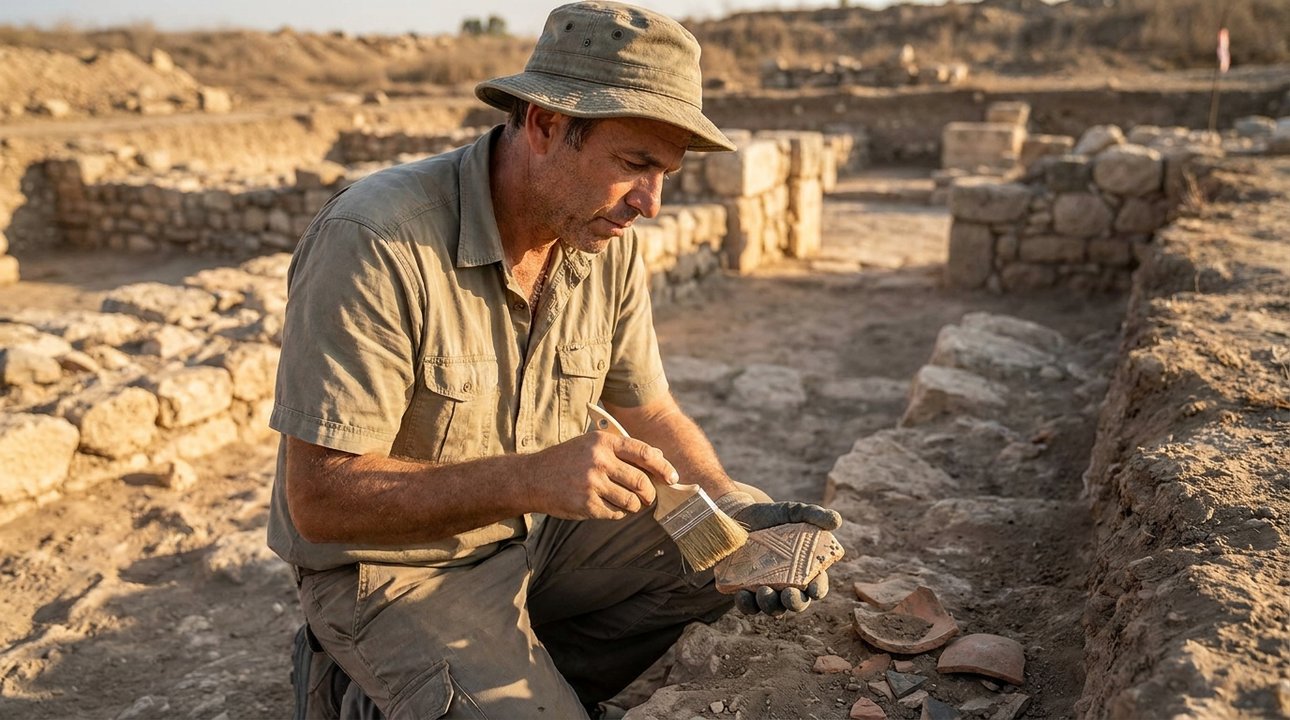
In modern times, Lud’s significance extends through archaeological and historical research. Connections to Lydia and other ancient societies attract scholars interested in uncovering the complexities of ancient cultural dynamics. Lydia, known for its rich deposits of gold, was a significant player in the ancient world.
By studying Lud, researchers contribute insights into the diverse interactions that shaped regions throughout history. These studies bridge past and present, connecting ancient narratives to contemporary understandings. The region’s historical wealth and strategic location made it a focal point for trade and cultural exchange.
Lud’s continued relevance highlights how ancient stories resonate through ongoing scholarly endeavors, enriching our grasp of history’s tapestry. The exploration of Lud and its connections to societies like Lydia helps us understand the broader cultural and economic influences that shaped the ancient Near East.
This ongoing research into Lud’s historical context provides valuable insights into the interconnectedness of ancient societies, offering a deeper appreciation of the intricate web of relationships that have influenced our world today.
Lud's Historical Context