
Unveiling the Significance of Luz in Historical Texts
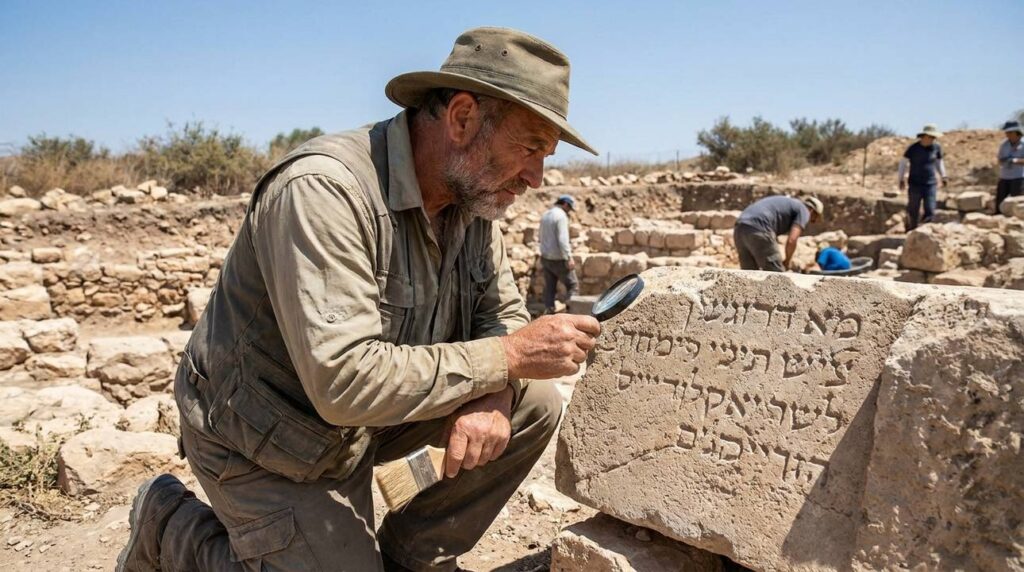

Luz is known for its historical importance and strategic position. Historical accounts describe the descendants of Joseph exploring and conquering Luz, showcasing its role. This article examines its historical references, geographical importance, and cultural impact, focusing on its influence in shaping narratives.
Luz served as a site of significant encounters in history. Its strategic location made it a focal point for cultural and historical developments. Luz reflects themes of identity and change, offering insights into the journey of past civilizations. The city’s legacy is evident in its continued mention in historical texts.
from the Western Wall to Masada.

Located in the hill country of Ephraim, Luz was a key site for cultural interactions and trade. Historical records highlight its geographical significance as part of the boundary of the tribe of Ephraim. Luz’s role in narratives underscores its importance as a place of cultural exchange, where human history intersects with the environment.
What Is Luz in the Bible?
Luz is introduced as a city near Bethel. It was renamed Bethel after a significant event involving a dream of a ladder reaching to the heavens. This event marks Luz as an important site for encounters. The original name Luz soon became intertwined with narratives of personal journeys, symbolizing a place where realms connect.
The transformation of Luz into Bethel highlights the potential for places and individuals to undergo change while maintaining a connection to their origins. This story is remembered by those seeking personal growth. The experience at Luz, where it was later named Bethel, signifies a pivotal moment in history. This act of renaming reflects a change in status or purpose, a common motif in historical texts.
The renaming of Luz to Bethel marks a commitment to a promise received. This act of renaming is a common motif, reflecting a change in status or purpose. The ladder dream is a profound moment of revelation, where the presence of the divine is acknowledged, and a vow is made to honor this encounter. The transformation of Luz into Bethel highlights the potential for renewal and growth.
The experience at Luz, later named Bethel, underscores the transformative power of significant encounters. The dream of a ladder reaching to the heavens symbolizes a connection between realms, showing the nature of journeys. This narrative is remembered by those seeking personal growth and understanding, illustrating the impact of stories on contemporary exploration of identity.

Where Is Luz Located?
Geographically, Luz is situated near Bethel, in present-day central Israel. Its exact location remains debated, but it was a key site in the hill country of Ephraim. The region’s importance is underscored by its proximity to ancient trade routes, facilitating cultural interactions. Luz is mentioned as part of the boundary of the tribe of Ephraim, highlighting its history. This area served as a crossroads for various tribes and cultures, contributing to its strategic importance.
The mention of Luz as part of the Ephraim boundary underscores its role in the tribal organization of the past. This reflects the broader context of the region, where tribal boundaries were crucial for maintaining social and political order. Luz’s location in the hill country made it a natural point of convergence for travelers and traders, enhancing its cultural and economic significance in history.
The historical Luz served as a landmark, marking a place of significant encounters. Its mention highlights its strategic location within the tribal boundaries of Ephraim. Luz’s significance in historical narratives reflects its role as a site of cultural exchange, where promises and human history intersect. The city’s legacy is evident in its continued mention throughout historical texts.
Luz is described as a city conquered and renamed, illustrating its ongoing significance in historical narratives. Its role as a waypoint is emphasized, being a place where encounters are remembered and retold. Luz serves as a sign of the ongoing journey of faith and encounters, reinforcing the idea that certain locations hold lasting significance.
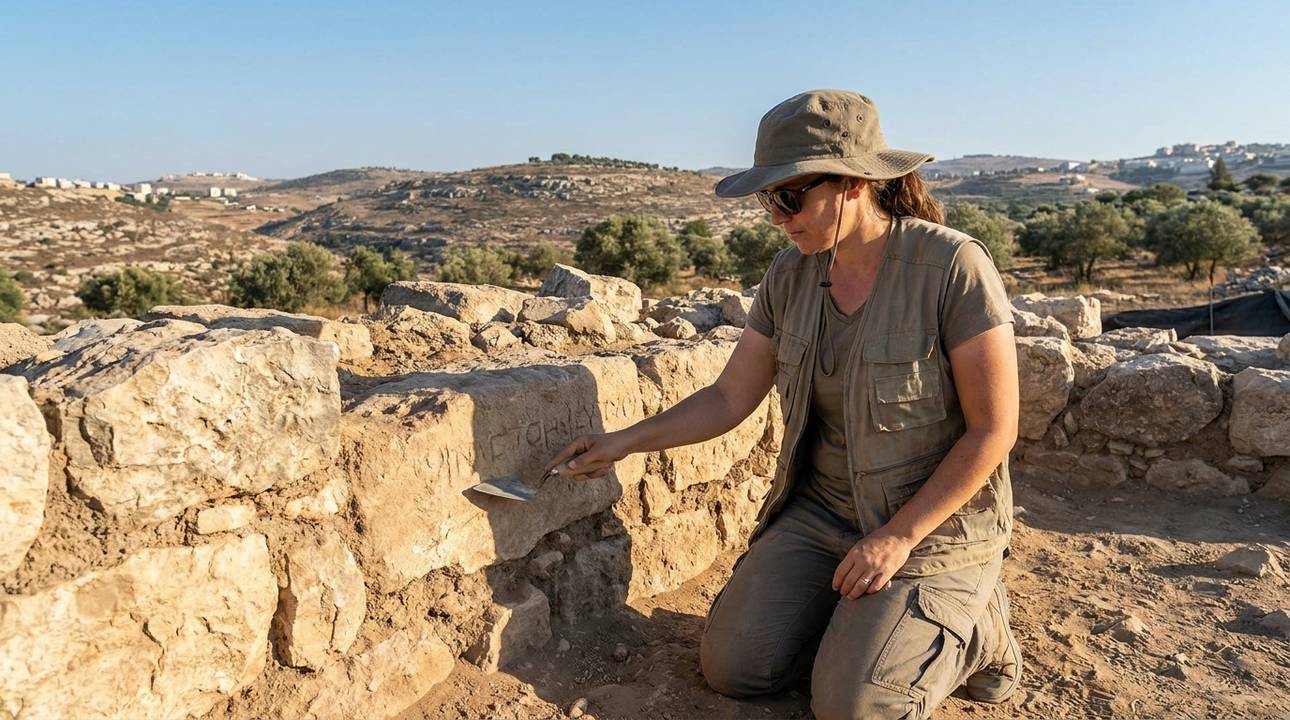
Historical References to Luz
Besides its initial mention, Luz appears in historical accounts, where it is noted as a Canaanite city conquered by the tribe of Ephraim. The persistence of the name signifies its continued cultural and historical value to its inhabitants. Such accounts highlight the city’s evolving identity in historical narratives, reflecting the dynamic nature of places and their meanings.
Luz’s transformation and renaming signify its ongoing importance in history. It is recognized as a waypoint, a place where encounters are remembered and retold. The narrative of Luz illustrates the dynamic nature of sites, where historical events and experiences intertwine, showing the evolving relationship between humanity and its environment.
The narrative illustrates the city’s strategic and cultural role, as it was a site of conquest and resettlement. Renaming the city Luz again by its new inhabitants underscores the deep connection and significance the name held. Luz reflects the broader theme of transformation and renewal, where places and people undergo changes yet retain their core identity. The impact of sites on cultural narratives is highlighted.
Luz in the Story of Jacob
In historical journeys, Luz is pivotal as the place where a dream of a ladder reaching heaven occurs. This dream is a key turning point, indicating promise and guidance. The event underscores Luz’s role as a site of interaction in historical tradition. The dream at Luz, later renamed Bethel, marked a moment of profound personal transformation and promise.
The transformation of Luz into Bethel highlights the potential for places and individuals to undergo profound change while maintaining a connection to their roots. This story is remembered by those seeking personal growth and understanding. The experience at Luz, where it was later named Bethel, signifies a pivotal moment in history. This act of renaming reflects a change in status or purpose, a common motif in historical texts.
from the Western Wall to Masada.
In this dream, a ladder symbolizes the connection between earth and realms. This vision assured protection and support, where a promise that descendants will inherit the land is received. The significance of Luz as a place of encounter is reinforced by its renaming to Bethel, emphasizing its importance.
The experience at Luz, later named Bethel, underscores the transformative power of significant encounters. The dream of a ladder reaching to the heavens symbolizes a connection between realms, showing the nature of journeys. This narrative is remembered by those seeking personal growth and understanding, illustrating the impact of stories on contemporary exploration of identity.
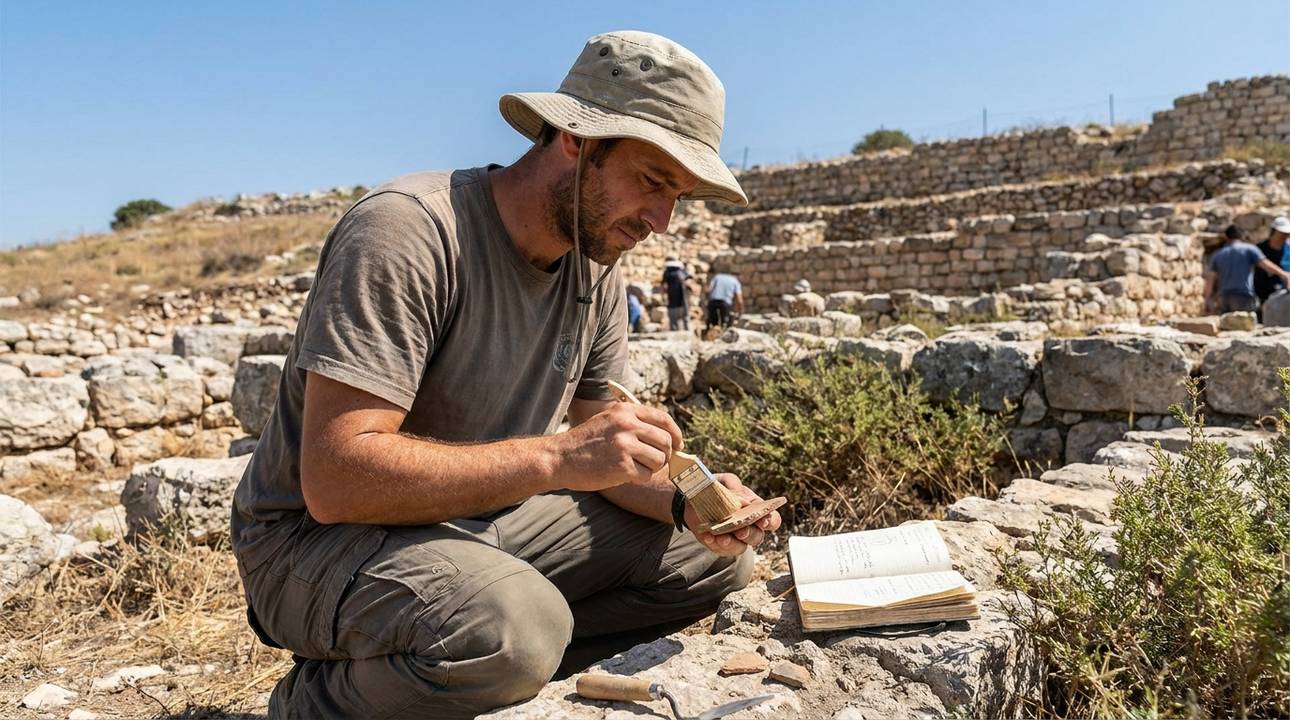
The Symbolic Meaning of Luz
Luz symbolizes transition and encounter, themes prevalent in many stories. Its association with a dream turns it into a metaphor for insight and promise. The persistence of its name throughout texts adds layers to its symbolic significance. It’s a reminder of the enduring relationship between realms and humanity in literature. Luz’s transformation into Bethel reflects the broader theme of places becoming significant through interaction.
The symbolic resonance of Luz is evident in its recurring mention in texts, where it is a city conquered and renamed. This highlights its role as a waypoint. Luz serves as a sign of the ongoing journey of faith and encounters, reinforcing the idea that certain locations hold lasting significance. The city’s transformation reflects broader themes of renewal and continuity in tradition.
Luz’s recurring mention in texts underscores its importance as a place of cultural convergence. Its transformation and renaming signify the enduring impact of encounters on human history. The narrative of Luz illustrates the dynamic nature of sites, where historical events and experiences intertwine, showing the evolving relationship between humanity and its environment.
Luz’s Influence in Cultural Traditions
Cultural traditions often draw upon Luz to reflect themes of hope and renewal. Literature and art explore its symbolic resonance, illustrating quests and encounters. A ladder, as depicted in art, is remembered by artists and writers around the world. These traditions celebrate Luz as a place of profound personal and communal significance, highlighting its impact on cultural expressions.
Artistic interpretations of Luz often focus on the themes of ascent and connection, as symbolized by a ladder. This imagery has been a source of inspiration across various cultures, emphasizing the universal quest for understanding. The legacy of Luz in cultural expressions underscores its role as a symbol of hope, transformation, and the eternal search for meaning. Artists and writers continue to draw upon its rich symbolism to explore themes of ascent and encounter.
A ladder, as depicted in art, is remembered by artists and writers around the world. This vision of a ladder serves as a powerful metaphor for the connection between realms. Luz’s symbolic resonance in art and literature highlights its impact on cultural expressions, reflecting the universal human desire for connection and understanding.

Luz’s Legacy in Modern Understanding
In modern interpretations, Luz is seen as a site of historical curiosity and depth. Archaeological studies, such as those by the Israel Antiquities Authority, attempt to uncover its cultural and historical contexts. It’s considered a sign of the mix of history and heritage. Modern scholars, like those from the Hebrew University of Jerusalem, continue to explore its role in shaping narratives and traditions, offering new insights into ancient life.
Why Does Luz Matter Today?
Today, Luz represents the ongoing exploration of history and spirituality. It invites reflection on themes of transformation, identity, and purpose. By studying Luz, individuals gain insights into the journeys depicted in historical texts. Its legacy continues to bridge ancient texts with contemporary exploration and understanding, encouraging a deeper appreciation of narratives and their relevance today.
Luz, particularly in the context of a dream, serves as a powerful metaphor for personal and communal transformation. A ladder reaching to the heavens symbolizes a connection between realms. This narrative exemplifies how ancient stories can inform modern exploration and identity. Reflecting on Luz, people are reminded of the timeless nature of quests and the enduring connection between humanity and its environment.
The experience at Luz, where it was later named Bethel, signifies a pivotal moment in history. This act of renaming reflects a change in status or purpose, a common motif in historical texts. The transformation of Luz into Bethel highlights the potential for places and individuals to undergo profound change while maintaining a connection to their roots. This story is remembered by those seeking personal growth and understanding.

Understanding Luz in Historical Context
