
Unveiling the Historical Essence of Marjaayoun
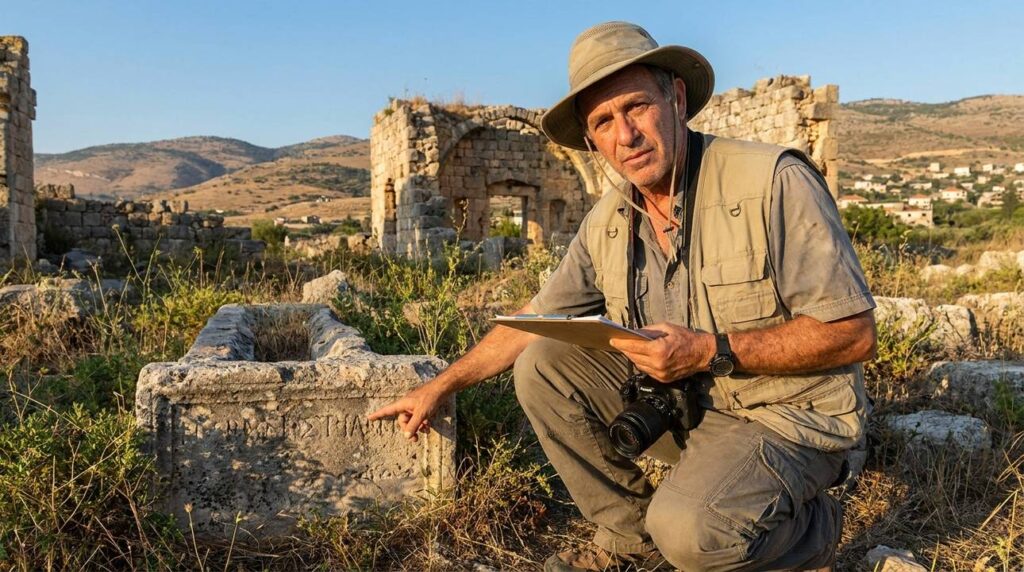

Marjaayoun, a town with a storied past, offers a window into history. Its name and lands are reflected in narratives that continue to echo across generations. The town’s location near the cities of Tyre and Sidon places it in the heart of many historical events.
For instance, Tyre is mentioned as a city that faced significant events, while Sidon appears as part of the Canaanite boundaries. These connections enhance Marjaayoun’s historical narrative.
Sidon is also referenced in historical texts, where significant events took place, showcasing the area’s importance in history. Marjaayoun’s proximity to these cities suggests it may have been a witness to such pivotal moments.
This adds layers to its historical and cultural narrative, connecting it to key events and figures in the region’s tradition, offering a glimpse into the region’s cultural significance.
What Is Marjaayoun?
Marjaayoun is a town situated in present-day Lebanon, historically linked to numerous references. It is believed to have existed since ancient periods, offering unique insights into regional history.
For instance, its proximity to the ancient cities of Tyre and Sidon situates it within significant historical narratives.
The name ‘Marjaayoun’ is thought to derive from Arabic and may mean ‘meadow of springs’, reflecting the town’s lush pastures and strategic location.
The town’s name hints at its natural beauty and history, possibly serving as a gathering place for travelers and traders. Its location near the Litani River underscores its role as a vital part of the ancient landscape, contributing to its historical narrative.
Geographic and Historical Setting
Located on a plateau, Marjaayoun overlooks the Jordan River Valley. Its position afforded it strategic importance throughout history. The town’s elevation provided a vantage point for observing movements in the valley below.
Being at the crossroads of major ancient routes, it became a hub for trade and interaction among different peoples in the region, facilitating cultural and economic exchanges.
This strategic location is reminiscent of other historical sites, which also served as key points of control and trade. Marjaayoun’s role in these networks underscores its history as a center of activity and exchange.
Historical Connections of Marjaayoun
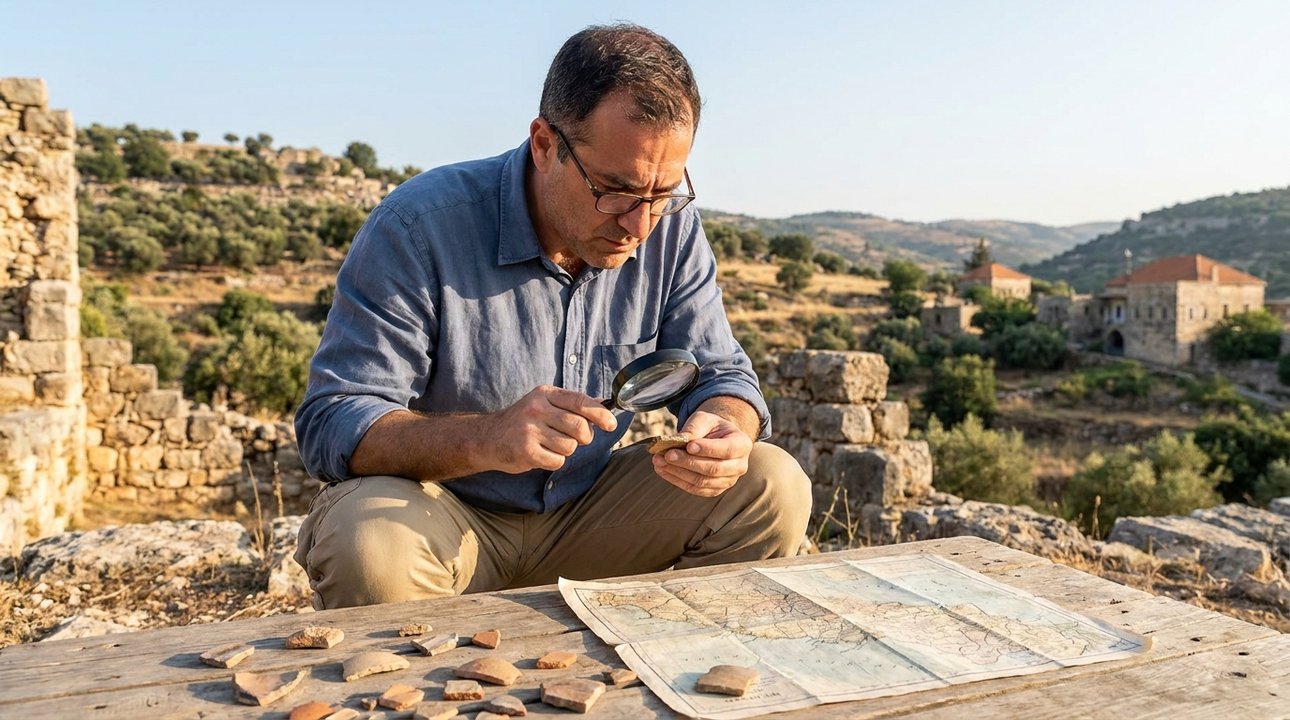
Marjaayoun is believed to have associations with stories from historical texts. Although specific references are scant, its proximity to places like Tyre and Sidon situates it within significant narratives. Tyre was a major trading port. Sidon was known for its skilled artisans, suggesting Marjaayoun’s potential involvement in these ancient economic networks. This connection underscores the town’s history in regional trade and cultural exchange.
The town’s location near these ancient cities suggests it may have been part of the broader economic and cultural exchanges that defined the region. This historical context provides a deeper understanding of Marjaayoun’s role in history.
These cities’ interactions with historical figures emphasize the interconnectedness of the region. Marjaayoun’s location amidst these historical sites suggests it may have played a role in these ancient alliances and conflicts. The strategic alliances and trade routes of the time highlight the town’s potential involvement in regional dynamics, contributing to its history.
The town’s proximity to these centers of power underscores its importance in the ancient world. This interconnectedness is a sign of the complex relationships that shaped the region’s history, where trade and diplomacy were key.
Archaeological Findings
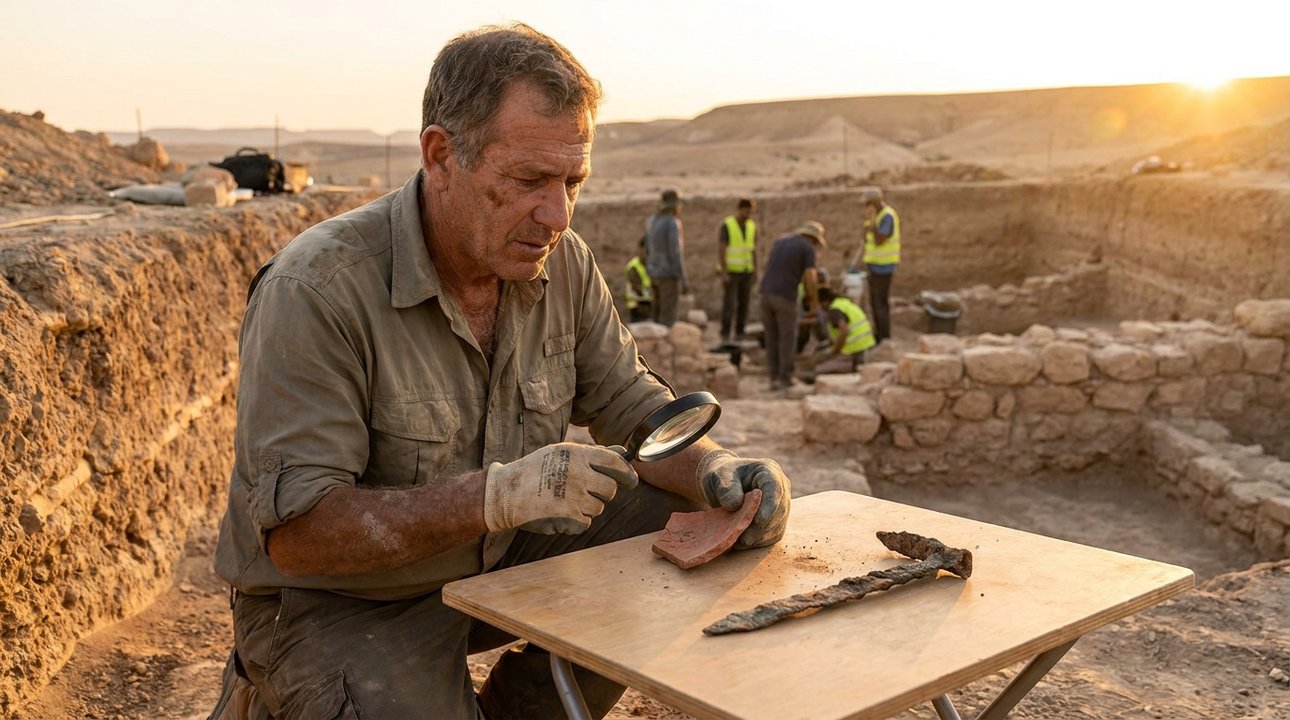
Excavations around Marjaayoun have uncovered relics dating back to various periods. These findings enhance our understanding of the town’s historical role and contribute to piecing together its complex past. Artifacts from the Bronze Age, for example, reveal insights into early trade and cultural exchanges in the region. These discoveries highlight the town’s role in ancient interactions, with items such as pottery and tools indicating a community engaged in regional trade.
The presence of Phoenician artifacts, known for their seafaring and trade, suggests Marjaayoun’s involvement in these networks. This connection is further supported by the town’s proximity to the ancient city of Sidon, a major Phoenician port.
Additionally, pottery and tools found in the area provide evidence of daily life and technological advancements over centuries. Artifacts from the Bronze Age, such as pottery shards and metal tools, illustrate the craftsmanship and trade practices of the time.
Such discoveries are crucial for historians and archaeologists, offering tangible connections to the narratives of past civilizations and shedding light on the daily lives of those who lived there.
Cultural Role Through the Ages
Marjaayoun has been a mix of cultures, influenced by various dominions. This culture tells of its historical journey through different epochs. Influences from the Phoenicians, known for their seafaring and trade, are evident. The Ottoman Empire, which ruled the region from 1516 until the early 20th century, also contributed unique elements to Marjaayoun’s cultural landscape, leaving a lasting impact on its architecture and traditions.
Cultural diversity is reflected in Marjaayoun’s architecture, where Ottoman and Phoenician influences are evident. The combination of styles is a sign of the various cultures that have shaped its identity over the centuries.
The Phoenicians, for example, were known for their alphabet, which influenced Greek and Latin scripts. Meanwhile, the Ottoman period introduced architectural styles and administrative systems that reshaped the town’s structure. These layers of history are visible in the town’s architecture and traditions. Reflecting a mosaic of influences, Marjaayoun’s identity today is shaped by these historical legacies, with buildings and customs bearing the marks of past rulers and cultures.
The town’s Ottoman-era buildings, characterized by their distinctive arches and domes, stand as a sign of this period’s impact. This architectural heritage is a visible reminder of Marjaayoun’s diverse past, where various cultures have left their imprint.
Marjaayoun Today
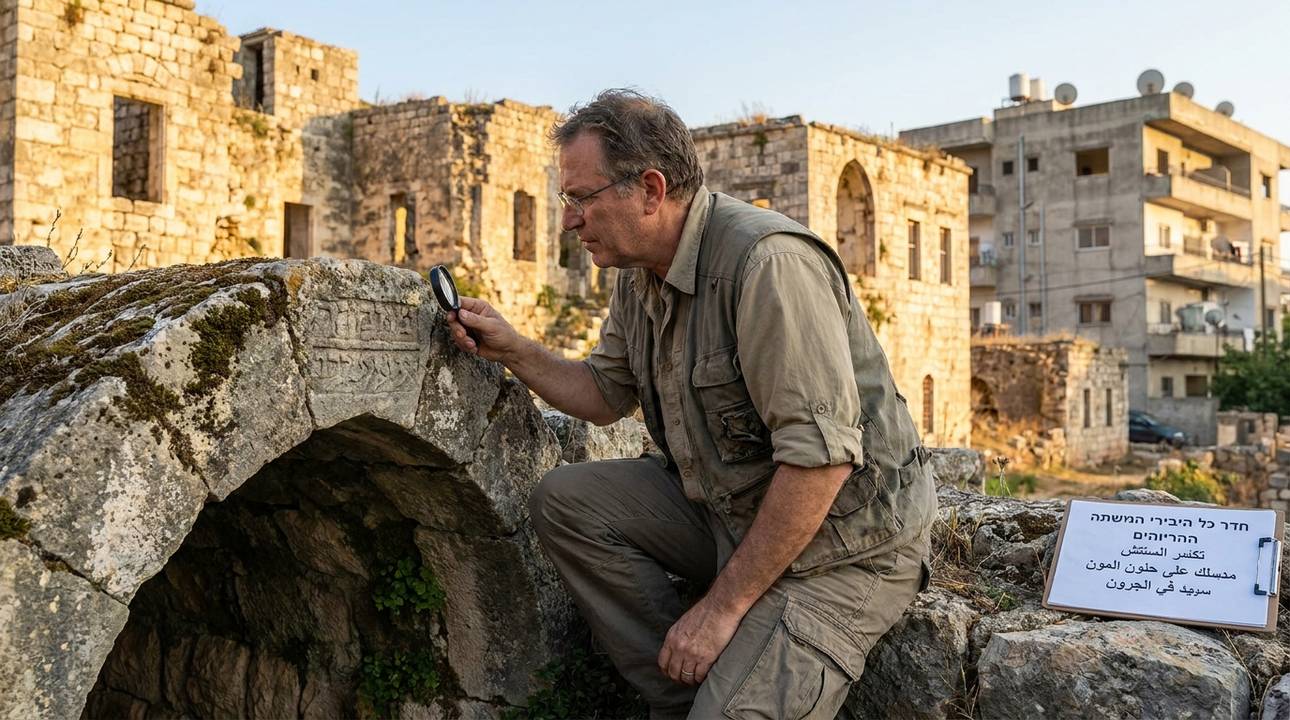
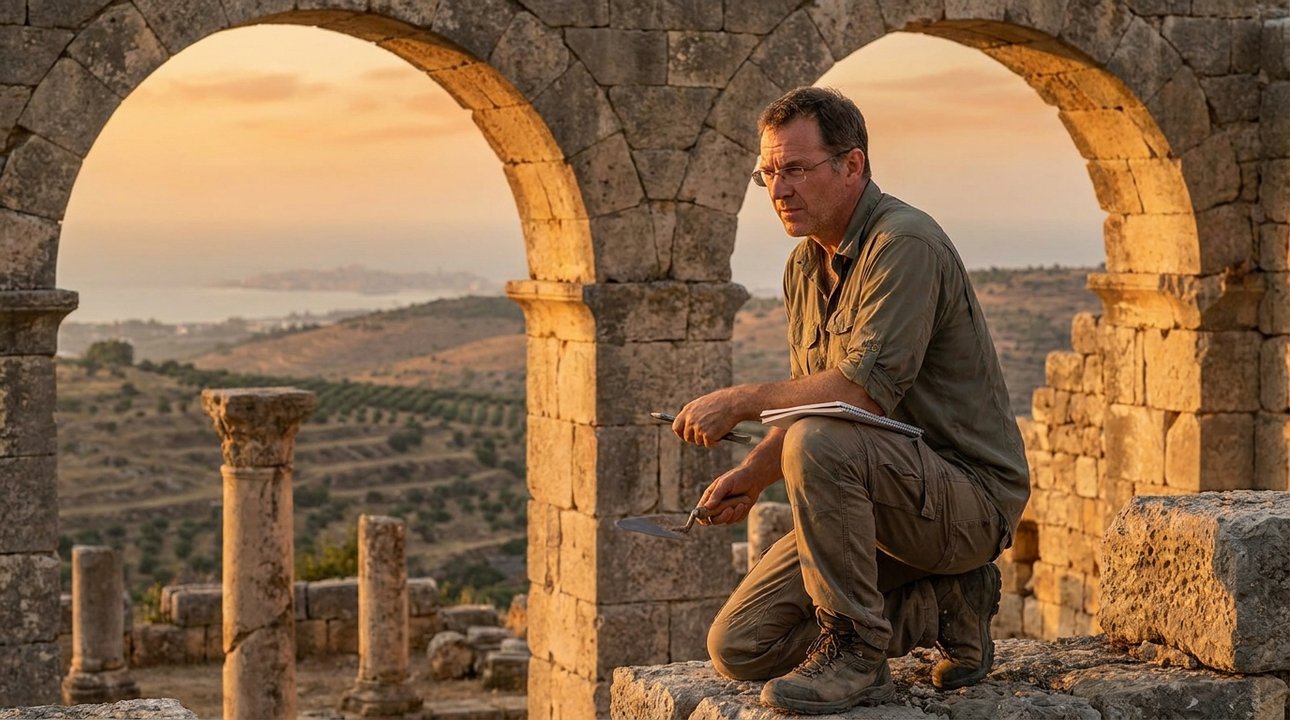
In modern times, Marjaayoun continues to be a town where history and present collide. Through its historical ruins and ongoing life, it stands as a sign of the enduring story of the region. The town’s ancient ruins, such as old fortifications and remnants of past civilizations, coexist with contemporary buildings. This unique juxtaposition tells the story of its resilient spirit, where the past is preserved alongside modern developments, creating a living history.
The preservation of sites like the remains of ancient walls highlights the community’s dedication to honoring its heritage. The juxtaposition of old and new is reminiscent of Jerusalem, where ancient and modern coexist, symbolizing continuity and change.
The juxtaposition of old and new is reminiscent of Jerusalem, where ancient walls stand alongside modern structures, symbolizing continuity and change. Marjaayoun’s layers of history, from the Canaanite period to the Ottoman Empire, mirror this dynamic.
Its ability to preserve its past while embracing the present highlights its adaptability, reflecting a community that honors its heritage while looking to the future.
The town’s historical sites, such as ancient ruins and Ottoman-era buildings, serve as a sign of its history. This continuity is a hallmark of Marjaayoun’s identity, where history and modernity coexist.
Connecting Marjaayoun to Israel
Given its geographic location near Israel’s border, Marjaayoun adds to the dynamic narrative of the region. Its connections highlight the intertwined histories of neighboring areas and their evolving stories.
The town’s strategic position has historically made it a focal point for trade and cultural exchange. Serving as a bridge between diverse cultures and traditions, Marjaayoun has witnessed numerous historical events, including movements of peoples and goods along ancient trade routes.
This strategic importance is reminiscent of the alliances formed during historical times, where trade and diplomacy were pivotal. Marjaayoun’s role in these exchanges underscores its significance as a cultural and economic hub.
Throughout history, Marjaayoun has witnessed numerous transitions, from ancient empires to modern states, each leaving an imprint on its identity. The town has seen the rise and fall of powers like the Assyrians, Babylonians, and Ottomans. This ongoing evolution reflects the wider story of the region, where borders and alliances have continually shifted over time, illustrating the complex and dynamic history of the area.
The town’s ability to adapt to these changes is a sign of its importance. This historical journey is mirrored in the town’s cultural landscape, where influences from various eras coexist.
Role in Historical Stories
Though not directly named in historical texts, Marjaayoun’s connection to nearby locations embeds it in the historical landscape. For instance, its proximity to the ancient city of Tyre, a hub of trade, places it within a network of significant sites. Understanding it within this context enriches our interpretation of history, showing the interactions and movements of peoples described in historical accounts.
Conclusion: Marjaayoun’s Legacy
Marjaayoun’s importance transcends its physical attributes, embodying stories and cultures that shaped historical and modern narratives. It sits near the ancient city of Sidon, indicating its long-standing significance. Exploring this town offers a meaningful glimpse into a multifaceted past, where ancient and modern stories intertwine to form a culture.
The town’s history is further underscored by its proximity to these historical sites, showing the region’s heritage. This connection to the past enriches our understanding of Marjaayoun’s role in history.
Exploring Marjaayoun
