Understanding Mount Seir in Today’s World


Mount Seir holds a unique place in history as the land associated with Edom. This region is first mentioned in historical texts, where Esau, the brother of Jacob, settled after leaving his homeland.
Esau’s decision to settle here was significant, as it marked the beginning of the Edomite nation, distinct from the Israelites. Situated in a rugged region, it has served as a backdrop for many significant events.
For example, historical records indicate its importance in familial narratives. The region’s strategic location between the Dead Sea and the Gulf of Aqaba made it a key area in historical times.
The rugged terrain of Mount Seir provided natural defenses, making it a formidable area for settlement and conflict alike. The Edomites, descendants of Esau, established their kingdom here, often interacting with neighboring tribes and nations.
The Bible frequently mentions Edom in the context of its relationships with Israel, highlighting both cooperation and conflict. This region was not only a geographical landmark but also a cultural and political entity, influencing the narratives of the surrounding areas.
Its location facilitated trade routes and military campaigns, underscoring its historical importance.
from the Western Wall to Masada.
What Is Mount Seir?
Mount Seir is a mountainous region traditionally linked to the descendants of Esau, also known as Edom. The region is characterized by its rocky landscapes and sits between the Dead Sea and the Gulf of Aqaba.
This location made it a natural crossroads for ancient trade routes, connecting the Arabian Peninsula with the Levant. Historical texts often describe it as a land of rugged terrain, making it both a refuge and a barrier.
Mount Seir is frequently mentioned as a dwelling for Esau’s descendants, connecting it deeply to the narratives of the Edomites. Historical accounts recount the Israelites’ request to pass through Edom, highlighting its strategic location.
The Edomites’ control over Mount Seir allowed them to influence trade and politics in the region.
Their interactions with neighboring peoples, including the Israelites, are documented in various historical accounts. These narratives illustrate the complex relationships between the Edomites and their neighbors, shaped by geography, politics, and familial ties. The region’s harsh environment also contributed to its reputation as a place of refuge and resistance.
Exploring Mount Seir’s Role
In the historical context, Mount Seir serves as more than just a geographical location. It represents the domain of Esau, who is the brother of Jacob. This duality of sibling rivalry reflects in the territorial tensions between Israel and Edom.
Historical texts highlight, ‘Esau settled in the hill country of Seir; Esau is Edom.’ This connection establishes the importance of Mount Seir in understanding the complex lineage narratives in history.
The region is also mentioned in historical records, where the Israelites were instructed not to provoke the Edomites, showing its strategic significance.
The narratives surrounding Mount Seir often emphasize the complex relationships between the descendants of Esau and Jacob. These stories highlight themes of reconciliation and conflict, as seen in the eventual meeting of Esau and Jacob.
The region’s mention in various historical texts underscores its role in the unfolding story of the Israelites and their interactions with neighboring peoples, providing a backdrop for understanding the broader historical and cultural dynamics of the time.
Historical Events Linked to Mount Seir
Throughout history, Mount Seir was a strategic location that witnessed many events. It served as a battleground and, at times, a place of escape for both Edomites and Israelites.
One notable mention is where the Israelites were instructed to not engage in conflict with the Edomites while passing through Seir. This highlights the political tensions but also the significance of Seir in Israel’s journey.
Additionally, historical accounts mention the Edomites opposed Israel, further emphasizing the region’s strategic importance.
Mount Seir’s significance is also evident in historical literature, where it is often depicted as a symbol of opposition to Israel. Historical texts speak against Edom for its actions against Israel, illustrating the ongoing tensions between the two nations.
This enduring conflict is a recurring theme in the narrative, reflecting the broader struggles of the Israelites with their neighbors. The region’s rugged landscape provided natural fortifications, making it a challenging area for any military campaign, which added to its strategic value.
Modern-Day Perspective on Mount Seir
Today, Mount Seir is part of a region that spans across present-day Jordan. While direct historical connections to the land are not commonly explored, the history rooted in its soil remains significant.
Understanding Seir today largely focuses on archaeology and the historical tales that continue to draw interest. This area is seen as part of the larger narrative of Edom, emphasizing the deeply interwoven histories of the Israelites and their neighbors.
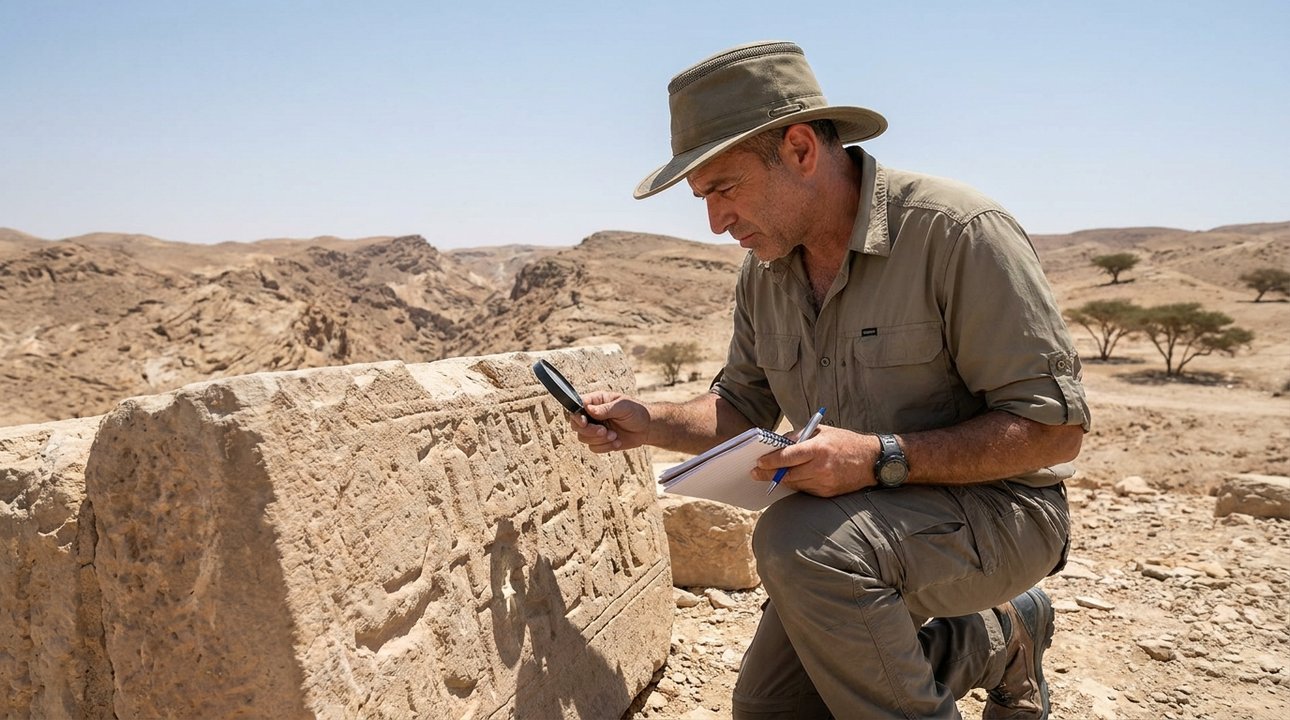
Archaeological findings, such as ancient fortresses, provide insight into the lives of those who once inhabited this rugged landscape.
Modern archaeological efforts in Mount Seir aim to uncover more about the daily lives and societal structures of the Edomites. These studies provide valuable information about the region’s past, contributing to our understanding of its history. The ongoing research in this area highlights the importance of preserving and studying historical sites, as they offer a tangible connection to the stories and peoples of the past.
from the Western Wall to Masada.

Geography and Terrain of Mount Seir
The terrain of Mount Seir consists predominantly of rocky hills and deep valleys. This rugged geography has historically made it a natural fortress for the people who lived there.
Historical accounts illustrate the strategic advantage provided by the terrain. Its inhospitable environment provided protection and a maze-like landscape that was difficult for outsiders to navigate.
This natural fortification contributed to the region’s historical reputation as a stronghold and shelter for its inhabitants.
The defensive capabilities of Mount Seir were further enhanced by its elevation, which offered a vantage point over the surrounding areas. This made it an ideal location for monitoring the movements of potential adversaries and controlling access to the region.
The Edomites capitalized on these natural advantages, establishing fortified settlements and developing a society that could withstand external threats. This resilience is reflected in the historical accounts of their interactions with neighboring peoples.
Archaeological Insights into Mount Seir
Archaeological investigations in the area have unearthed layers of history that reflect the ancient cultures occupying Mount Seir. Artifacts point to a history of trade and cultural exchange with neighboring regions. Excavations have revealed pottery and inscriptions that date back to the Iron Age, providing insights into the daily lives of the Edomites. Excavations continue to reveal settlement patterns and defensive structures indicative of Edomite society. These findings offer glimpses into how ancient peoples adapted to and thrived in this challenging environment.
Among the discoveries are remnants of ancient fortifications, which suggest a highly organized society capable of defending itself against external threats.
The pottery styles and inscriptions found in Mount Seir also indicate a blend of cultural influences, reflecting interactions with neighboring civilizations.
These archaeological findings contribute to a deeper understanding of the Edomites’ way of life, their economic activities, and their role in the broader historical context of the region.

Mount Seir in Cultural Memory
Mount Seir endures as a symbol within cultural and historical memory. In Jewish tradition, it represents the land of Esau and the accounts of the Edomites. Historical texts speak of Edom’s downfall, emphasizing its history. It is often referenced in rabbinic texts as a place of distinction and history. This cultural memory reinforces long-established narratives about heritage and identity linked to the ancient peoples. The region’s role in prophecy and its mention in texts further cement its place in Jewish history.
In Jewish thought, Mount Seir is sometimes used metaphorically to represent challenges or adversaries, reflecting its historical role as a place of conflict. The prophetic literature often uses Edom as a symbol of opposition, illustrating the legacy of these ancient narratives. These references highlight the ongoing relevance of Mount Seir in Jewish cultural and religious identity, serving as a reminder of the complex history and relationships that have shaped the region.
Modern Connections to Mount Seir
Today, Mount Seir remains a point of reference in discussions about history and scholarship. Though the region has evolved politically and socially, its presence in historical stories keeps it relevant.
Scholars often refer to historical texts where Mount Seir is addressed directly, highlighting its enduring presence in narratives. Overall, Mount Seir ties together narratives of geography, history, and the endurance of cultural tales.
Its legacy continues to be explored today through scholarly work and historical analysis, with ongoing archaeological excavations shedding light on its past.

history