Exploring the Historical Influence of Paddan-Aram
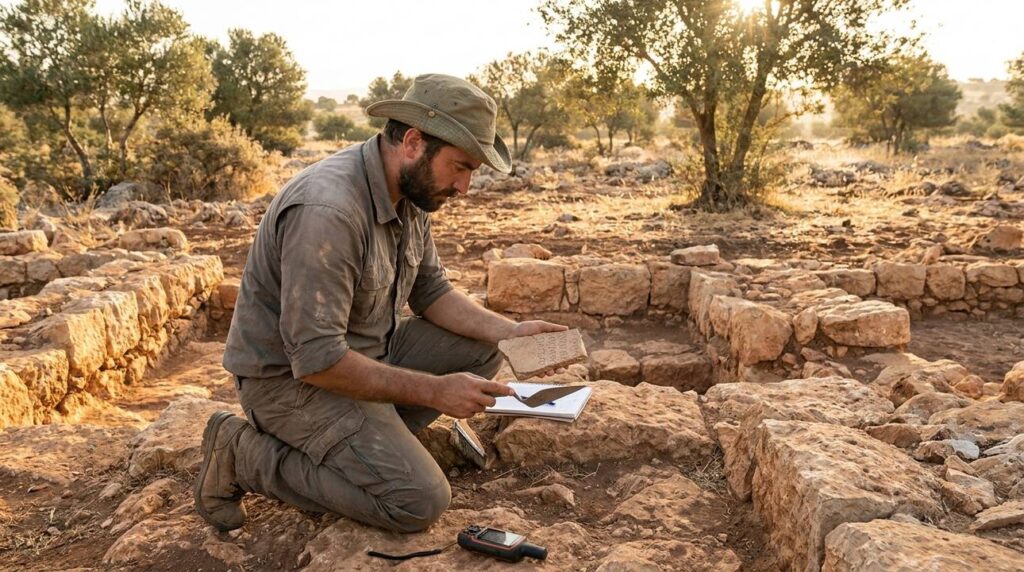

Paddan-Aram holds a notable place in history due to its familial and historical significance. It is often connected with the stories of the patriarchs who are key figures in these narratives. This area links lands and generations, and it is mentioned as the home of Rebekah, highlighting its role in ancestral lineage. We explore the meaning, geography, and pivotal events of Paddan-Aram, examining its impact on history.
Rebekah’s association with Paddan-Aram underscores its role in ancestral narratives and
from the Western Wall to Masada.

broader
historical contexts. The region’s historical context and its role as a cultural hub provide a backdrop for these stories. Understanding Paddan-Aram’s place in history enhances appreciation of these narratives.
Where Is Paddan-Aram Located?
Paddan-Aram is traditionally identified with a region in northwest Mesopotamia, known today as part of modern-day Syria. Historically, it was situated in the fertile plains between the Euphrates and Tigris rivers. This location made it a crossroads for ancient trade and cultural exchange. The name Paddan-Aram itself is believed to refer to the ‘Plain of Aram,’ stretching the boundaries of the Aramean culture. It is mentioned as a significant destination, emphasizing its geographical and cultural role in the historical narrative. The strategic location of Paddan-Aram contributed to its role as a significant setting for historical narratives. Situated between the Euphrates and Tigris rivers, it served as a crossroads for trade and cultural exchange, influencing interactions between various peoples and cultures. Its position enabled interactions between various peoples and cultures, influencing the lives of historical figures. It is referred to as a place of refuge and transformation. The geographic setting of Paddan-Aram is crucial to understanding its historical context and its roles.
The Stories of Paddan-Aram
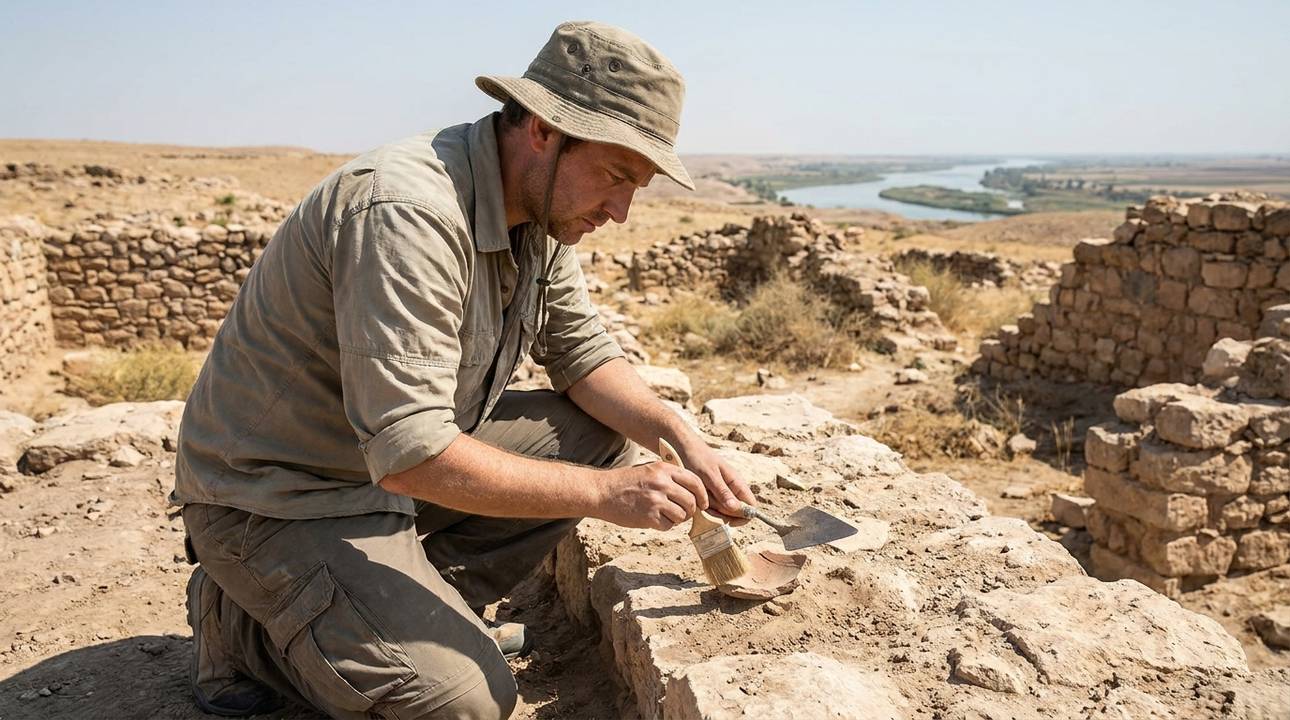
Paddan-Aram features prominently in the lives of historical figures, particularly in the accounts of key individuals. It is recounted how a servant traveled there to find a wife, leading to significant family developments. This region is mentioned as the homeland of key figures and later becomes a refuge for others. The events in Paddan-Aram were pivotal in shaping the future of the nation, as detailed in historical accounts. The interactions and experiences in Paddan-Aram were crucial in shaping the future of the nation. In historical accounts, advice is given to find a wife from the daughters of a relative in Paddan-Aram. This instruction sets the stage for journeys and subsequent familial dramas, including marriages. These narratives reveal much about the customs, relationships, and interactions of the time, providing insight into the cultural landscape of the era. The marriages were pivotal in shaping destinies and that of descendants. Experiences in Paddan-Aram, including labor for a relative, highlight themes of perseverance and providence. These stories illustrate how personal and familial decisions contributed to the wider story of the people. The alliances formed in this region reflect broader social dynamics, showing how familial relationships were intertwined with plans. Time in Paddan-Aram was crucial in the formation of the tribes.
Cultural and Historical Context
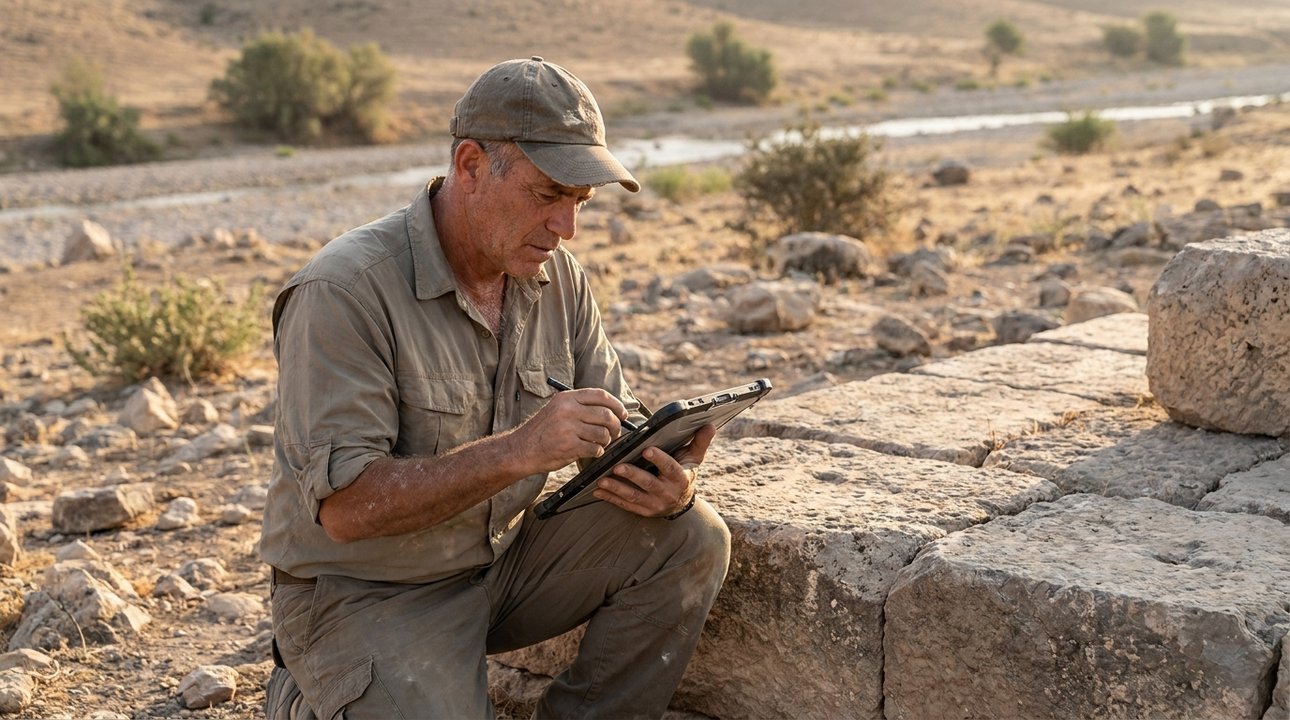
The cultural landscape of Paddan-Aram was shaped by its interactions with Mesopotamian civilizations. This region served as a mix for different cultural practices and beliefs. It was instrumental in shaping the identities and traditions of families. Understanding these interactions helps us appreciate the complexity of historical narratives. Cultural exchanges and tensions showcase the blend of traditions and the challenges faced by individuals. These cultural dynamics played a significant role in the development of early identity. Marriage customs and family ties outlined in historical texts are influenced by the practices of Paddan-Aram. For instance, marriages illustrate the cultural norms of the time. The alliances formed in this region reflect broader social dynamics, showing how familial relationships were intertwined with plans. These insights highlight the importance of Paddan-Aram in shaping characters and events, providing a backdrop for significant developments. The narratives of marriages also reveal the complexities of human relationships and intervention. The births of children, who became ancestors, highlight Paddan-Aram’s role in the narrative. This region serves as a sign of promises and familial bonds, illustrating how personal and familial decisions contributed to the wider story of the people. The cultural and historical context of Paddan-Aram enriches our understanding of these events.
from the Western Wall to Masada.
Paddan-Aram’s Influence on Family Lineage
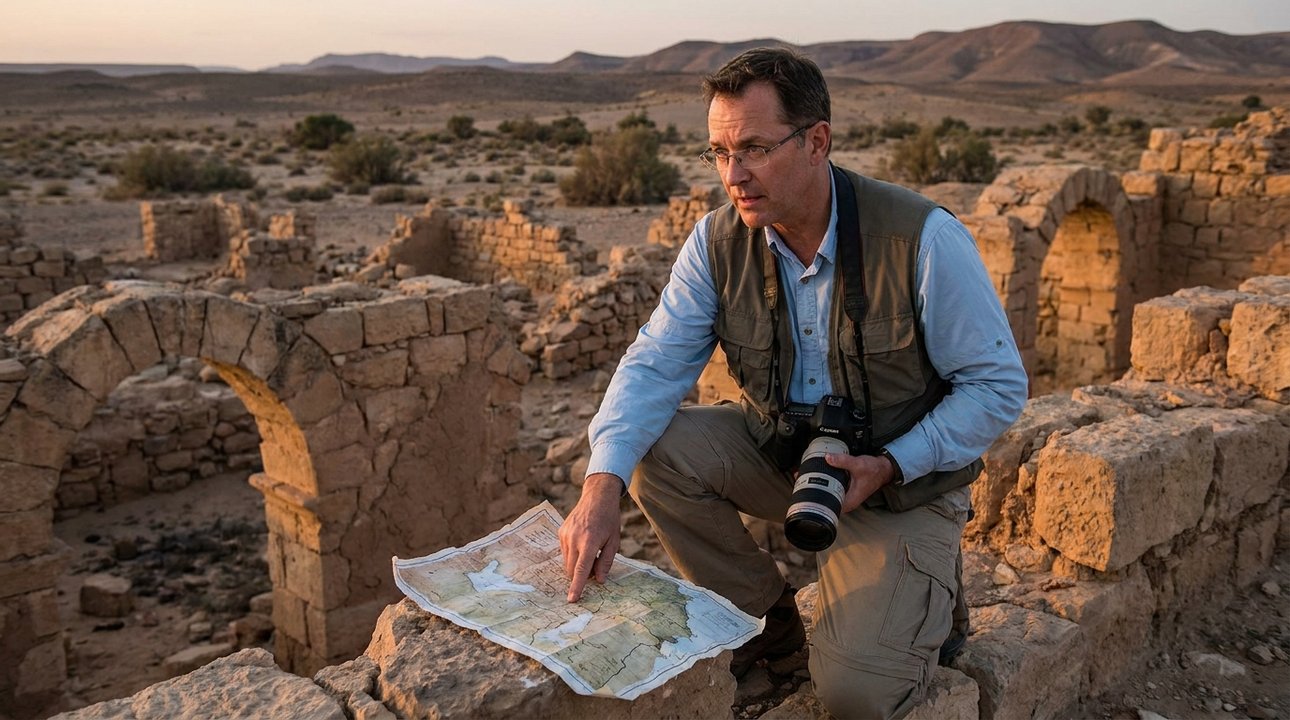
Paddan-Aram significantly influenced the family lineages of key figures, with the birth of children. The stay there led to marriages and the birth of children, who became ancestors. This connection highlights the region’s role in the narrative of nation-building, illustrating how personal and familial decisions contributed to the wider story of the people. The alliances and relationships formed in Paddan-Aram were pivotal in shaping the future. The relationships formed in Paddan-Aram between families were complex. These interactions reflect themes of promise, perseverance, and providence, central to the saga. Labor for a relative and the eventual departure with family provide a deep understanding of how plans unfold through history. These narratives illustrate the intricate balance between human action and plans, showing the challenges and triumphs faced by individuals.
Symbolism of Paddan-Aram in Historical Texts
Paddan-Aram symbolizes a place of formation and growth for key figures, particularly for those who spent significant time there. It represents a physical and journey crucial to the narratives of promise and covenant. The time spent in this region served as a period of preparation for the forebears of the people, allowing them to develop the character needed for their roles. This journey was pivotal in shaping their destinies and fulfilling promises, marking Paddan-Aram as a transformative stage in their lives. Texts highlight Paddan-Aram as a backdrop for encounters and family developments, such as a significant dream. These events emphasize themes of fulfillment and the unfolding of promised outcomes. Paddan-Aram becomes a vital part of the narrative, enriching the stories with depth and direction. The experiences of individuals in this region underscore the importance of actions and obedience in the realization of promises, showing how these elements are woven into the fabric of history.
Paddan-Aram in Modern Understanding
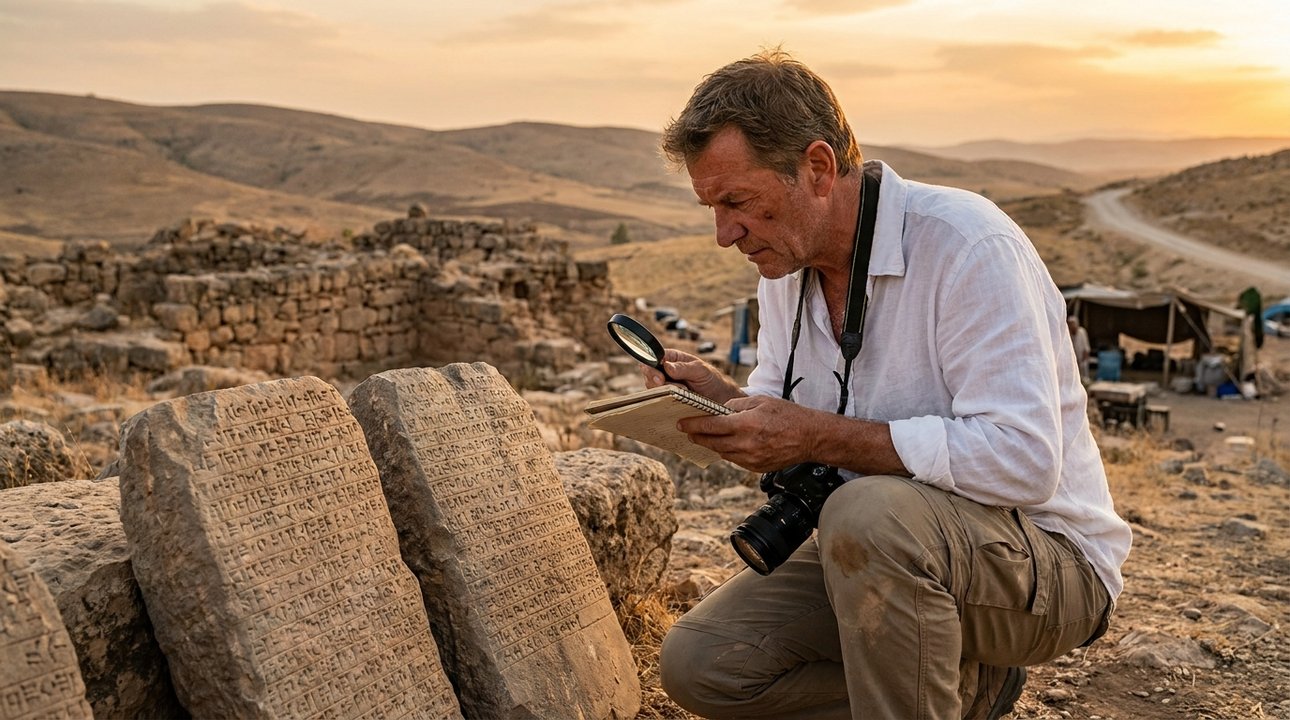
Today, scholars continue to study Paddan-Aram to uncover more about its influence. Archaeological findings and textual studies provide insights into this influential region, offering a glimpse into the past. Modern interpretations often revisit these stories to explore their importance, examining how they inform contemporary understanding of history and culture. This ongoing research highlights the lasting impact of Paddan-Aram, as scholars seek to connect the dots between historical texts and modern discoveries. While Paddan-Aram no longer exists as a geopolitical entity, its legacy lives on through the stories of figures like Jacob and Laban. This region is mentioned as the home of Rebekah, highlighting its role in ancestral narratives. The continuing interest in these stories underscores the timeless nature of the themes associated with Paddan-Aram, such as family loyalty and promise. These enduring tales continue to captivate and inspire those who study history, offering lessons that transcend time and culture.
Conclusion: the Legacy of Paddan-Aram
Paddan-Aram’s legacy in history is one of foundational importance. It is where families grew, with the birth of children who became ancestors. Its narratives weave through the text, influencing the development of the nation. The region serves as a sign of promises and familial bonds. By understanding its context, we grasp the larger story that continues to resonate. The stories from Paddan-Aram reflect themes of perseverance and fulfillment. Through studying Paddan-Aram, readers connect with the enduring themes that transcend time, such as family, and covenant. The stories of journeys to Paddan-Aram provide a mix of cultural and heritage. These narratives offer insights into the lives of individuals, highlighting their struggles and triumphs. Experiences highlight the importance of promise. In Paddan-Aram, interactions illustrate the complexities of family dynamics and guidance. These stories reflect the intricate balance between human action and plans, showing the challenges and triumphs faced by individuals. Paddan-Aram remains an essential chapter in the timeless narrative, offering lessons that resonate even today. The region’s cultural and historical context enriches our understanding of these events.