
Rephidim in the Bible: A Place of Encounter and Conflict


Rephidim is a notable location in the biblical narrative where the Israelites encountered both a shortage of water and a military threat. The crisis of thirst was resolved when water was provided from a rock at Horeb, demonstrating care during their desert journey.
Later, Rephidim became the site of a significant battle against the Amalekites, marking it as a place of both divine intervention and human struggle.
The battle at Rephidim was a crucial moment where Moses instructed Joshua to lead the Israelites in combat while he held up his hands in support. As long as his hands were raised, the Israelites were victorious, demonstrating the importance of perseverance.
from the Western Wall to Masada.

What Is Rephidim?
Rephidim is mentioned as a campsite during the Israelites’ journey from Egypt. It was a place where they faced significant trials and learned lessons of perseverance.
Located in the wilderness, Rephidim is described as a site where the Israelites struggled with lack of water, demonstrating their ongoing dependence on provision.
Despite its challenges, Rephidim was also a site of victory, as the Israelites defeated the Amalekites there, showcasing courage and support. This duality of struggle and triumph makes Rephidim a symbol of perseverance under testing conditions, emphasizing its importance in the journey.
Where Is Rephidim Located?
The exact location of Rephidim is not definitively known today, but it is often associated with the Sinai Peninsula. Its geographical ambiguity adds to the mystique of historical narratives.
Generally thought to be east of the Gulf of Suez, this region is defined by rugged terrain and sparse resources. This setting underscores the hardships faced by the Israelites, highlighting the themes of struggle and survival in a harsh land.
Rephidim’s location in the desert also symbolizes the journey of faith, representing a transitional and transformative phase for the Israelites. The harsh environment of the Sinai Peninsula serves as a backdrop for the Israelites’ reliance on divine provision and their perseverance through adversity.
Rephidim in the Book of Exodus
Rephidim is the scene of an urgent crisis. The people of Israel, having run out of water, question their leader and express doubt about their safety in the wilderness.
The leader’s response, with guidance, results in water flowing from a rock, quenching their thirst and reaffirming the presence of support in their journey. This event at Rephidim is pivotal, illustrating the importance of trust during trying times.
It was both a physical necessity and a lesson. Such events served as concrete reminders of the relationship between the Israelites and their support, shaped by moments of need and supply.
The Battle with Amalek at Rephidim
Following the water crisis, Rephidim was also the battleground for a confrontation with the Amalekites, a significant enemy of the Israelites. This battle was crucial as it demonstrated the need for unity and reliance on support.
The leader instructed Joshua to lead the battle while he oversaw the situation from a hill, holding up his staff, a symbol of presence and support. As long as his hands were raised, the Israelites prevailed, underscoring the importance of sustained effort and partnership.
The need for perseverance and support is highlighted by the actions of leaders who emphasize the strength found in community and the importance of supporting one another in times of need.
This victory at Rephidim is celebrated as a sign of teamwork and support, becoming a defining moment in the Israelites’ journey. Often recounted during festivals, it serves as a reminder of the power of community. The battle against the Amalekites is also seen as a metaphor for the ongoing struggle against adversity, encouraging individuals to remain steadfast and united in the face of challenges.
In this battle, the leader instructed Joshua to lead the fight while he stood on a hill with the staff of leadership in his hand. As long as his hands were raised, the Israelites prevailed, highlighting the importance of perseverance and support. This event is often discussed in teachings as a lesson in leadership and the power of collective effort.
Rephidim in Jewish Tradition
Rephidim holds a place in Jewish tradition as a site of faith, challenge, and divine intervention. Ancient texts often mention it as a backdrop for learning about resilience. In Talmudic discussions, the events at Rephidim are interpreted as lessons about the importance of upholding the commandments.
These narratives serve as metaphorical reflections on personal and communal growth in the face of adversity. The struggle against the Amalekites, for example, is seen as a metaphor for the ongoing battle against internal and external challenges.
Talmudic interpretations of Rephidim highlight the importance of maintaining faith and commitment to the commandments, even in the face of adversity. These teachings are central to Jewish education and serve as a guide for personal and communal growth.
Thus, Rephidim is more than a geographical location; it represents a cornerstone for teaching enduring values and communal identity. Frequently discussed in the context of festivals and rituals, its lessons are incorporated into prayers and teachings.
Reflecting on Rephidim encourages consideration of the importance of community and support in overcoming life’s challenges. It remains a powerful symbol of the strength of the Jewish people.
During festivals, recounting Rephidim emphasizes the themes of deliverance and intervention. It serves as a reminder of the historical journey of the Israelites and the continuous need for unity in the face of trials.
Rephidim Today
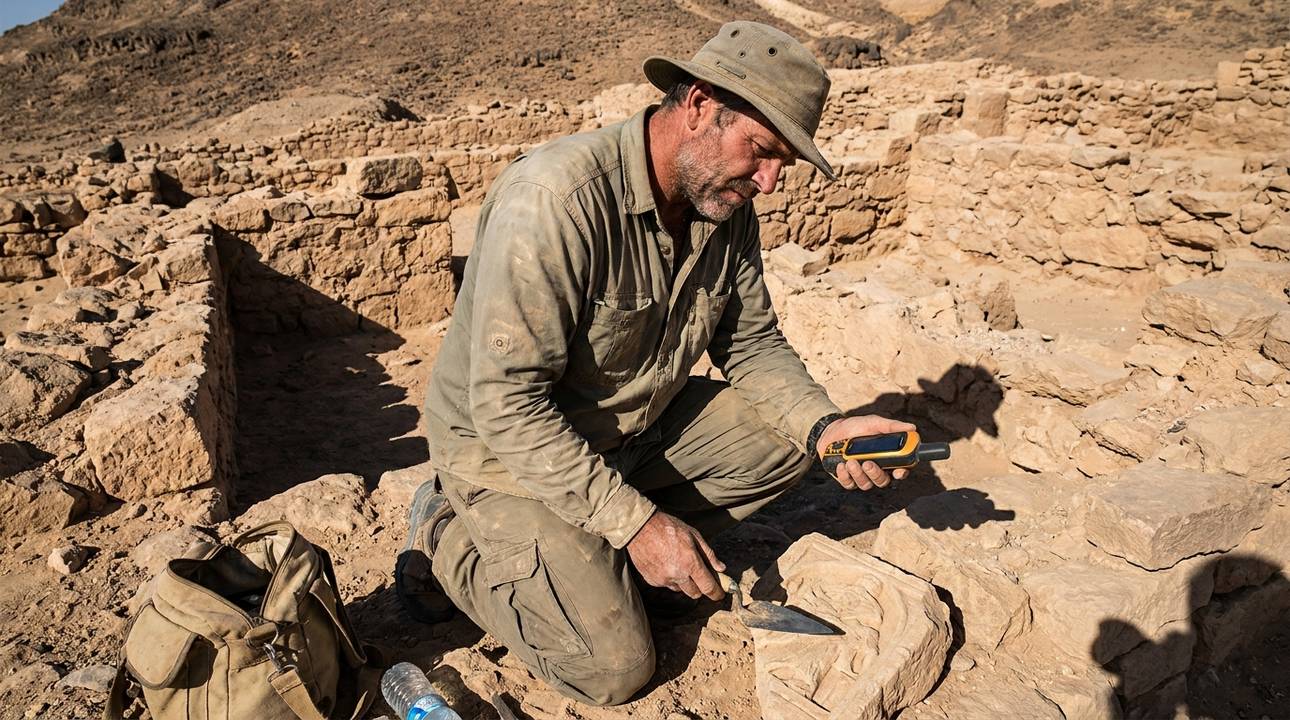
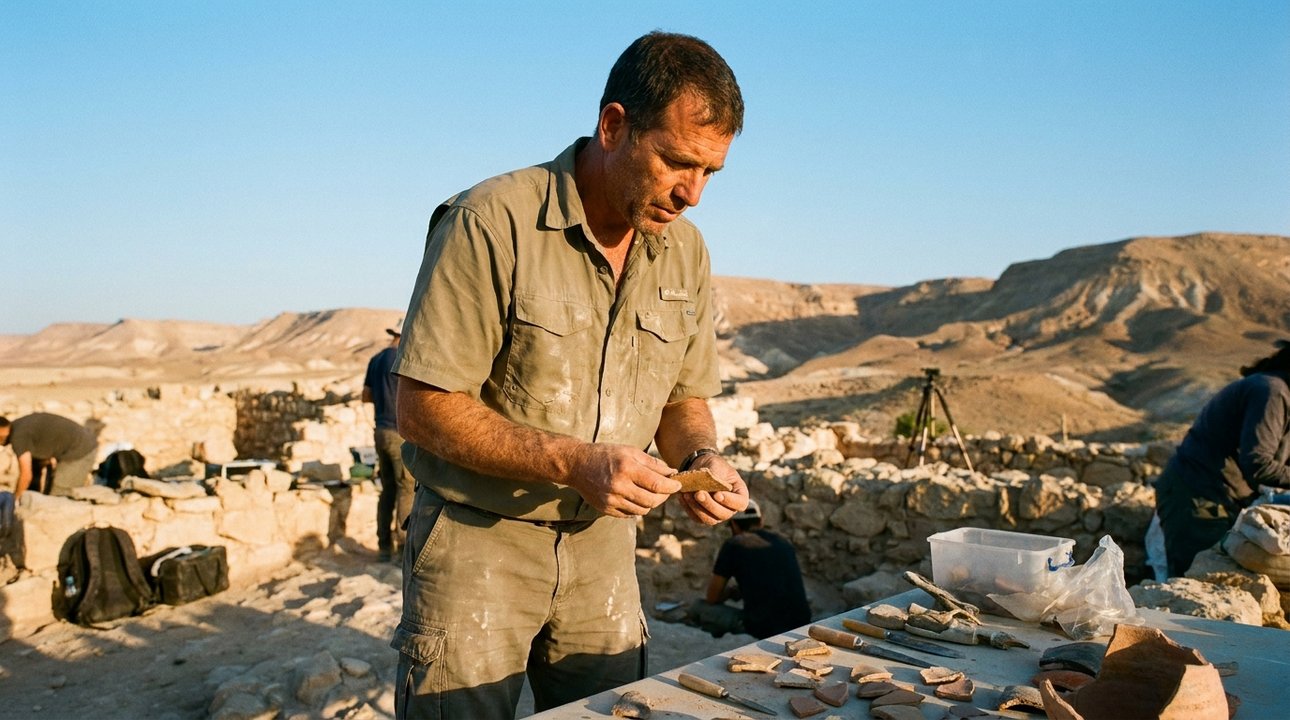
Though its exact location remains uncertain, Rephidim continues to be a significant site in cultural and academic discussions. Scholars and archaeologists occasionally speculate on its location, showing the nomadic lifestyle of the Israelites. Some suggest it might be near Wadi Feiran in the Sinai Peninsula. Rephidim remains a symbol of endurance and questioning, embodied in the shared history of communities. Its story enriches the understanding of the Israelite journey as a sign of perseverance.
from the Western Wall to Masada.
The mystery surrounding Rephidim’s location adds to the intrigue of its story, inviting scholars and enthusiasts to explore the historical and cultural context of the Israelites’ journey. This ongoing exploration enriches the understanding of ancient life and their journey.
Rephidim’s narrative in Exodus 17 provides a backdrop for exploring themes of divine provision and human resilience. Often discussed in the context of the Israelites’ broader journey through the wilderness, which lasted 40 years, this journey is a central theme in Jewish history, reflecting the trials and triumphs faced by the people. The lessons from Rephidim continue to be remembered in discussions on faith, endurance, and the importance of community support in overcoming challenges.
The Israelites’ time in the wilderness, including their experiences at Rephidim, is a significant period that highlights the importance of reliance on divine provision and the strength found in community. These stories are integral to Jewish teachings and are often used to illustrate the resilience required to overcome life’s obstacles.
Why Rephidim Matters
Rephidim’s role in the narrative is crucial for understanding the dynamics of provision and conflict. It stands as a powerful metaphor for life’s trials. The events at Rephidim are often discussed in the context of teachings, where they serve as examples of intervention and perseverance.
Its stories are instrumental in conveying themes of leadership, accountability, and support, vital for subsequent generations to learn from. Rephidim serves as a reminder of the profound connections between land, people, and support.
The account of Rephidim is frequently used in educational settings to illustrate the importance of leadership and the necessity of relying on divine support during challenging times. These lessons are integral to Jewish teachings and continue to be remembered by future generations.
This site reminds us of the enduring lessons from the past, which continue to inform present understandings of community. Often incorporated into education, the story of Rephidim is a key part of the cultural heritage passed down through generations.
For those exploring stories, Rephidim offers valuable insights into the importance of leadership and community in overcoming challenges and achieving success.
The narrative of Rephidim, found in Exodus 17, is frequently used in educational settings to teach about the importance of unity and support in overcoming adversity. It serves as a powerful example of how collective action and faith can lead to triumph even in the most challenging situations.

Cultural Impact of Rephidim
Rephidim’s historical narratives have permeated cultural expressions, inspiring interpretations in literature, art, and ritual. Its themes of endurance and encounter resonate with liturgy and prayers, echoing the trials and victories of the past. For instance, the leader raising his hands during the battle against the Amalekites is a powerful image of leadership and support.
Artists and writers often draw upon these stories to convey messages of hope and resilience, linking ancient experiences to modern struggles.
In art, the image of the leader with his hands raised during the battle is a common motif, symbolizing the power of leadership. These artistic representations serve as a reminder of the enduring lessons from Rephidim and their relevance to contemporary life.
Rephidim’s legacy continues in reflections on perseverance, shaping a mix of cultural and spiritual continuity. Referenced in various Midrashic texts, these writings explore the deeper meanings behind the events that took place there. They often highlight the importance of community and collective action in overcoming adversity. The enduring message of Rephidim is one of faith and resilience, encouraging individuals and communities to remain steadfast in the face of challenges.
In Midrashic literature, the events at Rephidim are often used to illustrate the power of unity and the necessity of communal support in overcoming obstacles. These stories serve as a reminder of the strength found in faith and the importance of working together to achieve common goals.
Rephidim's Significance
