
Exploring the River Chebar and Its Historical Significance


The River Chebar holds a unique place in historical narratives. Mentioned in the Book of Ezekiel, it served as the setting for many of the prophet’s visions, including the famous vision of the divine chariot.
This waterway, often associated with the Babylonian exile, provides insight into the experiences of the Jewish people during one of their most challenging periods. The exile, which began in 597 BCE, was a time of significant change for the Jewish community.
The significance of the River Chebar is highlighted by its role in Ezekiel’s prophetic experiences, which provided hope to the exiled community. It served as a place of reflection and renewal, offering guidance during a time of crisis. The Jewish people’s ability to maintain their faith and cultural identity during the Babylonian exile is a testament to their strength. This river remains a symbol of renewal and perseverance.
from the Western Wall to Masada.

During this period, many were forced to leave their homeland and settle in foreign lands. The River Chebar, likely located near the ancient city of Nippur, became a gathering place for the exiles, where they reflected on their past and contemplated their future.
It was here that Ezekiel received his call to prophecy, marking a pivotal moment in the history of the Jewish people as they sought to maintain their identity and faith in a foreign land. The importance of this river is highlighted in the prophet’s visions.
The Babylonian exile, which began in 597 BCE, was a time of significant change for the Jewish community. The River Chebar served as a backdrop for Ezekiel’s divine visions, offering guidance and hope. The exiles’ ability to maintain their cultural and religious practices during this period is a testament to their faith. Its role in historical narratives underscores its importance as a symbol of renewal and perseverance.
What Is the River Chebar?
The River Chebar is mentioned in the Book of Ezekiel as the location where Ezekiel received visions from the Divine. Its exact historical location is not precisely known, but it is believed to have been a significant canal or river near Babylon.
This waterway played a crucial role during the Babylonian exile, providing not only sustenance but also a place of reflection for the exiled Jewish population. Ezekiel’s visions offered hope and insight during this challenging period.
The role of the River Chebar in historical narratives underscores its importance as a symbol of guidance and resilience. The Jewish exiles, living near this waterway, were able to maintain their faith and cultural identity, despite the challenges of exile.
Its significance is further highlighted by its association with Ezekiel’s prophetic experiences, which provided hope and inspiration to the exiled community. This river remains a powerful symbol of renewal and perseverance.
Ezekiel’s Visions by the River
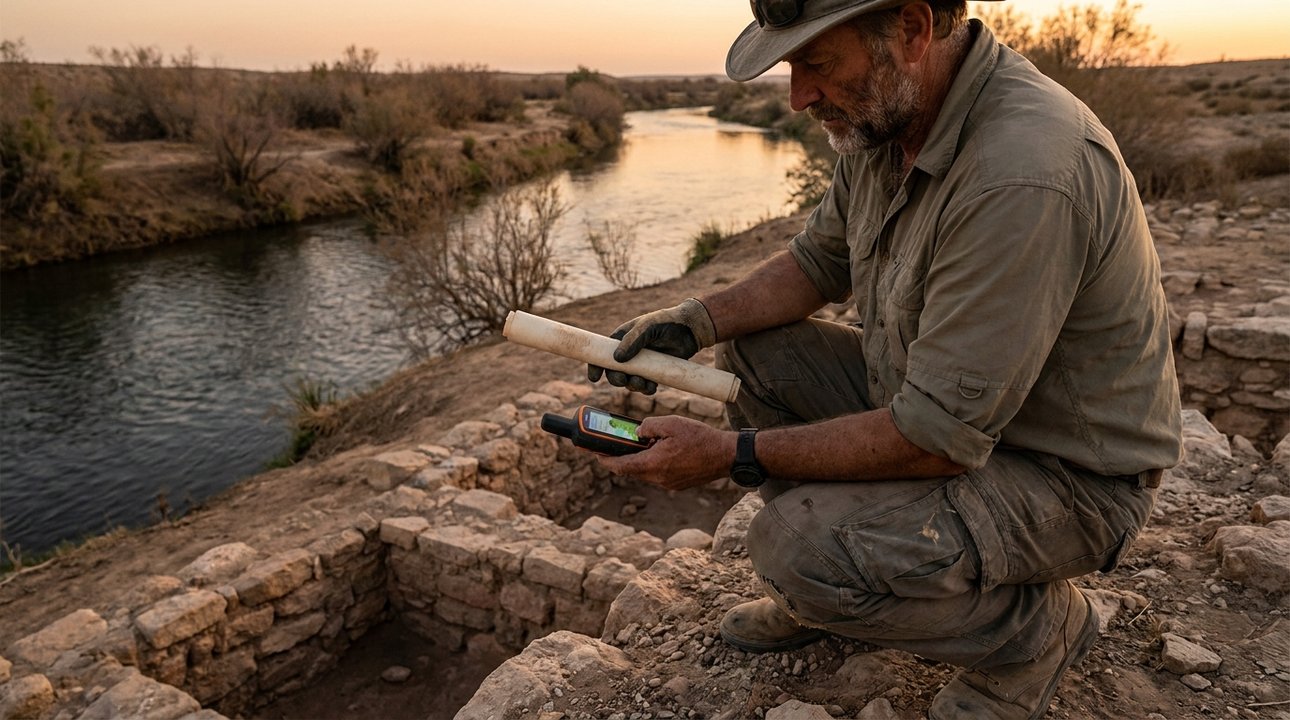
Ezekiel’s prophetic journey began by the River Chebar, where he experienced visions of the divine chariot. These visions marked the beginning of his mission as a prophet during the exile.
The setting is significant as it symbolizes both the physical and spiritual captivity of the people, while also serving as a place of revelation and hope. Ezekiel’s experiences by this river highlight the transformative power of divine encounters in times of crisis.
The role of the River Chebar in Ezekiel’s prophetic journey underscores its importance as a symbol of guidance and resilience. The visions received by the prophet offered hope and inspiration to the exiled community.
Its significance is further highlighted by its association with the Jewish people’s ability to maintain their faith and cultural identity during exile. This river remains a powerful symbol of renewal and perseverance.
Ezekiel’s vision of the divine chariot, with its wheels within wheels and living creatures, is one of the most vivid and complex images. It represents the presence of the divine even in exile, offering reassurance to the Jewish people that they were not abandoned.
This vision set the tone for Ezekiel’s prophetic messages, which included calls for repentance and promises of restoration, providing hope and guidance to the exiled community. The vision showcases the power of divine encounters.
The vision of the divine chariot is a central theme in Ezekiel’s prophecies, symbolizing the continued presence of the divine amidst the challenges of exile. The imagery of wheels within wheels and living creatures underscores the complexity and majesty of the divine. Ezekiel’s messages of hope and restoration offered guidance and reassurance to the exiled Jewish community. The vision’s significance is still remembered by those seeking insight and understanding.
Historical Context of the River Chebar
Historically, the River Chebar was likely located in ancient Mesopotamia, near the city of Babylon. This region, known for its history, was part of the fertile crescent, a cradle of early civilization. The Babylonians skillfully utilized these waterways for agriculture and transportation, enhancing their empire’s prosperity. For the Jewish exiles, these rivers were both unfamiliar and a reminder of displacement, symbolizing their longing for Zion. They became places of reflection, as described in Psalm 137:1, where the exiles sat and wept by the rivers of Babylon, remembering Zion.
The Jewish people were forcibly taken from their homeland around 597 BCE, during the Babylonian exile, a period marked by profound loss and adaptation. The River Chebar served as a backdrop for the prophet’s divine visions, offering insight and hope amidst exile.
These waterways, while essential for survival, also represented the cultural and spiritual challenges faced by the exiles, as they struggled to maintain their identity and faith in a foreign land.

Cultural Role of the River in Exile
The River Chebar became a location associated with community gathering among the exiles. It provided a setting for sharing stories, worship, and maintaining cultural identity. According to tradition, the prophet sat among the exiles by the river for seven days, overwhelmed by their situation. This place of gathering helped sustain the Jewish people spiritually and culturally, nurturing a sense of hope and continuity despite their physical exile.
It served as a reminder of their heritage and a source of collective strength.
In a foreign land, maintaining cultural practices was crucial for the exiles. The gatherings by the River Chebar allowed them to share their traditions, sing psalms, and teach the younger generations about their history.
This helped keep their faith alive and reinforced their identity as a community. Thus, it became more than just a physical location; it was a symbol of unity, where the exiles could find solace and support in one another. These gatherings are reminiscent of the communal spirit described in Psalm 137:1-4.
from the Western Wall to Masada.
The River Chebar’s role in preserving the Jewish community’s cultural identity during exile is a testament to their faith. The exiles’ ability to maintain their traditions and practices helped them endure the challenges of living in a foreign land. Its significance is further highlighted by its association with Ezekiel’s prophetic experiences, which provided hope and inspiration to the exiled community. This river remains a powerful symbol of renewal and perseverance.
Modern Interpretations of the River Chebar
Today, the River Chebar is a symbol of faith amidst hardship. Scholars and theologians often reflect on its role in the narrative of exile as a representation of renewal. Its association with Ezekiel’s visions underscores the theme of revival and hope for the future. These interpretations are still remembered by those who seek to understand the lessons from the Babylonian exile and Ezekiel’s prophetic experiences.
The significance of the River Chebar in historical narratives highlights its importance as a symbol of guidance and resilience. The Jewish community’s ability to maintain their faith and cultural identity during exile is a sign of their strength and perseverance. Its role in Ezekiel’s prophetic experiences offers hope and inspiration to those seeking insight and understanding. This river remains a powerful symbol of renewal and perseverance.
The story of the River Chebar encourages individuals to find strength in their faith and community, even when faced with adversity. The Jewish exiles, living near this waterway, were able to maintain their cultural identity and religious practices, which helped them endure the challenges of exile.
Its legacy is one of hope and resilience, reminding us that spiritual renewal is possible even in the most difficult circumstances. As Ezekiel’s visions by this river illustrate, divine encounters can provide guidance and inspiration during times of crisis.
The River Chebar is more than a geographical location. Ezekiel’s experiences and visions underscore the themes of revival and hope. These stories are still remembered by those who seek to understand the lessons from the Babylonian exile. It serves as a reminder that, even in the darkest times, there is potential for renewal and transformation.
The River Chebar in Jewish Tradition
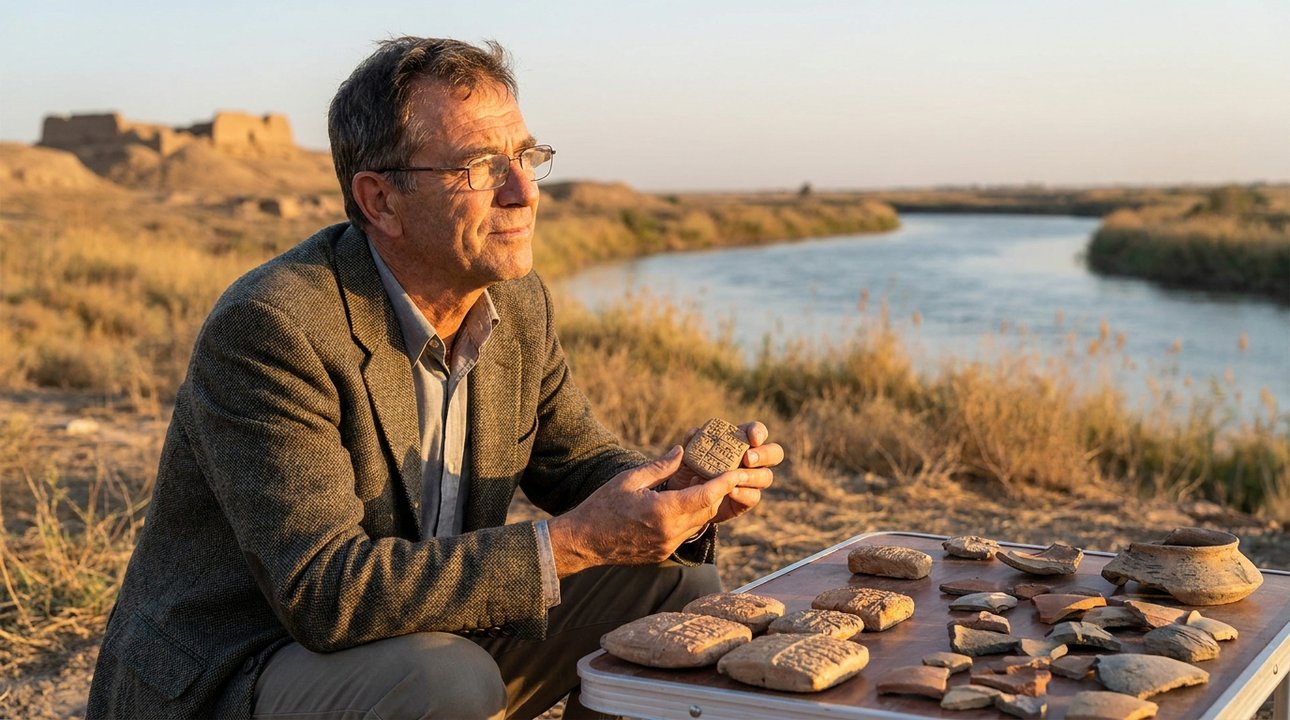
In Jewish tradition, the River Chebar is remembered as a place of divine encounters. It reminds the Jewish community of the enduring belief in divine guidance, even in foreign lands. Ezekiel’s visions illustrate the profound spiritual experiences that occurred by this river.
The narratives and teachings associated with Chebar continue to be a part of Jewish liturgical and educational contexts, emphasizing themes of hope and redemption.
These teachings are often explored during Jewish festivals and in study sessions, highlighting the importance of faith and perseverance. The River Chebar serves as a reminder that even in the darkest times, there is a possibility for renewal and connection.
This message resonates with many who face challenges, offering a source of inspiration and a reminder of the strength found in community and faith. Its role in historical narratives emphasizes the enduring power of guidance and hope.
The River Chebar’s significance is reflected in the Jewish community’s ability to maintain their identity and traditions during exile. This resilience is celebrated during festivals, which commemorate the Jewish people’s journey from hardship to freedom. Its association with Ezekiel’s visions highlights the potential for renewal and transformation. These stories are still remembered by those seeking to understand the lessons from the Babylonian exile and the enduring strength of the Jewish people.
Conclusion: Legacy of the River Chebar
The River Chebar stands as a sign of the enduring faith of the Jewish people during exile. Its mention in the Book of Ezekiel highlights its significance as a place where the prophet received divine visions. This river, while perhaps physically elusive today, is still remembered and empowers individuals, framing a narrative of hope and perseverance. The Jewish community’s ability to adapt and thrive during exile is a powerful reminder of their spiritual strength.
The Jewish exiles, while living near the River Chebar, maintained their cultural and religious practices, which helped preserve their identity. This commitment to faith and tradition is reflected in the stories and teachings that have been passed down through generations.
Its symbolic role in historical narratives serves as a reminder that, even during the most challenging times, guidance and hope can be found. The legacy of this river continues to resonate with those seeking inspiration from the past.
River Chebar FAQs
