
Unveiling the Place Called Paran


Paran is a place with historical significance. Known as a desert area, it is mentioned in historical accounts, particularly during the wilderness wanderings. This article explores Paran’s geographical and historical context, highlighting its role in ancient narratives. Paran was a site of key events, set against the harsh conditions of the desert.
Paran served as a strategic location during historical migrations. The desert’s harsh conditions tested those who traveled through it. It was a site of significant events in Biblical narratives, symbolizing the challenges encountered during historical journeys.
from the Western Wall to Masada.
The wilderness of Paran appears in several historical texts as a setting for important events. Its vastness provided a backdrop for reflection and perseverance. These stories highlight the endurance required to overcome the region’s harsh environment.
What Does Paran Mean in the Bible?
In historical texts, Paran is described as a desert or wilderness. It is a location where camps were set during migrations. The region is mentioned as a site where groups faced trials, and its desert environment provided a challenging context. Paran often symbolizes journey and transformation in historical tales.
Where Is Paran Located?
The exact location of Paran has been debated. It is generally believed to be in the northern Sinai Peninsula, near Moab and Edom. Some associate it with parts of northwestern Arabia, suggesting proximity to the traditional route from Egypt. This location saw interactions with various ancient cultures, making it significant in regional history. Maps from different periods reflect the complexities of ancient geography.

Paran in the Book of Numbers
Paran is featured in historical records as a starting point for scouting expeditions to explore new territories. These events were crucial for decision-making and future directions. Paran represents the challenges faced in seeking new lands, with scouts assessing the potential and challenges of these regions.
The scouts’ reports from Paran led to fear and doubt, impacting the people’s journey. This episode underscores the importance of trust and unity in leadership. Paran highlights the need for courage in difficult times, serving as a lesson on the consequences of fear and the power of collective resolve.
Paran in Historical and Cultural Context
Beyond historical texts, Paran holds cultural significance in ancient Near Eastern history. It was a crossroads for trade routes connecting Egypt to other ancient regions. The region is referenced in inscriptions and records from neighboring civilizations. Paran was a backdrop for interactions between nomadic tribes and settled communities, helping us understand the movement of peoples and ideas. Archaeological findings reveal its role in the exchange of goods and culture.
from the Western Wall to Masada.
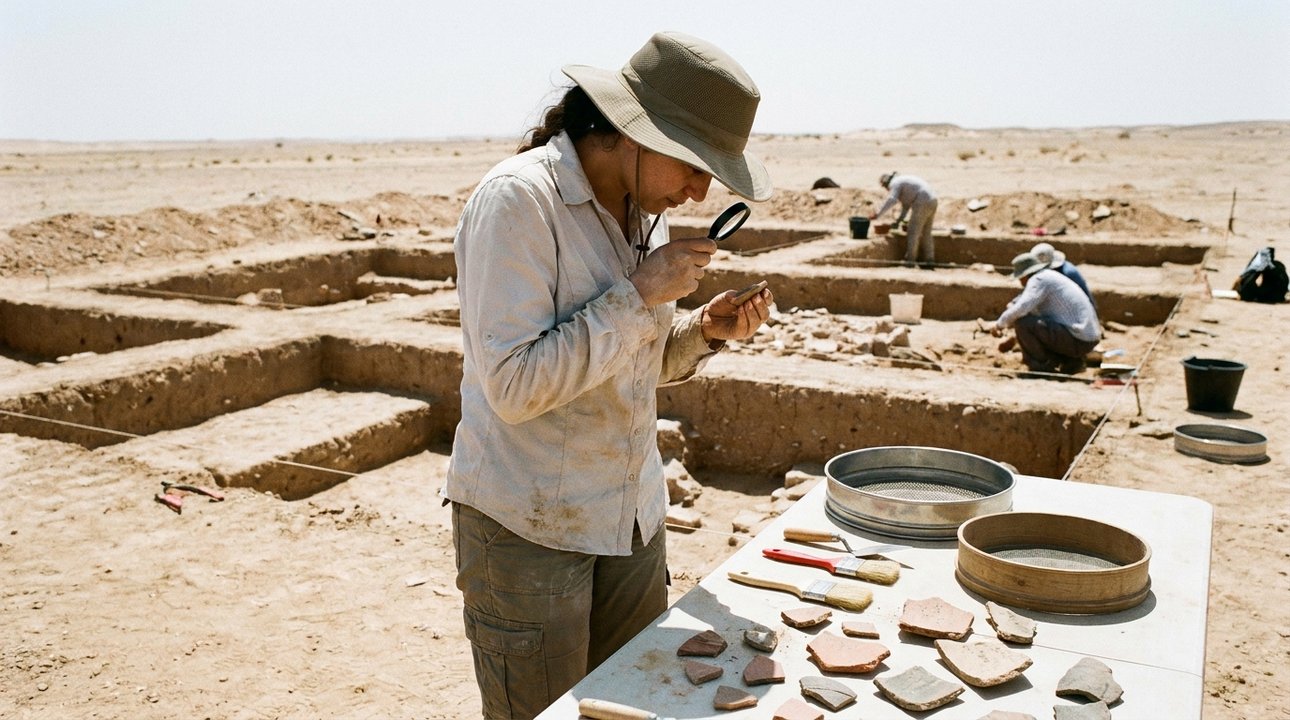
Discoveries in Paran have uncovered artifacts suggesting trade with Egypt and Mesopotamia. These include pottery and tools, highlighting its importance as a trade hub and its role in cultural exchanges. This context enhances our understanding of Paran’s significance in ancient societies. The artifacts found reveal a history of interaction and exchange.
Paran in Jewish Thought and Tradition
In Jewish tradition, Paran signifies more than a physical location. The Talmud reflects on wilderness trials, drawing from stories of journeys and transitions. Paran embodies perseverance. Lessons from these challenges are integral to understanding perseverance in Jewish thought, with rabbinic literature expanding on these themes.
Talmudic discussions use wilderness experiences in Paran to illustrate transformative trials. The journey through Paran symbolizes personal growth. These narratives encourage embracing challenges for growth, with lessons on perseverance and community strength. Paran’s journey marked a significant transition.
What Does Paran Teach Us Today?
Paran’s legacy is its representation of perseverance. The narratives around it invite reflection on personal and collective journeys. Today, it symbolizes challenges faced on the path to understanding and fulfillment. Lessons from Paran apply to modern challenges, encouraging patience and determination. It invites contemplation on overcoming obstacles to achieve meaningful goals. Historical figures in Paran exemplify adaptation to harsh environments.
The stories of Paran remind us of determination’s importance. These accounts encourage reflecting on our life journeys. Drawing parallels between ancient and contemporary challenges offers guidance and inspiration. Paran’s symbolism as a place of testing and growth remains relevant, highlighting how to achieve personal and communal aspirations.

Exploring Cultural Connections
Paran’s stories and lessons inspire reflections on history and identity. They provide insights into ancient communities and shared histories. Through archaeological discoveries and historical analysis, we better understand how Paran connected different cultures and regions.
Common Questions about Paran
